
EU polls show 66 of Europeans now back UK rejoin bid

Story Timeline
4 months · 13 summary articles
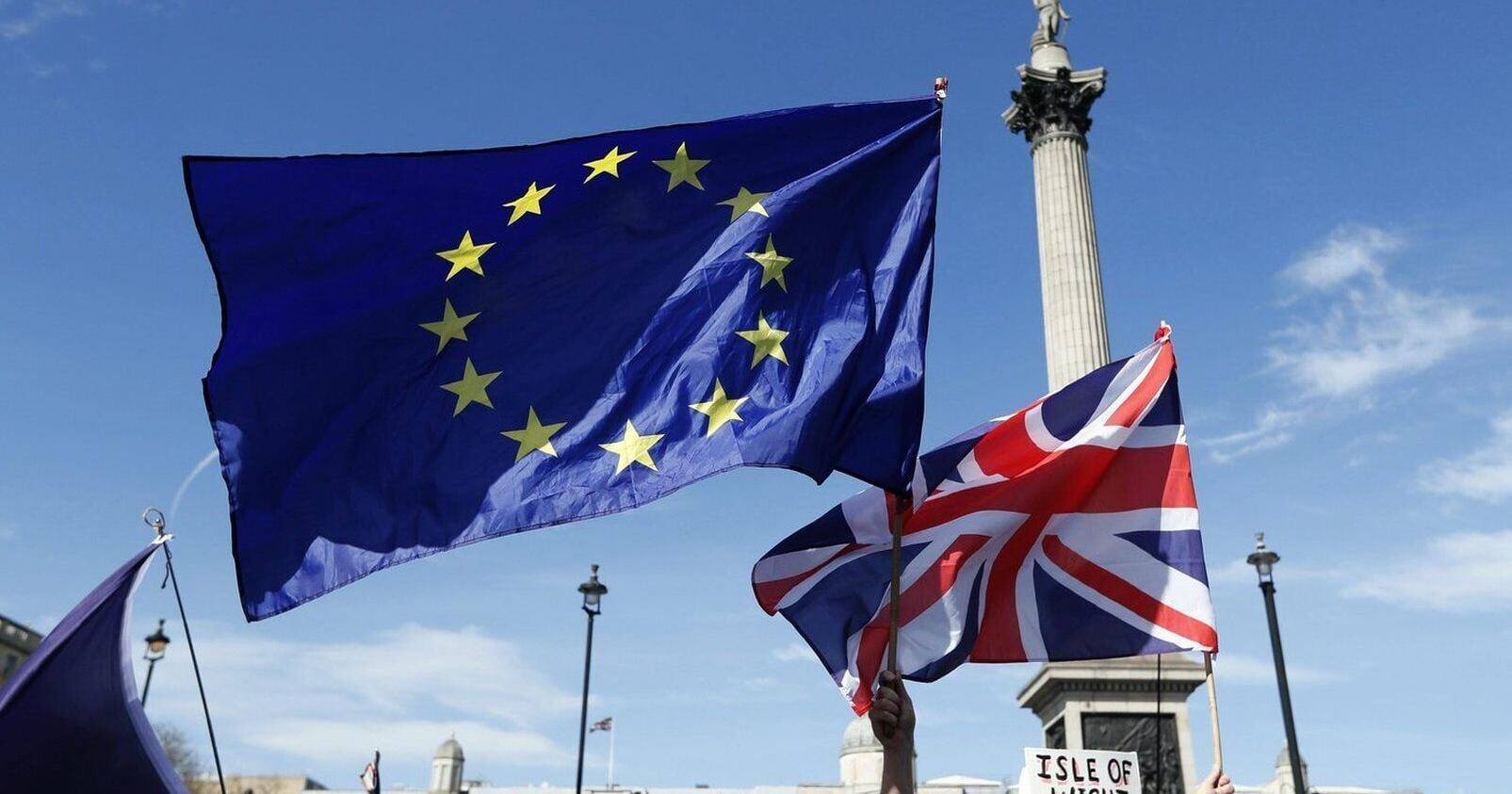
Six years after Brexit, 66% of citizens across 13 EU member states now support the United Kingdom’s return to the European Union, according to a survey published today by the European Council on Foreign Relations (ECFR) . The poll, conducted in May 2026, marks a sharp reversal from the immediate post-referendum period and reflects growing European recognition of the economic and political costs of the UK’s departure. In parallel, a separate survey cited by LBC reveals that 75% of Britons now favour closer ties with the EU, underscoring a domestic consensus that has emerged despite the formal split .
Financial markets have taken notice. New data from Brussels Morning indicates that London’s financial sector has largely adapted to the post-Brexit environment, with banks, insurers, investment firms, and fintech companies reporting renewed investor confidence . The report, published today, suggests that the City’s ability to attract global capital has stabilised after years of uncertainty, though it cautions that structural shifts—such as the loss of passporting rights—continue to shape deal flows. The Financial Times echoed this assessment in an editorial arguing that while the UK must rebuild its EU ties, an immediate bid to rejoin the bloc would be a “diversion” that distracts from pragmatic cooperation .
The political fallout from Brexit remains uneven. In Belfast, tensions have flared in recent weeks, with local media linking a surge in far-right activity to the UK’s departure from the EU . Analysts note that the absence of EU oversight has emboldened radical groups, while mainstream parties have struggled to articulate a coherent response. Meanwhile, Estonian officials have publicly stated that Brexit has left the UK “behind the rest of Europe,” conceding that while the move granted London some flexibility, it has ultimately harmed the British economy .
Against this backdrop, the ECFR survey suggests that public opinion in both the UK and the EU is coalescing around a shared realisation: Brexit’s economic and social consequences demand a new framework for cooperation. Whether this sentiment translates into formal negotiations remains uncertain, but the data points to a continent increasingly willing to reconsider the costs of separation.
Follow us for live European news
- 1
- 1
- 1
- 1
- 1
- 1
- 1
1 further source not geolocated
Articles

Britains Financial Sector Rebuilds as Global Investment Confidence Returns London, United Kingdom, June 21 – Brussels Morning Newspaper — Global investment news continues to focus on Britains financial sector as new data suggests the industry has largely adapted to the post-Brexit environment. After years of uncertainty following the UKs departure from the European Union, banks, insurers, investment firms, and financial technology companies are reporting renewed […]
brussels morning · 3 months ago
Experts on both sides of the pond say Alberta would do well to learn from Brexit
gdelt bot · 3 months ago

This changes everything : how Brexit altered Scotland political landscape | Scottish independence
gdelt bot · 3 months ago
Krawalle in Belfast: Der Brexit ist schuld Der Austritt Großbritanniens aus der EU verschaffte dem Rechtsradikalismus enormen Aufwind. Anstatt gegenzuhalten, zog Labour in Sachen Migration mit. mehr...
taz.de · 3 months ago

Wielka Brytania powinna wrócić do UE? Są wyniki nowego sondażu 66 proc. obywateli z 13 państw europejskich popiera ponowne przystąpienie Wielkiej Brytanii do Unii Europejskiej - przekazał międzynarodowy think tank Europejska Rada Stosunków Zagranicznych (ECFR).
gazeta.pl · 3 months ago
Nun wird Europa an der Börse wieder in: Experten sehen bei diesen vier Aktien extrem hohes Kurspotenzial [premium] Eine ganze Reihe von Experten meint, dass europäischen Aktien ein herausragendes zweites Halbjahr bevorsteht. Bei diesen vier Aktien haben sie jetzt Kursziele ausgesprochen, die Gewinnpotenziale zwischen 46 und 81 Prozent ergeben.
die presse · 3 months ago
We need to talk about Brexit Britain must rebuild EU ties, but trying to rejoin would for now be a diversion
financial times · 3 months ago
Three quarters of Brits want closer ties to the EU, new survey finds
gdeltproject.org · 3 months ago
ÜK on muust Euroopast Brexiti tõttu maha jäänud Brexit on toonud Suurbritanniale küll natukene paindlikkust ja üksikuid võite, kuid üldiselt peetakse seda majandust kahjustanud otsuseks ning brittide toetus Euroopa Liiduga tihedamatele suhetele on viimastel aastatel märgatavalt kasvanud.
postimees · 3 months ago
EU countries lead overseas investments, shows survey
gdeltproject.org · 3 months ago