Loading…
 Friday, August 28Friday, August 28
2 months · 6 summary articles
Russia has imposed a temporary ban on diesel exports as Ukrainian drone strikes cripple its refining capacity, triggering acute fuel shortages across the country and forcing Moscow to resort to imports for the first time in years.
Deputy Prime Minister Alexander Novak announced the measure on Wednesday, stating that the export ban would allow domestic supplies to be prioritised amid what he described as a “difficult” situation in the fuel market. Speaking after a cabinet meeting with President Vladimir Putin, Novak said the government had also extended the ban to non-producing companies, effectively ending all diesel exports regardless of origin. “Today we introduced a ban on diesel exports, which will enable us to increase supplies to the domestic market,” he told reporters .
The decision follows weeks of sustained Ukrainian attacks on Russia’s energy infrastructure, including a strike on 6 July against the Omsk refinery—the last major processing plant yet to be targeted. Analysts estimate Russia’s refining output fell 25% in June compared with the same month in 2025, to 3.91 million barrels per day, the lowest level in more than two decades . Gasoline production dropped 17% year-on-year to 850,000 barrels per day, while diesel sales on the St. Petersburg exchange collapsed by 35.4% in June alone.
Putin framed the crisis as an attempt by Kyiv to destabilise Russia’s economy and society. “It is clear that the enemy is trying to damage the economy, but most importantly, it is trying to create a nervous situation in society,” he told a press conference. “This is an impossible task.” He insisted that Russia’s energy system retains “very high” spare capacity, one of the largest in the world, and dismissed reports of shortages as temporary .
The shortages have already forced regional restrictions on fuel purchases, with long queues at stations and limits on how much drivers can buy. In Crimea, which is supplied via routes increasingly vulnerable to Ukrainian strikes, civilian gasoline sales were suspended entirely in June. To ease pressure, the government is allowing refineries to produce lower-quality fuels and delaying planned maintenance work. For the first time, Russia will begin importing fuel this month, with Novak citing the need to stabilise supplies .
The crisis has also prompted a surge in demand for liquefied petroleum gas (LPG) conversions, with Russian motorists installing kits to run vehicles on alternative fuels. Call centres reported receiving 276 adaptation requests in a single day .
While some analysts predict a partial recovery in refining output between July and September, even optimistic forecasts suggest production will remain below pre-war levels. The European Union is meanwhile considering freezing its oil price cap to prevent Russia from benefiting from potential price spikes if sanctions on Iranian oil are tightened .
Follow us for live European news

An oil superpower that cant fill its own gasoline tanks: How Ukraines drone war upended Russias fuel market
telegram_Meduza · about 2 months ago
Oroszország betiltotta a dízel exportját Az ukrán támadások miatt Moszkva üzemanyagot lesz kénytelen importálni.
444.hu · about 2 months ago

Neun Gründe für den Niedergang der russischen Wirtschaft Mitten im fünften Kriegsjahr sieht sich die russische Wirtschaft plötzlich nur noch mit Problemen konfrontiert, Wachstum ist nicht in Sicht. Führende Russland-Ökonomen erklären hier die Hauptgründe dafür.
welt.de · about 2 months ago
Venemaa hakkab alates juulist kütust importima Venemaa hakkab alates juulikuust kütust importima ning on valmistanud ette võimalikud raudteetollide soodustused, et tekitada selle jaoks vajalikud majanduslikud tingimused, ütles kohtumisel Venemaa presidendi Vladimir Putiniga riigi asepeaminister Aleksandr Novak.
postimees · about 2 months ago
Carburanti, rincari senza fine i consumatori: tornino gli sconti Quinto giorno di aumenti su benzina e diesel Le associazioni di categoria chiedono di rivalutare il taglio delle accise
corriere · about 2 months ago
Borse giù, il petrolio corre, occhi puntati sulle navi. E lFmi taglia la crescita
corriere · about 2 months ago
Industria de apărare a Rusiei își atinge limita de sus. Avertismentul unui înalt oficial rus privind întreaga economie a țării Creșterea rapidă a industriei de apărare din Rusia, determinată de război, se apropie de limita sa, a declarat ministrul Industriei și Comerțului, Anton Alikhanov. El avertizează că unul dintre principalele motoare ale creșterii economice a țării începe să-și piardă din avânt.
digi24 · about 2 months ago
Ryssland utlovar stöd till juntor
svenska dagbladet · about 2 months ago

Ukraine war briefing: Russia bans diesel exports as refinery attacks trigger gas shortages and price spikes #UkraineUkraine war briefing: Russia b...
mastodon bot · about 2 months ago
How bad is Russias fuel crisis? Diesel just had its worst week since 2022.
telegram_Meduza · about 2 months ago
Las claves del final del modelo soviético El sistema soviético de economía planificada se derrumbó por sí mismo, sin necesidad de ninguna revolución. Leer
expansion · about 2 months ago

Ekolojik kriz üretim ilişkileri sorunu
gdelt bot · about 2 months ago
Putin: Vi förstår att det är en omöjlig uppgift Ryssland stoppar exporten av diesel i ett försök att lindra den växande bränslekrisen. Bakom bristen ligger ukrainska attacker mot raffinaderier och energianläggningar.
svenska dagbladet · about 2 months ago
Sparpläne des Autokonzerns: Ostbeauftragte warnt VW vor Kahlschlag in Ostdeutschland
die zeit · about 2 months ago
Olyan súlyos az orosz üzemanyag-ellátási válság, hogy ideiglenesen felfüggesztették a dízelolaj exportját Bár Putyin igyekszik bagatellizálni az ország energetikai létesítményei elleni ukrán dróntámadások sikerét, a miniszterelnök-helyettes elismerte: importra szorulnak üzemanyagból.
444.hu · about 2 months ago
Fuel crisis reaches Moscow as NATO sends Putin unity message: Love is in the air
gdeltproject.org · about 2 months ago

Russia bans diesel exports to ensure domestic supply after targeted Ukrainian drone strikes reut.rs/4goJmYM
bluesky_Reuters · about 2 months ago
Explosiv kris kan slå mot Putins banker Den ryska ekonomin är hårt pressad.Krigets kostnader stiger – samtidigt som det regnar sanktioner.Nu riskerar Putin en explosiv bankkris, enligt Reuters.
expressen · about 2 months ago
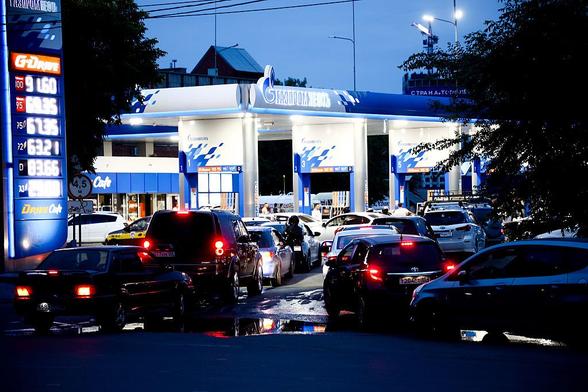
Russia has banned diesel fuel exports until at least the end of July following Ukrainian strikes on energy infrastructure deep within its territory. Officials attributed fuel supply interruptions to logistical changes. #Russia
mastodon bot · about 2 months ago
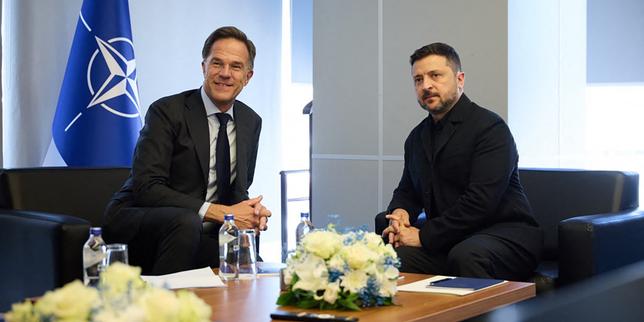
EN DIRECT, guerre en Ukraine : les pays de lOTAN réaffirment leur « soutien indéfectible » à Kiev à lissue du sommet de lAlliance en Turquie La Russie a annoncé interdire les exportations de gazole à partir de mercredi. Cette mesure « permettra daugmenter les approvisionnements sur le marché intérieur », a déclaré le vice-premier ministre russe, Alexandre Novak, lors dune réunion avec Vladimir Poutine. De son côté, Donald Trump a annoncé que les Etats-Unis allaient autoriser les Ukrainiens à fabriquer des missiles Patriot.
le monde · about 2 months ago
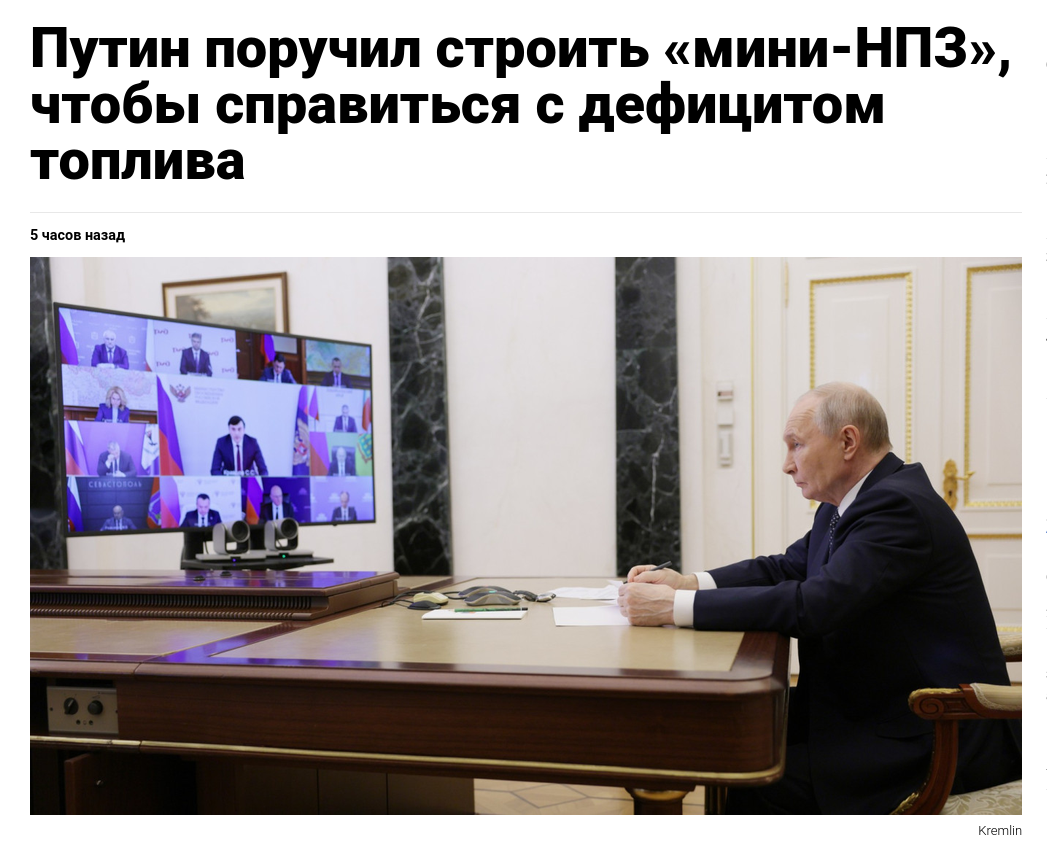
Vladimir Putin approved a proposal to build a network of small-scale oil refineries in Russia. The move aims to decentralize production and increase domestic supply, making energy infrastructure harder to target via strikes. #Russia #Putin
mastodon bot · about 2 months ago
+++ Ukraine-Krieg +++: Trump drängt auf Putin-Selenskyj-Treffen – aber nicht in Moskau Trump drängt auf Putin-Selenskyj-Treffen – aber nicht in Moskau +++ Nato-Staaten versprechen Ukraine bei Gipfel Milliardenbetrag +++ Russland verhängt Exportverbot für Diesel +++ Der Newsblog.
handelsblatt · about 2 months ago
«Яндекс» стал показывать очереди на заправках. Пока только в Москве и Петербурге Сервисы «Яндекс Go» и «Яндекс Заправки» стали показывать данные об очередях и наличии топлива на АЗС, сообщают госагентства со ссылкой на пресс-релиз компании.
meduza · about 2 months ago

Rússia proíbe exportações de gasóleo devido a escassez A medida é tomada numa tentativa de aumentar a disponibilidade de combustível no mercado interno face à escassez provocada pelos ataques ucranianos a infraestruturas energéticas.
observador · about 2 months ago
Rusia a interzis exporturile de motorină. Urmează importul de carburant, dar asta vine la pachet cu o altă problemă Rusia a interzis miercuri exporturile de motorină şi începe în iulie importul de combustibil, ca parte a măsurilor de a rezolva problemele extinse în aprovizionarea cu benzină şi motorină, a anunţat vicepremierul rus Alexander Novak, la o reuniune guvernamentală televizată, transmite Reuters.
digi24 · about 2 months ago
Rușii se înghesuie să-și monteze instalații GPL pe mașini din cauza crizei de combustibil: „Am primit 276 de apeluri într-o singură zi Rușii se înghesuie să-și adapteze mașinile pentru a funcționa pe GPL, pe fondul penuriei de combustibil la nivel național, al creșterii prețurilor la benzină și al cozilor lungi la stațiile de alimentare, relatează The Independent.
digi24 · about 2 months ago
Dangote Jet Fuel Overtakes US in Europes Market
gdeltproject.org · about 2 months ago