
Apple raises iPhone prices amid AI-driven memory-chip cost surge
Story Timeline
3 months · 4 summary articles
Apple will raise prices for its next-generation iPhones and other products, chief executive Tim Cook warned on Wednesday, citing an unsustainable surge in memory-chip costs driven by the artificial intelligence boom. Speaking to *The Wall Street Journal* in his final interview before leaving office, Cook said Apple can no longer absorb the rising expenses and must pass some of them on to consumers, marking a rare admission that inflationary pressures are forcing the company to rethink its pricing strategy.
The decision comes as memory-chip prices have climbed sharply in 2026, with suppliers struggling to meet demand from AI data centres and high-performance computing applications. Cook described the situation as “unsustainable,” telling the *Journal* that Apple’s ability to absorb these costs has reached its limit. “The explosion in memory-chip costs is real, and it’s here to stay,” he said. “We have to make choices, and one of them is to adjust our pricing.” The remarks were echoed across European media on Thursday, with outlets in Belgium, Estonia, Germany, and Romania all reporting the same core message from the outgoing CEO.
Industry analysts say the price increases will likely affect the entire iPhone lineup, including the highly anticipated iPhone 18 Pro and the company’s first foldable model, which is expected to launch later this year at around $2,000. Cook’s comments follow months of speculation about Apple’s pricing strategy amid broader inflation in the tech sector. In an interview with *Euronews*, he warned that the trend could ripple across the industry, raising concerns about broader inflation in technology products.
The announcement arrives as Apple prepares for a leadership transition, with Cook set to step down after more than a decade at the helm. His successor will inherit a company facing mounting cost pressures, from memory chips to advanced components for AI-capable devices. While Apple has historically maintained premium pricing, the shift signals a pragmatic response to market realities. “This is not a decision we take lightly,” Cook told the *Journal*. “But we have to balance innovation with affordability.”
The move also underscores the far-reaching impact of the AI revolution on global supply chains. Memory chips, essential for AI training and inference, have become a bottleneck, with prices for high-bandwidth memory (HBM) soaring by more than 200% in some segments this year. Apple’s decision to raise prices reflects a broader industry trend, as companies across the tech sector grapple with the financial fallout of the AI boom. Analysts say the shift could accelerate consolidation in the semiconductor industry, with larger players gaining further advantage over smaller competitors.
For consumers, the price hikes mean that upgrading to the latest iPhone will come at a higher cost, particularly for flagship models. The first foldable iPhone, rumored to launch in the autumn, is now expected to carry a starting price of $2,000, according to Romanian tech outlet *Digi24* . While Apple has not yet confirmed specific pricing, Cook’s remarks suggest that the increases will be applied across the board, from the iPhone 18 series to Macs and other devices.
The news comes as Apple faces increasing competition in the AI space, with rivals like Google and Microsoft investing heavily in on-device AI capabilities. Cook’s warning about rising costs may also signal a broader strategic shift, as Apple seeks to balance its premium brand with the realities of a more expensive supply chain. For now, consumers will have to weigh the benefits of the latest iPhone against the higher price tag, as Apple navigates an era of unprecedented technological and economic change.
Follow us for live European news
- 2
- 2
- 1
- 1
- 1
- 1
- 1
- 1
- 1
- 1
- 1
- 1
- 1
1 further source not geolocated
Articles

Θερινές εκπτώσεις 2026: Πότε ξεκινούν, ποια Κυριακή θα είναι ανοιχτά τα καταστήματα
protothema · 3 months ago

Le prix des prochains iPhone va grimper: le patron dApple en explique la raison Lexplosion des coûts liés à lIA pourrait bientôt se répercuter sur le prix des iPhone et autres produits Apple. ...
la libre · 3 months ago

MediaMarkt tira la casa por la ventana: descuentos de hasta el 64 por el Red Friday Pocas veces se llegan a ver descuentos de hasta el 64 en primeras marcas. MediaMarkt lo hace posible con su promoción Red Friday. Estos son los 9 productos con mejores descuentos de toda la selección
la vanguardia · 3 months ago

Las marcas que piden perdón venden más La disculpa como herramienta comercial puede tener un efecto beneficioso para la empresa
la vanguardia · 3 months ago
Тим Кук предупредил о «неизбежном» повышении цен на продукцию Apple
meduza · 3 months ago
Apple pregătește scumpiri din toamnă. Cât va costa primul iPhone pliabil Tim Cook a sugerat că viitoarea generație de iPhone-uri ar putea veni cu prețuri mai mari, pe fondul creșterii costurilor memoriilor, alimentate de cererea uriașă generată de dezvoltarea inteligenței artificiale. Declarațiile vin cu doar câteva luni înainte ca Apple să lanseze noile modele, inclusiv primul iPhone pliabil, așteptat să coste 2.000 de dolari, potrivit News.ro.
digi24 · 3 months ago

Tim Cook bemondta: elkerülhetetlenül drágulnak az Apple termékei, az iPhone 18 Pro ára is kilőhet Az Apple távozó vezérigazgatója szerint többé már nem tudják lenyelni a memóriaválság hatásait, így az alkatrészár-emelkedések egy részét át kell hárítaniuk a vásárlókra.
hvg.hu · 3 months ago
Googles Gemini-Vizechef wechselt zu OpenAI
orf.at · 3 months ago
NEOS drängt auf Lockerung der Ladenöffnungszeiten
orf.at · 3 months ago
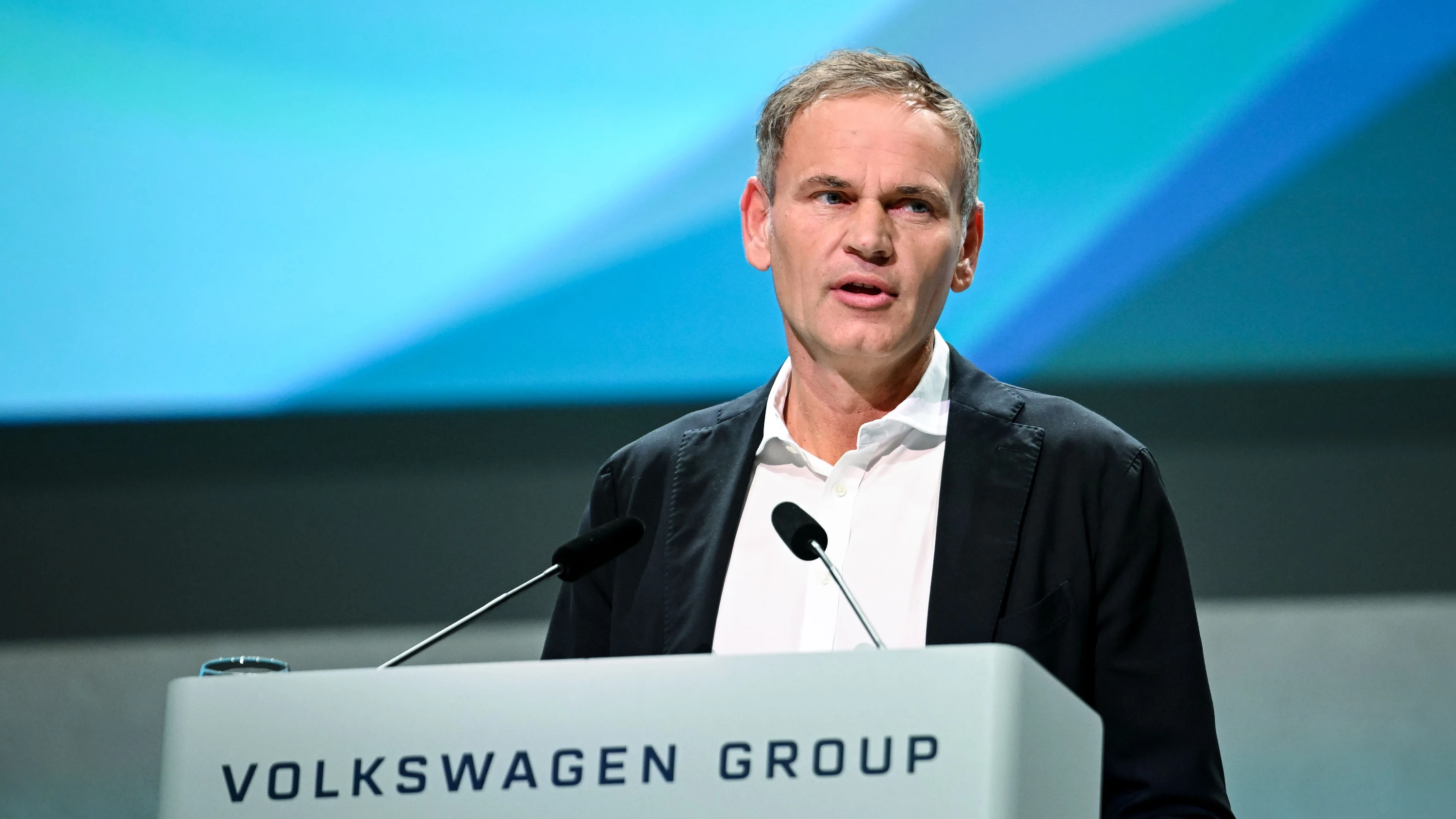
Business-Ticker: Volkswagen muss sich bei Hauptversammlung auf Kritik einstellen Apple plant Preiserhöhungen für seine Produkte +++ Googles Gemini-Vizechef wechselt zum Konkurrenten OpenAI +++ Bosch zahlt Millionenstrafe in den USA +++ Neuigkeiten im Unternehmen-Liveblog.
faz · 3 months ago

Apple price rises are unavoidable, CEO warns, as AI chip costs surge Tim Cook says Apple can no longer absorb soaring memory-chip costs driven by the artificial intelligence boom, signalling higher prices for consumers and raising concerns about broader inflation across the technology sector.
euronews · 3 months ago

Trump says Apple to partner with Intel on US chip design, production reut.rs/4vUJwLV
bluesky bot · 3 months ago
WSJ ⟩ Apple tõstab kiibikriisi tõttu hindu, ütleb tegevjuht Tim Cook Tegevjuht Tim Cook ütles The Wall Street Journalile antud eksklusiivses intervjuus, et tema ettevõte plaanib tõsta oma toodete hindu, et teha tasa mälu- ja talletuskiipide lennukalt kerkivad kulud.
postimees · 3 months ago
Το βίντεο του Μητσοτάκη για το PosoKanei: H αγορά γνωρίζει πλέον ότι οι τιμές συγκρίνονται καθημερινά και πιέζεται να γίνει πιο ανταγωνιστική «Πριν πληρώσεις στο σούπερ μάρκετ, μπορείς να ξέρεις πλέον πού είναι πιο φθηνό το καλάθι σου»
protothema · 3 months ago
iPhone-urile se scumpesc: Șeful Apple explică de ce cresc prețurile Apple va majora prețurile produselor sale, o decizie catalogată drept „inevitabilă de Tim Cook, pe fondul unei explozii a costurilor cu cipurile de memorie, potrivit BBC. Tim Cook, directorul executiv al Apple care își încheie mandatul, a declarat pentru The Wall Street Journal (WSJ) că scumpirile au loc întrucât situația din domeniul cipurilor de memorie …
hotnews.ro · 3 months ago
Höjer priserna: Ohållbart God morgon! Iphone väntas bli dyrare, Open AI öppnar kontor i Stockholm – och så tipsar vi om böcker inför sommaren.
svenska dagbladet · 3 months ago
Prisras på potatis inför midsommar Midsommarmaten är i år billigare än den var i fjol. Samtidigt är svenskarna inte lika noga inför storhelger. – Vid högtider snålar man inte, säger SEB:s makroekonom Marcus Widén.
svenska dagbladet · 3 months ago
Oltre le-commerce tradizionale: con TikTok Shop crescono gli acquisti social Il 41 del valore generato arriva dagli over 40. Limpatto dei trend nati sulla piattaforma è sempre più tangibile. Più attenzione anche ai rischi
il sole 24 ore · 3 months ago
Apple-Chef sieht Preiserhöhungen als unvermeidlich Die Erhöhungen sind eine Reaktion auf die im KI-Boom gestiegenen Speicherchip-Kosten. Welche Produkte betroffen sind, ist noch nicht klar.
die presse · 3 months ago
Ladenöffnungszeiten: Neos drängen auf vereinbarte Lockerung Digitale Selbstbedienungsläden sollen - wie im Regierungsprogramm vereinbart - aus dem Öffnungszeitengesetz ausgenommen werden, fordern die Neos.
die presse · 3 months ago
Le prix des prochains iPhone va grimper: le patron dApple en explique la raison Lessor de lintelligence artificielle (IA), qui a fait senvoler le coût des puces mémoire, va contraindre Apple à augmenter le prix de ses produits, a prévenu son directeur général Tim Cook, dans un entretien au Wall Street Journal publié mercredi. ...
la libre · 3 months ago
Pošta do vlastních rukou. Každým rokem stoupá počet budov, které Česká pošta prodá městům a obcím Česká pošta každým rokem zvyšuje počet budov, které prodává městům a obcím. Převádí pak na ně i poštovní služby. Snižuje tak náklady na provoz. Za poslední tři roky s podmínkou zachování provozu pošty prodala už přes 70 objektů. Nově třeba v Sedlci-Prčici na Příbramsku.
irozhlas.cz · 3 months ago