 Monday, June 22Monday, June 22
3 days · 2 summary articles
Norwegian village orders health checks after 15 years of aluminium-contaminated water
Norway declares water emergency as aluminium contamination soars 28 times above safe limit
For 15 years, the drinking water supply in Kyrkjebø, a village in Høyanger municipality, Sogn og Fjordane, has contained unsafe levels of aluminium, local authorities confirmed on Monday. Municipal leaders have now ordered health checks for all children aged 0–3 who have lived in the area since 2021, after water samples dating back to 2011 revealed persistent contamination.
Kyrkjebø vassverk, the local treatment plant, has been under scrutiny since municipal officials reviewed archived water tests from 2004 onward. The results show aluminium concentrations exceeded safety thresholds every year between 2011 and 2026, a period spanning 15 years. The Norwegian Institute of Public Health has identified infants and toddlers as the most vulnerable group, warning that prolonged exposure can impair neurological development.
Høyanger’s mayor told national broadcaster NRK that “all the cards must be on the table,” pledging full transparency as authorities prepare to notify affected families. The municipality has not disclosed the exact aluminium levels, but the Folkehelseinstituttet’s guidelines set a maximum of 0.1 mg per litre for drinking water intended for young children.
The revelation has prompted calls for an immediate investigation into the treatment process at Kyrkjebø vassverk. Local councillors are expected to convene an emergency meeting this week to review operational records and decide whether additional filtration systems are required. Environmental health experts have also urged the regional government to audit other small-scale waterworks in western Norway, where similar aluminium issues have been detected in recent years.
While the contamination poses no immediate acute health risk, paediatricians in Bergen have advised parents to use bottled water for formula preparation until further notice. The municipality has arranged free health screenings starting next month, with paediatricians and public health nurses conducting neurological assessments and blood tests for lead and aluminium exposure.
Longer term, the case highlights the challenges facing rural water utilities in Norway, where aging infrastructure and limited budgets often delay upgrades. The environment ministry has allocated NOK 50 million in 2026 to upgrade small municipal waterworks, but critics argue the funds are insufficient given the scale of the problem.
1 further source not geolocated

Ali pri česanju še velja pravilo 100 potegov s krtačo? Znanost temu nasprotuje. Zgodba o cesarici Sisi in stotih potegih s krtačo je že dolgo simbol lepih, zdravih las. A znanost danes kaže, da gre za mit, ki na rast las nima vpliva, lahko pa pri napačnem česanju povzroči tudi poškodbe. Strokovnjaki zato poudarjajo predvsem nežnost.
rtv slovenia · about 2 hours ago
Ekspert hoiatab levinud probleemi eest, mis kasvatab veearveid Vesi on meie kõigi igapäevaelu oluline osa. Statistika andmetel kulutab keskmine Eesti majapidamine aastas 44 kuupmeetrit vett, mis vastab ligikaudu 180-le ääreni täidetud standard suuruses vannile. Kuigi igapäevast veekasutust on lihtne mitte tähele panna, kajastub see järk-järgult kuuarves. Sisekujundaja sõnul võib tõhusam veekasutus olla lihtsam, kui esmapilgul tundub, ning vett aitavad säästa lihtsad igapäevased harjumused ja taskukohased lahendused.
postimees · about 2 hours ago
Annyira alacsony a Velencei-tó vízszintje, hogy át lehet gyalogolni az egészet Videón is látható a gyaloglás.
444.hu · about 2 hours ago
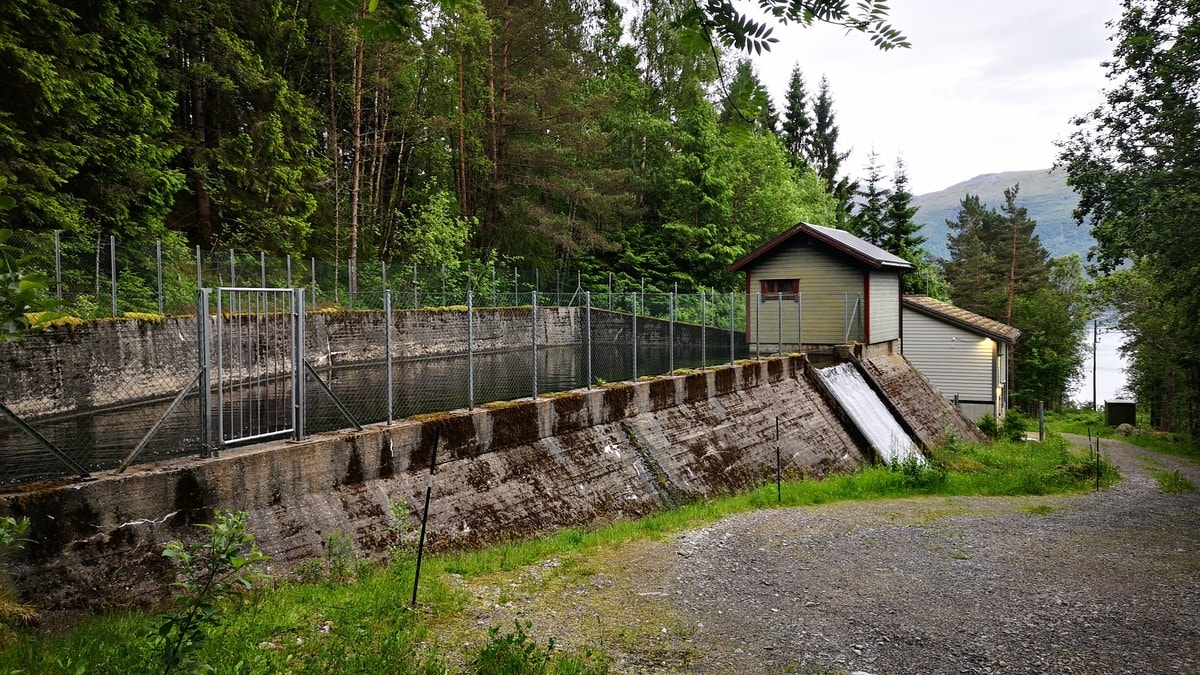
For høge verdiar av aluminium i 15 år – barn blir kalla inn til helsekontroll Analysar av drikkevatnet frå Kyrkjebø vassverk i Høyanger viser for høge verdiar av aluminium sidan 2011. Ordføraren legg seg flat, og seier alle korta skal på bordet.
nrk · about 2 hours ago
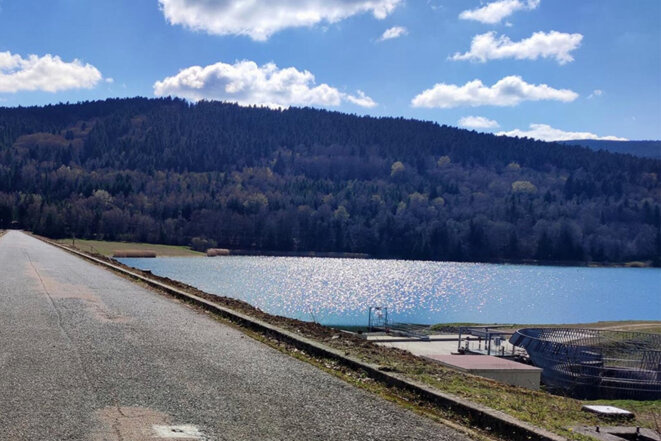
Aux Bois noirs, Orano veut ensevelir lhéritage radioactif de son activité minière À la fermeture de lancienne mine duranium, en 1980, près de 1,4 million de tonnes de déchets radioactifs ont été abandonnées sur le site, situé dans le département de la Loire. Lentreprise veut à présent poser une couverture solide qui suscite la défiance.
mediapart · about 2 hours ago
Dürre wird zur zentralen Naturgefahr in Österreich Normalerweise füllen Winterregen die Reserven auf. Doch die Verdunstung steigt, und ein Großteil des Wassers erreicht die tieferen Bodenschichten nicht mehr. Forschende der Wiener Boku fordern einen Dürremanagementplan
der standard · about 2 hours ago
„Înghețata pentru găini. Cum combat fermierii stresul termic la păsări Fermierii au găsit o soluția inedită pentru a-și răcori păsările în zilele caniculare. Este vorba despre fermierii germani care le oferă găinilor înghețată. Practic, nu este vorba despre o înghețată tradițională, ci de un amestec de legume în cuburi de gheață.
adevarul · about 2 hours ago
«Ο λαγοκέφαλος ήρθε για να μείνει»: Εξετάζεται επιδότηση για την αλίευσή του, στόχος τιμή υψηλότερη από τα 4,73 ευρώ το κιλό που ισχύει στην Κύπρο
protothema · about 2 hours ago
Γερμανική εφημερίδα προειδοποιεί για την επέλαση του λαγοκέφαλου στις ελληνικές παραλίες: «Μην υποτιμάτε τον κίνδυνο» Η Augsburger Allgemeine εστιάζει στους κινδύνους για λουόμενους, ψαράδες και θαλάσσια οικοσυστήματα, με επίκεντρο την Κρήτη
protothema · about 2 hours ago
Παπαθανάσης: Το κάθε στέλεχος της ΕΛΑΣ λέει τα δικά του, είναι στο DNA του Τσίπρα η αύξηση των φόρων «Αύξησαν 32 φόρους όταν διακυβέρνησαν τη χώρα», ανέφερε ο αναπληρωτής υπουργός Εθνικής Οικονομίας και Οικονομικών
protothema · about 2 hours ago
Ministerstvo životního prostředí vydalo všechna stanoviska pro stavbu přehrady Nové Heřminovy Ministerstvo životního prostředí už vydalo všechna environmentální stanoviska, která jsou potřebná pro budoucí stavbu vodního díla Nové Heřminovy. V pondělí to resort uvedl v tiskové zprávě zaslané ČTK. Stanovisek je celkem devět, ministerstvo nyní vydalo poslední dvě. Zahájení stavby je naplánované na podzim roku 2027.
irozhlas.cz · about 2 hours ago
Přehrada v Nových Heřminovech, která má chránit před povodněmi, už dostala všechna povolení Ministerstvo životního prostředí již vydalo všechna environmentální stanoviska, která jsou potřebná pro budoucí stavbu přehrady v Nových Heřminovech na Bruntálsku. Stanovisek je celkem devět, minister...
respekt · about 2 hours ago
Wegen Klimawandel – Die Störche sind zurück: Immer mehr Brutpaare im Bernbiet Beim Nationalen Pferdezentrum in Bern nisten doppelt so viele Störche wie 2025. Der Boom betrifft die ganze Schweiz.
srf.ch · about 2 hours ago
For høge verdiar av aluminium i drikkevatn i 15 år Høyanger kommune i Sogn kallar inn barn til undersøkingar, etter at det blei oppdaga for høge verdiar av aluminium i drikkevatnet frå Kyrkjebø vassverk. Kommunen har no gjennomgått vassprøvar tekne ved vassverket tilbake til 2004. Resultata viser at det har vore for høge verdiar av aluminium mellom 2011 og 2026, altså i 15 år, opplyser kommunen i ei pressemelding. Folkehelseinstituttet seier barn under tre år er dei mest sårbare for aluminiumsforgifting. Difor kallar kommunen alle barn mellom 0 og 3 år som har vore fastbuande på Kyrkjebø frå 2021 inn til helseundersøking.
nrk · about 2 hours ago
Venezia, proteste per larrivo del mega yacht dellambasciatore Usa Fertitta: Bloccherà tutta la riva VENEZIA – Venezia non si Usa. Il gioco di parole è abbastanza facile per i ragazzi del Laboratorio Occupato Morion, che denunciano larrivo in Laguna, con un mega yacht del valore di mezzo miliardo di dollari, dellambasciatore statunitense Tilman Fertitta. Il miliardario è intenzionato ad attraccare in Bacino di San Marco per godersi lo spettacolo […] Larticolo Venezia, proteste per larrivo del mega yacht dellambasciatore Usa Fertitta: Bloccherà tutta la riva proviene da Il Fatto Quotidiano.
il fatto quotidiano · about 2 hours ago
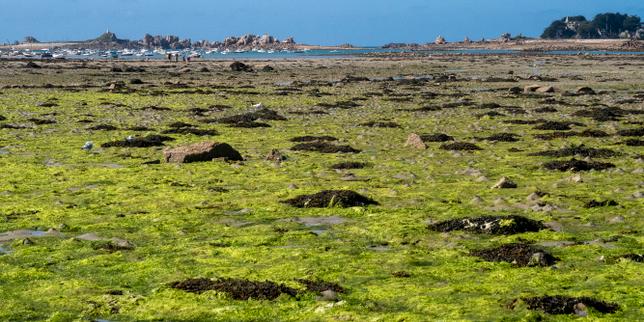
En Bretagne, les alternatives aux engrais de synthèse poussent discrètement Algues, membranes de coquilles dœuf, cacao… Des entreprises bretonnes misent sur des composants naturels pour remplacer les engrais chimiques, dont les prix senvolent. Un secteur en bouillonnement et sensible à la conjoncture internationale.
le monde · about 2 hours ago
NRK: For mye aluminium i drikkevannet – småbarn kalles inn til legesjekk Det er funnet utrygge nivåer av aluminium i drikkevannet i Høyanger kommune i prøver helt tilbake til 2011.
aftenposten · about 2 hours ago