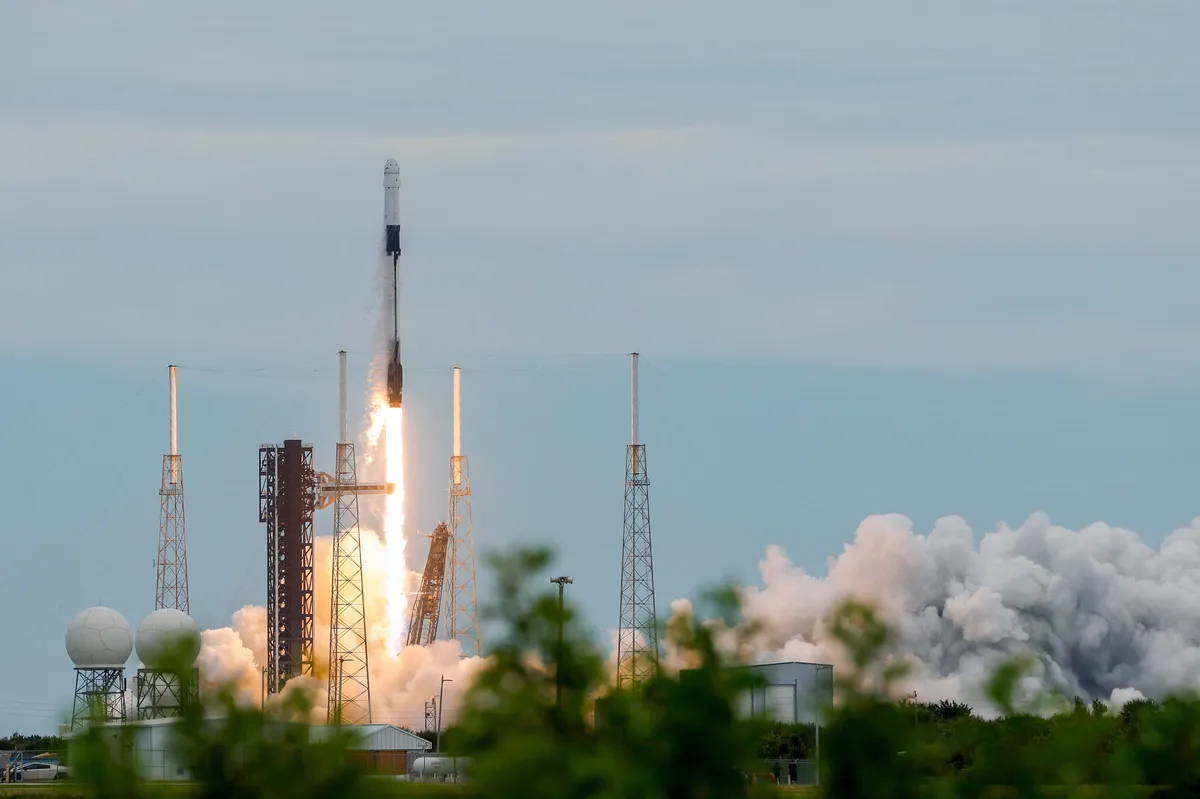
The US Federal Communications Commission (FCC) on Wednesday authorized SpaceX to deploy up to 1 million satellites to build orbital data centers for artificial intelligence (AI) computing. [1]
The authorization, the first of its kind from the agency, covers SpaceX's "Starmind" constellation and runs through 2040. [2] Under the terms, SpaceX must begin deployment no later than November 2033, have 10 percent of the satellites in orbit by November 2035, and 50 percent by November 2038. [3] The company has said it aims to launch its first Starmind satellite in the fourth quarter of 2027, with a ramp-up in 2028. [3]
The satellites will operate in low-Earth orbit at altitudes between 500 and 2,000 kilometers, communicating with SpaceX's existing Starlink internet network to relay data to Earth. [1] They will be equipped with AI chips and powered by solar energy, with SpaceX planning to use sun-synchronous orbits to capture sunlight continuously. [4] The company has struck a deal with Nvidia to supply its latest-generation Vera Rubin processors, specially designed to operate in space. [3]
SpaceX believes orbital data centers are the most cost and energy-efficient way to meet AI computing demand that is beyond "terrestrial capabilities." [1] Google is pursuing its own project under the codename Suncatcher, while Blue Origin has submitted an application for "Project Sunrise." [3] Several startups, including Starcloud, are also competing in the field. [3]
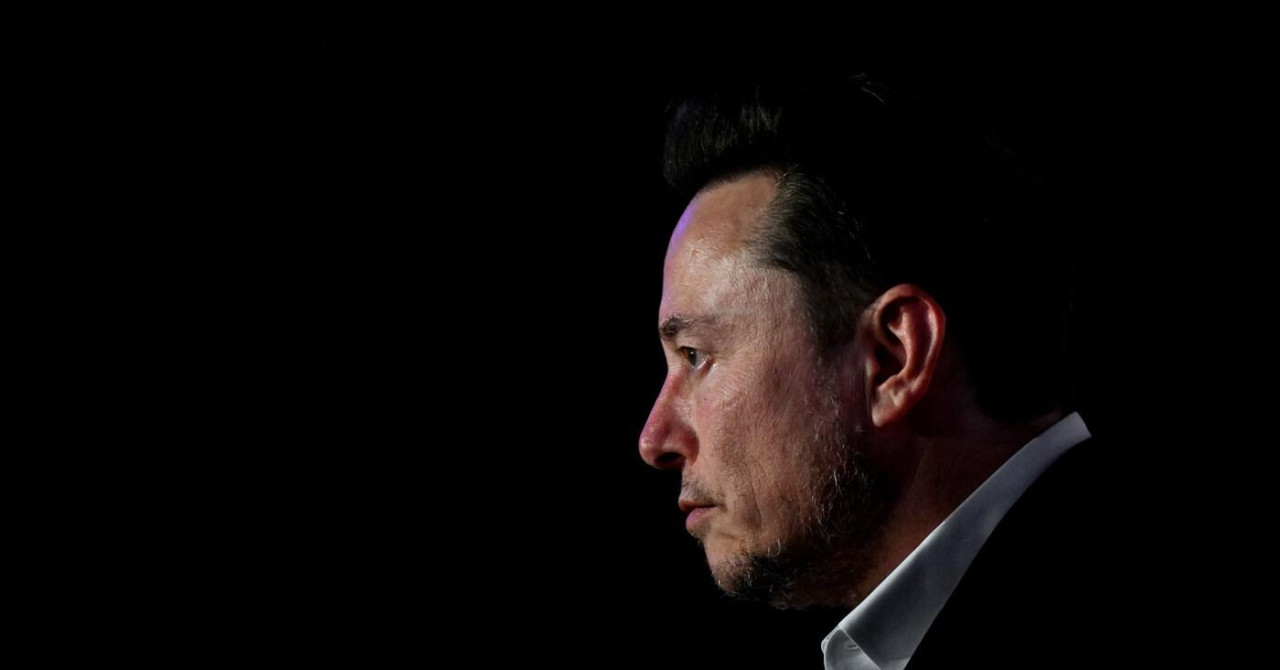
FCC Chairman Brendan Carr said the project "opens a bold new frontier for the computing infrastructure needed to power America's leadership and growth." [1] Elon Musk, SpaceX's owner, wrote on X: "Much appreciated. This will be a great asset to America and the world." [1]
Critics have raised concerns about the plan. The American Astronomical Society said it was "dismayed and appalled" by the decision, warning that larger, brighter satellites would disrupt astronomical research. [5] Astrophysicist Adam Becker called the idea of launching 1 million satellites a "fantasy," citing physical limitations on heat dissipation in the vacuum of space and risks of cascading collisions creating debris clouds. [5] Technical hurdles remain, including protecting processors from high radiation levels, withstanding extreme temperatures, and avoiding damage from space debris. [3] Currently, about 17,000 artificial satellites orbit Earth, 11,000 of them belonging to Starlink. [6]
The FCC dismissed some concerns raised by opponents, including potential threats to scientific research, determining they fell outside its regulatory authority. [7] SpaceX had requested an exception to allow Starmind satellites to be left in disposal orbits or sent into the sun rather than deorbited. [4] The FCC did not approve these alternative methods due to insufficient information, requiring a separate application if the company pursues them. [4]