Loading…
 Wednesday, July 29Wednesday, July 29
The U.S. Senate on Tuesday voted overwhelmingly to advance a bipartisan bill that would impose new sanctions on Russia and Iran, honoring the legacy of the late Senator Lindsey Graham. The vote, which took place just hours after Graham's funeral, was attended by Ukrainian President Volodymyr Zelensky, who expressed his gratitude for the support.
The bill, named the Lindsey O. Graham Sanctioning Russia and Iran Act of 2026, aims to cut off revenues from Moscow's war chest by targeting countries that buy Russian oil and gas. It would allow President Donald Trump to impose tariffs of up to 100% on the top five buyers of Russian oil and gas, as well as on the top five countries that facilitate Russian oil sanctions evasion. The initial proposal called for a 500% tariff, but it was scaled down to a maximum of 100%.
The legislation also includes sanctions on Russian officials, oligarchs, their family members, foreign persons, Russian banks and financial institutions, and the Russian shadow fleet. Additionally, it extends previously approved sanctions on Iran that were set to expire this year until 2031, restricting funding for Iran's energy and weapons sector.
The vote to advance the bill was 86-12, with strong bipartisan support. Senator Richard Blumenthal (D-Conn.) stated that the bill sends a strong message to Russian President Vladimir Putin that his days of war are numbered. "Ukraine's fight is our fight," Blumenthal said, echoing the sentiments of the late Senator Graham, who was a strong advocate for Ukraine.
Ukrainian President Volodymyr Zelensky, who was in Washington to attend Graham's funeral and meet with President Trump, watched the vote from the Senate chamber. After the vote, Zelensky thanked lawmakers for advancing the bill, calling it a big signal to Europe, Ukraine, and the Ukrainian people. "This bill is very important, sanctions against Russia are very important," Zelensky told the press. "It's not only about money that helps Russia wage its war, but it's also a big signal to Europe, Ukraine, and our people, so I'm very thankful."
The bill must still clear a series of additional procedural votes before passing in the Senate. After that, it will be considered by the House of Representatives, which is not in session again until September. Some Democrats have expressed concerns about the tariff provisions, arguing that they could lead to higher import costs for American families. However, the bill's backers believe that the tariffs are narrow enough to achieve their intended goal of reducing Russian energy revenue without negative consequences.
The legislation was originally introduced by Senator Graham last year and had garnered the support of most senators. However, it languished on Capitol Hill as President Trump repeatedly sought to negotiate an end to the four-year-long war in Ukraine. A day before his death on July 11, Graham announced that he had reached an agreement with the White House to move forward with the bill.
The vote to advance the bill was seen as a tribute to Graham's legacy and his commitment to supporting Ukraine. Senator Katie Britt (R-Ala.) said on the Senate floor ahead of the vote, "Today, many of us attended his service at the National Cathedral, and in typical Lindsey fashion, he somehow orchestrated a vote on Ukraine’s future."
The bill's passage in the Senate is expected to provide momentum for its passage in the House of Representatives, most likely in the autumn. However, some Democrats have indicated that they may oppose the bill due to concerns about the tariff provisions.
Follow us for live European news
5 further sources not geolocated

US Senate advances Russia sanctions as Zelensky visits
gdeltproject.org · about 2 hours ago

Putin, Russia put on notice as Senate takes crucial step to grind down the Kremlins war machine
news.yahoo.com · about 2 hours ago
Nella giornata bipartisan il Congresso Usa approva le nuove sanzioni a Putin Il Senato contro il Cremlino e i Paesi che comprano il petrolio russo per portare lo zar a negoziare. Ma lui replica: Non ci spezzerete
corriere · about 2 hours ago
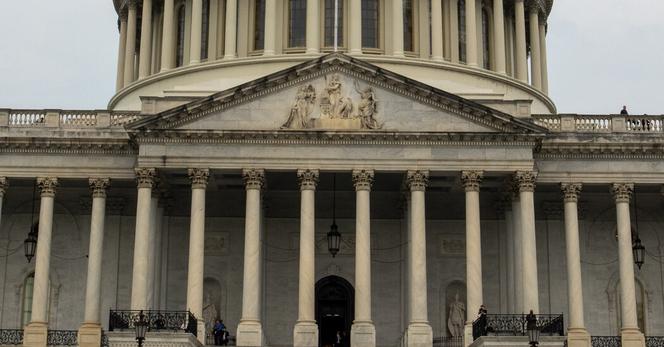
📰 Senate Advances Grahams Russia Sanctions Bill🔗 #RussianInvasion #RussianWar #Ukraine
mastodon bot · about 3 hours ago
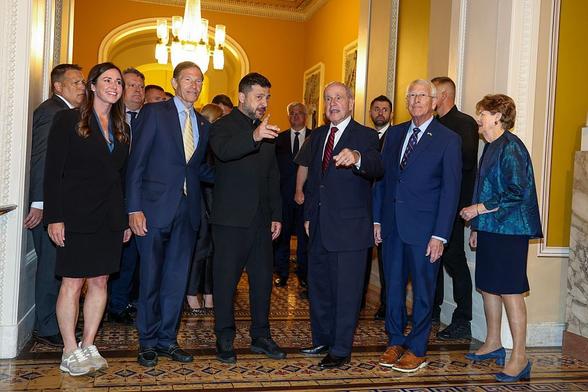
📰 US Senate votes to advance Russia sanctions bill in tribute to Lindsey Graham🔗 #RussianInvasion #RussianWar #Ukraine
mastodon bot · about 3 hours ago
US Senate Backs Landmark Russia Sanctions Bill After Zelenskyys Capitol Appeal
gdeltproject.org · about 3 hours ago
Import ban imposed on certain industrial goods from Russia and Belarus - The Baltic Times RIGA - On Thursday, during an extraordinary session, the Saeima adopted the amendments to the law prepared by the Foreign Ministry that would im......
baltic times · about 3 hours ago
USA senat võtab menetlusse ulatusliku Venemaa-sanktsioonide eelnõu USA senat toetas teisipäeval Venemaa energiatulusid sihikule võtva ulatuslike sanktsioonide eelnõu menetlemist.
postimees · about 3 hours ago
Senate advances Lindsey Grahams Russia sanctions bill shortly after his funeral
gdeltproject.org · about 4 hours ago

KYIV POST: US Senate Delivers Overwhelming 86–12 Bipartisan Backing for Russia Sanctions as Zelensky Watches The US Senate voted 86–12 to advance sweeping sanctions targeting Russias energy revenues, financial networks and shadow fleet, delivering a powerful bipartisan show of support for Ukraine as Zelensky watched from the chamber. #Ukraine #World #NorthAmerica
mastodon bot · about 4 hours ago
Bloomberg: EL kavandab Venemaa aitamise eest sanktsioone enam kui 1600 ettevõttele Euroopa Liit kavatseb kehtestada sanktsioonid enam kui 1600 ettevõttele, mis aitavad Venemaal pidada sõda Ukraina vastu; Bloombergi andmetel on tegemist suurima arvu juriidiliste isikutega, kes on ühe paketi raames sanktsioonide nimekirja kantud, vahendas teisipäeval Ukraina meedia.
postimees · about 4 hours ago
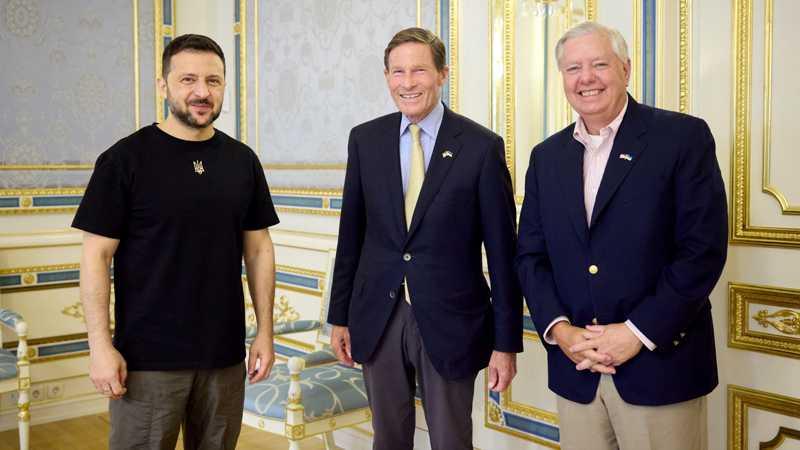
Senate sets up votes to sanction Russia for Ukraine warThe sanctions target Russian officials, oligarchs, their family members, foreign persons, Russian banks and financial institutions and the Russian shadow fleet. #News #Russian #Ukraine #Russia
mastodon bot · about 4 hours ago
Brusel odmieta ustúpiť v spore s manželkou Dmitrija Peskova, sankcie považuje za odôvodnené Európska únia potvrdila, že všetky individuálne sankcie, vrátane tých voči manželke hovorcu Kremľa, sú podľa nej opodstatnené a podložené.
aktuality.sk · about 5 hours ago
US-Senat für härtere Sanktionen gegen Moskau
orf.at · about 5 hours ago
Senatorii americani au convenit asupra unui proiect de lege privind noi sancţiuni împotriva Rusiei. Când va fi adoptat Senatorii americani au convenit marţi asupra unui proiect de lege menit să exercite o presiune sporită asupra Rusiei prin noi sancţiuni, iar amendamentele publicate recent prevăd ca actul normativ să poarte numele senatorului republican Lindsey Graham, care a susţinut iniţiativa înainte de decesul său.
digi24 · about 5 hours ago
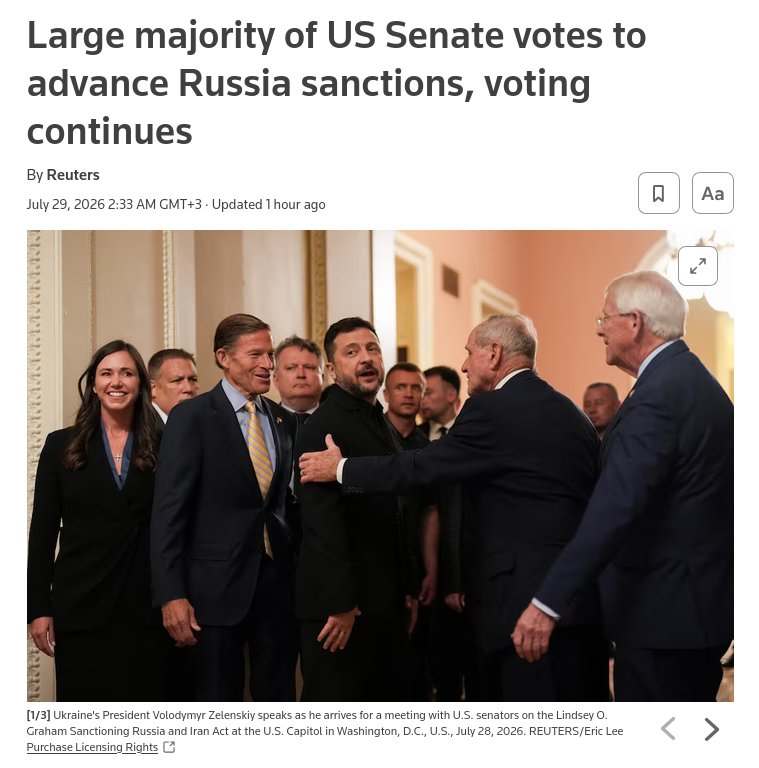
The U.S. Senate voted 72-5 to advance legislation imposing sanctions on Russian officials and tariffs on countries including China and India to reduce global dependence on Russian oil and gas. #Russia #US
mastodon bot · about 5 hours ago
Russia sanctions championed by Graham clear first Senate hurdle as Zelenskiy visits
gdeltproject.org · about 5 hours ago
Senators vote to advance Russia sanctions bill in Grahams name The procedural vote came just hours after the funeral of the bills main architect, Sen. Lindsey Graham.
politico.eu · about 5 hours ago
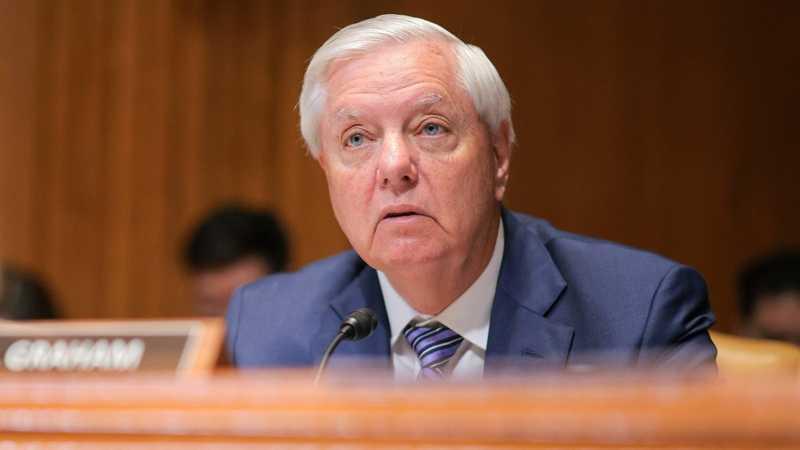
Senate overwhelmingly advances Russia sanctions bill named after Sen. Lindsey GrahamWith Ukrainian President Zelenskyy overlooking the floor, the Senate on Wednesday overwhelming advanced a Russia and Iran sanctions bill named in honor of Sen. Graham. #News #Russia #Senate #Ukraine
mastodon bot · about 5 hours ago
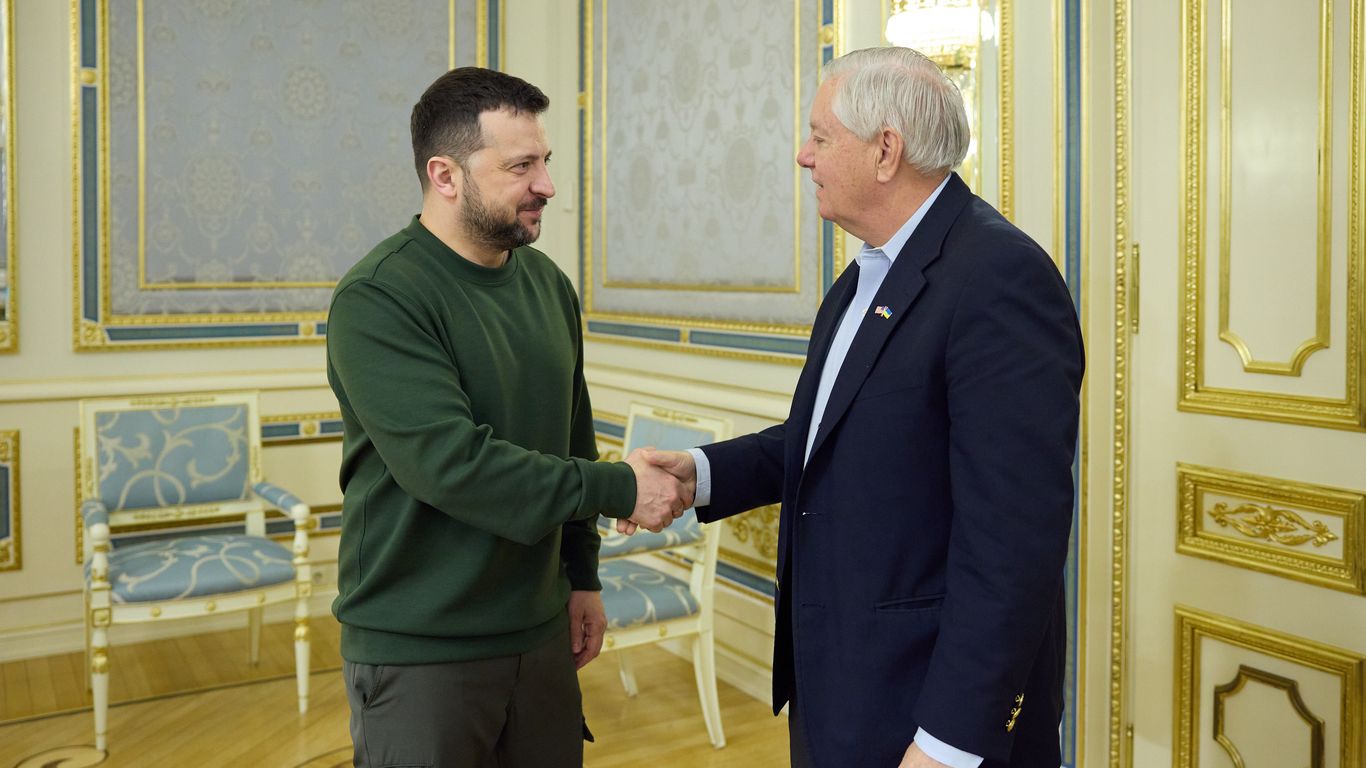
86 senators vote to move forward with Graham Russia sanctions bill In a massive show of bipartisanship, 86 senators voted to move forward with a Russia and Iran sanctions bill that had been championed by the late Sen. Lindsey Graham.Why it matters: The vote came hours after senators gathered to honor Grahams memory, and immediately following a closed-door meeting with Ukrainian President Volodymyr Zelenskyy. The vote was 86-12. Sen. Rand Paul (R-Ky.) was the only Republican to vote against it.It is a procedural vote, but leadership hopes that the strong bipartisan support will allow for an expedited path to final passage.The details: The bill had been led by Graham and Sen. Richard Blumenthal (D-Conn.) and reached more than 60 co-sponsors this month.The legislation would impose 100 secondary tariffs on countries that continue buying Russian oil and gas.The bill also targets Russias "shadow fleet" — the network of aging tankers used to evade Western sanctions while exporting Russian oil.It was also updated to renew sanctions on Iran set to expire after the end of the year.Between the lines: The sanctions package has long had wide bipartisan support, but concerns from the White House held it up for months.Graham had been the key negotiator with the White House, trying to adjust language to ensure President Trumps signature.After the senators unexpected death, Trump indicated they would work to get the package done.Zoom in: Some Democrats were hesitant to vote for the package, concerned about Trumps use of tariffs,Zelenskyy and Finnish President s Alexander Stubb gave compelling arguments for the need for the sanctions and tariffs package, arguing that Russia is in a losing position, sources tell Axios.Zelenskyy watched the vote from the Senate chamber.
axios · about 6 hours ago

Zelenskyy thanked U.S. senators for supporting Ukraine #shorts #UkraineZelenskyy thanked U.S. senator...
mastodon bot · about 6 hours ago

KYIV INDEPENDENT: US Senate advances Russia sanctions bill following death of Lindsey Graham "Its not only about money that help Russia wage its war, but its also a big signal to Europe, Ukraine, and our people, so Im very thankful," President Volodymyr Zelensky said. #Ukraine
mastodon bot · about 6 hours ago
Russland-Sanktionen: US-Senatoren einigen sich auf Gesetz
orf.at · about 6 hours ago

⚡️US Senate advances Russia sanctions bill following death of Lindsey Graham. "Its not only about money that help Russia wage its war, but its also a big signal to Europe, Ukraine, and our people, so Im very thankful," President Volodymyr Zelensky said.
bluesky_Kyiv Independent · about 6 hours ago
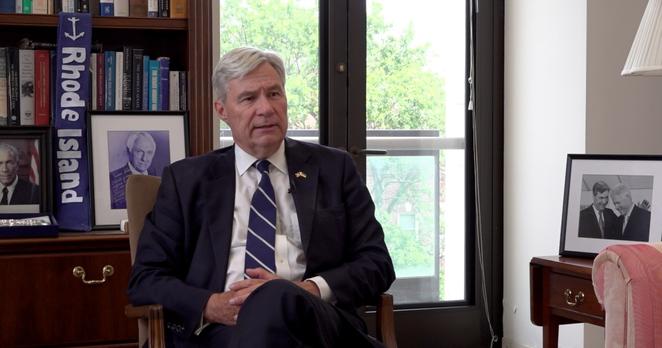
📰 US Senator: Russia Sanctions Bill Shows Bipartisan Coalition Of Support For Ukraine🔗 #RussianInvasion #RussianWar #Ukraine
mastodon bot · about 7 hours ago
Senatorii americani au convenit adoptarea de noi sancţiuni contra Rusiei. Proiectul de lege va purta numele răposatului Lindsey Graham Senatorii americani au convenit marţi asupra unui proiect de lege menit să exercite o presiune sporită asupra Rusiei prin noi sancţiuni, iar amendamentele publicate recent prevăd ca actul normativ să poarte numele regretatului senator republican Lindsey Graham, care a susţinut iniţiativa înainte de decesul său, informează agențiile de presă DPA și Agerpres. În urma acestui …
hotnews.ro · about 7 hours ago
Druck auf Moskau: US-Senatoren einig auf Gesetz zu mehr Russland-Sanktionen Bis zu seinem Tod trieb US-Senator Lindsey Graham ein Gesetz voran, das Moskau mit Sanktionen stärker unter Druck setzen soll. Nun könnte es in einem ersten Schritt den Senat passieren.
tagesspiegel · about 7 hours ago
Lovitură pentru Moscova: SUA pregătesc măsuri dure împotriva celor care cumpără energie din Rusia Un grup de senatori americani, atât republicani, cât și democrați, a anunțat marți că a ajuns la un acord privind un proiect de lege mult așteptat, care îi va permite președintelui Trump să impună noi restricții împotriva principalilor cumpărători de energie din Rusia.
adevarul · about 7 hours ago
Сенаторы США согласовали поддержку законопроекта о 100-ных пошлинах для покупателей российской нефти Сенаторы от Республиканской и Демократической партии достигли межпартийного соглашения по законопроекту о новых санкциях против России, соавтором которого выступал покойный Линдси Грэм, пишет Bloomberg.
meduza · about 7 hours ago
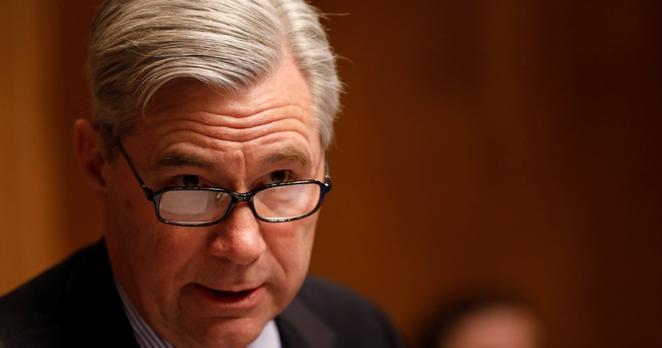
📰 Russia-Iran Sanctions Bill Signals Congress United Behind Ukraine, Senator Whitehouse Tells RFE/RL🔗 #RussianInvasion #RussianWar #Ukraine
mastodon bot · about 7 hours ago