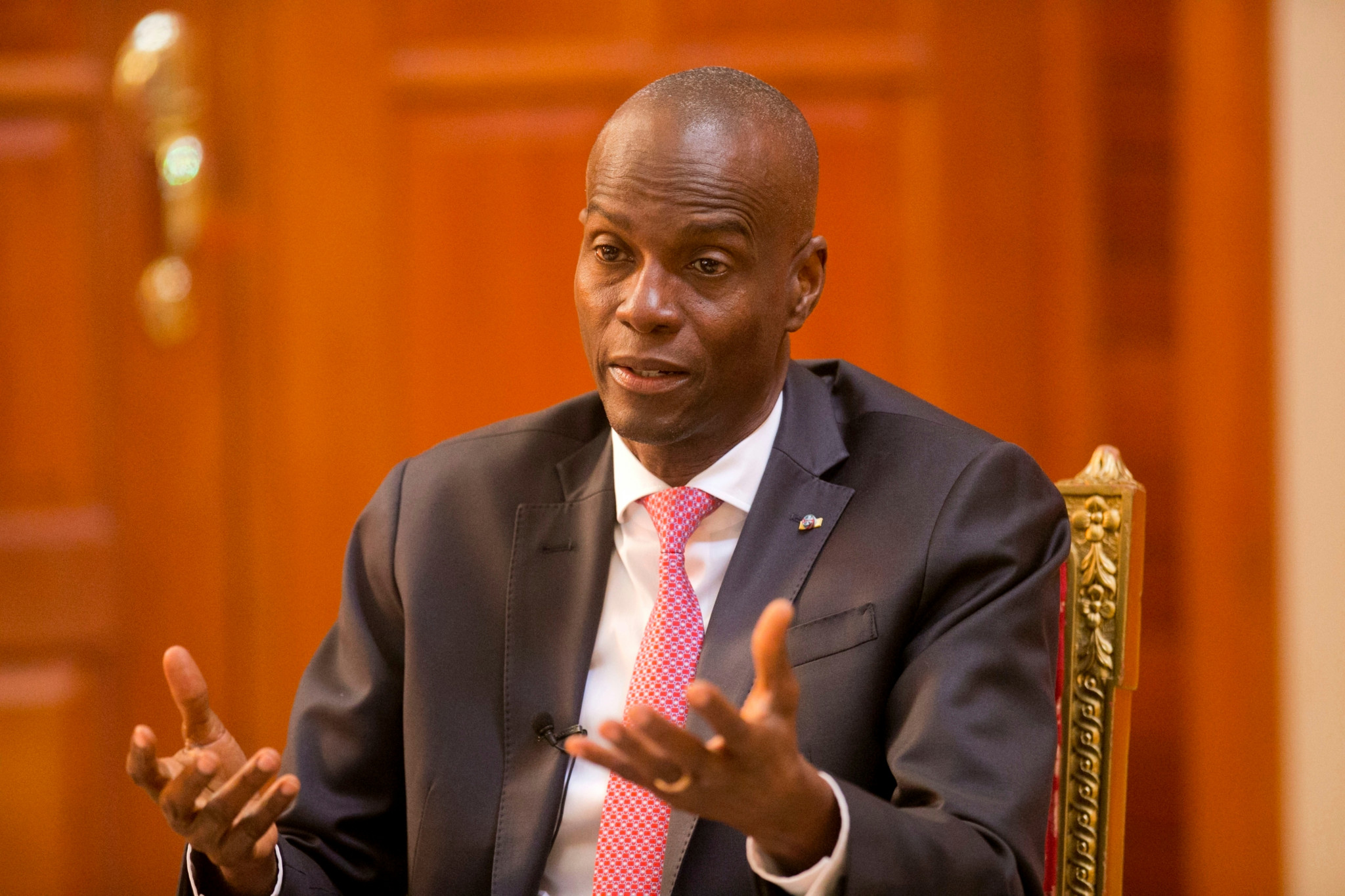
A federal court in Miami convicted a 68-year-old US-Haitian pastor on Wednesday on all charges related to the 2021 assassination of Haitian President Jovenel Moïse.
Christian Emmanuel Sanon, a Florida pastor with dual Haitian-American citizenship, was found guilty on all eight counts after a nearly eight-week trial. The charges included conspiring to kill Moïse, who was shot dead in his home on July 7, 2021. Sanon faces up to life in prison and is set to be sentenced on February 10.
Prosecutors said the scheme involved paying about two dozen foreign mercenaries. The money came from US government programmes meant to help businesses during the COVID-19 pandemic. They said South Florida was a hub for planning and financing the plot to oust Moïse and install a replacement president. Sanon was initially supposed to take that post himself.
Sanon denied any knowledge of plans to kill the president. He acknowledged communicating with people trying to replace Moïse but said the group had moved on to another candidate long before the assassination. Police arrested him in Port-au-Prince days after the killing. Officers searching his residence found eight vehicle registration plates, 19 passports, 12 mobile phones, 30 boxes of ammunition and 12 pistol holsters.
Moïse's widow, Martine Moïse, was a key witness. She was flown to Florida for treatment for bullet wounds from the attack. She has registered as a presidential candidate for Haiti's 2027 general election. US prosecutors have charged more than 40 people with crimes related to the assassination. 12 have been convicted, including five serving life sentences.
Seven more people have been charged for facilitating the funding and helping suspects evade justice. They include gang leader Vitel'homme Innocent, who has yet to be arrested. A new list of indictments released in September included four people whose names were redacted. Those still to face trial include Joseph Felix Badio, a former anti-corruption official whom other suspects' defence lawyers have accused of masterminding the operation, and 17 Colombian former soldiers flown in from Haiti in September.
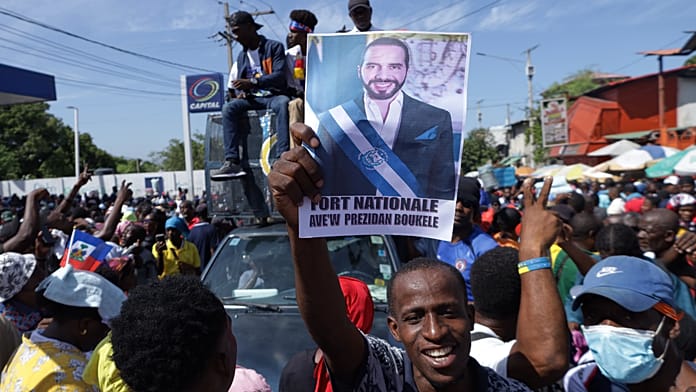
Haiti has had no president since authorities said a squad of mostly retired Colombian soldiers impersonating US Drug Enforcement Administration agents killed Moïse in a night-time raid on his home outside Port-au-Prince. A series of transitional governments followed as armed gangs seized control of much of the capital and surrounding regions. The United Nations Human Rights Office documented 4,595 people killed in armed violence between January 1 and October 31 this year. According to the UN, nearly 1.5 million people have fled their homes.