
Earth Overshoot Day arrives July 30 as humanity consumes 1.73 Earths' worth of resources annually

Story Timeline
4 hours · 3 summary articles
Earth Overshoot Day arrives July 30 as humanity consumes 1.73 Earths' worth of resources annually
Earth Overshoot Day arrives July 30 as humanity consumes resources 73% faster than Earth can regenerate
ContinuationEarth Overshoot Day arrives July 30 as humanity consumes resources 73% faster than Earth can regenerate
Humanity has exhausted the Earth's annual budget of renewable resources as of July 30, 2026, marking Earth Overshoot Day. According to the Global Footprint Network, which calculates the date, humanity is consuming resources 73% faster than the planet can regenerate, equivalent to using 1.73 Earths to sustain current consumption levels.
This year's Earth Overshoot Day falls six days later than in 2025, but experts caution that this shift is due to updated data and methodology rather than a reduction in consumption. "Dass der Erdüberlastungstag dieses Jahr sechs Tage später liegt als 2025, darf nicht darüber hinwegtäuschen, dass wir weiterhin deutlich über die ökologischen Grenzen unseres Planeten hinaus wirtschaften," explained Björn Schulz, an expert for circular economy at WWF Germany.
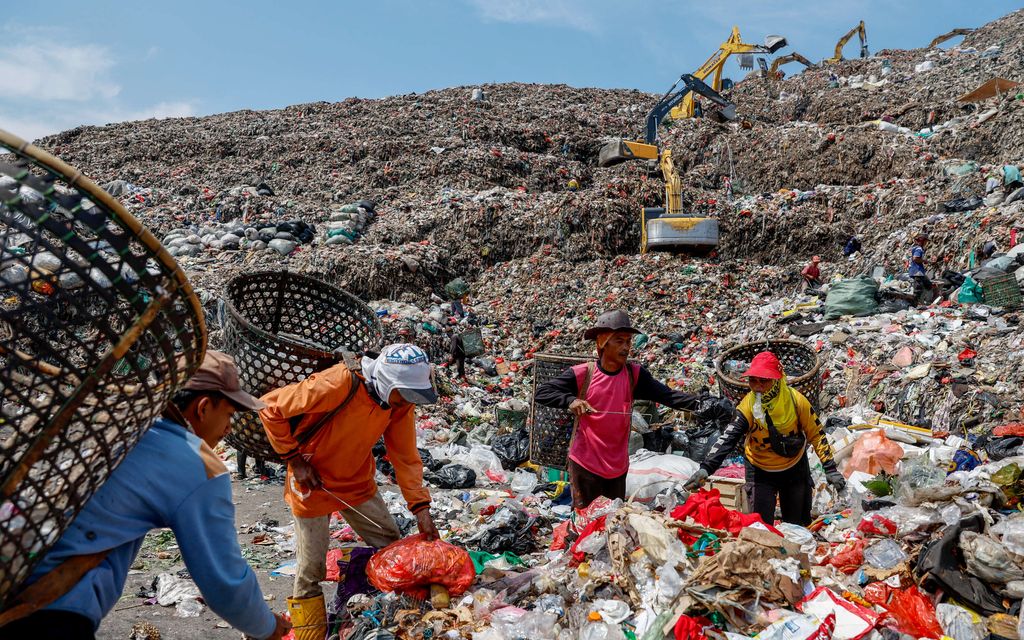
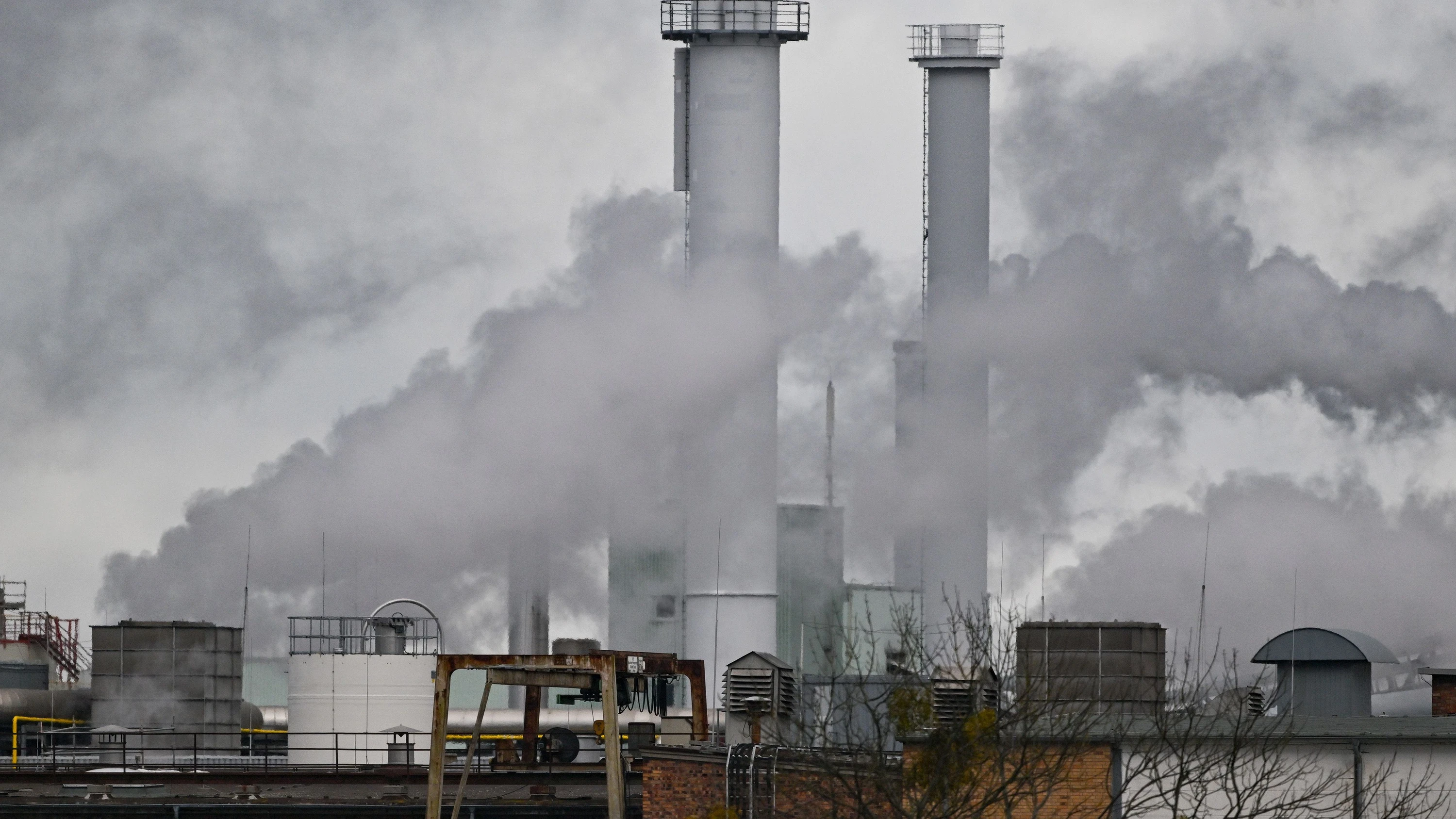
The consequences of excessive resource consumption are visible in deforestation, soil degradation, biodiversity loss, and increased greenhouse gas concentrations, which intensify the climate crisis and threaten food and resource security, according to the WWF.
Countries have varying overshoot days, with Qatar reaching its limit as early as February 4, while Belgium's overshoot day was on April 11. If the entire world lived like Belgium, we would need 3.6 Earths, according to the WWF. Germany had already consumed its share of natural resources by May 10, and the United States by March 14.
Experts emphasize the need for systemic changes in production, consumption, and resource management to delay Earth Overshoot Day. Solutions include reducing greenhouse gas emissions, promoting sustainable food production, improving energy efficiency, and adopting circular economy practices.
The Global Footprint Network calculates Earth Overshoot Day by analyzing the demand for resources such as food, wood, and CO2 absorption against the Earth's capacity to regenerate these resources and absorb waste.
"Wir haben nur diese eine Erde, die uns Menschen versorgt, mit lebensnotwendigen Grundlagen: mit frischem Wasser, erholsamer Natur, mit Ackerland und auch mit kostbaren Rohstoffen, die wir für unsere Wirtschaft brauchen," said German Environment Minister Carsten Schneider.
The World Wildlife Fund (WWF) has called for urgent action to reduce resource consumption and adopt more sustainable practices. "Würden alle Menschen so ressourcenhungrig leben wie wir in Deutschland, bräuchten wir zweieinhalb Erden," said Barbara Metz, Federal Managing Director of the WWF.
Follow us for live European news
- 2
- 2
- 2
- 1
- 1
- 1
- 1
- 1
- 1
1 further source not geolocated
Articles

Ce 30 juillet, lhumanité a déjà utilisé les ressources que la Terre peut générer en un an Ce 30 juillet, lhumanité a déjà épuisé toutes les ressources écologiques et tous les services écosystémiques que la Terre est capable de fournir de manière durable en un an, estime jeudi le Fonds mondial pour la nature (WWF-Belgique). ...
la libre · about 2 hours ago

Erdüberlastungstag: Menschheit lebt ab diesen Donnerstag über ihre Verhältnisse Mehr als 1,7 Erden wären nötig, um den Bedarf der Menschen zu decken. Mit welchen Maßnahmen ließe sich der Erdüberlastungstag verschieben? Touri-Flugreisen sind nur ein kleiner Hebel.
tagesspiegel · about 2 hours ago
Tänään se tapahtui: Ihmiskunta ylitti kriittisen rajan
iltalehti · about 2 hours ago
Erdüberlastungstag: Schneider: „Ab heute leben wir auf Pump Ab dem heutigen Dienstag hat die Menschheit so viele natürliche Ressourcen aufgebraucht, wie der Planet erneuern kann. Dass das Datum sechs Tage später liegt als 2025, liegt nicht an einer nachhaltigeren Lebensweise.
faz · about 2 hours ago
Earth Overshoot Day 2026: già finite le risorse della Terra e la politica rimuove la realtà In Toscana cè un detto che dice: i discorsi li porta via il vento per dire che dietro il fumo delle parole rimangono i fatti…anzi i dati. I dati, inesorabilmente affermano che ad oggi 30 luglio 2026 a livello planetario gli esseri umani hanno esaurito le risorse che i cicli naturali hanno generato in un […] Larticolo Earth Overshoot Day 2026: già finite le risorse della Terra e la politica rimuove la realtà proviene da Il Fatto Quotidiano.
il fatto quotidiano · about 2 hours ago
Secretul recoltelor bogate din Arad: nămolul din apele uzate, transformat în îngrășământ și profit pentru agricultori Nimic nu se pierde, totul se transformă - așa ar putea fi definit proiectul prin care stația de epurare din Arad transformă reziduurile în îngrășământ natural. Mii de tone de nămol rezultat din epurarea apelor uzate se întorc în natură, sub formă de îngrășământ pentru agricultură. „Producția este mai bună ca în alți ani, spun mulțumiți fermierii.
digi24 · about 2 hours ago

Bioeconomy has many meanings and plenty of potential in all its forms Organic waste can create clean energy, green fertilisers, harm-free plastics and even food
irish times · about 2 hours ago
Dia da Sobrecarga da Terra: humanidade já gastou tudo o que o planeta tinha para dar este ano A partir de amanhã, a humanidade vive a crédito: consome recursos que só deveriam estar disponíveis em 2027. O défice acumulado equivale a mais de 20 anos da regeneração total do planeta.
publico · about 2 hours ago
Podemos recolher areia e conchas da praia? Ou é prejudical ao ambiente? Apanhar uma concha ou um saco de areia parece um gesto pequeno. Para os ecólogos, o problema está na escala e em como isso molda a nossa relação com a natureza.
publico · about 2 hours ago

Mundo entra em dívida ecológica esta quinta-feira A Global Footprint Network realça que a dívida ecológica acumulada é já de 20,6 anos de sobrecarga
observador · about 3 hours ago

Stikstofkwestie mag geen overslaande plaat worden
trouw · about 3 hours ago
Nu är jordens resurser slut för i år Earth overshoot day är här
expressen · about 3 hours ago
Ziua în care Pământul și-a terminat resursele pe care le poate genera în acest an. De azi, omenirea intră pe „datorie ecologică (WWF) Omenirea intră în perioada de „datorie ecologică începând de azi, joi, 30 iulie, după ce va epuiza bugetul anual de resurse regenerabile al planetei noastre, a anunțat organizaţia WWF-Adria. Potrivit ONG-ului, capitalul natural este consumat mai repede decât îl poate reface natura.
digi24 · about 3 hours ago
Luonnonvarat | Maailman ylikulutuspäivä on tänään Ylikulutus on suurempaa kuin koskaan.
helsingin sanomat · about 3 hours ago
Who gets to define overcapacity? - Peoples Daily Online
gdeltproject.org · about 3 hours ago