Loading…
 Saturday, August 29Saturday, August 29
2 months · 3 summary articles
Hamas dissolves Gaza governance bodies in bid to revive US-backed ceasefire plan
Hamas dissolves Gaza government as Khameneis funeral procession reaches Qom
Hamas dissolves Gaza governing body to hand control to technocratic committee
Hamas dissolves Gaza governing body, paving way for technocratic administration
Hamas announced on Monday the dissolution of its civilian governing body in the Gaza Strip, a move that clears the way for a technocratic committee to assume administrative control of the war-ravaged territory. The decision, confirmed by Hamas spokesman Hazem Qassem, marks the end of nearly two decades of Hamas-led governance in Gaza and follows a ceasefire agreement brokered by former US President Donald Trump in October 2025.
The Hamas-run Emergency Committee, which has overseen Gaza’s ministries since the group seized control from rival Fatah in 2007, will be dissolved and its acting head, Mohammed al-Farra, has submitted his resignation. The committee’s dissolution is intended to facilitate the transfer of power to the National Committee for the Administration of Gaza (NCAG), a technocratic body created under the US-brokered ceasefire plan. The NCAG, led by Palestinian technocrat Ali Shaath, has been based outside Gaza for months due to Israeli objections to its entry into the territory.
Hamas framed the move as a strategic step to remove “any pretexts for the occupation” and accelerate the implementation of the ceasefire agreement. “We hope for the swift entry of the National Committee for the Administration of Gaza, and Hamas affirms its readiness to hand over governmental responsibilities to the committee to ensure its success,” Qassem told AFP. The group has already informed other Palestinian factions of its decision, with factions in Cairo reportedly welcoming the move as a “serious step” toward enabling the NCAG to take up its governing role.
However, the dissolution of Hamas’s civilian administration does not address the group’s military structures, a key demand of Israel in the ceasefire negotiations. Hamas has repeatedly stated its willingness to hand over governance but has refused to disarm without guarantees, including the involvement of a Palestinian or international actor in the process. “The decision does not affect the military wing,” a Hamas official told AFP, underscoring that the group remains committed to its armed resistance.
The announcement comes amid ongoing Israeli military operations in Gaza, where daily strikes have continued despite the October 2025 ceasefire. According to Palestinian health officials, Israeli attacks in Gaza City and Khan Younis on Monday killed at least six people and wounded more than 20. The NCAG’s ability to assume control remains contingent on Israel’s approval of its entry into Gaza, a condition that has stalled the committee’s deployment since its formation in January 2026.
Israeli Prime Minister Benjamin Netanyahu has framed the ceasefire’s implementation as conditional on Hamas’s disarmament, a stance that has drawn criticism from Palestinian analysts. “Netanyahu is using this situation for his political interests,” said Samer Sinijlawi, a former Fatah politician and activist who attended recent meetings in Cairo. Sinijlawi noted that Israel controls approximately 70% of Gaza, with only 30% under Hamas’s control, and has restricted access to the territory for journalists and the NCAG.
The dissolution of Hamas’s governing body follows months of negotiations in Cairo, where mediators have sought to bridge gaps between Hamas’s demands for security guarantees and Israel’s insistence on disarmament. The US-brokered plan, which includes 20 points for Gaza’s transition, remains stalled as both sides fail to reach a compromise on the group’s armed wing. Meanwhile, the humanitarian crisis in Gaza deepens, with 90% of homes destroyed and critical infrastructure—including water, sanitation, and healthcare—collapsed.
As the NCAG awaits entry into Gaza, Hamas has pledged to keep technical and professional staff in their positions to prevent an administrative vacuum. The group’s decision to dissolve its civilian government is widely seen as a tactical maneuver to pressure Israel and international actors into advancing the peace plan, but the absence of a resolution on disarmament leaves the territory’s future uncertain.
Follow us for live European news
5 further sources not geolocated

Four people killed in an Israeli strike in Nabatieh in southern Lebanon reut.rs/4pabt0i
bluesky_Reuters · about 2 months ago

🇱🇧🤝🇮🇱🤝🇺🇸– The agreement signed in Washington between Israel, Lebanon, and the United States is composed by the following 14 points: 1. Cessation of Hostilities: Both parties agree to an immediate and permanent halt to all offensive and defensive military operations across the border. 2. Enforcement of Lebanese Sovereignty: The Lebanese Armed Forces (LAF) are designated as the sole legitimate security entity authorized to operate in southern Lebanon. 3. Border Demilitarization: All non-state armed groups must cease operations and withdraw their weaponry from the zone south of the Litani River. 4. International Monitoring Mechanism: A specialized international committee will be established to oversee compliance and report violations by either side. 5. Security Buffer Zone: A defined buffer zone along the Blue Line will be maintained, restricted to official national security forces to prevent direct contact. 6. Return of Civilians: Both nations commit to creating the necessary security conditions to allow displaced civilians to safely return to their homes on both sides of the border but only after non-state actors are disarmed 7. Prevention of Illegal Weapons: Enhanced efforts will be implemented to prevent the smuggling of illicit weapons into southern Lebanon. 8. Infrastructure and Reconstruction: The agreement facilitates international support for the reconstruction of damaged infrastructure in affected border villages. 9. Diplomatic Resolution of Disputes: The parties commit to ongoing diplomatic negotiations to resolve long-standing territorial and border demarcations. 10. Intelligence Sharing: A channel for communication will be established between the respective militaries to prevent accidental escalations. 11. Freedom of Navigation and Overflight: The agreement addresses the regulation of border-adjacent airspace and maritime access to prevent aerial or nautical provocations. 12. Economic Cooperation: The framework encourages initiatives aimed at local economic development to foster long-term stability in the border region. 13. Oversight of Compliance: The United States will play a central role in mediation and verifying the implementation of these security measures. 14. Legal Framework for Enforcement: Both parties agree to codify these points within their respective legal systems to ensure long-term commitment to the agreement. @GeoPWatch
telegram_GeoPWatch · about 2 months ago
Generation Jihad | Hezbollahs moment of truth A new 14-point trilateral framework toward ending hostilities in Lebanon puts Hezbollah, Irans strongest terror proxy, at a crossroads. Disarm and let Lebanon reclaim its southern border—or keep threatening Israel and risk blowing up the fragile US-Iran peace deal. FDD Senior Fellow David Daoud joins Bill Roggio to break down whats really at stake in these negotiations. The post Generation Jihad | Hezbollahs moment of truth appeared first on FDDs Long War Journal.
long war journal · about 2 months ago
Hamas dissolves Gaza government, presses for progress on stalled peace plan Hamas said on Monday it had dissolved its de facto government in Gaza and signalled it was ready to hand over to a group of Palestinian technocrats, as it presses Israel to honour other parts of a stalled U.S.-backed peace plan. The groups promise to end the body overseeing ministries — which has run for […]
cyprus mail · about 2 months ago
Hamas upplöser sitt styre i Gaza Efter nästan två decennier upplöser Hamas sitt regeringsorgan i Gaza. En nationell teknokratisk kommitté föreslås ta över. Men det är oklart vilken roll Hamas kommer att spela i ett framtida Gaza.
svenska dagbladet · about 2 months ago
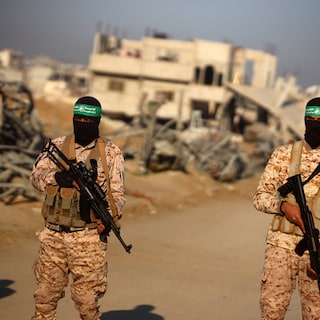
Hamas ontbindt eigen civiele regering in Gaza
de volkskrant · about 2 months ago
Israeli attacks on Gaza kill at least 6 as ceasefire violations continue Israeli attacks on Gaza City and Khan Younis also wounded more than 20 people, medical sources say.
aljazeera · about 2 months ago
Baby dies after Israeli troops block emergency journey to hospital A baby died after his familys attempt to reach hospital was blocked by Israel at a checkpoint in the occupied West Bank
aljazeera · about 2 months ago
Israels Smotrich declares revolution in West Bank settlement expansion Smotrich declares a settlement revolution as Israel approves 13 new outposts during big increase in settler violence.
aljazeera · about 2 months ago
Hamas announces dissolution of Gaza governing body, paves way for technocratic committee The move marks a significant political shift by Hamas, which has run Gaza since its fighters seized control from rival Palestinian movement Fatah in 2007.
euronews · about 2 months ago

⚡ NEWSBaby dies after Israeli troops block emergency journey to hospitalA baby died in the occupied West Bank after his familys attempt to reach a hospital was blocked by Israeli troops at a checkpoint. The incident highlights ongoing restrictions on movement and access to medical care for Palestinians in the region.📰 #Geopolitics #GeoWire
mastodon bot · about 2 months ago
#NEW ⚡️🇵🇸🇵🇸 - Circulating reports, originating from an Emirati news outlet, of Hamas announcing the "dissolving of governance over the Gaza strip" is false and misleading. Instead, Hamas has announced the complete renovation of its Emergency Committee into a interim committee, to be led by Abdul Hadi al-Agha the former Deputy Minister of Endowments and Religious Affairs in Gaza, as per the ceasefire deal agreed upon in Cairo. 📝 The now former head of the committee, Muhammad Abd al-Khaliq AlFarra in a statement today: I submit my resignation from my position as Acting Head of the Government Work Follow-up Committee and as Head of the Governmental Emergency Committee. Those who will remain in their government positions are only employees at the service, professional, and technical levels. They will remain at their posts in order to serve our people and to prevent an administrative vacuum and a breakdown in security, in accordance with the Road Map and the agreements reached by the Palestinian factions in Cairo. Accordingly, the remaining governmental body will operate under the name Temporary Authority for Government Services, subject to the applicable Palestinian laws and regulations.
telegram_GeoPWatch · about 2 months ago
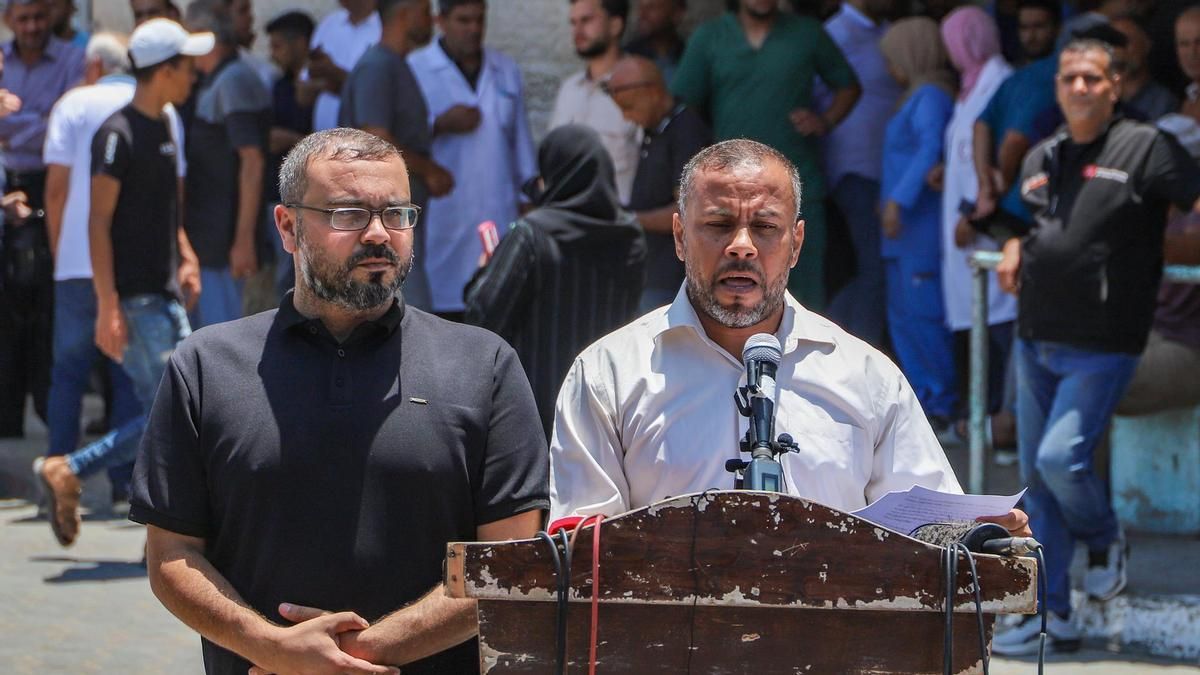
Hamás anuncia la disolución de su Gobierno y entrega la gestión de Gaza al comité tecnócrata que Israel veta El grupo islamista cede la gestión al Comité Nacional para la Administración de Gaza (NCAG), un órgano creado por el plan de Donald Trump para Gaza, pero al que las autoridades israelíes no permiten la entrada a la Franja desde su formación a principios de año El grupo islamista Hamás ha dado este lunes un paso importante en la transición de poder en Gaza, de acuerdo con la hoja de ruta fijada por la Administración estadounidense en octubre de 2025, pero este movimiento será meramente simbólico si Israel sigue sin aplicar los 20 puntos del plan de Donald Trump, con el cual se cerró en falso la guerra en la Franja hace ocho meses —después de dos años y más de 70.000 asesinados por el ejército israelí—. Hamás ha anunciado hoy en un comunicado la disolución del llamado Gobierno de emergencia, que ha estado al frente de Gaza durante los más de dos años y medio de genocidio israelí, y la dimisión de su jefe, Muhammad Abdul Jaliq Al Farra, así como la entrega de la gestión de la administración gazatí al Comité Nacional para la Administración de Gaza (NCAG, por sus siglas en inglés). Ese órgano fue creado el pasado enero, en el comienzo de la segunda fase del plan de Trump, que no ha progresado entre la negativa del grupo islamista a desarmarse sin garantías de los mediadores y la negativa de Israel a llegar a cualquier compromiso. Israel sigue atacando a diario la Franja y desde el pasado octubre ha matado a 1.072 palestinos. Además, ha extendido su ocupación del enclave costero, de poco más del 50 a más del 60, y planea tomar el 70 del territorio, tal y como dijo el primer ministro Benjamín Netanyahu. Su Gobierno ha vetado el acceso a Gaza al NCAG, integrado por tecnócratas palestinos procedentes de la Cisjordania ocupada y de la propia Franja y encabezado por Ali Abdel Hamid Shaath, ex alto cargo de la Autoridad Palestina. Shaath ha dicho en su cuenta oficial de X que el comité que lidera está plenamente preparado para asumir sus responsabilidades nacionales tan pronto como se den las condiciones y medidas necesarias para su funcionamiento. Con la disolución de lo que quedaba de su Gobierno y la entrega de la administración de la Franja, Hamás parece querer presionar para que la hoja de ruta avance y para que Israel acepte al NCAG, que ha estado estancado en Egipto a la espera que poder operar en Gaza. En su comunicado ha afirmado que, en los pasados meses, los órganos de gobierno de la Franja de Gaza han adoptado una serie de medidas prácticas, declarando reiteradamente y de forma inequívoca su total disposición a entregar las riendas del gobierno al Comité Nacional para la Administración de Gaza. Con el paso de hoy, el grupo ha asegurado que no sólo reitera su posición firme e inquebrantable, sino que la traslada en acciones concretas sobre el terreno. Una fuente de Hamás ha dicho al periódico israelí Haaretz que los islamistas están convencidos de que Netanyahu no quiere seguir adelante con el plan de Trump, pero el grupo va a intentar presentar una iniciativa que parece más flexible a los mediadores y al Alto Representante Nickolay Mladenov, a quien los estadounidenses le asignaron el rol de enlace sobre el terreno entre la Junta de Paz de Trump y el NCAG. Hamás ha pedido este lunes a todas las partes que agilicen la entrada inmediata del Comité Nacional para la Administración de Gaza y le permitan asumir sus funciones y responsabilidades nacionales y administrativas. Además, ha informado en el comunicado que el personal técnico y profesional permanecerá en sus puestos de la administración gazatí para garantizar la continuidad de los servicios al pueblo palestino y evitar cualquier vacío administrativo o técnico. Esto es, no seguirá en su cargo ningún político o funcionario afiliado a Hamás como partido. Sin embargo, el texto no hace referencia al brazo militar del grupo islamista, cuyo desarme total exige Israel y que está previsto en el plan de EEUU para la transición en Gaza. Hamás ha estado negociando con los mediadores en El Cairo un mecanismo aceptable para entregar las armas: se niega a hacerlo directamente a las fuerzas israelíes, pero sí estaría dispuesto a entregarlas a un actor palestino o un representante elegido en esas negociaciones que se han prolongado en los últimos meses en la capital egipcia. El plan de Trump establecía que Hamás y otras facciones no desempeñarían ningún papel en el gobierno de Gaza, ni directa ni indirectamente, ni de ninguna otra forma. Además, toda la infraestructura militar, terrorista y ofensiva, incluidos los túneles y las instalaciones de producción de armas, será destruida y no se reconstruirá. Y más importante: Se llevará a cabo un proceso de desmilitarización de Gaza bajo la supervisión de observadores independientes.
eldiario.es · about 2 months ago
Ben-Gvir cancels UN police summit trip amid legal pressure Israeli National Security Minister Itamar Ben-Gvir has canceled his planned trip to a UN police chiefs conference in New York this week amid mounting legal pressure, as human rights groups filed complaints with US authorities alleging his involvement in war crimes and systematic abuse within Israels prison system.
yenisafak · about 2 months ago
Jailed Gaza hospital director faces life threat, rights group says Physicians for Human Rights Israel said Saturday that Hussam Abu Safiya, director of Kamal Adwan Hospital, is suffering from severe physical abuse and breathing difficulties that pose an immediate threat to his life, calling for his immediate release from Israeli detention.
yenisafak · about 2 months ago
Sisi rules out Israel normalization without Palestinian state Egyptian President Abdel Fattah el-Sisi told attendees at a military facility inauguration on Saturday that popular normalization with Israel remains impossible without a just peace ending the occupation and establishing an independent Palestinian state, warning that lasting stability requires restoring rights to their rightful owners.
yenisafak · about 2 months ago
Netanyahu convenes security meeting to approve Lebanon withdrawal points Prime Minister Benjamin Netanyahu has convened a high-level security meeting to approve planned withdrawal positions for Israeli forces in southern Lebanon under a US-mediated framework. The talks focused on identifying areas for an initial withdrawal phase and Hezbollah-free zones, with Israel linking the move to Lebanese army deployment and international monitoring.
yenisafak · about 2 months ago
Netanyahu denies US restricted Israeli strikes in Lebanon Prime Minister Benjamin Netanyahu has dismissed reports that the US restricted Israeli military operations in Lebanon, calling them fake news. He also stated that there will be no reconstruction in Gaza before the enclave is disarmed, diverging from President Trumps sequencing plan.
yenisafak · about 2 months ago
Israeli army chief threatens Lebanon with swift offensive from Beaufort Castle Israeli Chief of Staff Eyal Zamir has threatened Lebanon with a swift offensive in case of any ceasefire violation, during a visit to the occupied Beaufort Castle in southern Lebanon. He described the site as a strategic point and urged the Lebanese army to disarm Hezbollah fighters.
yenisafak · about 2 months ago
Israel, Lebanon hold talks on trial withdrawal from border villages Israeli and Lebanese military officers have opened US-mediated talks to establish clear criteria for a Hezbollah-free zone ahead of a planned trial withdrawal from two villages in southern Lebanon, as Prime Minister Benjamin Netanyahu convened senior defense officials Sunday to discuss implementation timelines and security arrangements.
yenisafak · about 2 months ago
Israel to discharge 10,000 reservists by July amid budget crisis The Israeli military is preparing to discharge approximately 10,000 reservists by the end of July as mounting financial pressures and a severe budget shortfall force reductions in active duty personnel across regional defense units and military headquarters, local media reported on Sunday.
yenisafak · about 2 months ago
Israeli cabinet defies High Court ruling on broadcast regulator The Israeli cabinet approved a declaration on Sunday rejecting the authority of the Council of the Second Authority despite a High Court ruling permitting the broadcasting regulator to continue operating, a move widely seen as risking a constitutional crisis.
yenisafak · about 2 months ago
Israeli Supreme Court orders deadline for 14 detained Gaza doctors Physicians for Human Rights said Israels top court has given the government until Tuesday to respond to a petition seeking the release of 14 Palestinian doctors held without charge, including a hospital director who lawyers say faces critical health conditions after repeated beatings.
yenisafak · about 2 months ago
Four more Palestinians killed in Israeli strikes on Gaza Israeli strikes across Gaza have killed four Palestinians and injured 22 others since dawn Monday, despite a ceasefire in place since October. Medical sources reported attacks on vehicles and a home, as violations continue daily.
yenisafak · about 2 months ago
Gaza death toll reaches 73,098 as five more killed in 24 hours Gazas Health Ministry reported on Monday that five more Palestinians were killed by Israeli fire in the last 24 hours, raising the total death toll since October 2023 to 73,098, while noting that rescue crews remain unable to reach many victims trapped beneath rubble and on roads.
yenisafak · about 2 months ago
Gaza government dissolves Emergency Committee to facilitate handover Gazas Government Media Office announced Monday the dissolution of the Emergency Committee and the resignation of its acting chairman as part of preparations to transfer the enclaves administration to the National Committee for the Administration of Gaza (NCAG), which has operated from Cairo since mid-January.
yenisafak · about 2 months ago
Israels Pläne im Libanon: Christliche Gemeinden widersprechen Netanjahu Im Süden des Libanon wollen einige christliche Dörfer von Israel annektiert werden, behauptet Premier Netanjahu. Doch die weisen das kategorisch zurück. mehr...
taz.de · about 2 months ago
Hamas says it will dissolve Gaza civilian governing arm Militant group makes no mention of giving up arms - a key condition to advance US-backed reconstruction deal
financial times · about 2 months ago
Israeli attack on vehicle in Lebanon kills at least four Israel continues to strike targets in southern Lebanon despite US-brokered ceasefire agreement.
aljazeera · about 2 months ago

🔴 BREAKINGHamas announces dissolution of Gaza governing bodyHamas has announced the dissolution of its governing body in Gaza. A Palestinian technocratic committee will replace it to manage the enclaves day-to-day governance, marking a significant shift in administrative control within the territory.📰 #Geopolitics #GeoWire
mastodon bot · about 2 months ago