
Western Europe records hottest June-July period as heatwaves, drought and wildfires intensify

Story Timeline
2 months · 3 summary articles
Europe smashes two-month heat record as drought chokes rivers and triggers water bans
Europe braces for fifth heatwave as temperatures hit mid-30s in Britain and France
Western Europe records hottest June-July period as heatwaves, drought and wildfires intensify
Western Europe experienced its hottest June-July period on record, with a combined average temperature of 21.62°C, surpassing the 2022 benchmark for the same two months, the EU’s Copernicus Climate Change Service announced on Monday. The region has endured successive heatwaves, extreme drought and widespread wildfires, with soil moisture levels "significantly lower" than during the last severe drought in July 2022, according to Copernicus.
The dry conditions extended across western and central Europe, including France, Spain, Austria, Hungary, the United Kingdom, Ireland and parts of Iceland. Major rivers such as the Seine, Rhine and Danube registered unusually low flows, disrupting transport, irrigation and energy production in multiple countries. Copernicus noted that the persistence of heat since late spring—with four distinct heatwaves since May—was exceptional for the region.
Samantha Burgess, strategic climate lead at the European Centre for Medium-Range Weather Forecasts, which operates Copernicus, stated that the data showed "a clear example of how climate change is intensifying heat extremes, with heat and drought increasingly reinforcing one another." The hot, dry conditions also fueled extreme wildfire risk, with France and Spain battling some of their worst blazes in living memory, while other fires raged in parts of the U.S. Northwest and Canada.
Global ocean temperatures also set new records in July, marking the second consecutive month of unprecedented warmth. The global average sea surface temperature reached 20.96°C, exceeding the previous record set in July 2023, driven by marine heatwaves around Europe and a strengthening El Niño in the Pacific, Copernicus reported. The service’s data, which extends back to 1950, confirmed that July 2026 was the second-warmest globally, tied with 2024, at approximately 16.90°C, trailing only July 2023’s 16.95°C.
Follow us for live European news
- 5
- 3
- 2
- 1
- 1
- 1
- 1
- 1
- 1
- 1
- 1
7 further sources not geolocated
Articles

Juni und Juli waren so warm wie noch nie Im Juni und Juli war es in Westeuropa so heiß wie nie zuvor in den beiden Sommermonaten. Die Durchschnittstemperatur in der Region, zu der Copernicus auch Teile Österreichs zählt, betrug in dem Zeitraum 21,62 Grad, wie der Klimawandeldienst des EU-Programms Copernicus in Bonn am Montag mitteilte. Ein Höchstwert wurde auch bei den Oberflächentemperaturen der Meere gemessen.
orf.at · about 2 months ago
Najtoplejša junij in julij doslej v Zahodni Evropi. Temperatura morij dosega rekordne ravni. Letošnja junij in julij sta bila najtoplejša meseca v zgodovini meritev v Zahodni Evropi, je sporočila služba za spremljanje podnebnih sprememb v okviru programa EU Copernicus. Rekordne temperature so v juliju dosegla tudi svetovna morja.
rtv slovenia · about 2 months ago
Copernicus-Messungen: Juni und Juli waren in Westeuropa so heiß wie noch nie Mehrere Hitzewellen haben die Temperaturen vielerorts auf Rekordwerte getrieben. Auch die Meere erreichen bisher ungekannte globale Höchstwerte. mehr...
taz.de · about 2 months ago
El Nino-driven sea surface temperatures highest on record in July
gdeltproject.org · about 2 months ago
Rekordně teplý začátek léta v západní Evropě. Zažehl požáry a snížil hladinu řek, teplejší jsou i oceány Západní Evropa zažila letos v červnu a červenci rekordně teplý začátek léta a rekordní teploty zaznamenaly v červenci podruhé za sebou také světové oceány. Vysoké teploty a sucho v Evropě způsobily rozsáhlé požáry a nízké průtoky řek. Vyplývá to podle agentury AFP ze zprávy, kterou zveřejnila evropská služba Copernicus pro sledování změn klimatu.
irozhlas.cz · about 2 months ago
Western Europe lived through hottest June and July ever recorded Climate change across Western Europe has brought a summer of heat, drought and wildfires to the region and put the combined average temperature from June through July at 21.62C – beating the 2022 record for the same period, the EUs global warming monitor said Monday.
france24 · about 2 months ago
Western Europe saw hottest June-July on record as climate change fuels historic summer Climate change across Western Europe has brought a summer of heat, drought and wildfires to the region and put the combined average temperature for June-July at 21.62C – beating the 2022 record for the same period, the EUs global warming monitor said Monday.
france24 · about 2 months ago

Hong Kong records hottest day ever as Typhoon Dolphin fuels heatwave
bluesky_The Guardian · about 2 months ago

How the hard reality of climate change hit Europes economy this summer reut.rs/4wPonnl
bluesky_Reuters · about 2 months ago
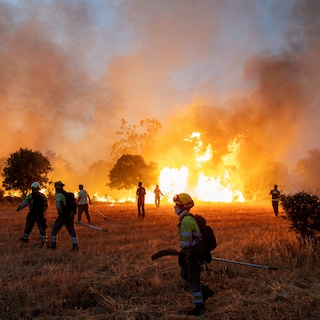
Live - Record uit 2022 verpulverd: uitzonderlijke hitte en droogte in juli werkten natuurbranden West-Europa in de hand • Ook zeewater was wereldwijd in juli nooit eerder zo warm
de morgen · about 2 months ago
Klimaatstress komt Europa economisch duur te staan Economen die zich voorheen niet zo met het klimaat bezighielden, voelen zich door het extreme weer gedwongen dat wel te doen. Europa dreigt door hitte, droogte en branden economische welvaart mis te lopen, de druk op overheidsbegrotingen groeit.
nrc · about 2 months ago
Confirmed: The figures show July was worryingly sweltering this side of Europe Ireland is one of the places in western Europe where temperatures were much higher than average last month.
thejournal · about 2 months ago
![[lalibre] Canicules, sécheresse, incendies : lEurope a connu un mois de juillet exceptionnellement chaud #Europe](https://files.mastodon.social/cache/preview_cards/images/203/059/362/original/900655ca027755a1.jpg)
[lalibre] Canicules, sécheresse, incendies : lEurope a connu un mois de juillet exceptionnellement chaud #Europe
mastodon bot · about 2 months ago
Western Europe heat waves set new temperature record
gdeltproject.org · about 2 months ago
Ministry of Finance: Inflation to remain low during summer months - The Baltic Times TALLINN - Estonias inflation rate in July, similar to June, remained one of the lowest in the eurozone, supported by falling food prices an......
baltic times · about 2 months ago

Western Europe experienced its hottest June-July on record as climate change fuels an historic summer of heat, drought and wildfires across the region, EUs global warming monitor says. Europe is the worlds fastest-warming continent u.afp.com/SHMQ
bluesky_AFP English · about 2 months ago
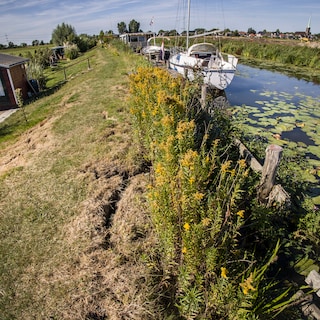
Na mei en juni brak ook juli in West-Europa records voor hitte en droogte
de volkskrant · about 2 months ago

Rekordhet sommar i Västeuropa – och nu kommer nästa värmebölja Katastrofala bränder, värmeböljor som avlöser varandra och mammutben som dyker upp i uttorkade floder – Västeuropa genomlever just nu den mest extrema sommar som någonsin uppmätts. Juni och juli krossar tidigare rekord, konstaterar EU:s klimattjänst Copernicus. Nu tar ännu en värmebölja grepp om kontinenten.
dagens nyheter · about 2 months ago
Western Europe records hottest June and July on record Drought is gripping large parts of Europe, with soils unusually dry and major rivers running low. A strengthening El Nino could push global temperatures even higher later this year.
deutsche welle europe · about 2 months ago
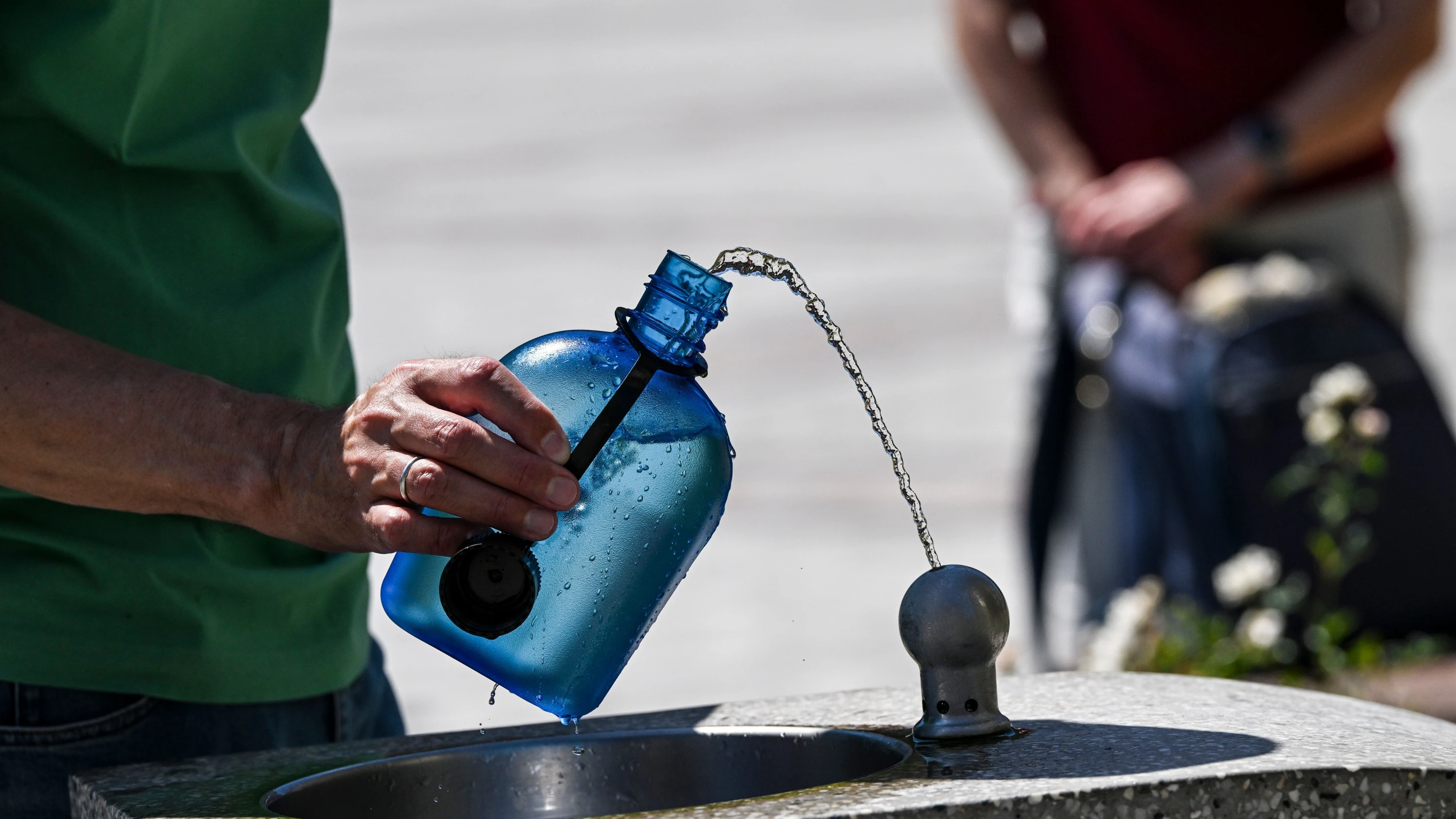
Copernicus-Daten: Westeuropa erlebt heißesten Juni und Juli seit Beginn der Aufzeichnungen Westeuropa erlebt heißesten Juni und Juli seit Beginn der Aufzeichnungen
faz · about 2 months ago
Durchschnittstemperatur bei 21,62 Grad: Der Juni und Juli waren in Westeuropa so warm wie noch nie Hitzewellen, niedrige Pegelstände, Waldbrände – so zeigt sich derzeit der Sommer. Neue Daten zeigen nun: Noch nie war es in Westeuropa so warm wie zuletzt.
tagesspiegel · about 2 months ago
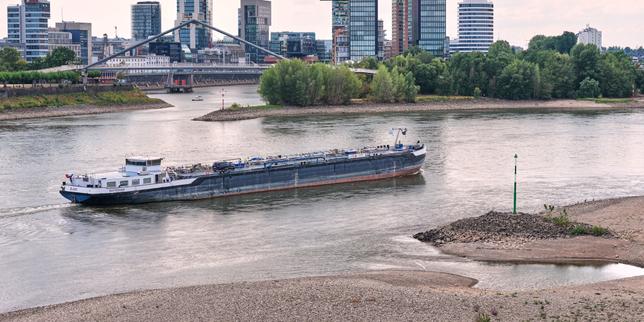
En Europe occidentale, une sécheresse exceptionnelle qui pèse sur les activités humaines et les écosystèmes Louest du continent est marqué par des niveaux dhumidité des sols très inférieurs à ceux de juillet 2022, le « dernier été marqué par une grave sécheresse dans toute lEurope occidentale », selon lobservatoire climatique Copernicus.
le monde · about 2 months ago
Western Europe sets June and July temperature record
gdeltproject.org · about 2 months ago
Zeewater was in juli niet eerder zo warm: Grote gevolgen wereldwijd Nog nooit waren de wereldzeeën in juli zo warm als vorige maand. Voor het eerst sinds het begin van de metingen in 1979 kwamen de watertemperaturen in deze tijd van het jaar boven de 21 graden uit.
nu.nl · about 2 months ago
Mările lumii au atins în iulie cea mai ridicată temperatură înregistrată vreodată pentru această lună. Europa, lovită de căldură, secetă și incendii Mările lumii au atins în iulie un nou record de temperatură, iar Europa de Vest a traversat cea mai caldă perioadă iunie-iulie din istorie. Seceta severă, râurile cu debite scăzute și incendiile afectează deja agricultura, energia și economia.
adevarul · about 2 months ago
Rapporto Copernicus per lEuropa occidentale: Giugno e luglio mesi record per il caldo Le condizioni di caldo e siccità prolungate hanno portato alla diffusione e allintensificazione di incendi estremi.
corriere · about 2 months ago
Western Europe experienced hottest June-July on record: EU monitor Western Europe experienced its hottest June-July on record as climate change fuels an historic summer of heat, drought and wildfires across the region, the EUs global warming monitor…
japantoday · about 2 months ago
Klimawandel: Westeuropa erlebte heißesten Juni und Juli seit Aufzeichnungsbeginn Im Schnitt lag die Temperatur in beiden Sommermonaten bei 21,62 Grad. Auch die Weltmeere sind so warm wie nie. Das zeigen neue Daten des EU-Klimadienstes Copernicus.
die zeit · about 2 months ago

RaiNews: Oceani mai così caldi a luglio, record acque superficialiIn Europa - riferisce il Servizio relativo ai cambiamenti climatici di Copernicus - si è registrato il giugno-luglio più rovente di sempreOceans warmer than usual in July, records for surface water.In Europe – according to the Copernicus Climate Change Service – June-July were the hottest on record.#Europe
mastodon bot · about 2 months ago

Zeewater was wereldwijd in juli niet eerder zo warm
de volkskrant · about 2 months ago