
Europe smashes two-month heat record as drought chokes rivers and triggers water bans

Story Timeline
2 months · 22 summary articles
Western Europe recorded its hottest June-July period on record, with an average temperature of 21.62°C, according to data released Monday by the Copernicus Climate Change Service and the European Centre for Medium-Range Weather Forecasts. The two-month average surpassed the previous record set in 2022 by 2.79°C, with July marking the third consecutive month of exceptional heat in the region, said Samantha Burgess, strategic lead for climate at the European Centre for Medium-Range Weather Forecasts .
The extreme temperatures have amplified widespread drought, with soil moisture levels significantly lower than during the last severe drought in July 2022. The dry conditions have driven rivers to historic lows, including the Rhine in Germany, where water levels have dropped so sharply that shipping disruptions are expected, and the Danube, where receding waters have exposed long-buried artifacts .
The United Kingdom declared drought across 71.3% of England after recording its driest July on record, with the British Environment Agency imposing irrigation restrictions on farmers and hosepipe bans in some regions. More than 27 million people in Britain are now under water-use restrictions as the country braces for its fifth heatwave of the summer .
In France, water-use restrictions now cover nearly 70% of the country, affecting activities such as crop irrigation, garden watering, and filling swimming pools. Spain recorded its joint-hottest July since 1961, with just 4.3 millimeters of rain—26% of normal precipitation—fueling wildfires, including blazes in Andalusia that have forced the evacuation of nearly 500 people .
The economic toll is mounting, with wildfires in Spain, France, Portugal, and Greece already causing nearly €3 billion in damages, according to conservative estimates. In Austria, the hagel insurance chief described the agricultural losses as a “historical drought catastrophe,” with estimated damages exceeding €1 billion .
Sea temperatures along the Atlantic coast and western Mediterranean also reached record highs in July, bringing severe marine heatwave conditions, while the BDB inland shipping group warned that parts of the Rhine may soon become unnavigable . Hungary’s Paks nuclear power plant, which had reduced operations to 10% due to low Danube levels, began restarting a second turbine after water levels rose .
Follow us for live European news
- 3
- 2
- 1
- 1
- 1
- 1
- 1
- 1
- 1
- 1
- 1
5 further sources not geolocated
Articles

Drought threatens a vital economic artery in the heart of Europe
gdeltproject.org · about 2 months ago

Low water: the story of the Wehrmacht motorbike from the Danube Record low water levels in Budapest have revealed a perfectly preserved Wehrmacht DKW NZ 350-1 motorcycle in the Danube. Where did it serve, and do the dead nearby belong to its crew? Euronews investigates the story of the Danube motorbike.
euronews · about 2 months ago
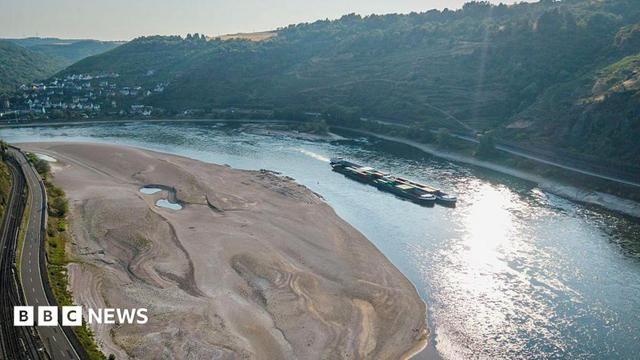
Rhine falls to record low levels as drought strains Europes rivers #environment #river #rivers #drought
mastodon bot · about 2 months ago
EU reports record heat, ocean temperatures in July
gdeltproject.org · about 2 months ago
Mehr als 70 Prozent Englands von Dürre betroffen Parks und Felder sind ausgetrocknet, die Flusspegel sinken, die Landwirtschaft klagt über Missernten. Das für sein feuchtes Wetter bekannte England wird von einer Rekord-Dürre geplagt.
die presse · about 2 months ago
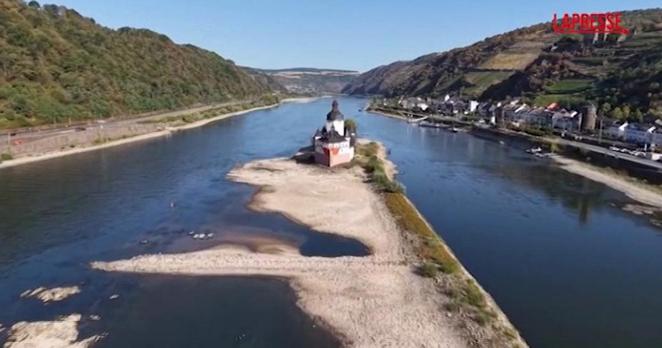
RaiNews: Siccità in Europa, le persone camminano sul letto del RenoIl caldo record non ha risparmiato nemmeno la Germania, prosciugando il fiume: nei pressi di Bingen sono emersi argini e banchi di sabbiaDrought in Europe, people walk on the bed of the Rhine.The record heat didnt spare Germany either, draining the river: near Bingen, dikes and sandbanks emerged.#Europe #Rhine #Germany #Bingen
mastodon bot · about 2 months ago
Prolonged drought kills trees, amphibians across Netherlands Prolonged drought is causing severe damage to nature across the Netherlands, with trees shedding leaves, plants dying and amphibians disappearing as ponds dry up, a Natuurmonumenten hydrologist sai
nltimes.nl · about 2 months ago
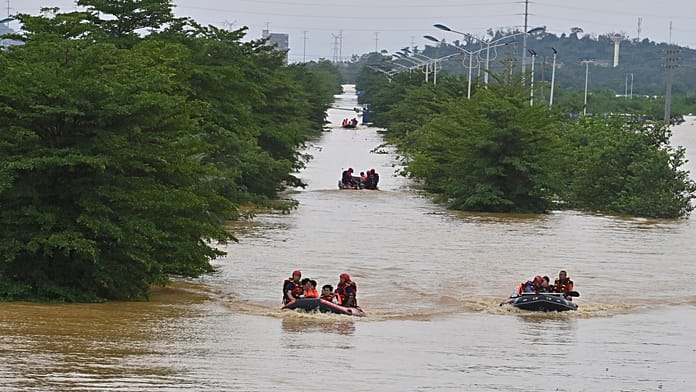
Hundreds more flights cancelled as Tropical Storm Dolphin causes flooding in eastern China More than 900 flights, or about 40 of those expected, were cancelled in Shanghais Hongqiao and Pudong airports after about 1,300 were canceled the day before, according to Shanghai Airport Group.
euronews · about 2 months ago

El calor vuelve a ganar terreno este martes con más de 40 grados y noches por encima de los 25 Se superarán los 35 grados en buena parte de la Península especialmente durante las horas centrales del díaMAPA | Dónde ver el eclipse solar del 12 de agosto: recorrido y visibilidad en cada municipio, minuto a minuto El calor volverá a intensificarse este martes en buena parte de España, con temperaturas que superarán los 35 grados en amplias zonas de la Península y podrán pasar nuevamente los 40 grados en el valle del Guadalquivir. La jornada será más estable que la del lunes, aunque la Agencia Estatal de Meteorología (Aemet) advierte de la posibilidad de tormentas fuertes acompañadas de granizo y rachas muy intensas de viento en el este, especialmente en el Pirineo oriental y zonas próximas. Las temperaturas serán significativamente altas en Baleares, Andalucía, la meseta Sur, el nordeste peninsular, el alto Ebro y el entorno del río Miño. El calor ganará terreno especialmente en las mitades occidental y norte de la Península, donde las máximas subirán de forma generalizada y el aumento podrá ser especialmente destacado en puntos del Cantábrico oriental. La estabilidad será, pese a todo, la tónica general de la jornada. En la mayor parte del país predominarán los cielos poco nubosos o despejados. Galicia, el área cantábrica, el alto Ebro y algunas zonas del Mediterráneo comenzarán el día con más nubes, aunque tenderán a desaparecer con el paso de las horas. Más de 38 grados en el centro, sur y nordeste El calor será especialmente intenso durante las horas centrales. Se superarán los 35 grados en buena parte de la Península, con la excepción principalmente del Cantábrico y algunos puntos de la costa mediterránea. Los termómetros pasarán de los 38 grados en zonas bajas del nordeste, el centro y el sur peninsular, además de algunos puntos de Mallorca. Debido a estas altas temperaturas habrá que estar muy atento a los incendios ya que como ha informado la propia Aemet, el riesgo es muy alto. Los valores más extremos volverán a concentrarse en el valle del Guadalquivir, donde podrán rebasarse los 40 grados. La Aemet también prevé más de 35 grados en amplias zonas de la meseta Norte e incluso no descarta que se alcance ese umbral en el entorno del río Miño. El calor tampoco dará demasiado respiro durante la madrugada. Continuarán las noches tropicales, con mínimas que no bajarán de los 20 grados en amplias zonas de la mitad sureste peninsular y en los archipiélagos. La situación será todavía más acusada en el litoral mediterráneo, donde algunos puntos permanecerán por encima de los 25 grados durante toda la noche. Ciudades como Barcelona, Valencia o Málaga son algunas de las principales afectadas, igual que en los últimos días. Pese al tiempo estable en la gran mayoría del territorio, durante la tarde crecerán nubes en las montañas del norte y en el tercio oriental que podrán dejar algunos chubascos y tormentas. El mayor riesgo se concentrará en el Pirineo oriental y zonas próximas, donde las tormentas podrán ser fuertes y estar acompañadas de granizo y rachas muy fuertes de viento. Durante las primeras horas serán probables los bancos de niebla en Galicia, el Cantábrico, el alto Ebro y algunas zonas mediterráneas. Las nubes podrán ser más persistentes en los litorales de Galicia, el Cantábrico y Alborán, donde también podrán aparecer nieblas costeras. Además, no se descarta una ligera presencia de calima en Alborán y el este de Canarias. De hecheo, en Canarias habrá cielos nubosos en el norte de las islas de mayor relieve y predominará el tiempo despejado en el resto. El alisio continuará soplando con fuerza, con probables rachas muy fuertes en las zonas más expuestas.
eldiario.es · about 2 months ago
Europe heatwave: Record-breaking temperatures spark drought warnings and shipping disruptions across the continent
gdeltproject.org · about 2 months ago
Hitzesommer 2026 – Hitze-Stress für den Kreislauf: So sieht es in den Spitälern aus Zürich verzeichnet einen Anstieg der Herz-Kreislauf-Notfälle. Auch andernorts nehmen die Fälle zu – die Übersicht.
srf.ch · about 2 months ago
Laatste minder warme dag: ook morgen zonnig en droog, maar vooral heet De zomer is de komende tijd nog altijd aan zet met volop zon, droogte en, na een minder warme dag, vanaf morgen ook weer flinke hitte. Op donderdag en vrijdag worden bijna overal tropische temperaturen gemeten.
rtl nieuws · about 2 months ago
Almost three-quarters of England is now in drought, the British government said, highlighting the worsening impact of prolonged dry weather on agriculture, public water supplies and wildlife. reut.rs/4wMUDaA
bluesky_Reuters · about 2 months ago
Western Europe Records Hottest June-July Ever - Novinite.com
gdeltproject.org · about 2 months ago
eVisitor Just Recorded the Best July in Croatia in the Past Two Years August the 11th, 2026 – The widely praised eVisitor system just recorded the best July in Croatia in the past two years, with enviable numbers of both arrivals and overnight stays. According to the latest data from the eVisitor system, which records tourist traffic achieved in commercial and non-commercial facilities as well as nautical charter ... Read more The post eVisitor Just Recorded the Best July in Croatia in the Past Two Years appeared first on Total Croatia.
total croatia news · about 2 months ago
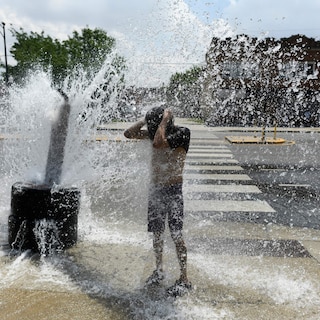
Afgelopen juli warmste maand ooit gemeten in de VS, vooroorlogs record uit de boeken
de volkskrant · about 2 months ago
Europe braces for another heatwave after record-breaking temperatures Extreme heat warnings issued in Britain and France with temperatures forecasted to reach mid-30s Celsius this week.
aljazeera · about 2 months ago

#ClimateCrisis #EuropeJune and July hottest on record in Western Europe, monitor saysThe Copernicus Climate Change Service says historically low rainfall has worsened the situation in several countries.The Copernicus Climate Change Service (C3S) said on Monday that the regions average temperature over the two-month period was 21.62 degrees Celsius (70.9 degrees Fahrenheit), 2.79C (5.01F) above average and higher than the previous record set in 2022.This reflected the exceptional persistence of heat so far this summer, C3S said.The climate change monitor also said levels of soil moisture were significantly lower than in July 2022 when the last severe drought gripped Western Europe.July 2026 was the third consecutive month of exceptional heat in Western Europe, bringing the combined temperature for June and July to a new record for the region, said Samantha Burgess, strategic lead for climate at the European Centre for Medium-Range Weather Forecasts."
mastodon bot · about 2 months ago
Cyprus faces 40C heat on Tuesday as yellow warning in effect The Department of Meteorology has issued a yellow heat warning for Tuesday, in effect from 2pm to 4pm, with the maximum temperature expected to reach 40C. Today, Tuesday, will be mostly clear, though increased cloud is expected in the afternoon, mainly over the mountains. Winds will blow initially variable, light at three Beaufort, gradually becoming […]
in-cyprus · about 2 months ago
On Tuesday, Ukraine to see mostly dry weather, with daytime highs reaching +31° On Tuesday, August 11, no precipitation is expected across most of Ukraine, though brief rain showers and thunderstorms are possible in the western and northern regions; daytime temperatures will range from 26 to 31°.
ukrinform · about 2 months ago
Europe battles the flames: Wildfire contained near Athens and evacuations in Spain Much of Europe is bracing for yet another scorching heatwave following periods of record drought that have driven rivers to historic lows, ignited historic forest fires and contributed to thousands of deaths.
euronews · about 2 months ago
Climber traffic falls 30 in Japans bear-hit Hokkaido, Tohoku Climber traffic fell more than 30 percent in northern Japans Hokkaido and Tohoku regions between April and June compared with the same period two years earlier, with the…
japantoday · about 2 months ago

The secrets of the River Danube revealed by drought - from a woolly mammoth to Nazi motorbike - as Europes heatwave continues As Europe braces for yet another heatwave, the relentlessly dry conditions that have left the continent gasping for breath have also revealed many of the secrets once long-held by the River Danube.
dailymail · about 2 months ago
Hungary began restarting its nuclear plant After the level of the Danube River rose, Hungary began restarting the second turbine at the Paks nuclear power plant, which produces about half of the countrys electricity. The low river level, caused by a prolonged heat wave and drought across much of Europe, had previously reduced the plants operation to about 10 percent of […] The post Hungary began restarting its nuclear plant appeared first on Republika English.
republika macedonia · about 2 months ago
Western Europe sets new temperature record as heat waves pummel the region
gdeltproject.org · about 2 months ago
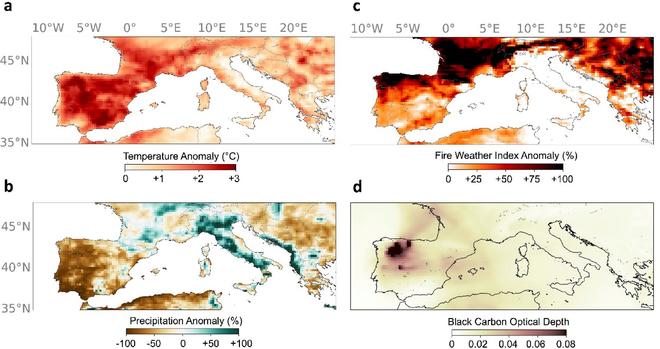
Likelihood of wildfires in Southern Europe has doubled since the 80s, study shows #environment #wildfire #wildfires
mastodon bot · about 2 months ago
Canicula topește economia Europei: Statele UE ar putea pierde 180 de miliarde de euro din cauza temperaturilor extreme Vara extrem de călduroasă ar urma să coste economia Uniunii Europene 180 de miliarde de euro în acest an, echivalentul a aproximativ 1 din PIB. Asta înseamnă, practic, întreaga creștere economică pe care blocul comunitar era estimat să o înregistreze în 2026, potrivit unei noi analize
adevarul · about 2 months ago
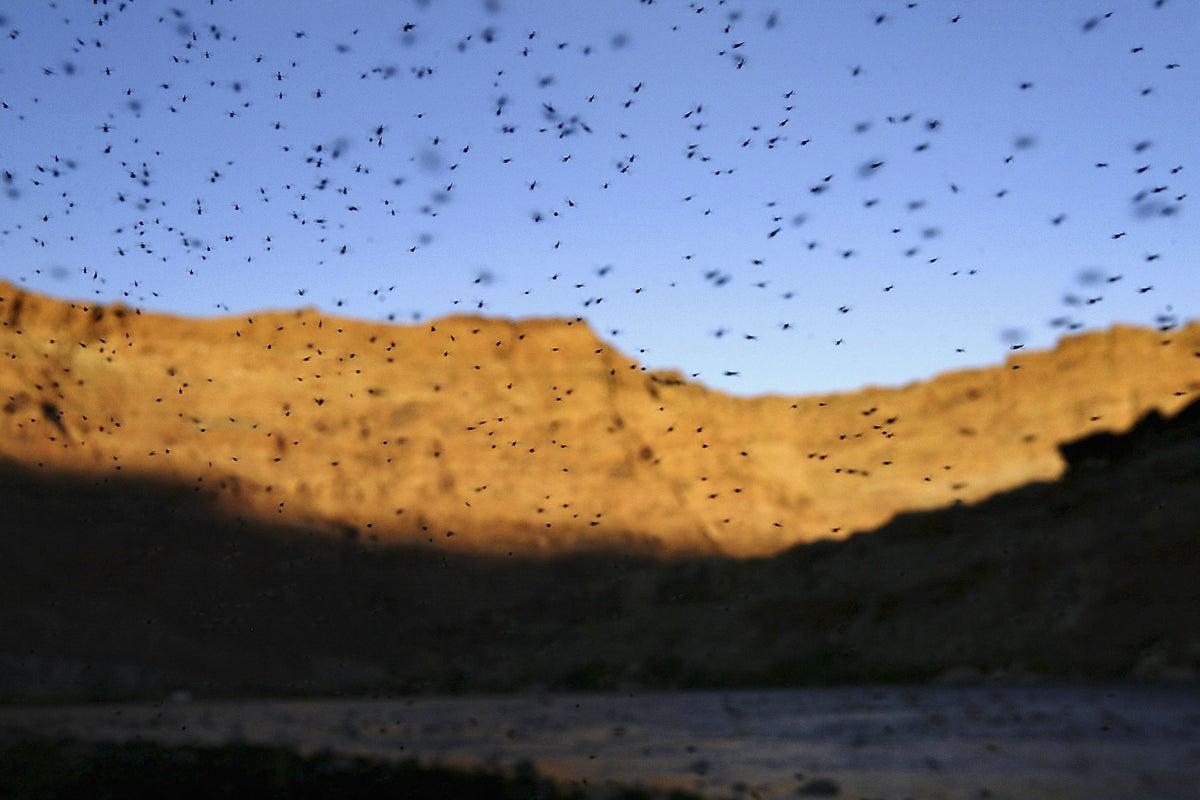
Where have all the mosquitoes gone? Parts of the US are seeing a huge drop — and that has experts worried Mosquito levels are down 50 percent across some western and Midwest states - but the West Nile virus caseload has hit a 22-year high
independent · about 2 months ago
Drought declared in almost three-quarters of England, UK government says Britain was also facing its fifth heatwave of the 2026 summer that has seen multiple temperature records being broken.
euronews · about 2 months ago
Europe braces for another summer heatwave Much of Europe is bracing for yet another scorching heatwave following periods of record drought that have driven rivers to historic lows, ignited historic forest fires and contributed…
japantoday · about 2 months ago