Loading…
 Saturday, September 26Saturday, September 26
4 months · 2 summary articles
Switzerland drops to third in global competitiveness as Singapore and Hong Kong overtake
ABB CEO warns EU faces mass unemployment without urgent reforms
The Swiss economy has slipped from its long-held perch as the world’s most competitive, according to the IMD World Competitiveness Ranking 2026 released today. The IMD Business School in Lausanne demoted Switzerland to third place, behind Singapore and Hong Kong, after the country topped the list in 2025 . The Eidgenossenschaft’s retreat marks the first time in years that the Alpine nation has not led the global ranking compiled by the Swiss-based institute.
IMD’s annual assessment evaluates 67 economies across four pillars: economic performance, government efficiency, business efficiency, and infrastructure. Switzerland’s slide reflects weaker scores in business efficiency and government effectiveness, according to the Zurich-based researchers. “High costs and regulatory hurdles are eroding the country’s once-unassailable advantage,” noted the IMD report, which cited rising wage pressures and persistent bottlenecks in permitting as key drags .
Neighbouring economies also posted mixed results. Germany, long a mid-table performer, fell further behind as high taxes and energy costs weighed on competitiveness . Austria dropped to 29th place, its lowest rank in the IMD series, while Spain remained stuck at 39th due to “persistent government inefficiency” despite six years of EU recovery funds .
Swiss strengths endure in pockets of excellence. The ETH Zurich retained its place among the world’s top ten universities, ranking eighth globally in the latest QS survey published today . Three Swiss institutions feature in the global top 100, underscoring the country’s enduring appeal as a hub for research and talent. Yet the broader competitiveness ranking signals a structural shift: rising Asian hubs and persistent European inefficiencies are reshaping the global pecking order.
Economists warn that Switzerland’s retreat is not irreversible but demands urgent policy responses. “The data show that cost pressures are outpacing productivity gains,” said Aymo Brunetti, professor of economics at the University of Bern. “Without targeted reforms in taxation, regulation, and labour markets, the slide could continue.” The Federal Council has yet to comment on the findings, which arrive as Swiss voters prepare for autumn ballots on corporate tax reforms and energy policy.
Follow us for live European news

Wettbewerbsfähigkeit – Schweiz fällt auf dritten Rang Die Schweiz wird von ihrem Spitzenplatz als wettbewerbsfähigstes Land verdrängt, sagt die IMD-Business-Schule IMD.
srf.ch · 3 months ago
STU sa dostala do tisícky najlepších svetových univerzít Slovenskej technickej univerzite sa do prvej tisícky známeho rebríčka podarilo dostať napriek nárastu hodnotených univerzít.
aktuality.sk · 3 months ago

España se estanca en el índice mundial de competitividad por falta de "eficiencia gubernamental" pese a seis años de fondos europeos El estudio de la suiza IMD coloca al país en el puesto 39 de 70 por segundo año consecutivo, peor que al inicio del Plan de Recuperación. Y en otro ránking del Foro Económico Mundial, España retrocede en transición energética Leer
elmundo · 3 months ago
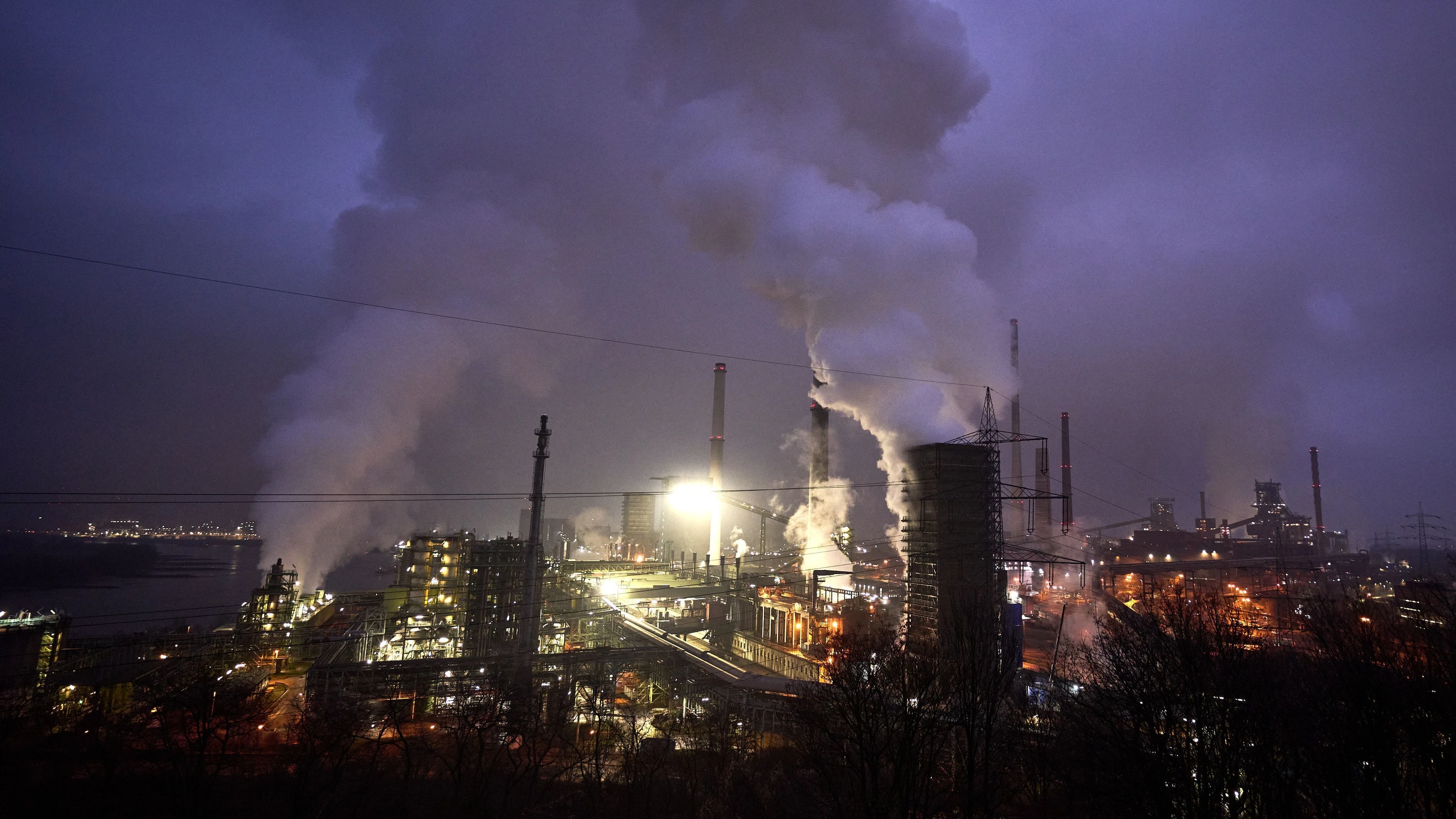
Standort-Vergleich: Die deutsche Wirtschaft verliert an Wettbewerbsfähigkeit Deutschland gerät im internationalen Standortwettbewerb wieder ins Hintertreffen. Das liegt auch an den hohen Steuern. Wegen Trumps Zöllen und der hohen Kosten verliert die Schweiz ihre Spitzenposition an Singapur.
faz · 3 months ago

Six Irish universities rise in global rankings - heres which one ranked best in the country The QS World University Rankings evaluated over 1,500 institutions, and said Irish universities are improving faster than many of their global counterparts.
thejournal · 3 months ago
Hochschulranking – Drei Schweizer Unis gehören zu den besten 100 der Welt Im neuesten Hochschulranking belegt die ETH Zürich mit Platz 8 den besten Schweizer Rang.
srf.ch · 3 months ago
Nelichotivý signál pre vládu aj firmy. Slovensko opäť skončilo na chvoste rebríčka konkurencieschopnosti Rebríček konkurencieschopnosti IMD World Competitiveness Ranking 2026: Európa ustupuje, Singapur a USA stúpajú. Ako obstálo Slovensko?
aktuality.sk · 3 months ago
Schweiz verliert laut IMD Spitzenposition bei Wettbewerbsfähigkeit Nach dem ersten Platz im letzten Jahr rutscht die Eidgenossenschaft hinter Singapur und Hongkong auf Platz drei zurück.
die presse · 3 months ago
Österreich rutscht im Wettbewerbsranking weiter ab Der Standort Österreich verliert weiter an Boden. Im renommierten IMD-Ranking fällt Österreich im Standortvergleich auf Rang 29 zurück.
die presse · 3 months ago