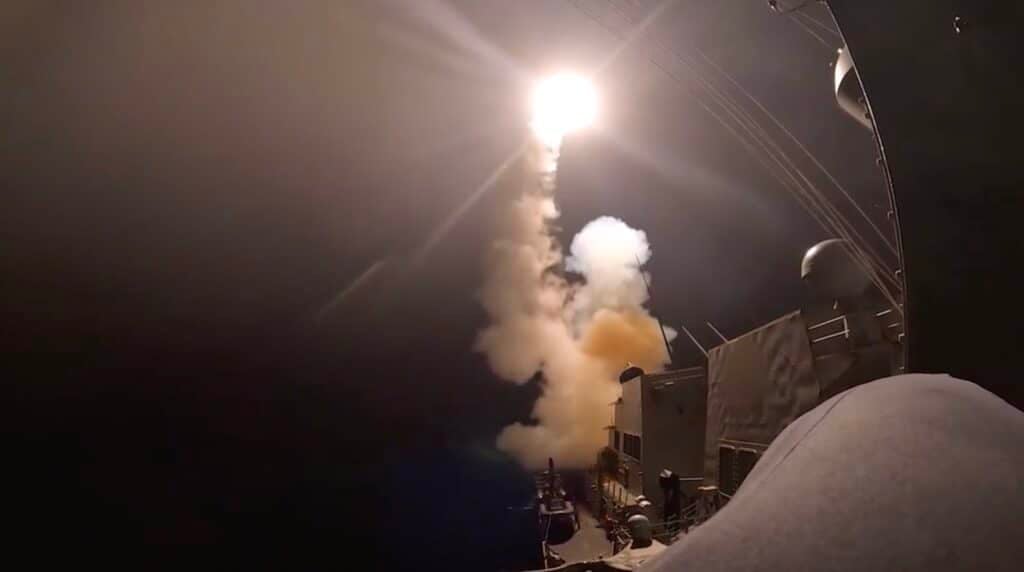
The United States carried out limited strikes on Iran's Qeshm Island in the Strait of Hormuz on Monday, US officials said, bringing fresh military action to the waterway on the eve of midterm elections. Iranian state news agency IRNA reported that five explosions occurred in quick succession late on Monday on the island, and witnesses told the agency they had seen two aircraft flying over it.
Speaking anonymously, a US official described the operation as "defensive strikes" targeting "Iranians using surface-to-air missiles against US assets." The official told the Associated Press the strikes represented a limited action rather than a return to full hostilities. The Wall Street Journal, which first reported the strikes, said Washington had intentionally kept the operation low-profile to avoid giving the impression that it was resuming large-scale military operations.
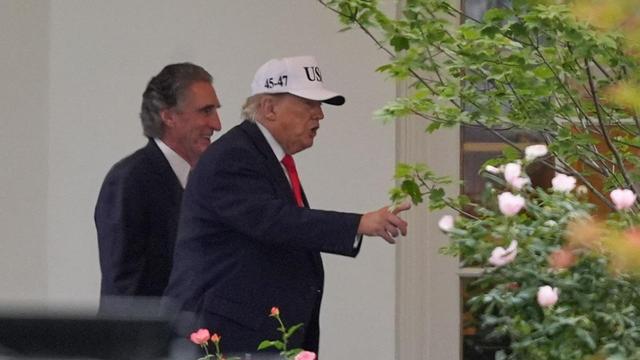
The Journal described the attack as the latest in a series of limited strikes Washington has secretly carried out against Iran in recent weeks. President Donald Trump had previously said the US would not launch new strikes on Iran before the midterm elections. On Monday, Trump told reporters: "We had a war with Iran. We won. I don't know if you even call it a war because we haven't been doing any fighting for months."
He also wrote on Truth Social that "Iran wants a settlement, as soon as possible. It could happen!" Vice President JD Vance told reporters on Monday: "We've had a number of good conversations with the Iranians." He added: "The president and I both feel pretty good about the prospects for potentially coming to a negotiated settlement."
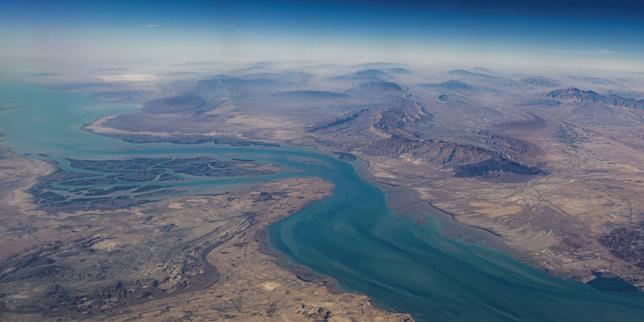
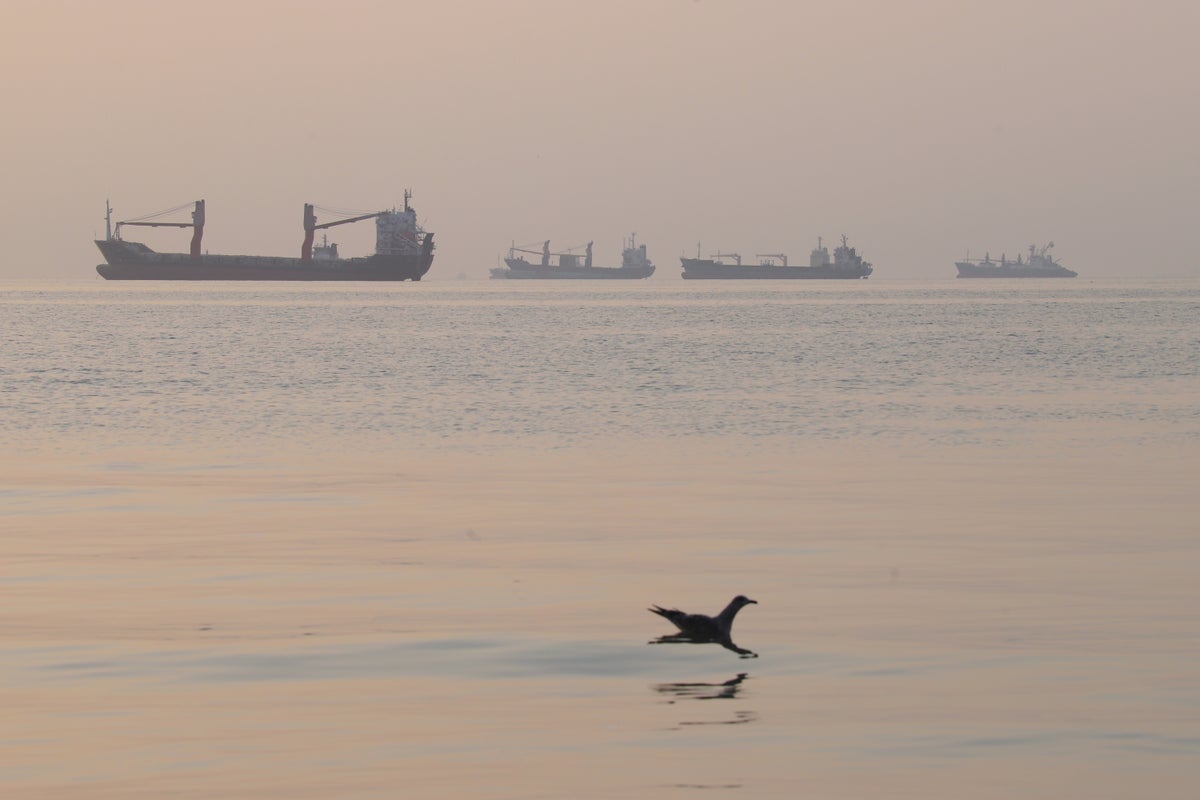
Qeshm Island sits at the entrance to the Strait of Hormuz and hosts a large underground missile facility, a naval base and a major water desalination plant. US officials have previously discussed seizing the island, which has been struck several times during the eight-month war that began in late February. The strait normally carries around a fifth of the world's oil, and shipping has been heavily disrupted since the war began.
Oil prices dropped sharply on Monday, falling by more than seven percent on optimism over a possible end to the conflict. Trump noted the drop, writing that oil prices were "dropping like a rock, down almost $10 a Barrel." One US official said the Islamic Revolutionary Guard Corps has routinely targeted US manned and unmanned aircraft over the Strait of Hormuz in recent weeks. The official said Iran tried to target a US aircraft again, leading to the strike on Qeshm to take out the launcher.
Iran's foreign ministry spokesperson Esmail Baghaei told reporters on Monday that the ball was "in the US court" on any prospective deal to end the war. Iranian Foreign Minister Abbas Araghchi said indirect talks with the United States were taking place via mediators, with Qatar and Pakistan playing an active role. The unpopular Iran war and its impact on US gasoline prices have been a vulnerability for Republicans as they try to keep control of Congress. The conflict has cost US taxpayers at least $47 billion.