 Wednesday, June 10Wednesday, June 10
Tallinn’s Olympic Museum unveils Tõnis Niinemetsa’s private sports memorabilia collection in a new exhibition opening today. The show, titled “Niinemetsa Sports Museum,” brings together 800 objects amassed by the actor and lifelong sports fan over three decades, including signed shirts from Estonian football legends and Olympic gold medals from world champions. Curators at the Estonian Sports and Olympic Museum in Tartu have arranged the items chronologically, tracing Niinemetsa’s personal journey from childhood football boots to VIP access at major tournaments.
Niinemetsa, 52, told local media the collection reflects “the emotions behind the trophies, not just the trophies themselves.” Among the highlights are a 2004 Athens Olympics football shirt worn by Martin Reim, Estonia’s most-capped player, and a 2016 Rio Paralympics javelin used by silver medalist Kardo Ploomipuu. The exhibition also features interactive stations where visitors can test reaction times against Olympic sprinters and attempt penalty kicks against a virtual goalkeeper.
Museum director Külli Kõiv, who oversaw the installation, said the display “challenges the idea that sports museums are only about medals and records.” She pointed to a vitrine containing Niinemetsa’s personal running log from 1992, when he ran the Tartu Marathon in 3 hours 42 minutes, as evidence of the collection’s human scale. “These are not just objects,” Kõiv said. “They are stories of dedication, of small victories that ripple through a lifetime.”
The exhibition opens to the public on Wednesday and runs through October. Admission is free, though timed slots are required to manage capacity. Organizers expect school groups from across southern Estonia and have scheduled guided tours in Estonian, Russian, and English. A companion catalogue, featuring essays by sports historians and Niinemetsa himself, will be published next month.

Tartlased saavad valida eelmise aasta parimaid ehitisi Tartlastel on võimalus kaasa lüüa linna aasta parima ehitise valimise konkursil ning valida oma lemmikhoone 2025. aastal kasutusloa saanud uusehitiste ja renoveeritud hoonete hulgast.
postimees · about 10 hours ago
GALERII ⟩ Spordimuuseumis saab näha Tõnis Niinemetsa kogutud esemeid tippudelt Tartus spordi- ja olümpiamuuseumis avati täna muuseumi ning näitleja ja spordifänni Tõnis Niinemetsa ühine väljapanek «Niinemetsa spordimuuseum», kus saab näha Niinemetsa isiklikust kogust pärinevaid spordiesemeid nii Eesti kui ka rahvusvahelistelt tippudelt.
postimees · about 10 hours ago
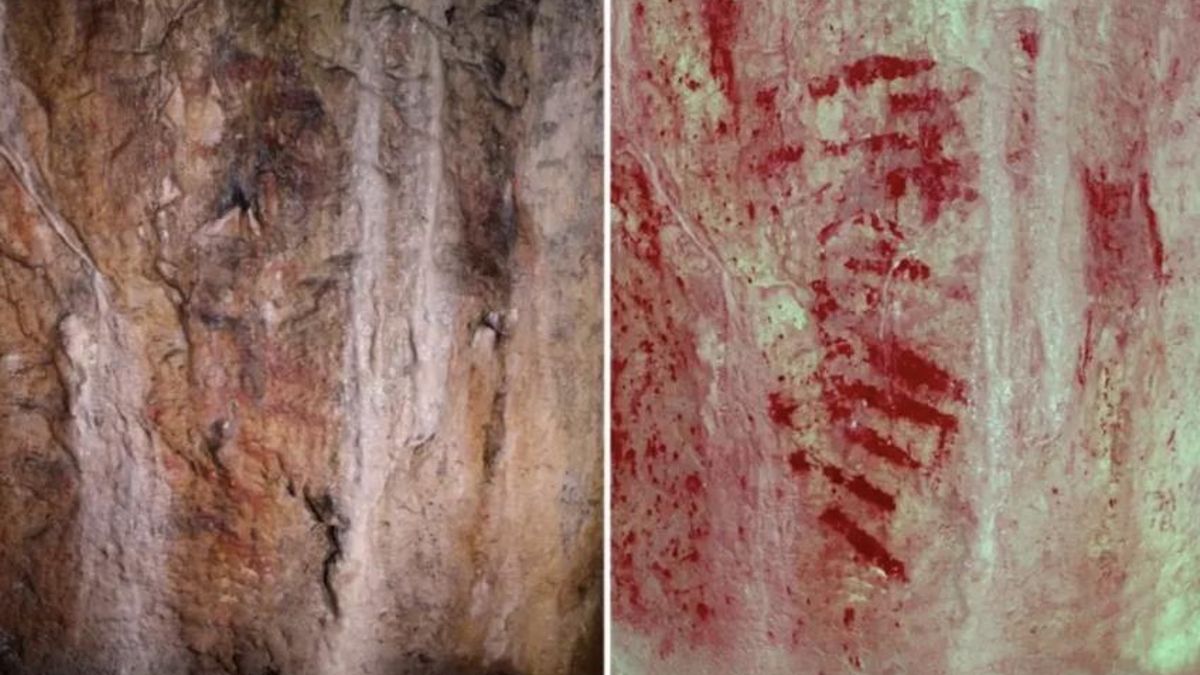
Gran Bretaña gana una pieza clave de su pasado: unas simples líneas rojas adelantan el origen de su arte rupestre Teoría confirmada - National Trust Cymru conserva actualmente el enclave y los resultados respaldaron la idea planteada en 1912 sobre aquellas expresiones gráficas tempranas Las manos manchadas de pigmento dejaron algunas de las imágenes más duraderas de la prehistoria. Esas marcas podían adoptar formas muy distintas, desde animales y figuras humanas hasta líneas, puntos o signos repetidos que transmitían información para un grupo. El motivo tampoco era único. Algunas representaciones pudieron relacionarse con creencias, ceremonias o formas de comunicación, mientras que otras quizá servían para señalar lugares, recordar acontecimientos o expresar ideas que hoy resultan imposibles de descifrar. Esa variedad explica que muchas pinturas rupestres sigan planteando preguntas sobre la vida y el pensamiento de quienes las realizaron. Un estudio publicado en la revista Quaternary ha confirmado que una serie de líneas rojas situadas en la cueva de Bacon Hole, en la costa sur de Gales, fueron pintadas deliberadamente por seres humanos hace alrededor de 17.000 años. La investigación sitúa estas marcas entre 15.700 y 18.300 años de antigüedad y las convierte en el arte rupestre más antiguo conocido de Gran Bretaña, varios milenios anterior al ejemplo que ocupaba ese lugar hasta ahora. Un método reciente devolvió fuerza a la primera hipótesis La historia de estas pinturas comenzó en 1912, cuando el geólogo y paleontólogo William Sollas y el arqueólogo francés Henri Breuil identificaron una serie de franjas rojizas en una cámara lateral de la cueva. Ambos consideraron que se trataba de una creación humana, pero esa interpretación perdió fuerza con el paso de los años. En 1928 varios investigadores defendieron que las marcas eran simples filtraciones minerales de óxido rojo, una explicación que acabó imponiéndose durante décadas y que relegó el hallazgo al olvido científico. La nueva investigación ha cambiado esa situación gracias a técnicas que no existían en el primer tercio del siglo XX. El equipo examinó la costra de calcita que cubría parte del pigmento mediante datación por uranio-torio, un procedimiento que calcula la antigüedad de determinadas formaciones minerales a partir de la desintegración radiactiva de distintos elementos. Los resultados permitieron establecer una cronología compatible con el Paleolítico superior. George Nash, arqueólogo vinculado a la Universidad de Coimbra y a la Universidad de Liverpool, explicó a The Guardian que las pinturas nunca pudieron fecharse en el pasado porque entonces no existían herramientas capaces de hacerlo con fiabilidad. Un grupo internacional recuperó el panel perdido La localización exacta de las marcas también se había perdido con el tiempo. Según distintas informaciones recogidas por los investigadores, la comunidad científica dejó de prestar atención a la cueva tras el rechazo de la hipótesis prehistórica y el panel permaneció fuera del debate académico durante décadas. Un equipo internacional consiguió encontrar de nuevo el lugar en 2022 y abrió la puerta a un examen detallado de las pinturas con métodos actuales. Las propias características de las marcas reforzaron la interpretación humana. Los análisis revelaron que el pigmento estaba formado por una preparación elaborada con arcilla y hematites, un compuesto rico en óxido de hierro. Además, el tratamiento digital de las imágenes permitió identificar puntos y salpicaduras que sugieren una aplicación mediante los dedos y mediante soplado o expulsión de pigmento sobre la pared. La disposición de las líneas también llamó la atención de los investigadores. Las franjas aparecen ordenadas de forma horizontal y mantienen una separación regular, un patrón difícil de atribuir a procesos naturales. Nash ha planteado que esas señales pudieron funcionar como algún tipo de sistema de comunicación. En declaraciones recogidas por la BBC, señaló que las bandas podrían representar marcas de conteo o mensajes cuyo significado queda muy lejos de la comprensión actual. Otra posibilidad apunta hacia un uso ritual. La ubicación del panel resulta relevante porque se encuentra en una zona profunda y oscura de la cueva. En declaraciones recogidas por Live Science, Nash explicó que esos espacios presentan condiciones acústicas peculiares, alteran la percepción visual y se encuentran apartados del entorno cotidiano, circunstancias que pudieron favorecer experiencias ceremoniales o simbólicas. El estudio confirmó el origen humano de las marcas La importancia histórica del lugar va más allá de las propias pinturas. Durante miles de años distintas personas regresaron a la cueva y dejaron rastros de épocas muy diferentes, desde objetos de época romana hasta recipientes medievales y grafitis posteriores. En la actualidad, National Trust Cymru gestiona el enclave y una reja metálica protege la cámara donde se conservan las marcas. David Thomas, arqueólogo de la entidad, destacó que el descubrimiento amplía el conocimiento sobre los grupos humanos que ocuparon esta parte de Gales al final de la Edad de Hielo. La conclusión principal del estudio es que aquellas líneas rojizas no eran fruto de un proceso natural. Los análisis realizados por el equipo dirigido por George Nash respaldan la interpretación defendida en 1912 por Sollas y Breuil y sitúan a Bacon Hole como uno de los testimonios más antiguos de expresión gráfica humana en el noroeste de Europa. Aunque el significado exacto de las marcas permanezca oculto, su origen humano parece ya fuera de discusión.
eldiario.es · about 10 hours ago
Gerettete Melodien Wie eine uigurische Kunstform die Stille überlebte Lange bevor die „Zwölf Muqam Einzug in Musikschulen, digitale Archive und Theaterrepertoires hielten und bevor sie in die UNESCO-Liste des immateriellen Kulturerbes aufgenommen wurden, hing ihr Schicksal vom Gedächtnis eines alten Mannes und einem Drahttongerät ab, das ohne Vorwarnung kaputtgehen konnte.
welt.de · about 10 hours ago
Basilica Therma Roman bath in Türkiye enters UNESCO Tentative List The ancient Basilica Therma Roman Bath in Yozgat province, known locally as "Kral Kizi," has been officially added to the UNESCO World Heritage Tentative List, marking a significant step toward permanent recognition for the well-preserved thermal complex that dates back to the Roman era.
yenisafak · about 10 hours ago
Rainbirds-Sängerin über Hits und Wohnen: „Natürlich gibt es auch dort Konflikte Sängerin Katharina Franck ist in der Welt herumgekommen, seit 2012 wohnt sie in einem Dorf bei Neuruppin. Mit den Rainbirds tritt sie dort beim Ostmusik-Festival auf. mehr...
taz.de · about 10 hours ago
Premierul albanez, în fustă mini și sutien, într-un videoclip cu inteligență artificială, ironizează influencerii Prim-ministrul Albaniei, Edi Rama, a redistribuit pe contul său de Instagram un videoclip generat de inteligența artificială în care apare îmbrăcat într-o fustă mini din piele și un sutien, într-o aparentă aluzie la adresa influencerilor, scrie Euronews.
digi24 · about 10 hours ago
Pelit | Tässä on videopeli, jollaisen Tove Jansson olisi tehnyt, julistaa norjalainen pelifirma Muumipeikko: Talven taika on jatkoa kehutulle Nuuskamuikkunen: Muumilaakson melodia -pelille.
helsingin sanomat · about 10 hours ago
Popzangeres Naaz vertolkt in opera Qaqnas de strijdlust van Koerdische vrouwen Componist Huba de Graaff maakte met zangeres Naaz de opera Qaqnas voor het Holland Festival. In het stuk, geïnspireerd door de Koerdische slogan vrouw, leven, vrijheid, zingt Naaz voor de eerste keer opera en laat met een hese rasp, zwierige kronkels en gejammer dat ze zelf jodelen noemt horen wat ze met haar stem kan.
nrc · about 10 hours ago
Au festival «Côté Court» de Pantin, le court métrage jusquau bout de la nuit Tour dhorizon des découvertes de cette 35e édition, jusquà samedi dans la ville francilienne, qui mêle noms connus et belles retrouvailles, et nous enivre notamment de récits nocturnes.
liberation · about 10 hours ago

Vier Alben in Kurzkritiken: Wie klingt französisches Licht? Electro von Daniela Weinmann, Flötenmusik von Georg Philipp Telemann, urbaner Jazz von Jil Pappert und prächtige Anthems von Georg Friedrich Händel – rezensiert von unseren Autoren.
faz · about 10 hours ago
Gallery: Architecture students build a new landmark for Tartu from ruins The traditional construction workshop of first-year architecture and urban planning students from the Estonian Academy of Arts (EKA) began next to the Annelinn Library in Tartu. This years shelter, titled "Varem" ("Before"), focuses on the life cycle of buildings and reuse, offering the local community a new type of meeting place.
news.err · about 10 hours ago
Four new clay courts to replace Kadriorgs old tennis infrastructure Kadriorg Tennis Center has begun reconstructing its old courts and will replace them with four upgraded clay courts, which are expected to be completed later this summer. The center is also in talks with the City of Tallinn about building a new tennis hall.
news.err · about 10 hours ago
At 89, Neeme Järvi reflects on a lifetime in music: You embrace the whole world Conductor Neeme Järvi, who has just turned 89, said he feels a powerful drive within him that is very hard to slow down. According to Järvi, conducting is the best profession because through music you can embrace the whole world. He was guided toward music by his mother, who was a hairdresser, and his role model was his brother Vallo, who was 14 years older.
news.err · about 10 hours ago

Danish String Quartet review – captivating performance from a world-class group Wigmore Hall, LondonThe quartet communicated intimately and naturally in a programme of music by Shostakovich, Ravel and Stravinsky A hushed chord sustained by the second violin, viola and cello. Fragments of a melody played as a distant memory by the first violin, which reached slowly upwards to a final crystalline harmonic. Pizzicato, diminuendo, silence. In this captivating performance by the Danish String Quartet, stillness settled over the closing portion of Shostakovichs String Quartet No 3 in F Op 73 like heavy snow. Bow changes became impossibly seamless. The quartets silken tone appeared to exude eerily, disconnected from the basic friction of hair on string.Such quiet control was all the more striking in the wake of jagged, impassioned solo interjections, deeply incised octave unisons and phrases pursued as if the musicians survival depended on it. There was articulation so spiky it was percussive – all contact, no resonance – and passages that sounded symphonic in their velveteen richness. Yet there were also moments of polite levity and luminous classicism. The atmospheric gearshifts were sometimes imperceptibly gradual, sometimes violent, but rarely visible: beyond describing itself as relatively bearded, the Danish String Quartet is not an ensemble given to choreographed spectacle. Continue reading...
theguardian · about 10 hours ago

Vagina lasers, bananas and an awkward Cumberbatch: 10 surprising moments in Madonnas new video Sabrina Carpenter, a car crash, a urinal, Kate Moss and, of course, those perplexing green lasers: Confessions II has it all. Lets make some sense of it …Madonnas new video is called Confessions II because its the follow-up to her album Confessions on a Dance Floor, released in 2005. Nope, wrong: that was not more than 20 years ago. That was last week. Years are for little people. Madonna can hold back the passage of time with the power of her imagination, and that has always been true. But what, exactly, in a 10-minute video that brought the house down at the Tribeca festival and has since been watched more than a million times on YouTube, is Madonna trying to say? It feels a bit rude to ask, like asking Jackson Pollock what all the squiggly lines mean. So think of it as a homage to the woman who invented rudeness. Continue reading...
theguardian · about 10 hours ago

We got banned from YouTube but they showed Saddam Hussein being hanged: the wild viral visions of Romain Gavras What will life be like in 2034? Will kids surf in quarries – or live in the woods since they think Earth is hollow? We meet the film-maker behind Gener8ion, whose dark predictions have a habit of going viralOne of the standout videos of Visions of 2034, a new audio-visual exhibition from film-maker Romain Gavras and musician Benoit Heitz (AKA Surkin), is a blackly comic twist on conspiracy theory culture. In God Hates Space, some young people have defected to the woods somewhere in middle America due to their fringe beliefs, chiefly the idea that the Earth is actually hollow: trenchant stuff in an age when twentysomethings are becoming off-grid libertarian homesteaders, and popular influencers claim that Kendrick Lamar sent demons through the TV screen during his Super Bowl half-time performance.But heres the rub: God Hates Space, with its creepy-crazy images of fascism and crackpot conspiracy, was made more than six years ago in Ukraine, before the war. Its aesthetic – which Surkin describes as a combination of confederate and Monster energy drink – is prescient, not referential. We shoot these videos and sometimes it takes a while for them to get released, Surkin says. The future is catching up with us. It gets dumber way quicker than before! Continue reading...
theguardian · about 10 hours ago
VIDEO. Lansare surpriză făcută de Delia. A luat unul dintre cele mai apreciate cântece ale sale și l-a transformat. Filmări la Palatul Parlamentului Cântăreața a lansat varianta simfonică a piesei „Analog împreună cu Orchestra Simfonică București, condusă de Andrei Tudor, se arată într-un comunicat de presă. Andrei Tudor a rescris piesa pentru această versiune de orchestră, iar Delia a fost acompaniată de tenorul Bogdan Mihai și de peste 70 de instrumentiști, Piesa în varianta inițială este compusă de …
hotnews.ro · about 10 hours ago
Meghalsz, hogyha ránézel: szobrot kap Fenyő Miki, szerencsére a neve is rajta lesz Az idén távozó zenész 80. szülinapjára csavarják fel a szőnyeget a Szent István parknál.
444.hu · about 10 hours ago

Doja Cat i strupen på Elon Musk: «Du ser ut som du et sand» Det har blussa opp ein ny, bisarr krig mellom X-eigar Elon Musk og den amerikanske pop- og rapstjerna Doja Cat.
nrk · about 10 hours ago
Museum vill samla in information om sjöhästar i Sverige Sjöfartsmuseet i Göteborg vill att folk ska höra av sig om de lyckas se en sjöhäst i sommar, rapporterar P4 Göteborg.
sverigesradio · about 10 hours ago
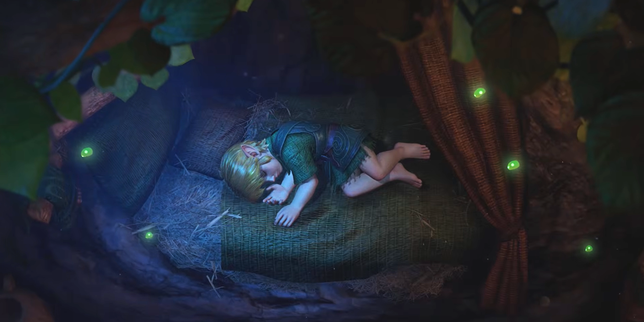
Nintendo annonce un remake de « The Legend of Zelda : Ocarina of Time » pour muscler le catalogue de la Switch 2 Un an après la sortie de sa dernière console, le constructeur japonais continue de miser sur des valeurs sûres, comme cette nouvelle version dun jeu vidéo culte.
le monde · about 10 hours ago
Im September: Staatstheater Cottbus: Neue Intendanz in neuer Spielzeit Nach dem Sommer geht das Staatstheater in Cottbus in eine neue Spielzeit. Das Haus will dabei auch die Stadtbevölkerung stärker einbeziehen und auch außerhalb der Spielstätte Stücke zeigen.
tagesspiegel · about 10 hours ago
Prequel zum Kultfilm: Vorgeschichte von „Natürlich blond! - Neue Serie startet Die neue Serie „Elle bei Prime Video erzählt die Jugendgeschichte von Elle Woods – bekannt aus „Natürlich blond!. Schon bald steht der Serienstart an.
tagesspiegel · about 10 hours ago
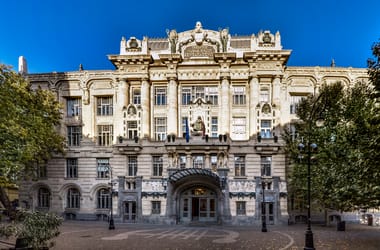
Kényszerítést és megfélemlítést emlegetnek a szakszervezetek, miután egy tanszakvezető távozik a Zeneakadémiától A szakszervezetek Ókovács Szilveszterhez fordultak, miután egy operaénekes súlyos, korábbi években tapasztalt visszásságokról számolt be.
hvg.hu · about 10 hours ago