Loading…
 Saturday, August 29Saturday, August 29
3 months · 3 summary articles
U.S. and Iran exchange strikes: Tehran targets U.S. bases in Jordan, Kuwait, and Bahrain
U.S. strikes Iran after helicopter downing; Tehran retaliates with drone attacks
U.S. launches second night of strikes on Iran as Pentagon warns of "hard" retaliation
Tensions in the Middle East escalated sharply on Tuesday evening as the United States launched retaliatory strikes against Iran, marking the most serious military confrontation between the two nations in years. At 17:00 ET (24:00 Romanian time), U.S. Central Command announced it had initiated attacks described as “self-defense measures” in response to the downing of a U.S. Army Apache helicopter. Iran immediately retaliated by launching drones toward a U.S. base in Bahrain, triggering air defense alerts across the region.
Multiple explosions were reported across southern and western Iran on Wednesday morning, including near the cities of Sirik, Minab, and Qeshm Island in the Strait of Hormuz. Local sources cited by GeoPWatch and regional media confirmed air defenses were activated in Tehran, Asaluyeh, and Bushehr Province. A U.S. MQ-9 Reaper drone was also shot down over the Jam area in southern Iran, according to Yeni Safak . Israeli officials told Yediot Ahronot that Israel has raised its alert level, preparing for potential escalation if Iran responds with missile strikes .
The flare-up follows a series of tit-for-tat strikes in the Gulf, including U.S. airstrikes near the Strait of Hormuz and Iranian missile launches from East Azerbaijan Province. While some analysts warn of the risk of a full-scale war, others suggest the current confrontation reflects a calibrated conflict rather than an all-out conflict. Adel al-Jubeir, a senior Saudi official, told Al Jazeera that the clashes demonstrate Iran’s willingness to respond forcefully but do not necessarily signal an imminent war .
Amid the military exchanges, diplomatic efforts are underway. Qatar is mediating talks in Switzerland aimed at de-escalating tensions and reviving stalled nuclear negotiations. The International Atomic Energy Agency (IAEA) adopted a resolution on Wednesday, supported by the U.S., demanding Iran declare its remaining enriched uranium stockpiles and allow unannounced inspections—a move Tehran has criticized as politically motivated .
The situation remains fluid, with fighter jet activity reported across northern Iraq and multiple provinces in Iran. A Pakistani source told Al-Arabiya that no breakthrough in negotiations is expected today, underscoring the deep divisions between Washington and Tehran . As the region braces for further developments, the risk of miscalculation looms large, with both sides signaling readiness to defend their interests.
Follow us for live European news

🇺🇸❌🇮🇷 — Repeated explosions heard at Qeshm Island, possibly air defenses confronting hostile projectiles flying towards the Iranian mainland.
telegram bot · 3 months ago
🇺🇸❌🇮🇷- Three renewed explosions near Sirik, southern Iran.
telegram bot · 3 months ago
📝 So far, the target package is the same as last night. Targeting Iranian infrastructure around the Strait of Hormuz, in line with CENTCOMs goal to reverse Iranian control of the waterway.
telegram bot · 3 months ago
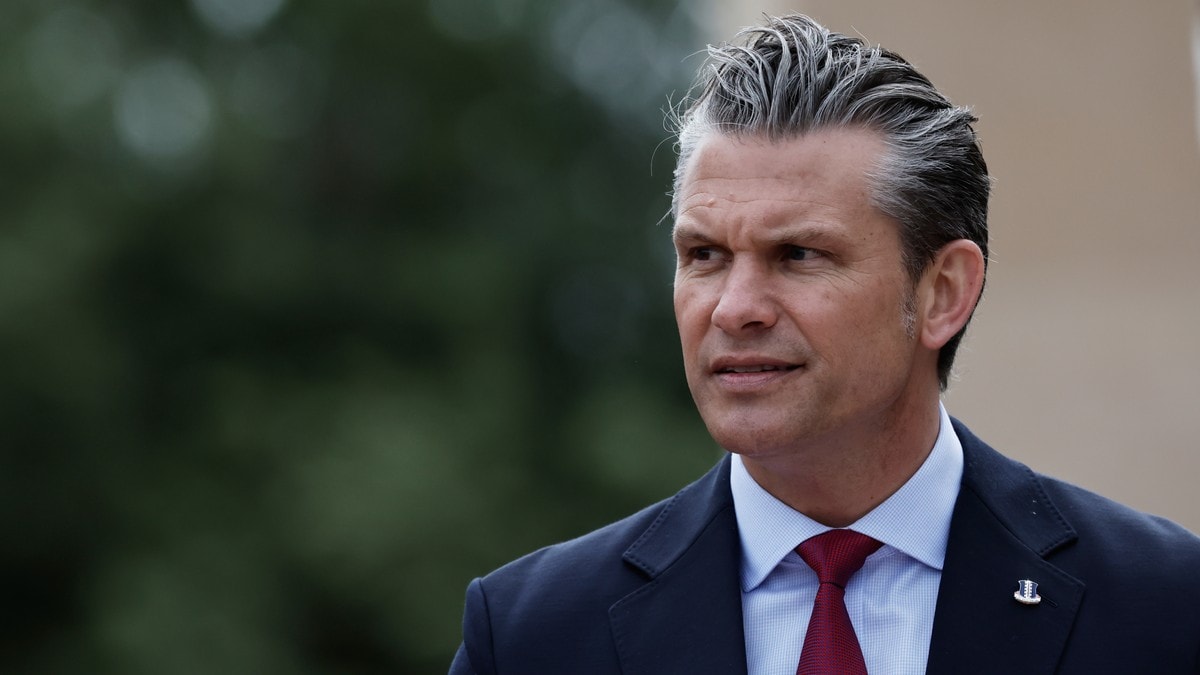
Hegseth varslar kraftige amerikanske angrep mot Iran USA sin forsvarsminister Pete Hegseth seier USA kjem til å angripe viktige anlegg i Iran i natt. – USA sin midtaustenkommando kjem til å få det travelt, seier han onsdag ifølgje nyheitsbyrået Reuters. Reuters melder òg at Iran åtvarar amerikanarane. – Om amerikanarane angrip, kjem me til å svare hardt.
nrk · 3 months ago
Axios: Angrepene mot Iran er i gang USAs forsvarsminister Pete Hegseth sier at USA kommer til å angripe viktige anlegg i Iran i natt. Axios melder at angrepene er i gang.
nrk · 3 months ago
US drone shot down A U.S. MQ-9 Reaper drone was shot down over the Jam area in Iran.
yenisafak · 3 months ago
AIEA adoptă o rezoluție prin care solicită Iranului să raporteze stocurile de uraniu îmbogățit. Mesajul Teheranului înainte de vot Consiliul Guvernatorilor Agenției Internaționale pentru Energie Atomică (AIEA), format din 35 de țări, a adoptat miercuri o rezoluție susținută de SUA prin care se solicită Iranului să declare stocurile rămase de uraniu îmbogățit și să permită inspectorilor să le verifice, ceea ce ar putea complica negocierile dintre Washington și Teheran, relatează Reuters.
digi24 · 3 months ago
Se reaprinde butoiul cu pulbere din Orientul Mijlociu. Trump amenință din nou Iranul cu atacuri în forță. Ce spune Teheranul Comandamentul Central al SUA a anunţat că forţele sale au început să lanseze atacuri de „autoapărare împotriva Iranului, marţi la ora 17:00 ET (24:00, ora României), ca răspuns la doborârea unui elicopter Apache al Armatei SUA. Anunțul a fost urmat de replica Iranului, care a lansat drone către o bază americană din Bahrein, declanșând alarma antiaeriană.
digi24 · 3 months ago
Varsler kraftige angrep mot Iran USAs forsvarsminister Pete Hegseth sier USA kommer til å bombe viktige anlegg i Iran i natt, kun timer etter at landene…
aftenposten · 3 months ago
Hegseth hotar med angrepp mot Iran i natt
svenska dagbladet · 3 months ago
When the Ancient Persians Freed the Jews from Babylon The first interaction between the Jews and the Persians (the ancient Iranians) was a profoundly important and beneficial one. This initial interaction between the two nations was not a battle. Rather, the Persians freed the Jews from captivity in Babylon. What were the circumstances behind this event, and what exactly did the Persians do? Why […]
greek reporter · 3 months ago
Iran, il Qatar in campo per la mediazione: gli Usa propongono colloqui in Svizzera sul nucleare A Doha ruolo chiave perché ospita parte degli asset congelati. Sul nucleare si litiga su tempi e ispezioni a sorpresa. LAiea chiede laccesso ai siti
corriere · 3 months ago
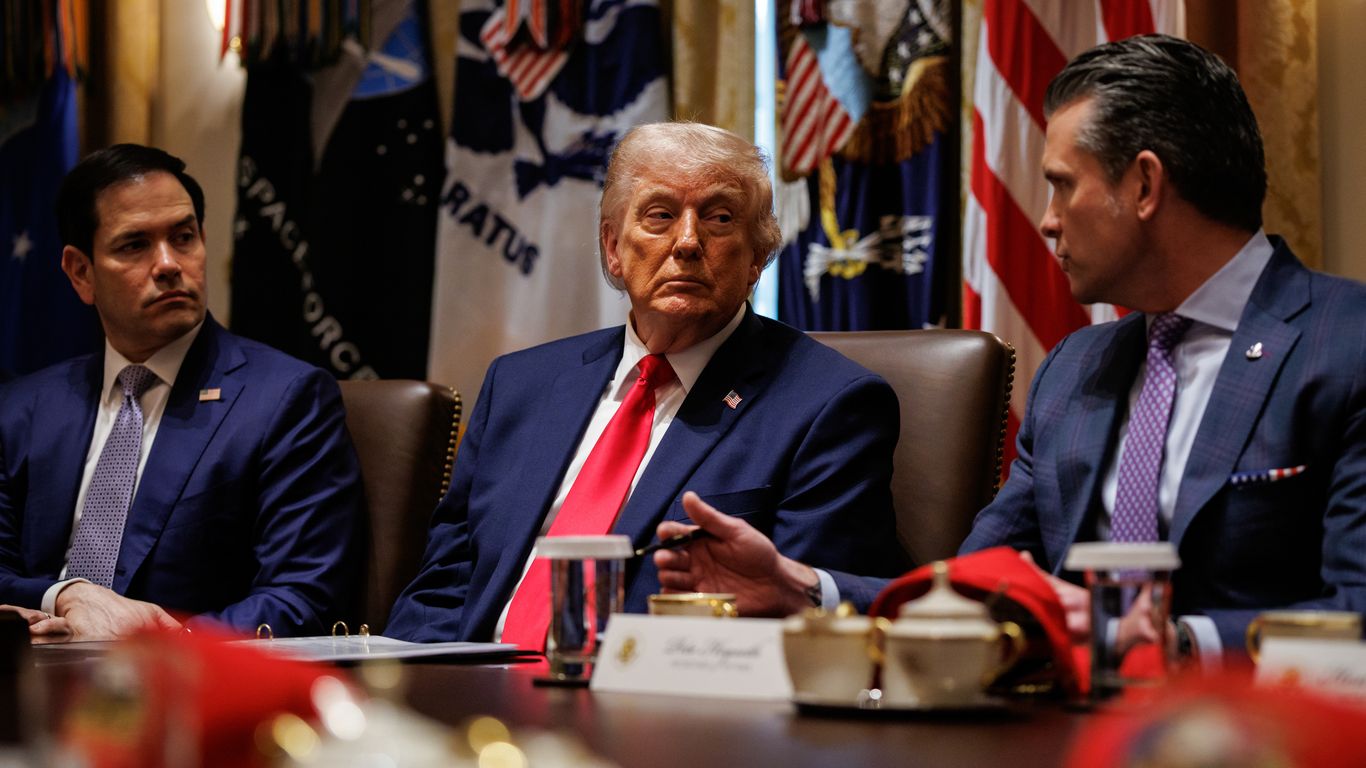
U.S. bombing Iran for second straight night The U.S. military will launch strikes on Iran for the second consecutive evening, Defense Secretary Pete Hegseth told reporters, with U.S. officials saying the intent is to pressure Tehran to sign a deal.The big picture: U.S. officials expect an Iranian response, possibly targeting U.S. bases as took place on Tuesday night. But President Trump has accused Tehran of "playing us for suckers" in negotiations, and decided something had to give.Driving the news: Hegseth told reporters during a visit to CENTCOM headquarters in Florida that "CENTCOM will be busy tonight because we are going to hit Iran hard.""Iran has a chance to make a great deal. They havent been willing to do it," he said. "They are going to have tap, tap, tap bombs dropping on key facilities in Iran from the U.S. It is not to restart the war but to set the terms for a deal.""If we need to negotiate with bombs we will negotiate with bombs," Hegseth said. "We will strike them hard tonight and hopefully Iran makes a good decision."Trump met with his national security team on Wednesday afternoon to discuss military options, hours after telling reporters the U.S. would "hit them again hard today," two U.S. sources said.The other side: Irans Tasnim news agency cited a military source as promising "heavy responses."Earlier on Wednesday, Irans president claimed Trumps threats showed not strength, but "desperation."The U.S. struck Iranian radar and air defense sites on Tuesday evening in response to the downing of a U.S. helicopter, but those strikes were calibrated to avoid casualties and leave open the possibility of a deal.Iran responded by firing a relatively small number of missiles and drones toward U.S. bases.Behind the scenes: Trump met on Wednesday with officials including Vice President Vance, Secretary of State Marco Rubio, CIA Director John Ratcliffe, Joint Chiefs Chairman Gen. Dan Caine and White House envoy Steve Witkoff, two U.S. sources said. Hegseth joined the meeting from CENTCOM headquarters.The sources said one option Trump was considering was an operation that is big in scale but short in duration, with the aim of pressing Iran to change its position in the negotiations. The sources did not provide specifics.Behind the scenes: Trump had been growing increasingly frustrated over nearly two weeks of waiting for an Iranian response to his latest offer.Go deeper
axios · 3 months ago
Arrogance and downfall: Germany gets a well-deserved UN put-down
gdeltproject.org · 3 months ago
🇮🇷- According to IRIB, "sounds" have been heard from a distance on Kish Island, with the source currently unknown. The "sounds" appear to be related to activity taking place at a significant distance from the island.
telegram bot · 3 months ago
🇺🇸❌🇮🇷- At least 2 explosions have been reported near the coast of Sirik, southern Iran.
telegram bot · 3 months ago
🇺🇸❌🇮🇷 — Loud explosion heard in Minab, Iran.
telegram bot · 3 months ago
🇮🇷 — There was no attack on Tehran, the air defenses were either testing or confronting small/recon drones.
telegram bot · 3 months ago
🇺🇸❌🇮🇷- The explosions came from the vicinity of Bandar Sirik Naval Base.
telegram bot · 3 months ago
🇺🇸❌🇮🇷- According to Yediot Ahronot, Israeli officials report that Israel is on alert and preparing for the possibility of resuming fighting if Iran launches missiles in response to an American strike.
telegram bot · 3 months ago
🇺🇸❌🇮🇷- Tasnim confirms our report that the explosions in the vicinity of Qeshm came from clashes in the Strait of Hormuz and not the island.
telegram bot · 3 months ago
🇺🇸❌🇮🇷- Air defenses have been activated in Asaluyeh, Bushehr Province, southern Iran.
telegram bot · 3 months ago
USAs forsvarsminister varsler kraftige amerikanske angrep mot Iran i natt USAs forsvarsminister Pete Hegseth sier at USA kommer til å angripe viktige anlegg i Iran i natt.
nrk · 3 months ago
Hegseth: I natt attackerar vi Iran hårt Hegseths besked om Iran
expressen · 3 months ago
Waarom Nederland luchtalarm behoudt: Oekraïners verklaarden ons voor gek Het luchtalarm verdwijnt tóch niet uit Nederland. Meer dan logisch, vertellen deskundigen aan NU.nl. Zij verbaasden zich over het eerdere besluit, in tijden van extra voorbereidingen op geopolitieke spanningen. De kracht zit namelijk in de eenvoud van het systeem.
nu.nl · 3 months ago
China a câștigat războiul din Iran: Exporturile de autoturisme electrice au crescut cu 50 în luna mai Exporturile chineze de autoturisme au crescut spectaculos în luna mai, pe fondul creșterii prețurilor la banzină și motorină, mare parte dintre aceste exporturi reprezentând vehicole electrice.
digi24 · 3 months ago
Start într-un război total sau joc de negociere? Ce se ascunde în spatele noilor atacuri dintre SUA și Iran Valul de atacuri lansat miercuri dimineață de Corpul Gardienilor Revoluției Islamice asupra bazelor americane din regiune, ca reacție la raidurile efectuate de aviația SUA în zona Strâmtorii Hormuz, nu reprezintă începutul unui război total, ci mai degrabă o etapă a unei confruntări calibrate.
adevarul · 3 months ago

Israeli Defence Minister Katz: Conflict with Iran is far from over
news.yahoo.com · 3 months ago
US, UK, including European and Pacific partners, condemn Irans
gdeltproject.org · 3 months ago
Middle East crisis live: Iran accuses US of calculated war crime as Pete Hegseth says military will be hitting Iran hard tonight Spokesperson for Irans ministry of foreign affairs says US deliberately targeted two reservoirs, leaving 20,000 people without drinking waterIf the US genuinely wants a deal it will have to engage with Iranian demands on sanctions relief, says Danny Citrinowicz, the former head of the Iran branch of Israeli military intelligence.Todays exchange of strikes shows how easily both Iran and the US can slide towards another round of escalation, says Citrinowicz, who is now a nonresident fellow at the Atlantic Council.If Washington is unwilling to accept that reality, it should recognize the likely alternative: continued confrontations with Iran that could eventually spiral beyond anyones control and lead to military conflict under less favorable conditions.Even a limited military campaign designed to weaken Iran would not fundamentally alter Tehrans negotiating position. It has not happened in the past, and there is little reason to believe it would happen now. Iran emerges from the latest exchange of blows convinced that it can absorb pressure and respond to attacks.Legal and moral responsibility of all countries in the region (especially those located along the southern shores of the Persian Gulf) to prevent the US military and Israel from using their territory or facilities to plan, organise, execute, or support hostile actions against Iran. Continue reading...
theguardian · 3 months ago