Loading…
 Saturday, August 29Saturday, August 29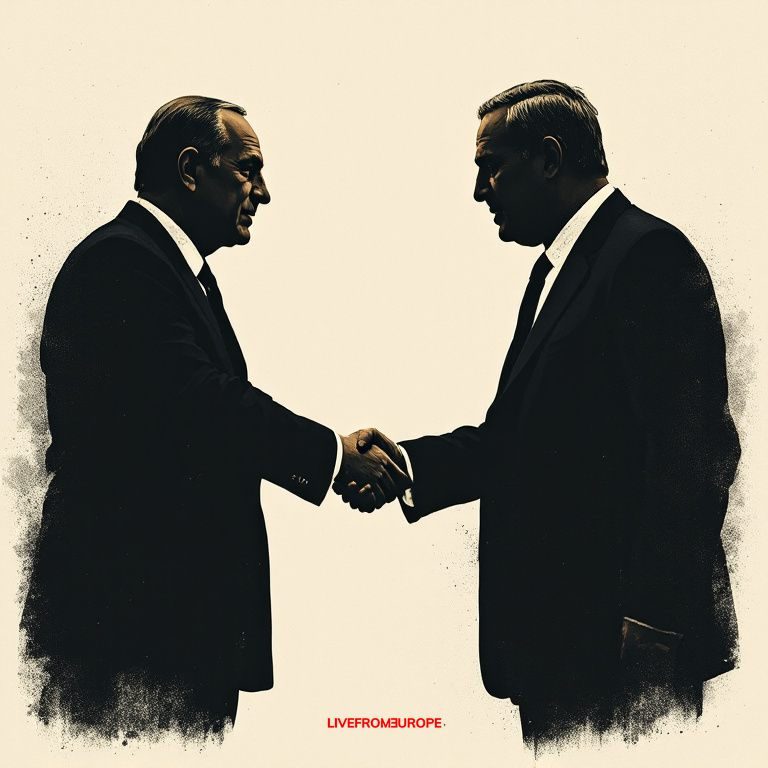
3 months · 10 summary articles
Israel and Lebanon signed a landmark 14-point framework agreement in Washington on Friday, marking the most significant diplomatic breakthrough in years amid ongoing cross-border hostilities between Israeli forces and the Iran-backed militant group Hezbollah. The deal, brokered by the United States, envisions a phased Israeli withdrawal from southern Lebanon and the disarmament of Hezbollah, though the militant group has already rejected the accord and vowed to continue its armed resistance.
U.S. Secretary of State Marco Rubio announced the framework agreement at the State Department, where Israeli Ambassador to the U.S. Yechiel Leiter and Lebanese Ambassador to the U.S. Nada Hamadeh formally signed the document . The accord was described as a potential step toward restoring full Lebanese sovereignty over all territory, enabling displaced residents to return to their homes under exclusive state authority, according to Lebanese President Joseph Aoun .
However, the agreement faces immediate challenges. Hezbollah supporters took to the streets of Beirut on Friday evening to protest the deal, with the group’s leadership warning that compliance would risk civil war . The militant group has dismissed the framework as a capitulation to Israeli demands and reiterated its refusal to disarm, complicating efforts to implement the accord .
Disputes over the scope of Israel’s withdrawal have also emerged. Lebanon insists on a complete pullout from all occupied villages and towns, while Israel has signaled a partial withdrawal, excluding contested areas such as the Yellow Line and Beaufort Castle . The fifth round of U.S.-mediated talks in Washington was extended due to these disagreements, with a senior Lebanese official telling Anadolu that any deal must include a full Israeli withdrawal within a defined timetable .
The framework agreement comes despite continued violence, including an Israeli airstrike on the southern Lebanese town of Beit Yahoun on Thursday, which violated a fragile ceasefire as negotiations concluded . Meanwhile, the U.S. launched strikes on Iranian missile storage sites in retaliation for escalating tensions, further complicating the diplomatic landscape .
Lebanese President Aoun framed the agreement as the first step toward restoring full sovereignty, but the path to lasting peace remains uncertain. The deal’s success hinges on whether Israel and Lebanon can bridge their differences—and whether Hezbollah’s rejectionism can be overcome.
Follow us for live European news
2 further sources not geolocated

Oslo-idretten og kommunen slutter fred om nabolagsklubbmidler. Men konfliktene er ikke over. Oslo kommune og Oslo idrettskrets har stått til knes i stridigheter det siste året. Nå er de blitt enige om én av dem.
aftenposten · 2 months ago
Krieg in Libanon: Israel macht erstmals Zugeständnisse und zieht sich aus Zonen in Libanon zurück Israel und Libanon einigen sich auf ein Abkommen, das den Krieg beenden soll. Die Hisbollah saß nicht mit am Tisch und lehnt die Einigung ab.
sueddeutsche · 2 months ago
Israel, Lebanon deadlock over south withdrawal in Washington talks The fifth round of Lebanon-Israel talks in Washington was extended as disputes over Israeli withdrawal from southern Lebanon persist. Israel refuses to leave the Yellow Line and Beaufort Castle, while Lebanon demands a full pullout from all occupied villages and towns.
yenisafak · 2 months ago
IAEA chief: US-Iran deal grants agency access to nuclear sites IAEA Director General Rafael Grossi said on Friday that the recent US-Iran agreement specifically designates the UN nuclear watchdog to supervise Tehrans nuclear commitments, adding that technical teams have already begun discussions to establish inspection protocols and verify the countrys highly enriched uranium stockpiles.
yenisafak · 2 months ago
Far-right Israeli minister urges ending Lebanon ceasefire after troops hurt Far-right minister Itamar Ben-Gvir called for ending the Lebanon ceasefire after four Israeli soldiers were wounded in a grenade attack. Other ministers voiced frustration over operational restrictions, while Netanyahu said the US understands Israels right to defend itself.
yenisafak · 2 months ago
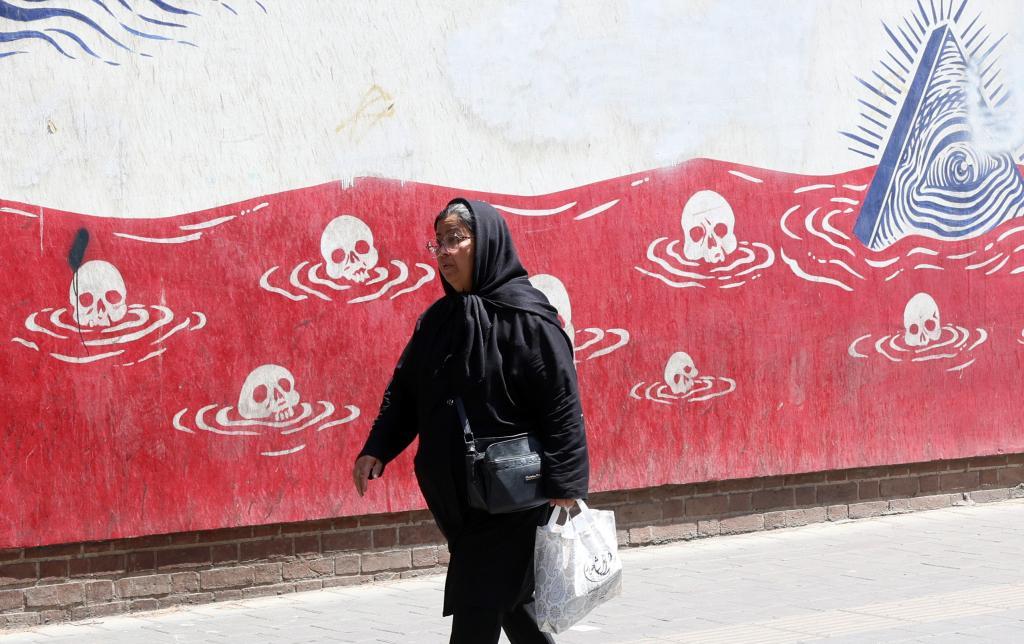
Irán y Estados Unidos intercambian ataques, poniendo en riesgo el mayor avance diplomático para la paz Las tensiones escalan también en Líbano, después de que el Gobierno del país pactara una tregua con Tel Aviv que no contempla la retirada total de las fuerzas israelíes del territorio Leer
elmundo · 2 months ago
New US-Lebanon-Israel agreement signed The Israeli and Lebanese ambassadors announced an agreement on Friday that has been described as a step toward peace after months of cross-border fighting between Israeli forces and the Lebanese militant group Hezbollah. The deal marks a potential breakthrough in efforts to ease tensions following months of conflict. Camille Knight reports.
france24 · 2 months ago
Hezbolah zavrača sporazum z Izraelom, v Bejrutu izbruhnili protesti V libanonski prestolnici Bejrut so po sklenitvi okvirnega sporazuma med Izraelom, Libanonom in ZDA v petek zvečer izbruhnili protesti, ki so jih organizirali podporniki proiranskega šiitskega gibanja Hezbolah.
rtv slovenia · 2 months ago
Flotilla, sbloccati dopo mesi gli aiuti raccolti a Genova: 240 tonnellate distribuite agli sfollati di Gaza al confine con la Cisgiordania Gli aiuti arrivano ai gazawi. Ma non a Gaza. Dopo nove mesi di blocchi e trattative, Music for Peace ha iniziato a distribuire 240 tonnellate tra quelle raccolte a Genova nellagosto 2025 per la Flotilla: 9.000 pacchi famiglia ai palestinesi sfollati dalla Striscia e ospitati nei campi tra Giordania e Cisgiordania. Il corridoio verso Gaza […] Larticolo Flotilla, sbloccati dopo mesi gli aiuti raccolti a Genova: 240 tonnellate distribuite agli sfollati di Gaza al confine con la Cisgiordania proviene da Il Fatto Quotidiano.
il fatto quotidiano · 2 months ago
„Dann wäre das eine Schwächung des Iran Israel, der Libanon und die USA haben ein Rahmenabkommen unterzeichnet, das den Weg zu einem israelisch-libanesischen Friedensabkommen ebnen soll. Axel Springer Global Reporter Jan Philipp Burgard erklärt die Stolpersteine der Vereinbarung.
welt.de · 2 months ago
Lebanon-Israel deal first step toward complete sovereignty: Aoun Lebanese President Joseph Aoun said a framework agreement signed with Israel marks the beginning of restoring full sovereignty over all territory, enabling displaced residents to return to their liberated towns under exclusive state authority, according to a statement by the Lebanese presidency.
yenisafak · 2 months ago
Hizballáh odmieta dohodu medzi Izraelom a Libanonom, varuje pred občianskou vojnou Hizballáh varuje pred občianskou vojnou, ak Libanon začne plniť rámcovú dohodu s Izraelom. Fadlalláh tvrdí, že bez hnutia odporu nič neprejde.
aktuality.sk · 2 months ago
Israel, Lebanon sign initial agreement after U.S.-mediated talks Israel and Lebanon signed a framework agreement in Washington on Friday following several days of talks to secure an end to fighting between Israel and Iran-backed Hezbollah militants,…
japantoday · 2 months ago
#Israel A majority of Israelis believe that the war has not improved the countrys security, with many expressing concerns about the long-term implications of the conflict. Recent surveys indicate a significant drop in public confidence regarding national security and social cohesion. Subscribe to @OSINTdefender Chat room
telegram bot · 2 months ago
Znotraj – Onkraj, plesni diptih, ki premišljuje o lastnem položaju v svetu Kako v svetu nenehnih dražljajev in tesne povezanosti s tehnologijo ohraniti stik s seboj in okoljem, katerega del smo? To je vprašanje, ki si ga zastavlja plesni diptih Znotraj - Onkraj koreografov Michala Rynie, Nastje Bremec Rynia in Miloša Isailovića.
rtv slovenia · 2 months ago
Israeli airstrike hits Lebanon during final day of Washington talks Israeli warplanes struck the southern Lebanese town of Beit Yahoun on Thursday, violating the ceasefire as Lebanese and Israeli officials concluded the fifth round of US-mediated negotiations in Washington aimed at securing a lasting truce.
yenisafak · 2 months ago
ICC judges sue US government over Israel probe sanctions Three International Criminal Court judges from Canada, Uganda and Benin have filed a lawsuit against the US government over sanctions imposed for the courts investigations involving Israel and the Palestinian territories, arguing the measures unlawfully target them for carrying out their judicial duties.
yenisafak · 2 months ago
Lebanese president welcomes French-Italian post-UNIFIL coalition plan President Joseph Aoun welcomed a joint French-Italian initiative to establish an international coalition after UNIFILs mandate ends. He praised the plan as recognition of the Lebanese Armys role in securing the south and called it a strong expression of international support for Lebanons sovereignty and stability.
yenisafak · 2 months ago
Lebanon demands full Israeli withdrawal in any Washington deal A senior Lebanese official has told Anadolu that any declaration of principles from Washington talks must include a complete Israeli withdrawal from all Lebanese territory under a defined timetable. Lebanons insistence on this demand led to the extension of the fifth round of negotiations.
yenisafak · 2 months ago
Premier Netanyahu: leger trekt zich terug op twee plekken in Zuid-Libanon na nieuw raamwerk voor vrede
de volkskrant · 2 months ago
Israel and Lebanon reach new deal in bid for peace On Friday, US Secretary of State Marco Rubio announced that a framework agreement between Israel and Lebanon is in place following US-mediated negotiations in Washington D.C. Despite a ceasefire, fighting has continued between Israel and the Lebanese militia Hezbollah, making this agreement a new attempt to stop the hostilities. Rubio stated the agreement is a […]
cphpost · 2 months ago
Hisbollah gegen Israel: „Erster Schritt: Israel und Libanon schließen Vereinbarung Vertreter Israels und des Libanons schließen eine Vereinbarung, um den Konflikt zwischen Israel und der proiranischen Hisbollah zu beenden. Doch ein Frieden scheint noch in weiter Ferne.
handelsblatt · 2 months ago
Happy Austritt Day? - Torah Musings
gdeltproject.org · 2 months ago

Warum die Deutschen diesen Preisträger lieben Der Preisträger des Friedenspreises des Deutschen Buchhandels wird überall gefeiert. Kaum jemanden interessiert da, was Philippe Sands als Vertreter Palästinas vor dem Internationalen Gerichtshof in Den Haag gefordert hat. Das hat mit dem deutschen Verhältnis zur „Israelkritik zu tun.
welt.de · 2 months ago
Rammsteins Rage : Azure - Ideas for the Jewish Nation
gdeltproject.org · 2 months ago

Lancien Delhaize Molière à Ixelles va devenir un lieu de sport et de bien-être Besix Red, le propriétaire du lieu, a signé un accord avec Animo Studios. Il enterre ainsi son projet controversé dy construire des logements. ...
la libre · 2 months ago

Le Liban et Israël signent un accord-cadre, les États-Unis frappent lIran Le Liban et Israël, qui nentretiennent pas de relations diplomatiques, ont signé un texte commun avec les États-Unis dans le rôle de médiateur, qui impliquerait un retrait partiel de Tsahal du Sud-Liban. Le Hezbollah a déjà rejeté laccord. Dans la nuit de vendredi à samedi, larmée américaine a ciblé des lieux de stockage de missile en Iran.
courrier international · 2 months ago
Senate deadlock over border policy continues to threaten aid to Ukraine and Israel
gdeltproject.org · 2 months ago