
Somalias first World Cup referee barred from entering US
Story Timeline
4 months · 4 summary articles
The Somali referee Omar Artan, set to become the first official from Somalia to referee at a World Cup, was denied entry to the United States on Saturday and will not officiate at the 2026 tournament, FIFA confirmed on Monday. Artan arrived at Miami International Airport with a valid visa but was turned away by US authorities, a decision that has drawn sharp criticism of both the Trump administration’s immigration policies and FIFA’s muted response.
A FIFA spokesperson stated that Artan “would play no part in the World Cup,” effectively ending his participation before the tournament’s June 11 kickoff. Artan, named Africa’s best referee in 2025 by the Confédération Africaine de Football, had been selected to officiate at the tournament co-hosted by the US, Canada, and Mexico. His exclusion follows a pattern of visa denials and delays affecting teams and officials from several countries. Iran’s football federation reported on Tuesday that its allocation of fan tickets for the group stage had been revoked, forcing the national team to relocate its training base to Tijuana, Mexico, after 13 delegation members were denied visas. Senegalese players were subjected to body searches upon arrival, while an Iraqi striker was held for seven hours in Chicago.
FIFA’s insistence on framing the 2026 World Cup as the “most inclusive tournament of all time” has been undermined by these incidents. Critics argue that the governing body’s reluctance to challenge US immigration policies reflects a broader failure to protect participants. “The world of football is paying for its cowardice,” wrote *Le Monde*, noting that Artan’s denial occurred despite his valid documentation. In Berlin, *Tagesspiegel* quoted Artan as saying, “I think they have a problem with my country.”
The controversies extend beyond visas. France’s Michael Olise completed a hat-trick in the team’s final warm-up, sending a warning to rivals ahead of their opening match against Chile on June 14. Meanwhile, Iran’s players, now based in Mexico, will travel to the US only on the eve of their matches, while Danish fans have launched a referendum to choose a new team to support after their own failure to qualify.
As the tournament approaches, concerns about security and logistics mount. In Mexico City, authorities seized explosives linked to teacher protests ahead of the World Cup, highlighting the broader instability that could disrupt the event. FIFA has also introduced unprecedented rule changes, including new substitution protocols and video assistant referee (VAR) adjustments, though these have received less attention than the logistical and political hurdles facing teams and officials.
With the opening match just two days away, the World Cup’s promise of unity and celebration is overshadowed by the harsh realities of geopolitics and bureaucratic barriers.
Follow us for live European news
- 5
- 1
- 1
- 1
- 1
- 1
- 1
- 1
- 1
- 1
- 1
1 further source not geolocated
Articles

Un sélectionneur de la Coupe du monde na jamais mis les pieds dans le pays quil entraîne Haïti, qui participe à sa deuxième Coupe du monde, démarrera la compétition le dimanche 14 juin, face à lÉcosse. ...
la libre · 4 months ago

Une autre superstar dans lhymne de la Coupe du Monde ? Shakira fait des révélations Shakira sest confiée sur la chanson qui fait office dhymne pour le Mondial de football 2026. ...
la libre · 4 months ago
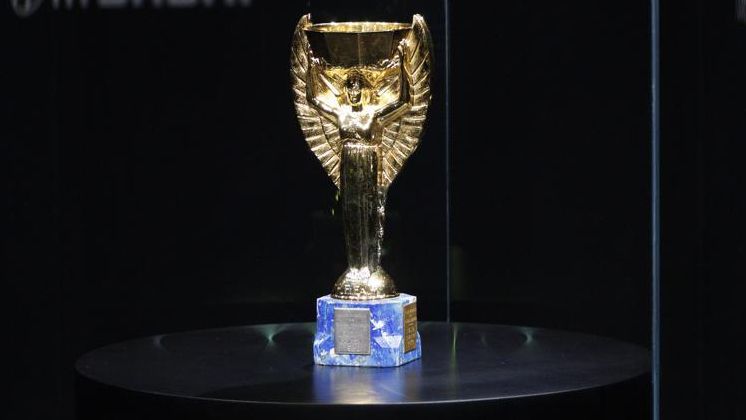
El robo del trofeo que puso en jaque un Mundial de fútbol y el famoso perro que lo encontró: la apasionante historia de la Copa del Mundo 13 años después, lamentablemente, se dio un segundo robo en 1983 en la Confederación Brasileña de Fútbol y nunca más se supo¿A qué hora son los partidos del Mundial?: Guía completa de horarios y turnos para España En plena cuenta atrás para el Mundial 2026 de fútbol de Estados Unidos, México y Canadá, toca repasar parte de la historia de este torneo que aspira a coronar a la mejor selección del mundo, con nuevo formato y reglamentos. Una de las más llamativas es cuando el trofeo desapareció meses antes de que tuviera lugar la Copa del Mundo en Inglaterra 1966, hace 60 años, una edición marcada también por el gol fantasma en una final entre los anfitriones y Alemania Federal. Esta acabó finalmente con el primer y único Mundial hasta la fecha de Inglaterra, que pudo alzar el trofeo, entonces la Copa Jules Rimet, después de que fuera encontrado por el perro Pickles tras haber sido robado previamente, en la que es una de las historias más insólitas de la historia del fútbol. Un trofeo que no se ha vuelto a recuperar, víctima de un segundo hurto, aunque en esta ocasión ya en propiedad de la federación brasileña. El impensable robo del trofeo del Mundial en Inglaterra Desde su nacimiento en 1930, el Mundial de fútbol ha tenido dos trofeos, el primero de ellos bautizado como Copa Jules Rimet, en honor al presidente de la FIFA que ocupó el cargo de 1921 a 1954. Si durante la Segunda Guerra Mundial fue escondido en Italia para evitar que se lo llevaran los nazis, su historia más increíble fue cuando se robó a tan solo unos meses de Inglaterra 1966. Esto sucedió cuando se encontraba expuesto en la Westminster Central Hall en marzo de ese año, en Londres, para que los aficionados se hicieran fotos con el trofeo. Entonces, de manera impensable fue robado y esto dejó en evidencia a Scotland Yard, que había fallado con una operación de seguridad que solo incluía a un guardia de 70 años para custodiarlo. Los ladrones habían aprovechado su pausa para cenar para romper la vitrina y hacerse con la Copa del Mundo, lo que derivó en un escándalo internacional a meses del Mundial en Inglaterra. Encontrado por un perro Lo más increíble, sin embargo, fue la historia de su recuperación. Habían aparecido extorsionadores y todo, pero la copa seguía desaparecida una semana después. En eso, un hombre del sur de Londres paseaba a su perro cuando este se detuvo y no paraba de ladrar al encontrar un paquete envuelto en un papel de periódico. David Corbett, como se llamaba su dueño, pensaba que era basura abandonada, pero lejos de esto, se dio cuenta que algo no era así cuando vio nombres de países como Brasil o Alemania Occidental. Mi corazón empezó a palpitar más rápido... ¡era la copa del Mundo!. Corbett, aficionado al fútbol, era consciente de la historia del robo de la Copa, y por eso se puso en contacto enseguida con la policía, que, en cambio, lo vio como el sospechoso número uno del robo. Pero tras interrogarlo en varias ocasiones, se convirtió en testigo y ayudó a identificar a los ladrones. La historia dio la vuelta al mundo y Pickles se convirtió en un perro mundialmente famoso. Salió en portadas de periódico, en televisión, en anuncios, películas, recibió una medalla especial e incluso provisión gratuita de alimento durante años, siendo todavía mayor su figura después de que Inglaterra se alzara con el Mundial al final del torneo. El robo, sin embargo, continuó siendo un misterio y su autor intelectual nunca fue identificado, lo que llevó a que se elaboraran diferentes teorías. La desaparición de la Copa Jules Rimet y el actual trofeo En 1970, cuando Brasil consiguió su tercer Mundial en México, la FIFA entregó la copa Jules Rimet en propiedad al país, que se quedaría con el preciado trofeo en sus vitrinas. 13 años después, lamentablemente, se dio un segundo robo en 1983 en la Confederación Brasileña de Fútbol y nunca más se supo, considerándose perdido. Actualmente, la versión oficial considera que el trofeo fue entregado a un joyero argentino radicado en Brasil y este se encargó de cortarlo y fundirlo para venderlo luego como lingotes de oro puro. El actual trofeo que se entrega en el Mundial de fútbol data de 1974, cuando FIFA llevó a cabo el nuevo proyecto. Fue creado por el escultor italiano Silvio Gazzaniga, que también diseñó la Copa de la UEFA, la Supercopa de Europa o la Copa África. El del Mundial 2026 esté hecho con oro de 18 quilates, con una base de malaquita, y que representa a dos figuras humanas sosteniendo la Tierra.
eldiario.es · 4 months ago

„Da ist eine rote Linie überschritten: Union-Fan erhält Bewährungsstrafe wegen Feuerzeugwurfs Ein Bundesliga-Spiel sorgte für Aufsehen und juristischen Streit um die Wertung. Nun gab es für einen Fan vom 1. FC Union Berlin ein Nachspiel vor dem Amtsgericht.
tagesspiegel · 4 months ago
Iran says US removed World Cup ticket quota for its fans, calls on FIFA to act Irans football federation announced that the US has removed the ticket quota allocated to Iranian fans for the World Cup, leaving the federation unable to distribute tickets through its official system. The federation had already begun selling tickets for matches against New Zealand, Belgium, and Egypt. Iran called on FIFA to uphold impartiality and justice.
yenisafak · 4 months ago
New York mayor says football would not exist without immigrants New York Mayor Zohran Mamdani said Monday that football "would not exist without immigrants," defending immigrant communities against planned immigration enforcement operations as the city prepares to host FIFA World Cup 2026 matches.
yenisafak · 4 months ago

Ici, ils sont les bienvenus : après le refus américain, léquipe dIran est au Mexique La Tim-e melli-e est arrivée dimanche dans la ville mexicaine de Tijuana, où les Iraniens ont finalement installé son camp de base pour la Coupe du monde. Pour ses matchs prévus sur le sol américain, la sélection, dont les joueurs ont fini par obtenir leur visa, devra se déplacer sans une partie de sa délégation et ne pourra se rendre aux États-Unis quà la veille des rencontres.
courrier international · 4 months ago

Allez les Bleus, ce mantra sacré qui reflète lessor du football français À laube de la Coupe du monde de football 2026, qui se tiendra du 11 juin au 19 juillet, le journaliste américain Tom Williams souligne limportance du chant de soutien aux joueurs de léquipe de France. Dans les colonnes de The Athletic, il revient sur lhistoire de lincontournable Allez les Bleus et sur les raisons de son intemporel succès.
courrier international · 4 months ago
Coupe du monde 2026 : faute déquipe qualifiée, les Danois organisent un référendum et décident de soutenir la Norvège Après une défaite aux tirs au but lors des barrages, le Danemark ne sest pas qualifié pour le Mondial. La chaîne publique TV2 a donc lancé une campagne de vote pour trouver une autre nation à soutenir.
liberation · 4 months ago

Ist die Fußball-WM der beste Zeitpunkt für einen neuen Fernseher? Händler reagieren auf das Sport-Großereignis mit vermeintlich attraktiven Rabatten. Doch wer wirklich sparen will, sollte auf bessere Aktionen warten
der standard · 4 months ago
World Cup tickets for Iran fans revoked days before tournament, says countrys federation Irans allocation of fan tickets for the group stage of the World Cup has been revoked just days before the start of the tournament, the countrys football federation said Tuesday, in the latest controversy surrounding the Iranian squad as it prepares to play its group matches on US soil.
france24 · 4 months ago
Somali referee axed from World Cup after being denied entry to US Award-winning Somali referee Omar Artan has been dropped from officiating at the World Cup after being barred from entering the United States, world footballs governing body FIFA said on Monday. A FIFA spokesperson confirmed in a statement that Artan would play no part in the World Cup. Artan would have been the first Somali to referee at a World Cup.
france24 · 4 months ago
Olise hat-trick rounds off Frances World Cup preparations, sends ominous warning Michael Olises dazzling hat-trick for France in their final World Cup warm-up sends an ominous warning to rivals of Les Bleus, adding further firepower to a formidable attack that already includes the likes of Kylian Mbappé, Désiré Doué and the current Ballon dOr holder, Ousmane Dembélé.
france24 · 4 months ago
2026 World Cup participation conditional to US travel restrictions Traditionally, international sports competitions are seen as a way of overlooking division and differences, and disregarding geopolitics tension - which is the reason why North Korea competes in the Olympics for example. But this years World Cup is proving an exception. Residents of countries placed on a US travel restriction list are finding their attendance at the World Cup is not garanteed. FRANCE 24s Kethevane Gorjestani explains.
france24 · 4 months ago
Nearly half of Dutch municipalities to extend opening hours for World Cup matches Hospitality venues will be allowed to stay open later during matches involving the Dutch national team in roughly half of Dutch municipalities during the upcoming FIFA World Cup, according to the i
nltimes.nl · 4 months ago
Nigeria plays Portugal in international World Cup friendly: All to know All the news on the teams, lineups and start time as Portugal complete their World Cup preparations against Nigeria.
aljazeera · 4 months ago

Colombia World Cup 2026 team guide Luis Díaz is the leading light of an extremely well-supported team still built around the 2014 golden boot winner James RodríguezThis article is part of the Guardians 2026 World Cup Experts Network, a cooperation between some of the best media organisations from the 48 countries who qualified. theguardian.com is running previews from three countries each day in the run-up to the tournament kicking off on 11 June. Continue reading...
theguardian · 4 months ago
World Cup 2026 news: Iran ticket row; Platini files complaint against Infantino; England latest – live Latest news as World Cup countdown continuesPlayer guide | Bracketology | Wallchart | Mail JohnAway from the World Cup, the latest allegations against the now former West Ham chairman have alerted the new regulator, as PA Media reports:The football regulator is in contact with West Ham after allegations were made against. the co-owner David Sullivan that he had pressured aspiring models for sex.The 77-year-old recently quit as chairman of the east London football club to fight what he claimed were false allegations about his conduct.According to the reporting, the claims about Mr Sullivan involve him pressuring young or aspiring models in their late teens or early 20s.The Times said it was a two-year investigation, which involved its reporters interviewing dozens of former models and other industry sources. Continue reading...
theguardian · 4 months ago
Top African referee denied entry into the US and will miss World Cup A FIFA spokesperson confirmed in a statement that Artan, who was refused entry to the US after arriving at Miami International Airport on Saturday, would play no part in the World Cup.
euronews · 4 months ago
Iran trains in Mexico as US World Cup border troubles mount Irans World Cup ticket allocation has been cancelled, and 13 delegation members remain without visas, forcing the team to base itself in Mexico. Meanwhile, a Somali referee was turned away, an Iraqi striker was held for seven hours in Chicago, and Senegalese players were body-searched on arrival.
euronews · 4 months ago
Zverev blocca lintervista a LÉquipe dopo le domande sulle accuse di violenza delle ex: Fermiamoci qui. Il giornale gli nega la prima pagina Le lacrime post trionfo al Roland Garros, lovazione durante la premiazione, fa le prime interviste con i media, poi la conferenza stampa. Per Sasha Zverev sembrava la festa perfetta. Poi è arrivato il momento della consueta intervista a LÉquipe ed è finita malissimo. Il noto quotidiano francese, infatti, non gli ha neanche dedicato la prima […] Larticolo Zverev blocca lintervista a LÉquipe dopo le domande sulle accuse di violenza delle ex: Fermiamoci qui. Il giornale gli nega la prima pagina proviene da Il Fatto Quotidiano.
il fatto quotidiano · 4 months ago
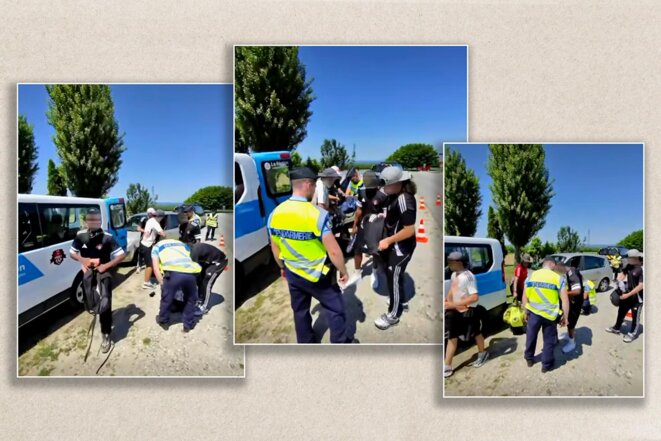
«Ils ont fouillé les sacs de ballons»: des footballeurs de Vaulx-en-Velin dénoncent un contrôle de gendarmerie stigmatisant Une équipe de foot amateur de la métropole lyonnaise a subi un long contrôle «humiliant» par huit gendarmes en amont dun match dans la Drôme. La gendarmerie dit en avoir pris linitiative pour «chercher des couteaux ou armes blanches».
mediapart · 4 months ago
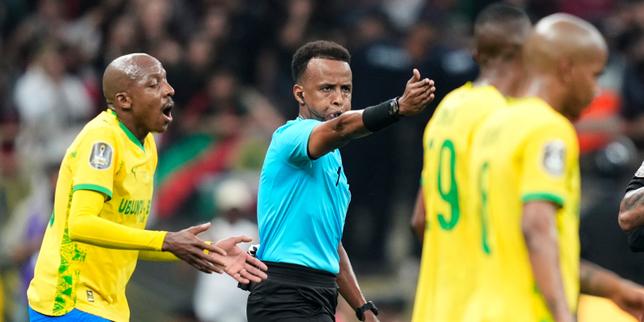
« Le monde du football paie sa lâcheté » : quand un arbitre somalien qui devait participer au Mondial est refoulé des Etats-Unis Désigné meilleur arbitre de lannée 2025 par la Confédération africaine de football, Omar Abdulkadir Artan sest vu refuser lentrée sur le territoire américain, samedi 6 juin. Il disposait pourtant dun visa valide.
le monde · 4 months ago
„Ich hatte das richtige Visum: Somalias Schiri spricht über verweigerte USA-Einreise Omar Artan sollte bei der WM als Schiedsrichter dabei sein. In Miami wurde dem Referee aus Somalia aber die Einreise ins Gastgeberland USA verweigert. Jetzt spricht er darüber.
tagesspiegel · 4 months ago
CM 2026. Noi reguli pentru Cupa Mondială: de la cum se bate un aut la eliminări. Unde ar putea sta rezervele. „Este fără precedent FIFA a implementat mai multe reguli noi la Cupa Mondială 2026, turneu final care începe la finalul acestei săptămâni.
digi24 · 4 months ago