Loading…
 Saturday, September 26Saturday, September 26
4 months · 2 summary articles
Lamine Yamal scores twice as Spain crush Saudi Arabia 4-0 in World Cup comeback
Spains 1970s womens football pioneers star in new documentary: She Shoots, She Scores
Spain’s footballing pioneers, a generation of women who blazed trails decades before La Roja’s 2023 World Cup triumph, are to receive their cinematic due in a new documentary released today. The film, titled *She Shoots, She Scores*, recounts how an unofficial Spanish women’s team toured the country in the 1970s and 1980s, staging matches against Italy and Portugal while defying the sporting establishment to promote the women’s game.
The documentary draws on newly unearthed footage and interviews with surviving players, including goalkeeper María José “Mari” Pardo, who recalls the hostility they faced when arriving at municipal pitches that were often closed to women. “We were told football was not for girls,” Pardo says in the film. “Yet we filled stadiums in Madrid, Barcelona, and Valencia, proving the opposite.” The team played at least six matches between 1971 and 1984, including a 3-1 victory over Portugal in Lisbon in 1978, a result that helped shift public opinion.
The timing of the release coincides with Spain’s preparations for the 2026 FIFA World Cup, where the current squad, now world champions, will defend their title in the United States. “These women laid the groundwork for every girl who now dreams of pulling on the red shirt,” said RFEF president Luis Rubiales. “Their courage deserves to be remembered.” The documentary will premiere in 25 cinemas across Spain on 13 June 2026, with a national television broadcast scheduled for 20 June.
Meanwhile, the men’s team is focused on the upcoming tournament, where 38-year-old Lionel Messi faces his first competitive test since the 2022 World Cup against Austria in Group B. Austrian outlet *Die Presse* asks whether the eight-time Ballon d’Or winner remains at the level that once made him the sport’s most feared attacker.
Barcelona goalkeeper Joan García, speaking to *La Vanguardia*, praised the mental resilience of young Spanish talents such as Lamine Yamal, whose self-assurance on the pitch García described as “unprecedented in Spanish football.” García, 26, will compete in his first World Cup as Spain bids to become the first nation to win consecutive men’s and women’s titles.
The contrast between past and present is stark: where the 1970s pioneers fought for recognition, today’s players enjoy professional contracts, media coverage, and youth academies dedicated to girls’ football. The documentary’s producers hope it will inspire a new wave of players and remind fans that Spain’s footballing identity was built by more than one generation.
Follow us for live European news

El astro del baloncesto que montaba ordenadores y analizaba finanzas Deportistas que ganaron mucho acabaron arruinados; yo pienso en ayudarles, dice Ferran Martínez; ganó una Euroliga con el Joventut y siete Ligas entre el Barça y la Penya
la vanguardia · 4 months ago

Joan García: El descaro que tiene Lamine ya no se ve en el fútbol El portero del Barça y de la selección española atiende a La Vanguardia antes del Mundial
la vanguardia · 4 months ago

Wie gut ist Lionel Messi noch? [premium] Mit fast 39 Jahren ist Lionel Messi nicht mehr der Spieler, der er einmal war. Als ein erster Prüfstein bei der Fußball-WM wartet Österreich.
die presse · 4 months ago
She shoots, she scores: Spains pioneering womens footballers get big screen treatment Decades before Spain won the World Cup, a group of women toured the country promoting womens football and even played Italy and Portugal with an unofficial national side.
euronews · 4 months ago
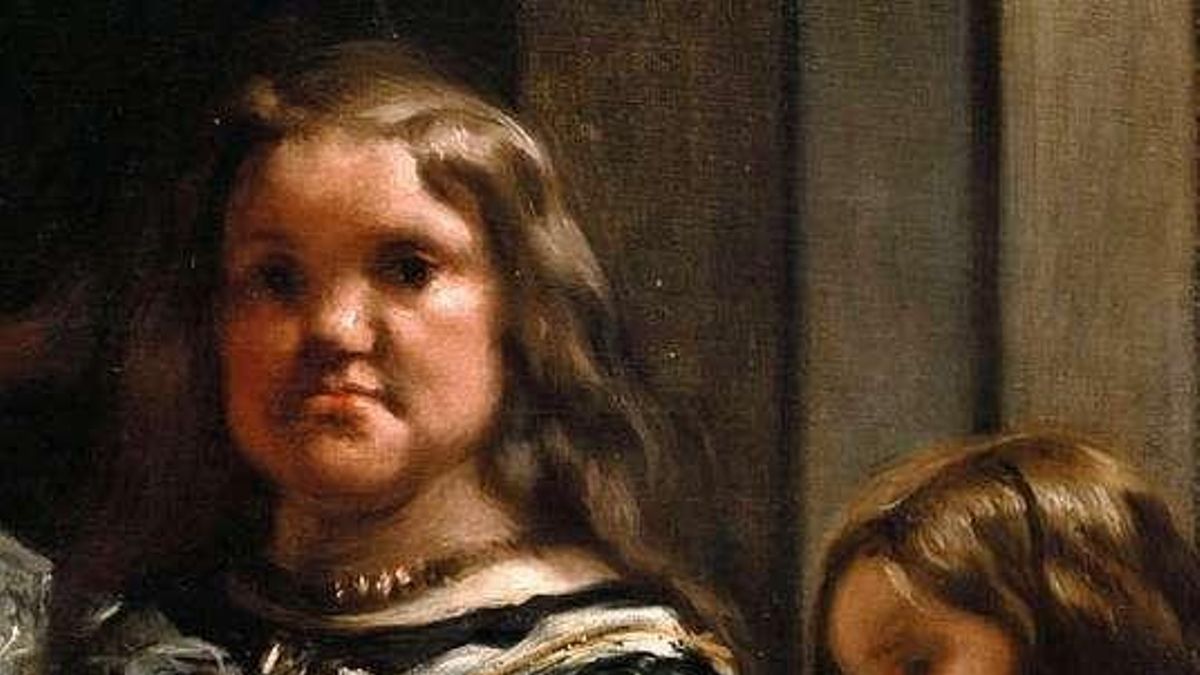
La niña ridiculizada en el cuadro de Las Meninas que Jiménez Lozano convirtió en protagonista de un relato La enana de corte retratada por Velázquez pasó de ser un personaje secundario de la historia oficial a convertirse en símbolo de dignidadEl cuadro más famoso de Velázquez no siempre se llamó Las Meninas: así cambió su nombre con los siglos Hay personajes históricos que protagonizaron guerras, gobernaron imperios o cambiaron el rumbo de su tiempo. Y luego están aquellos que apenas dejaron unas pocas líneas en los archivos, figuras aparentemente secundarias que quedaron relegadas a los márgenes de la historia. Sin embargo, la literatura tiene una capacidad singular: rescatar a quienes parecían condenados al olvido y devolverles una voz que nunca tuvieron. A veces basta una página para cambiar la manera en que observamos un cuadro, una fotografía o un acontecimiento histórico. Eso es precisamente lo que ocurre cuando se contempla Las Meninas después de leer a José Jiménez Lozano. Allí donde la mayoría de los visitantes fija la mirada en la infanta Margarita, en Velázquez o en los reflejos de los reyes, el escritor decidió detenerse en una figura situada en uno de los laterales del cuadro: María Bárbola, la enana de corte que aparece mirando directamente al espectador desde hace más de tres siglos. Quién fue María Bárbola, la mujer que aparece en Las Meninas Todo comienza en el propio lienzo de Velázquez. María Bárbola, también conocida como Mari Bárbola o María Bárbara Asquín, era una enana de corte de origen alemán que formó parte del entorno de la reina Mariana de Austria durante el siglo XVII. Los documentos conservados muestran que recibía salario, manutención e incluso determinadas prestaciones reservadas a los servidores reales. Imagen de archivo del cuadro Las Meninas, de Velázquez, en el Museo del Prado./Archivo. EFE/Sergio Pérez A diferencia de otros personajes con discapacidad que aparecían habitualmente en las cortes europeas de la época como elementos de entretenimiento, Velázquez la retrató de una manera sorprendentemente digna. Mientras otros personajes interactúan entre sí, María Bárbola sostiene la mirada del espectador con una seriedad y una firmeza que siguen llamando la atención siglos después. El pintor sevillano no la caricaturizó ni la convirtió en un elemento cómico dentro de la composición. La colocó de pie, con presencia propia y con una intensidad visual que la ha convertido en uno de los personajes más memorables del cuadro. La protagonista inesperada de José Jiménez Lozano Es aquí donde entra en escena José Jiménez Lozano. El escritor, Premio Cervantes en 2002, dedicó uno de sus breves relatos a esta figura aparentemente secundaria. Frente a las interpretaciones históricas o artísticas tradicionales, decidió fijarse en quien normalmente quedaba relegada al fondo del relato oficial. La respuesta a la pregunta del titular es precisamente esa: Jiménez Lozano convirtió en protagonista a una mujer que durante siglos había sido observada como un personaje secundario dentro de la corte y dentro del propio cuadro. Su relato no habla de reyes ni de grandes gestas, sino de dignidad, memoria y permanencia. En María Bárbola, un texto corto de Jiménez Lozano, la intención es que siendo nadie o siendo nada o siendo una despreciada que no puede ni hablar, tiene una dignidad enorme al haber sido inmortalizada por uno de los más grandes, y ahí estoy yo, dice refiriéndose al cuadro. Las Meninas de Velázquez son un retrato, partiendo de esa base. Un retrato a los reyes, obviamente, porque estaba contratado por la propia familia real, pero ¿dónde están los reyes? En el espejo. Ergo somos nosotros los reyes, cuando miramos el cuadro somos los protagonistas de este. Aun así, también es un autorretrato, él mismo se dibujó en el cuadro y enmarcó en él una fuerte crítica a la realeza y la sociedad de palacio, porque dibujó a María Bárbola. Y ahí estoy yo, dice en el relato de Jiménez Lozano, ese es el tiempo futuro, porque ella permanecerá por siempre en él. La idea resulta profundamente característica de la obra de José Jiménez Lozano, un autor que dedicó buena parte de su literatura a rescatar a los olvidados, a los marginados y a quienes la historia oficial apenas había prestado atención. Diversos estudios sobre su narrativa destacan precisamente esa atención constante hacia los llamados seres de desgracia y hacia las figuras situadas en los márgenes de la historia. La inmortalidad dentro de un cuadro Cuando hoy millones de personas visitan el Museo del Prado para contemplar Las Meninas, la mayoría continúa buscando a la infanta Margarita o al propio Velázquez. Sin embargo, la lectura de Jiménez Lozano propone una mirada diferente. Invita a detenerse ante esa mujer que la sociedad de su tiempo consideraba inferior y que, sin embargo, ha sobrevivido a reyes, nobles y cortesanos gracias a la pintura. Paradójicamente, quienes ocuparon las posiciones más altas del poder han quedado difuminados para muchos visitantes. En cambio, María Bárbola sigue allí. Su rostro continúa observando a quienes se colocan frente al lienzo. Y esa permanencia es precisamente la gran intuición literaria de Jiménez Lozano. Porque la verdadera protagonista de su relato no es una enana de corte del siglo XVII. Es la dignidad humana. La capacidad de alguien aparentemente insignificante para desafiar al tiempo gracias al arte. Y la certeza de que, mientras exista el cuadro de Velázquez, seguirá cumpliéndose aquella frase que resume todo el relato: Y ahí estoy yo. Como dijo la periodista María Teresa Alvarez, autora del libro El secreto de Maribárbola: Maribárbola, a pesar de que no quería fijar su mirada en la parte del cuadro en el que ella se encontraba, no pudo evitarlo. Su horrible aspecto le hizo daño, una vez más. Nunca se miraba en los espejos y, aunque parezca imposible, conseguía olvidarse de cómo era físicamente. Si hubiese tenido valor habría destrozado aquella obra de arte que perpetuaba su fealdad.
eldiario.es · 4 months ago