
Ukraine claims 116 Russian vessels hit in Sea of Azov as Putin vows powerful retaliation
Story Timeline
3 months · 19 summary articles
Ukraine's drone forces have claimed to have hit 116 vessels in the Sea of Azov in the past nine days, as Russian President Vladimir Putin vowed a powerful retaliation to Ukrainian attacks on Russian territory. The commander of Ukraine’s drone forces said its drones struck several tankers and cargo ships with the aim of damaging Russia’s “shadow fleet”.
Russia is considering rerouting cargo from the Sea of Azov after increased Ukrainian attacks on shipping, the transport ministry said on Tuesday. Russian foreign minister Sergei Lavrov called the attacks "acts of terrorism." Putin said Moscow would respond to Ukrainian attacks on its territory with retaliatory strikes that would be "several times more powerful," adding that the scale of such responses would increase.
Ukraine’s military also said it struck two Russian oil refineries in the Bashkortostan and Krasnodar regions, sparking fires at the Gazprom Neftekhim Salavat complex and the Afipsky refinery, with Russian authorities confirming both blazes. Russian-controlled Sevastopol in Crimea imposed rolling power cuts after Ukrainian attacks, while fuel shortages linked to strikes on refineries and logistics have led to gasoline restrictions across Crimea.
In the Odesa region, Russia struck a civilian cargo ship for the second consecutive day on July 14, killing two people, Governor Oleh Kiper said. "This evening, the enemy launched another attack on port infrastructure in Odesa Oblast. During the attack, a hostile drone struck a civilian vessel flying the flag of the Marshall Islands, damaging the ship's superstructure. A fire broke out on board," Kiper reported. Two people were killed in the attack on the ship, he said. The governor did not disclose details about the identities of the victims.
The previous day, Russia hit a civilian cargo vessel flying the Togolese flag while it was unloading mineral fertilizers at the port of Odesa. The July 13 attack killed five people, including three foreign crew members, and injured 10 others. Russia has repeatedly targeted Ukraine's Black Sea port infrastructure and commercial shipping since the start of the full-scale invasion, despite the reopening of a maritime export corridor that has allowed Ukraine to resume grain exports.
Ukrainian officials have warned that these attacks threaten global food security. Russia's attacks on cargo vessels follow a sustained Ukrainian drone campaign against Moscow's "shadow fleet." As of July 14, Unmanned Systems Forces Commander Robert "Madyar" Brovdi said Ukrainian drones had attacked 116 vessels in Russia's key maritime corridors. The aim of the campaign is to halt Russia's commercial traffic, particularly oil flows, and cut off critical military supply routes to Crimea.
Russian foreign minister Sergei Lavrov accused Ukraine on Tuesday of attacking commercial vessels in the Sea of Azov and the Black Sea in what he called acts of terrorism. "What the Ukrainian regime is doing goes beyond even piracy. Pirates, at least, plunder and keep the spoils for themselves. But here, it benefits neither them nor anyone else - the goal is simply to cause damage and intimidate. It is terrorism, pure and simple," Lavrov said.
The conflict has also seen significant casualties and damage on the ground. On July 14, Russia launched 8 missiles, 79 airstrikes (250 bombs), 10,559 drones, and 3,282 shelling attacks. Ukrainian forces repelled 253 engagements, hitting enemy personnel, artillery, and drones. The highest assaults were in Pokrovsk (40). Enemy lost 1,470 troops, 10 tanks, 42 artillery, 2,003 drones, and 445 vehicles.
In other developments, Russian forces attacked three districts of Dnipropetrovsk Oblast on July 15, injuring one man and damaging infrastructure facilities. A Russian drone attack on Chernihiv Oblast killed one man, according to the State Emergency Service of Ukraine. A 70-year-old woman died from injuries sustained in a Russian attack on Kherson.
The conflict has also had international repercussions. The European Union has blacklisted Russian hackers and firms over cyberattacks on Europe and Ukraine. Poland intercepted a Russian spy plane over the Baltic Sea and accused Moscow of probing its air defenses.
The situation remains tense, with both sides exchanging drone strikes and attacks on civilian and military targets. The international community continues to monitor the conflict closely, with concerns about the humanitarian impact and global food security.
Follow us for live European news
- 2
- 1
- 1
- 1
- 1
- 1
4 further sources not geolocated
Articles

russian invaders sentence Ukrainian to six years for defending his own country in 2015The sentence demonstrates the lawlessness and brazen methods which russia is increasingly using to try to rewrite the facts about its invasion of #Ukraine
mastodon bot · 2 months ago

Russian attack on Odesa leaves three people killed, three injured Russian forces attacked Odesa, leaving people dead and injured.
ukrinform · 2 months ago
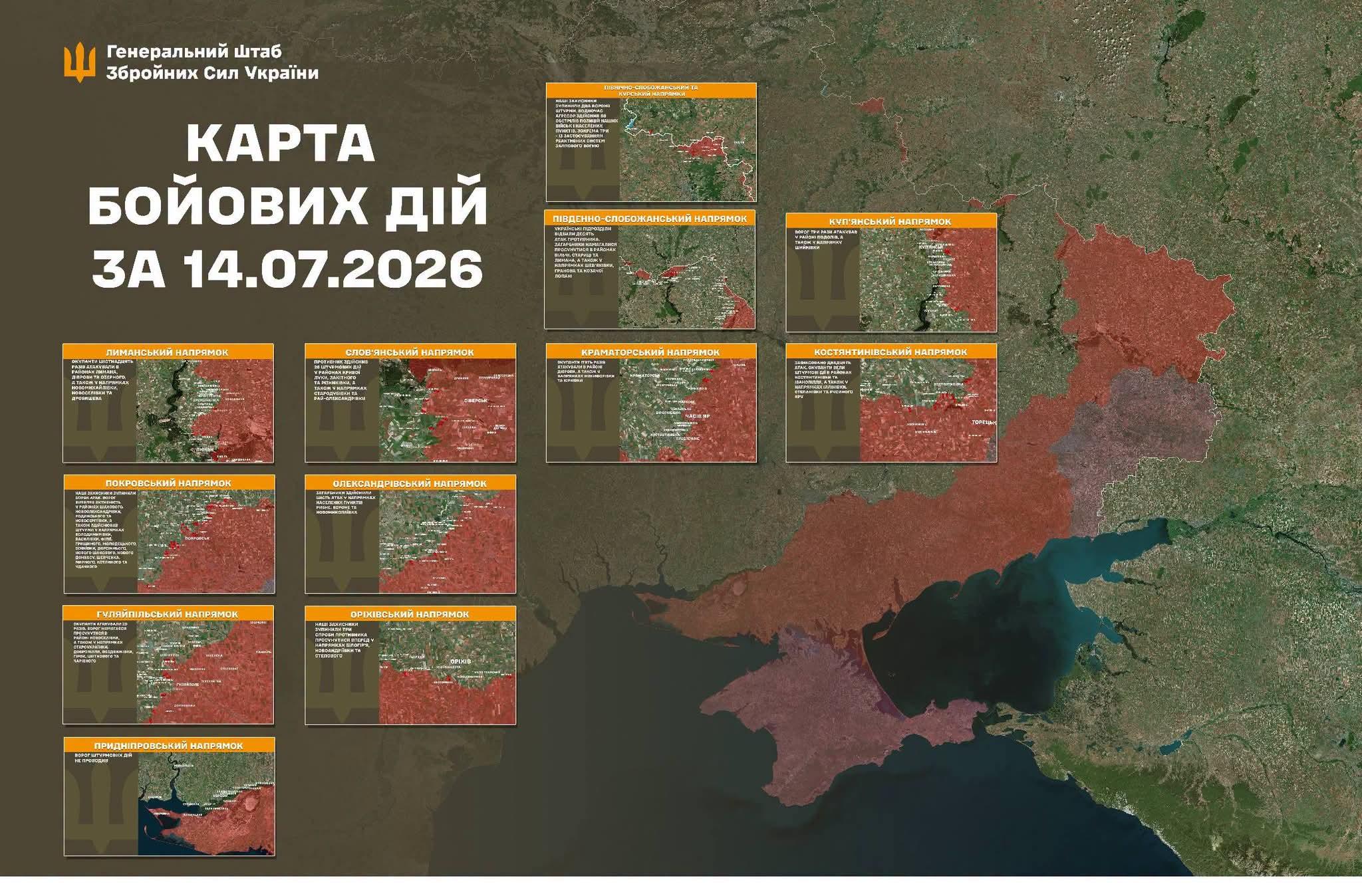
15 July 2026, Day 1,603 of the full scale invasion, yesterday:russia launched 8 missiles, 79 airstrikes (250 bombs), 10,559 drones, and 3,282 shelling attacks. Ukrainian forces repelled 253 engagements, hitting enemy personnel, artillery, and drones.Highest assaults in Pokrovsk (40). Enemy lost 1,470 troops, 10 tanks, 42 artillery, 2,003 drones, and 445 vehicles. #Ukraine holds strong. Glory to Ukraine! 🇺🇦
mastodon bot · 2 months ago

⚡️Second Russian strike on foreign vessel within days kills 2 in Odesa Oblast. Russia struck a foreign ship in Odesa Oblast for the second time within days on July 14, killing two people, Governor Oleh Kiper said.
bluesky_Kyiv Independent · 2 months ago
Russian forces attack Dnipropetrovsk Oblast in morning strike, one person injured Russian forces attacked three districts of Dnipropetrovsk Oblast on 15 July, injuring one man and damaging infrastructure facilities.
ukrpravda · 2 months ago
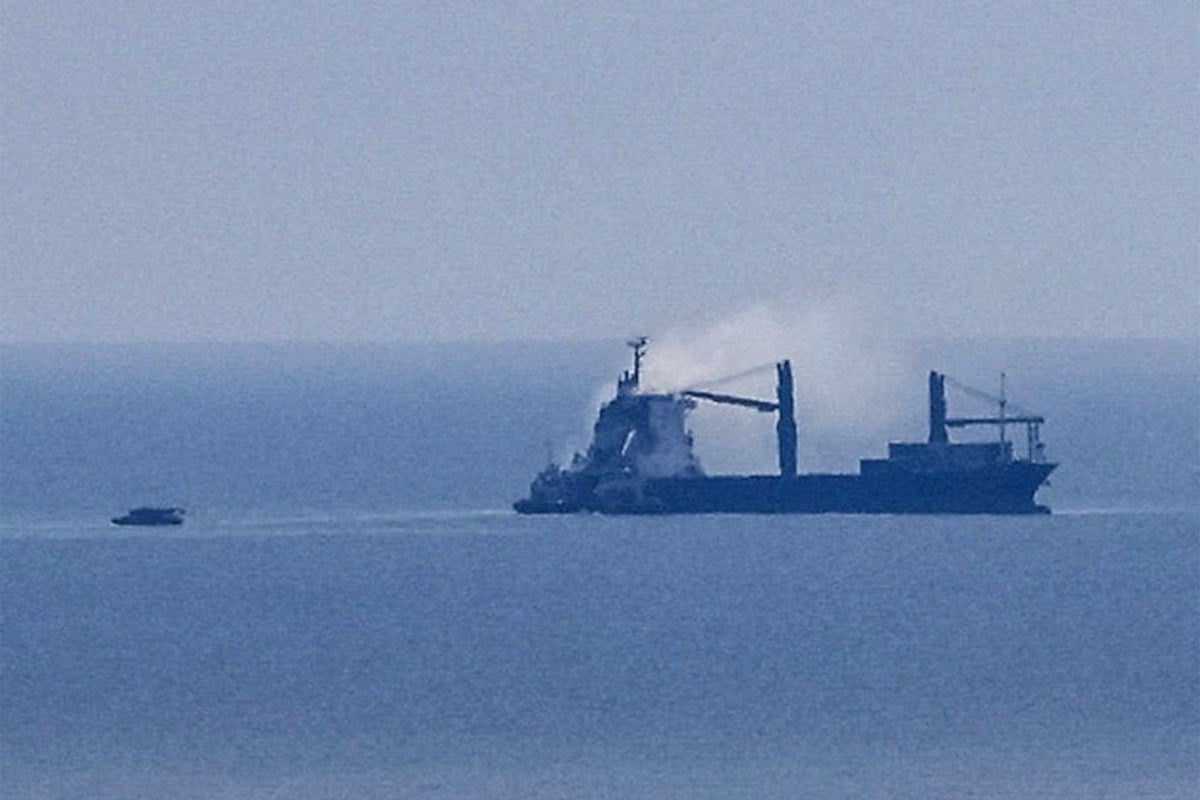
Ukraine-Russia war latest: Kyiv says more than 100 Russian ships in Azov hit in nine days Russia considering rerouting cargo from the Sea of Azov after increased Ukrainian attacks on shipping
independent · 2 months ago

Russian oil industry set back 20 years by Ukrainian strikes (Ukraine Battlefield update: Day 1,602)
bluesky_EUobserver · 2 months ago
Man killed in Russian drone attack in Chernihiv Oblast – photos A man has been killed in a Russian drone attack on Chernihiv Oblast, according to the State Emergency Service of Ukraine.
ukrpravda · 2 months ago

Day 1,603 of the full scale invasion has begun Estimated russian losses from February 24, 2022 to July 15, 2026 of the russian all-out war against Ukraine, according to the General Staff of #Ukraine🔷 Yesterday 1,,470 enemy, killed or wounded
mastodon bot · 2 months ago
Woman killed in Russian attack on Kherson A 70-year-old woman has died from injuries sustained in a Russian attack on Kherson.
ukrpravda · 2 months ago
EU Blacklists Russian Hackers and Firms Over Cyberattacks on Europe and Ukraine
gdeltproject.org · 2 months ago

Russia Slams Baseless EU Accusations of Cyber Attacks: Kremlin #Europe #Russia #Ukraine
mastodon bot · 2 months ago
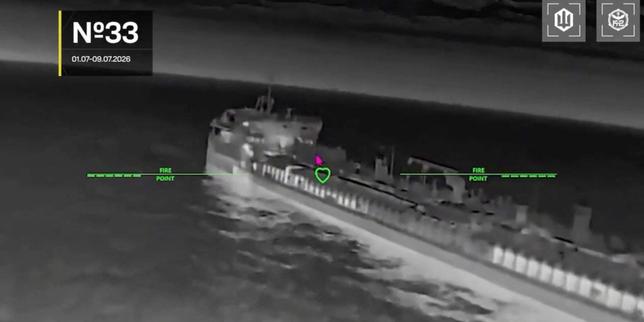
Ukraine expands attacks to the Sea of Azov, a crucial maritime corridor for Russia After choking off Crimea, which Moscow has occupied since 2014, Ukrainian drones are waging a relentless naval campaign against Russias so-called shadow fleet, which has been accused of evading sanctions. This has brought the traffic of these vessels on the Sea of Azov to a near halt.
le monde · 2 months ago
KYIV POST: Why Russian Tankers Are Burning in the Sea of Azov – and What Ukraine Is Trying to Achieve Ukraine targeted 116 Russian vessels in nine days, freezing Kerch Strait traffic, shattering Putins internal sea myth and forcing Moscow to seek costly alternative transport routes. #Ukraine #World #Energy #Economy
mastodon bot · 2 months ago

📰 Ukraine war briefing: Spotlight on hundreds of alleged PoW executions by Russia🔗 #RussianInvasion #RussianWar #Ukraine
mastodon bot · 2 months ago
Russia, Ukraine exchange overnight drone strikes killing six At least six people died and 22 were wounded as Moscow and Kyiv traded massive overnight drone barrages across border regions, with Ukrainian President Volodymyr Zelenskyy accusing Russian forces of striking civilian buses and apartment buildings while Moscow claimed its air defenses intercepted hundreds of incoming unmanned aircraft.
yenisafak · 2 months ago

📰 Deadly Russian strike hits foreign vessel in Odesa port for second day in row, killing 2🔗 #RussianInvasion #RussianWar #Ukraine
mastodon bot · 2 months ago

📰 Update from Ukraine | Wow! Ukraine Smashed Rus Army in Dnipropetrovsk Oblast🔗 #RussianInvasion #RussianWar #Ukraine
mastodon bot · 2 months ago
Russia accuses Ukraine of terrorism in Sea of Azov as Kyiv opens new front in war Russia on Tuesday accused Ukraine of terrorism over its escalating attacks on shipping in the Sea of Azov, a route that handles about a quarter of its grain…
japantoday · 2 months ago
Ukraine-Russia war latest: Putin strikes civilian ship near Black Sea port after threatening powerful attacks Attacks come as Zelensky and allies vow to use war-tested Kyivs defence to protect Europe against Russian ballistic missiles
independent · 2 months ago
Enemy drone strikes village council in Zolochiv, injuring one person On the afternoon of July 14, a Russian drone struck the town council building in Zolochiv, Kharkiv region, injuring a 60-year-old man.
ukrinform · 2 months ago
Russian drone attacks infrastructure facility in Kryvyi Rih, one person injured Russian forces attacked an infrastructure facility in Kryvyi Rih with a drone, injuring one person.
ukrinform · 2 months ago
Russians attack another vessel in Odesa region, killing two A Russian attack on the port infrastructure of Ukraines Odesa region struck a civilian vessel flying the Marshall Islands flag, killing two people.
ukrinform · 2 months ago
Russian drone strikes civilian car in Kharkiv region, killing driver A Russian drone attacked a civilian vehicle in Ukraines Kharkiv region, killing the driver.
ukrinform · 2 months ago
Russians strike outskirts of Sumy with cluster munition, five people injured Five people were injured and private residential buildings were damaged as a result of a Russian air attack on the Sumy community.
ukrinform · 2 months ago

Ukraine Sea Drone Sinks Russian Ship Near Compound Said to Be Linked to Putin The attack showed the extent to which the drones have helped Kyiv exercise greater control in the Black Sea.
wsj · 2 months ago

📰 Russian forces hit two more cargo ships off Odesa, killing a captain and injuring three crew members🔗 #RussianInvasion #RussianWar #Ukraine
mastodon bot · 2 months ago
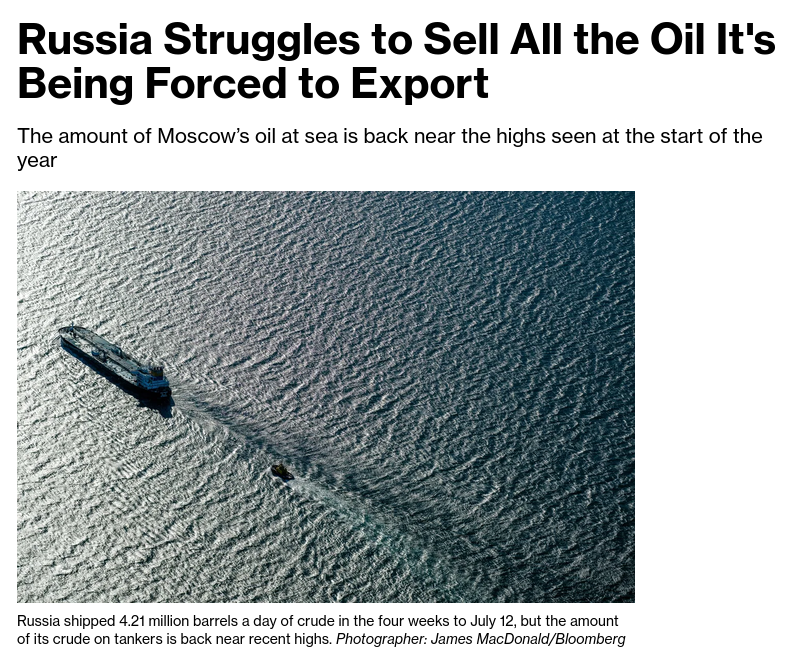
Russia is struggling to deliver all of the crude its being forced to ship overseas in the face of escalating Ukrainian drone strikes on its refineries. #Russia
mastodon bot · 2 months ago
Russia attacks 2 vessels, killing captain of one of them Russian forces have attacked two merchant vessels sailing under the flags of Tanzania and Liberia in the Black Sea, killing the captain of one of them.
ukrpravda · 2 months ago
Eight injured, including emergency worker, in Russian attacks on Dnipropetrovsk Oblast – photos Eight people were injured in Russian attacks on Dnipropetrovsk Oblast on 14 July.
ukrpravda · 2 months ago