Loading…
 Saturday, September 26Saturday, September 26
3 months · 3 summary articles
Armenias 2026 elections enter coalition talks after no party secures majority
Armenia's coalition talks intensify after no party wins majority in 2026 elections
Armenias 2026 elections leave Pashinyan short of majority, sparking coalition talks
Armenia’s 2026 parliamentary elections have entered a critical phase as coalition talks intensify following the June 13 vote, with no single party securing a majority and international monitors confirming the process met democratic standards despite polarization. The Armenia Election Monitor’s Special Issue, published on June 12, underscores the election’s significance as a test of the country’s democratic resilience amid geopolitical pressures .
Preliminary assessments by international observers, including those cited in the June 5 Armenia Election Monitor report, found no credible evidence of large-scale fraud, though concerns over Russian interference and procedural integrity persisted . The June 17 confirmation by monitors that the elections adhered to democratic norms provided a rare moment of reassurance in a region where electoral integrity is often contested. Voter turnout reached 58.3%, reflecting public engagement but also highlighting the challenges of consolidating democratic gains in a fragmented political landscape .
The absence of an outright majority has thrust Armenia into uncharted territory, with coalition negotiations now the focal point of political activity. The June 10 Armenia Election Monitor emphasized the elections’ role in shaping the country’s democratic future, warning that prolonged deadlock could undermine stability . Analysts suggest the outcome may hinge on whether smaller parties prioritize national interests over regional allegiances, particularly given Armenia’s delicate balancing act between diversification and dependency in its foreign policy.
The broader context of these elections cannot be overstated. Armenia’s strategic position between Europe and Eurasia has made it a battleground for influence, with both Western and Russian actors closely watching the post-election dynamics. The June 11 discussions in Astana on critical minerals further illustrate the high stakes, as global powers vie for access to Armenia’s resources amid shifting alliances .
As coalition talks drag on, the international community’s role in supporting Armenia’s democratic transition remains pivotal. The June 19 National and International News in Focus highlights the broader geopolitical implications, noting that the elections’ outcome could reverberate across the South Caucasus . With Armenia’s political future hanging in the balance, the coming weeks will determine whether the country can navigate its divisions—or succumb to the pressures of a polarized electorate.
Follow us for live European news
1 further source not geolocated

DeBriefed 19 June 2026: Bonn talks end in gridlock | Energys new era | Oceans in climate negotiations Welcome to Carbon Briefs DeBriefed. An essential guide to the weeks key developments relating to climate... The post DeBriefed 19 June 2026: Bonn talks end in gridlock | Energys new era | Oceans in climate negotiations appeared first on Carbon Brief.
carbon brief · 3 months ago
HARIDUSMINISTRIT SEE EI HUVITA ⟩ Emakeele riigieksami hämar köögipool: vigane hindamine, ettevalmistuseta eksperdid ja vaideõiguse formaalsus Äsja selgusid tänavuse eesti keele riigieksami tulemused. Karta on, et võrreldes eelmiste aastatega tulemuse vaidlustajate arv kasvab.
postimees · 3 months ago

Sport : faut-il vraiment sentraîner plusieurs fois par semaine pour progresser ? Courir deux heures le dimanche ou bouger un peu chaque jour ? Lorsquil sagit de progresser, la science est formelle : la régularité lemporte presque toujours sur les exploits occasionnels. Mais à partir de combien de séances observe-t-on réellement des résultats ? Et comment progresser sans sépuiser ? ...
la libre · 3 months ago
Cosa regalare alle maestre a fine anno? 5 libri per dire grazie a chi accompagna i bambini nella crescita Con la fine dellanno scolastico si avvicina anche il momento dei saluti, tra abbracci, sorrisi e un pizzico di nostalgia ringraziando le maestre e i maestri. La conclusione dellanno scolastico rappresenta per i bambini una tappa importante, un momento di vita, fatto di relazioni, di difficoltà superate, di amicizie costruite e sostegno reciproco. Un percorso […] Larticolo Cosa regalare alle maestre a fine anno? 5 libri per dire grazie a chi accompagna i bambini nella crescita proviene da Il Fatto Quotidiano.
il fatto quotidiano · 3 months ago
Diversity Media Awards 2026: a settembre prima volta a Roma per gli Oscar dellinclusione. Aperte le votazioni per le nomination Per la prima volta a Roma, a settembre 2026 va in scena lundicesima edizione dei Diversity media awards, gli Oscar dellinclusione. Il grande evento aperto al pubblico, è realizzato dalla Fondazione Diversity di Francesca Vecchioni con il patrocinio dellAssessorato ai Grandi Eventi, Sport, Turismo e Moda di Roma Capitale. Durante la serata, sotto la direzione […] Larticolo Diversity Media Awards 2026: a settembre prima volta a Roma per gli Oscar dellinclusione. Aperte le votazioni per le nomination proviene da Il Fatto Quotidiano.
il fatto quotidiano · 3 months ago
Ilfattoquotidiano.it compie 16 anni: Il nostro primo grazie va ai lettori. Offerta di abbonamento Sostenitore solo fino al 22 giugno: scopri i vantaggi Sedici anni di informazione libera, indipendente e senza padroni. Il 22 giugno 2010 nasceva ilfattoquotidiano.it con unidea semplice ma controcorrente: fare anche sul web un giornale capace di sostenersi senza finanziamenti pubblici e senza condizionamenti esterni, mettendo al centro i fatti e il rapporto con i lettori. Da allora il sito diretto da Peter Gomez […] Larticolo Ilfattoquotidiano.it compie 16 anni: Il nostro primo grazie va ai lettori. Offerta di abbonamento Sostenitore solo fino al 22 giugno: scopri i vantaggi proviene da Il Fatto Quotidiano.
il fatto quotidiano · 3 months ago
„In Norwegen wird eine gestorbene Person automatisch zum Organspender Nach der schnellen Lungentransplantation von Kronprinzessin Mette-Marit diskutiert Deutschland erneut über die Widerspruchslösung bei Organspenden. „Es war mal in den 70er Jahren geplant, aber es ist nie dazu gekommen, sagt WELT-Kolumnist Robin Alexander.
welt.de · 3 months ago
Michal Kaščák: Kaliňákov rezort chce určovať, čo môžu ľudia na Pohode hovoriť. Situáciu musíme vyriešiť do týždňa Ak budeme nútení realizovať plán B, nechcel by som, aby Pohoda skončila, upozorňuje šéf festivalu Pohoda Michal Kaščák.
aktuality.sk · 3 months ago
Úradnícky čin roka 2025: Keď verejná služba mení Slovensko Aj vo verejnej správe vznikajú príbehy odvahy, odbornosti a ľudskosti. Úradnícky čin roka 2025 oceňuje tých, ktorí svojou prácou dokazujú, že štát a samosprávy môžu fungovať lepšie, bližšie k ľuďom a vo verejnom záujme.
aktuality.sk · 3 months ago
Bari un dibattito su informazione locale e Mezzogiorno Un momento di approfondimento sul valore dellinformazione territoriale in una fase in cui le notizie viaggiano sempre più rapidamente su scala globale ma continuano ad avere radici profonde nei luoghi,...
il sole 24 ore · 3 months ago
3 June 2026 - Armenia Election Monitor - A strategic choice: Armenian voters between diversification and dependency
commonspace · 3 months ago
5 June 2026 - Armenia Election Monitor - Armenia goes to the polls, searching for a way forward
commonspace · 3 months ago
10 June 2026 - Armenia Election Monitor - The Importance of the 2026 Parliamentary Elections for Armenias Democratic Future
commonspace · 3 months ago
12 June 2026 - Armenia Election Monitor - Special Issue
commonspace · 3 months ago

New study reveals how much each generation spends on their pet Gen Z have told pollsters that they are willing to go to extreme lengths to pay for their pets needs
independent · 3 months ago

Influencer joins foreign ministers trip, with his flights paid. His exact role is unclear The 25-year-old content creator has built a large online following, largely through soft-soap interviews with politicians.
spectator.sme.sk · 3 months ago
UK, US and global politics: what students should know Read FT articles picked by our teacher advisers
financial times · 3 months ago
Latest news bulletin | June 19th, 2026 – Evening Catch up with the most important stories from around Europe and beyond this June 19th, 2026 - latest news, breaking news, World, Business, Entertainment, Politics, Culture, Travel.
euronews · 3 months ago
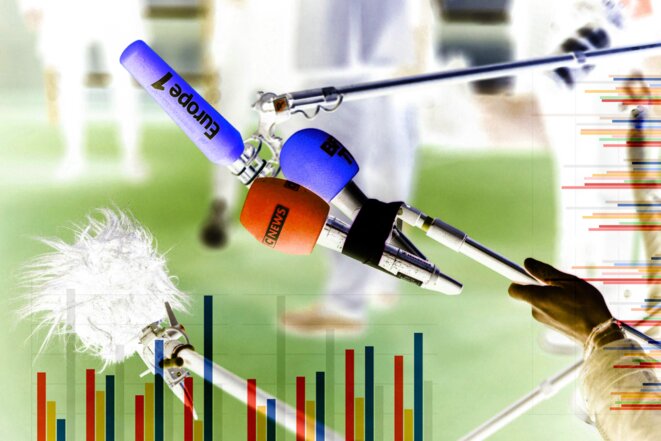
Temps de parole: révélations sur les trucs et astuces des médias Bolloré pour contourner les règles «Mediapart» sest procuré le détail des temps de parole des chaînes de télévision et de radio. Ces données attestent, côté CNews, que lantenne est mise au service du projet dunion des droites de Vincent Bolloré. Sur Europe 1, la gauche est reléguée à des horaires nocturnes, sans susciter de sanctions de lArcom.
mediapart · 3 months ago
„KI hilft bei der Vorbereitung, um einen Überblick über die Themen und Quellen zu bekommen Digitalminister Karsten Wildberger verteidigte die Nutzung von KI beim Redenschreiben und erhält Zuspruch aus dem Ministerium. „Herr Wildberger hält ungefähr eine Rede am Tag. Logisch, dass wir da auch effizient sein wollen, sagt Thomas Jarzombek, Erster Parlamentarischer Staatssekretär im BMDS.
welt.de · 3 months ago

Wenn die AfD altlinke Fortschrittskritik übernimmt Eine fast ironische Volte: Ausgerechnet die AfD kopiert zuweilen die Einwände der alten grünen Ökobewegung. Aktuelles Beispiel ist das Ringen um eine Neuregelung der Organspende.
welt.de · 3 months ago
Gesundes Essen einkaufen, kochen und genießen: Können 10.000 Fachkräfte die Ernährung in Schulen besser machen? Ob Kinder lernen, wie man sich gesund ernährt, hängt oft vom Engagement einzelner Schulen ab. Erfahrungen aus Europa zeigen: Helfen könnten dabei Schulgesundheitsfachkräfte. Doch in Deutschland gibt es davon viel zu wenige.
tagesspiegel · 3 months ago
Nórsko zavedie takmer úplný zákaz AI na základných školách Nórsko dramaticky obmedzí generatívnu AI v školách a vracia sa ku klasickým učebniciam. Cieľom je chrániť deti a zastaviť zhoršovanie školských výsledkov.
aktuality.sk · 3 months ago

Leaving Cert economics: Topical paper tackles Irish and global climate Wordy questions leave students tight for time in 150-minute exam
irish times · 3 months ago
Reportagens do PÚBLICO distinguidas com prémio Direitos da Criança em Notícia Reportagem do PÚBLICO centrada no diagnóstico de dislexia em crianças foi vencedora na categoria de Imprensa Nacional/Online.
publico · 3 months ago
Slår tilbake mot forfatter: – Ikke tilfeldig Norges VM-opptur blir kalt «tilfeldig». Erik Hoftun kjøper ikke kritikken fra Frode Saugestad.
aftenposten · 3 months ago
Une heure par semaine denseignement à lIA en seconde à la rentrée 2027 Le Premier ministre Sébastien Lecornu a fait cette annonce ce vendredi sur les réseaux sociaux. Une promesse, non tenue, quavait déjà faite Elisabeth Borne en février 2025.
liberation · 3 months ago
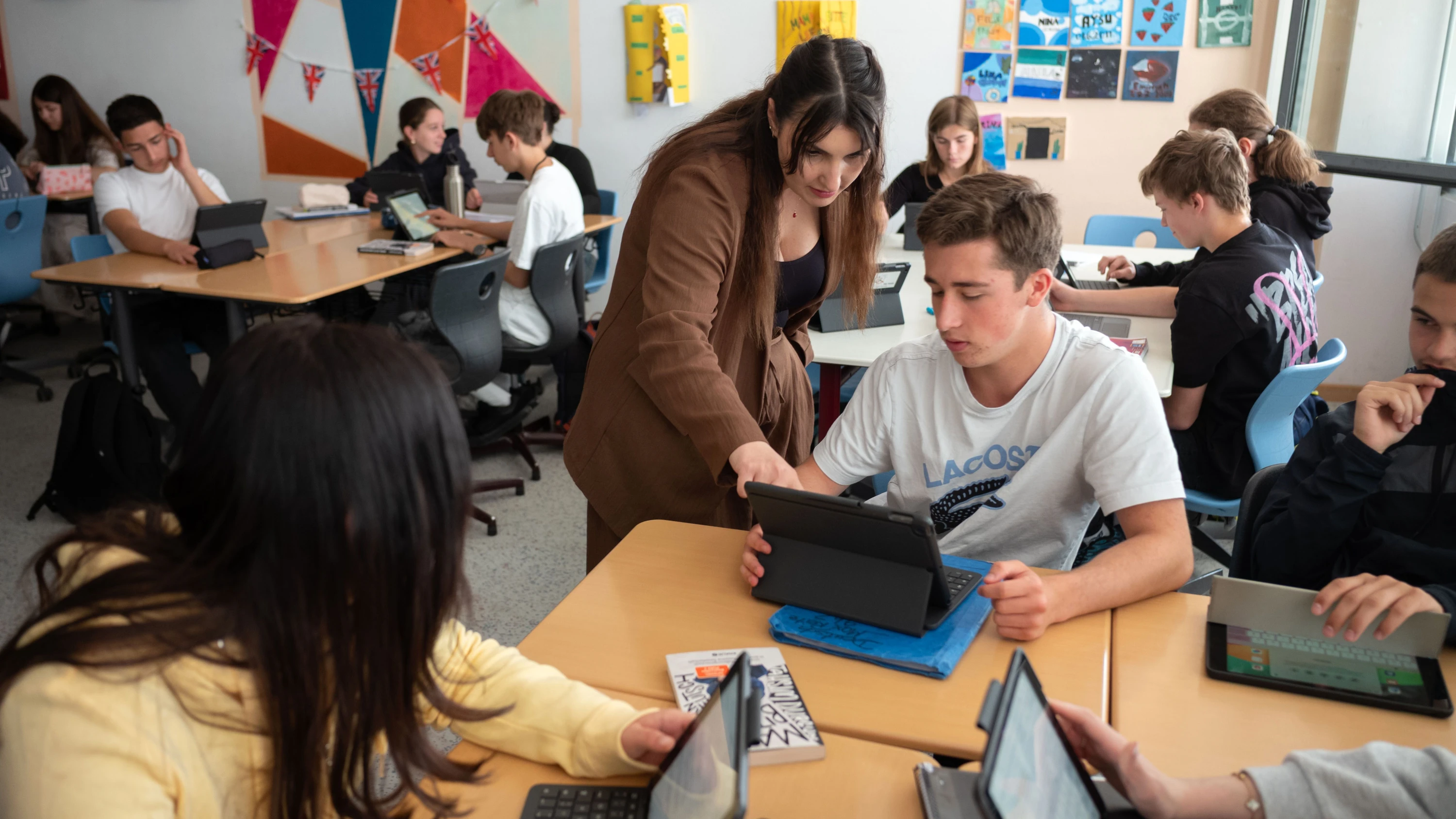
Lernen in Zeiten von KI: „Chatty krempelt die Schule um Hausaufgaben auf Knopfdruck und Bots, die Feedback geben können: Die KI hat den Alltag in der Schule drastisch verändert. Was bedeutet das für die Zukunft des Lernens?
faz · 3 months ago

Bildungsgeschichte: Exklusive Schulen haben eine lange Tradition Pädagogium für Führungseliten: Eine Kabinettausstellung der Franckeschen Stiftungen in Halle gibt Einblicke in eine Privatschule aus der Zeit der Aufklärung.
faz · 3 months ago

Université : combien ça coûte vraiment ? Minerval, kot, transports, sorties, matériel informatique… Derrière lexcitation de la première rentrée universitaire se cache une réalité parfois méconnue : étudier coûte cher. Quel budget faut-il réellement prévoir pour une première année détudes supérieures ? ...
la libre · 3 months ago