Loading…
 Saturday, September 26Saturday, September 26
4 months · 3 summary articles
Armenia's coalition talks intensify after no party wins majority in 2026 elections
Armenias 2026 elections leave Pashinyan short of majority, sparking coalition talks
Armenias snap election yields fragmented parliament, forcing Pashinyan into fragile coalition talks
Armenia’s parliamentary elections on 2 June 2026 have concluded with no single party securing an outright majority, according to the latest assessment from the Armenia Election Monitor published on 12 June 2026, as the country navigates a pivotal moment in its democratic trajectory. The vote, which took place amid heightened debate over Armenia’s strategic alignment between diversification and dependency, saw turnout levels that observers described as robust for a post-conflict political landscape.
Preliminary results indicate that Prime Minister Nikol Pashinyan’s Civil Contract party remains the largest single force but fell short of the 54 per cent threshold required to govern alone, forcing coalition negotiations that are now underway in Yerevan. The Republican Party of Armenia and the Armenia Alliance, both longstanding political entities, have emerged as key players in potential governing blocs, while smaller parties advocating for closer ties with the European Union and deeper integration with Eurasian institutions have gained marginal ground.
International observers from the OSCE Office for Democratic Institutions and Human Rights (ODIHR) noted that the election administration operated efficiently despite logistical challenges in remote regions bordering Azerbaijan and Turkey. However, civil society groups have raised concerns about the uneven playing field, citing unequal access to state media and persistent allegations of voter intimidation in several rural districts.
Analysts suggest that the fragmented outcome reflects a society deeply divided over the country’s geopolitical orientation. While Pashinyan’s government has pursued a policy of “complementarity,” seeking to balance relations with Russia, the West, and regional neighbours, the electorate appears increasingly polarised between those advocating for accelerated Euro-Atlantic integration and those prioritising stability through continued alignment with Moscow.
Coalition talks are expected to intensify over the coming weeks, with the opposition demanding guarantees on judicial independence and electoral reform as preconditions for any power-sharing arrangement. Meanwhile, the European Union has reiterated its readiness to support Armenia’s democratic and economic reforms, while stressing the importance of inclusive governance. The new parliament is scheduled to convene on 15 July 2026, at which point the contours of Armenia’s next government will begin to take shape.
Follow us for live European news
1 further source not geolocated

Trafikläget: Då väntas det öka på igen Torsdagen är en av två stora resdagar under midsommarhelgen. Trots att det ser bra ut för att vara midsommar väntas det gå trögt i morgon bitti igen. – Det kan vara en del trafik säger Katarina Wolfram, presskommunikatör på Trafikverket.
expressen · 3 months ago
Natasja Froger en Wijnand Speelman voltooien Tour du ALS: Allesbehalve makkelijk Natasja Froger (61) en Wijnand Speelman (37) hebben donderdag met succes de Mont Ventoux in Frankrijk bedwongen tijdens de veertiende editie van goededoelenactie Tour du ALS. Natasja deed dat wandelend, terwijl de 3FM-dj rennend naar boven ging.
rtl nieuws · 3 months ago
Steeds meer sportevenementen afgelast of aangepast vanwege hitte Steeds meer sportevenementen van de komende dagen zijn aangepast of afgelast vanwege de hitte. Sinds donderdagochtend is in het hele land het Nationaal Hitteplan en daarmee ook code geel van kracht.
nu.nl · 3 months ago
Self-cleaning Saros Gulf draws summer visitors with crystal-clear waters An aerial view captures the Saros Gulf, stretching between Edirnes Keşan and Enez districts and Çanakkales Gelibolu district in northwestern Türkiye. Known for its self-cleaning waters, strong currents, and pristine beaches, the gulf is a top summer destination for swimming, diving, and nature tourism.
yenisafak · 3 months ago
Rezultate LOTO - Joi, 18 iunie 2026. Numerele extrase și premiile puse în joc de Loteria Română Joi, 18 iunie 2026, au avut loc noi trageri Loto 6/49, Noroc, Joker, Noroc Plus, Loto 5/40 și Super Noroc. La 6/49 sunt în joc peste 6,23 milioane de euro, iar reportul cumulat la Noroc depășește 1,37 milioane de euro. În plus, Loteria Română a anunțat o suplimentare de 300.000 de lei la categoria I a jocului Joker, după ce duminică, 14 iunie, s-a câștigat premiul cel mare.
digi24 · 3 months ago
Zeer warm weer en benauwende hitte op komst: extra schaduwtenten op Pinkpop en hardlopers verliezen inschrijfgeld Het hitteplan van het RIVM geldt sinds donderdag voor heel Nederland. Vooral 75-plussers, daklozen, mensen in sociaal isolement en (zeer) jonge kinderen moeten oppassen voor vermoeidheid, uitdroging of een hitteberoerte door het warme weer. „Je staat met je rug tegen de muur.
nrc · 3 months ago
EN DIRECT - Alerte canicule : circulation différenciée et limitation de vitesses dans lagglomération parisienne à partir de vendredi La vague de chaleur qui déferle sur la France sintensifie. Selon Météo France, la température la plus élevée de la journée a été relevée à Montmorillon dans la Vienne avec 40,2 °C, un niveau inédit pour un mois de juin. Reports et annulations se multiplient.
liberation · 3 months ago

Republican Rep. Tom Kean Jr. eyes June 30 return after long absence from Capitol Hill Rep. Tom Kean Jr. (R-N.J.) plans to end his months-long absence and return to Capitol Hill at the end of the month, a spokesperson said Thursday.Why it matters: The mysterious nature of Keans more than 100-day disappearance has captured national attention, especially as he is running for re-election in a hotly contested battleground district.Kean said in a statement in April that he was dealing with a "personal medical issue," but he and his staff have thus far declined to offer further details.In another statement earlier this month, after securing the GOP nomination in his district, Kean said he will "transition from virtual work to in person work within a matter of weeks."Driving the news: "Congressman Kean is eager to return to in person work on June 30 and resume a full schedule," Kean spokesperson Harrison Neely said in a statement to Axios.Pressed for insight into Keans status, Neely said he "plans to be fully transparent regarding the nature of his health issue and you should expect to hear from him in person June 30th"The statement was first reported by the New Jersey Globe.Speaker Mike Johnson (La.) told reporters earlier this month that he had been in touch with Kean and was aware of the nature of his health issue. But he said Kean had asked him not to discuss it publicly, adding, "and Im going to honor that."Between the lines: If he sticks to his return date, Kean may only be in town for a few days.The House is scheduled to go on its week-long July 4 recess just two days after he gets back.After that, the House is scheduled to be in session two more weeks before breaking for the remainder of July and all of August.Editors note: This story has been corrected to say that Keans spokesperson is Harrison Neely (not Keely).
axios · 3 months ago
UUS! ⟩ Vaimse tervisega hädas olijad saavad täiesti uue päästerõnga Uppujale me ei kärata kaldalt: «Ise oled süüdi, miks sa sinna vette ronisid!» Kuid vaimse tervisega hädas olijad kogevad sageli abi ja mõistmise asemel süüdistamist. Mis on see, mis päriselt aitab?
postimees · 3 months ago
Češi častěji jezdí na hory pouze na víkendové výlety. Ušetřit na ubytování ale mohou v pracovním týdnu Ani ne dva týdny do začátku letních prázdnin hlásí horské hotely i penziony volné pokoje. Češi rezervují místa na poslední chvíli. Poradíme vám s tím, kam v Krkonoších nebo Jizerských horách vyrazit.
irozhlas.cz · 3 months ago
Péče o odpadkové koše ve městech stojí vyšší statisíce ročně. Královéhradecký kraj má nádob na odpad dost Královéhradecký kraj se v létě proměňuje v jednu z nejvyhledávanějších turistických destinací v zemi. Z dlouhodobých dat Českého statistického úřadu vyplývá, že na vícedenní pobyty sem míří více než milion návštěvníků. Když se připočtou jednodenní výletníci nebo chataři, vyšplhá se jejich počet až ke čtyřem milionům. Udržet v takovém náporu čisté ulice, náměstí a další veřejná prostranství není jednoduché.
irozhlas.cz · 3 months ago

Cuatro ofertas de luz baratas para ahorrar en tu factura (junio 2026) En el mercado libre de la electricidad hay multitud de opciones para pagar menos por el mismo servicio, sin miedo a cortes de suministro y sin depender de los vaivenes del precio por las tensiones geopolíticas. Te presentamos algunas de las mejores tarifas
la vanguardia · 3 months ago

El Sónar +D invita a confesarse con Rosalía y a hablar por teléfono con la Madre Naturaleza Tengo ganas de jubilarme ya, estoy harto de la oficina, le dice un visitante a la Rosalía. ¿Qué le ha respondido?, se le pregunta al confesado cuando se saca los auriculares. Que sí, que la vida son dos días
la vanguardia · 3 months ago
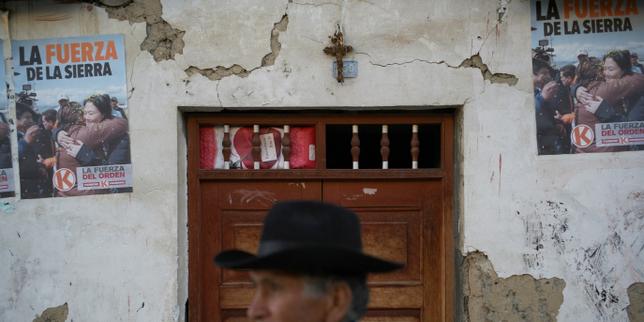
Au Pérou, le très lent dépouillement du second tour de la présidentielle donne pour le moment Keiko Fujimori en tête Onze jours après le vote du 7 juin, le vainqueur na toujours pas été proclamé. La candidate de droite devance son adversaire de gauche, Roberto Sanchez, qui dénonce un manque de transparence dans le comptage des voix.
le monde · 3 months ago
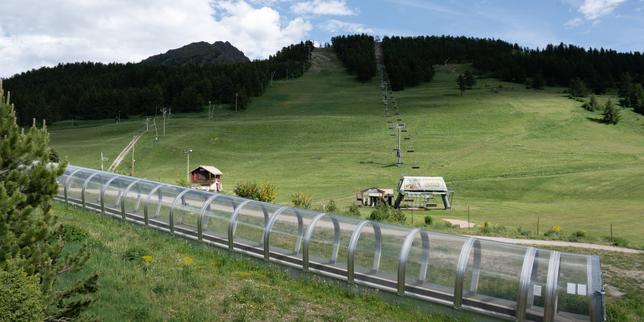
JO dhiver 2030 : dans les Hautes-Alpes, plus de 3 hectares darbres sont menacés par les futures pistes de snowboardcross et de skicross A Montgenèvre, le Comité dorganisation des Jeux peine à proposer un tracé qui réponde aux critères techniques exigés par la Fédération internationale de ski sans couper des centaines de mélèzes. La carte des sites olympiques doit être dévoilée vendredi 19 juin.
le monde · 3 months ago
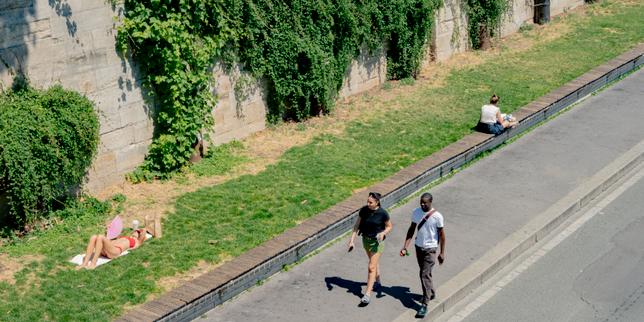
EN DIRECT, canicule : une vague de chaleur « étendue, durable et intense » sur la France, la question de fermer les écoles commence à se poser Météo-France a placé 53 départements en vigilance orange pour la journée de vendredi et prévoit que « très peu de régions devraient rester à lécart des fortes chaleurs ». Un « pic caniculaire remarquable » est prévu entre dimanche et mardi.
le monde · 3 months ago
France places 81 departments under heatwave, storm alerts as temperatures near 40C French authorities placed 81 departments under weather alerts, with 69 under heatwave warnings and 21 under thunderstorm alerts. Temperatures are expected to approach 40°C (104°F) in central and eastern France, including the Paris region. The heatwave is expected to continue on Friday, prompting authorities to urge precautions for vulnerable groups.
yenisafak · 3 months ago
The Complex of Sultan Bayezid II Health Museum in Türkiye opens to visitors The Complex of Sultan Bayezid II Health Museum in Edirne opens again on 18th of June after last years success. The museum will be open for visitors on Thursday, Friday and Saturday until 10.30 pm.
yenisafak · 3 months ago
Elisabeth Leonskaja e Joe Lovano, Filarmonia da Galiza e Tigran Hamasyan em Espinho O 52.º festival de música decorre de 19 de Junho a 31 de Julho: clássicos, jazz e músicas do mundo num programa com 15 concertos entre o auditório e outros três palcos da cidade.
publico · 3 months ago
Meteorologen: Undvik sen sillunch i Skåne Högsommarvärmen anländer till Sverige lagom till midsommarafton. Men på vissa håll kan det komma lokala skurar. Om man tar en sen sillunch i södra Skåne kan det passera en eftermiddagsskur, säger meteorologen Lasse Rydqvist.
svenska dagbladet · 3 months ago
Edward Blom: Var den jag bett för hela livet Edward Blom och Gunilla Kinn Blom fann varandra vid en champagnebuffé – nu kan de fira kristallbröllop. I SvD:s samtalsserie Mitt livs kärlek funderar de tillsammans med Ida Ölmedal kring passion, hängivenhet och äktenskap – och hur tron påverkar kärleken.
svenska dagbladet · 3 months ago
EN DIRECT - Alerte canicule : la préfecture de police recommande lannulation des événements sportifs en plein air à Paris et petite couronne La vague de chaleur qui déferle sur la France sintensifie. Selon Météo France, la température la plus élevée de la journée a été relevée à Montmorillon dans la Vienne avec 40,2 °C, un niveau inédit pour un mois de juin. Reports et annulations se multiplient.
liberation · 3 months ago
Topul destinațiilor de vacanță din Europa în care verile sunt răcoroase, iar peisajele, uluitoare Pe fondul verilor tot mai fierbinți și al interesului crescut pentru vacanțele în zone răcoroase, aplicația de călătorii Polarsteps a lansat primul „Summer Heat Escape Index, un clasament al celor mai bune destinații europene pentru turiștii care vor să evite temperaturile ridicate.
adevarul · 3 months ago
Horoscop 19 iunie. O zodie își ia revanșa financiară, alta dă peste o mare oportunitate Ziua aduce schimbări de perspectivă, discuții importante și situații care cer adaptare din partea nativilor. Unele zodii sunt nevoite să ia decizii rapide, altele să fie mai atente la sănătate sau la modul în care își gestionează banii.
adevarul · 3 months ago
3 June 2026 - Armenia Election Monitor - A strategic choice: Armenian voters between diversification and dependency
commonspace · 3 months ago
5 June 2026 - Armenia Election Monitor - Armenia goes to the polls, searching for a way forward
commonspace · 3 months ago
10 June 2026 - Armenia Election Monitor - The Importance of the 2026 Parliamentary Elections for Armenias Democratic Future
commonspace · 3 months ago
12 June 2026 - Armenia Election Monitor - Special Issue
commonspace · 3 months ago

US Open 2026: golf under way but weather disrupts day one – live ️ Updates from the opening round at Shinnecock Hills️ Preview | Follow us on Instagram | Mail DavidGood news! Round 1 of the U.S. Open at Shinnecock Hills will resume at 9:05 a.m. ET. So says the official tweet. Thats just over 15 minutes away.Weather delay in the golf but theyre playing at the Oval. Should be the other way round surely? Continue reading...
theguardian · 3 months ago