Loading…
 Thursday, August 6Thursday, August 6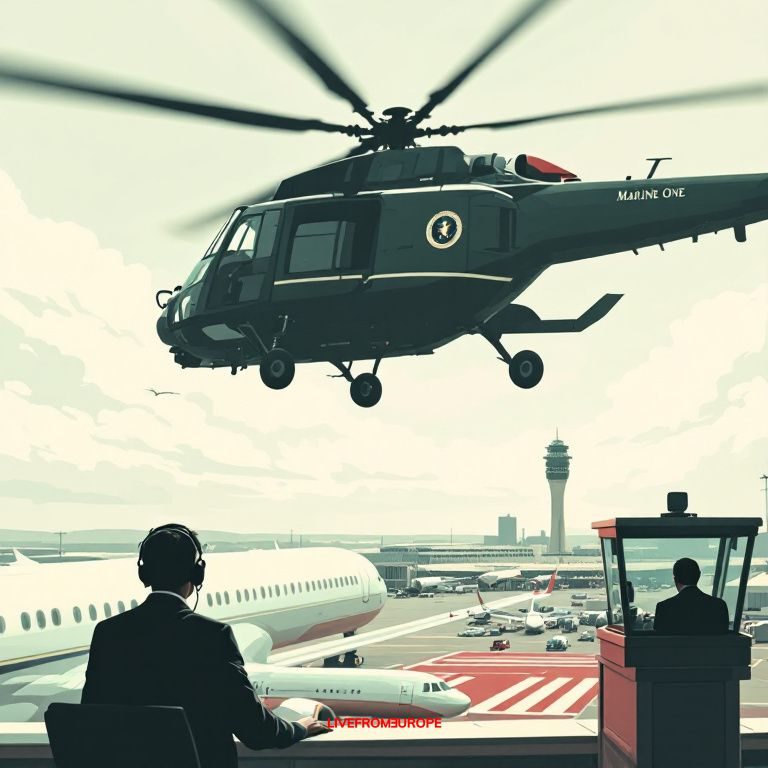
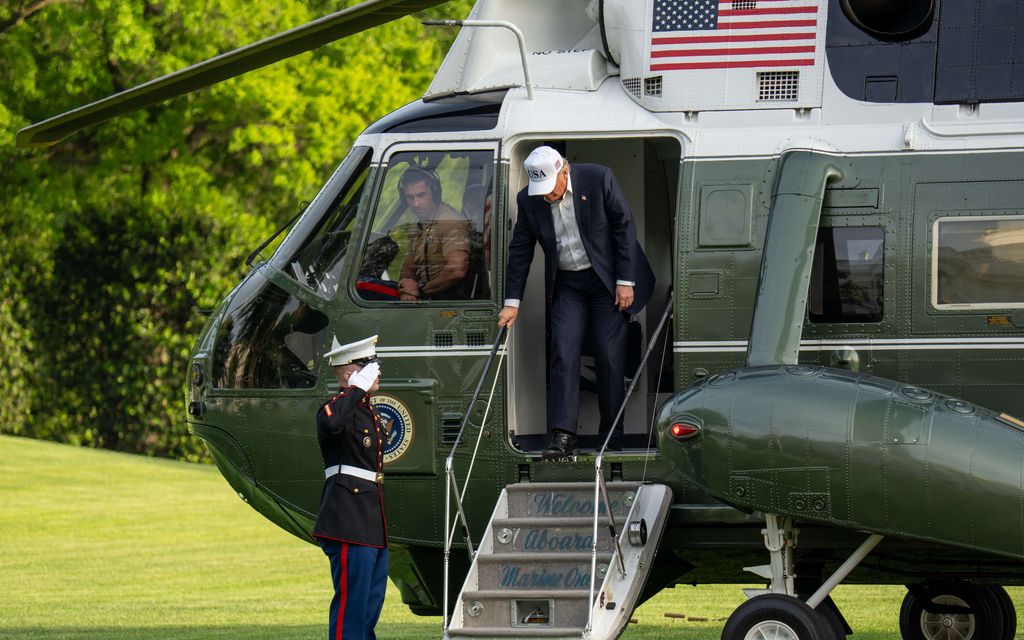
Federal aviation authorities are investigating an incident in which President Donald Trump’s Marine One helicopter flew too close to a commercial passenger jet near Ronald Reagan Washington National Airport on Tuesday.
The National Transportation Safety Board confirmed in a statement on Wednesday that it is investigating a reported loss of separation between Marine One and a commercial aircraft departing from the airport, known as DCA. The Federal Aviation Administration said its preliminary review found a “momentary loss of separation, after which the aircraft continued to move away from one another.”
A White House spokesperson, Kush Desai, told Agence France-Presse that Trump was never in danger and that Marine One flights are piloted by “some of the best aviators in the world.” The FAA added that an air traffic controller remained in contact with both pilots throughout the incident.
According to Reuters, two people familiar with the matter said air traffic controllers had not paused commercial departures at Reagan National as required under policies adopted after a fatal midair collision in January 2025. That crash, between a U.S. Army Black Hawk helicopter and an American Airlines regional jet, killed 67 people and prompted permanent restrictions on mixed helicopter and commercial traffic at the airport.
The FAA said it would continue reviewing the circumstances and implement corrective actions as needed. The NTSB’s investigation remains ongoing.
Marine One had lifted off from the Ellipse near the White House at about 2:33 p.m. local time on Tuesday, en route to Joint Base Andrews ahead of a presidential trip to Los Angeles, according to a White House pool report. Both aircraft landed safely.
A source told Reuters that Envoy Air flight 3742, a regional jet operated for American Airlines and bound for Pensacola, Florida, was the aircraft involved. A second flight, Republic 4700, was rerouted as a precaution after coming within three miles of the airport.
The incident renews scrutiny of air traffic protocols at Reagan National, where security measures were tightened following the 2025 collision. The FAA had previously banned visual-only separation for helicopters near major U.S. airports in March as part of those reforms.
Follow us for live European news

Lhélicoptère de Donald Trump trop proche dun avion de ligne à Washington Lagence américaine de sécurité dans les transports (NTSB) a ouvert une enquête après quun hélicoptère transportant Donald Trump et un avion de ligne se sont trouvés mardi dans un périmètre aérien trop rapproché, la Maison Blanche assurant que le président navait jamais été en danger. ...
la libre · about 1 hour ago

Uppgifter: Trump och Hegseth rök ihop om USA:s robotbrist USA:s robotlager är på väg att ta slut, enligt källor till CNN och Reuters.Trump uppges ha skällt ut sin krigsminister Pete Hegseth – men nu slår presidenten tillbaka.De som läcker dessa förrädiska uppgifter jagas, skriver Trump.
expressen · about 1 hour ago
FAA says Trumps Marine One briefly flew too close to passenger jet Air traffic controllers had failed to pause commercial flights during Marine Ones departure, sources say.
aljazeera · about 2 hours ago

Lhomme armé arrêté sur le golf de Trump poursuivi pour possession illégale darme à feu Lex-militaire armé arrêté dimanche sur un golf appartenant à Donald Trump en Californie, deux jours avant une visite du président américain sur place, est poursuivi pour possession illégale darme à feu, ont annoncé les autorités américaines. ...
la libre · about 2 hours ago
WATCH - President Trump saved a kid from running off stage: "I didnt want him to be like Biden and fall off the stage"
telegram_Insider Paper · about 3 hours ago

Missverständliche Kommunikation – Hubschrauber mit Trump kommt Passagierflugzeug zu nahe Das Weiße Haus betonte, der Präsident habe sich zu keinem Zeitpunkt in Gefahr befunden. Laut Behörden wurde der vorgeschriebene Sicherheitsabstand unterschritten.
welt.de · about 3 hours ago
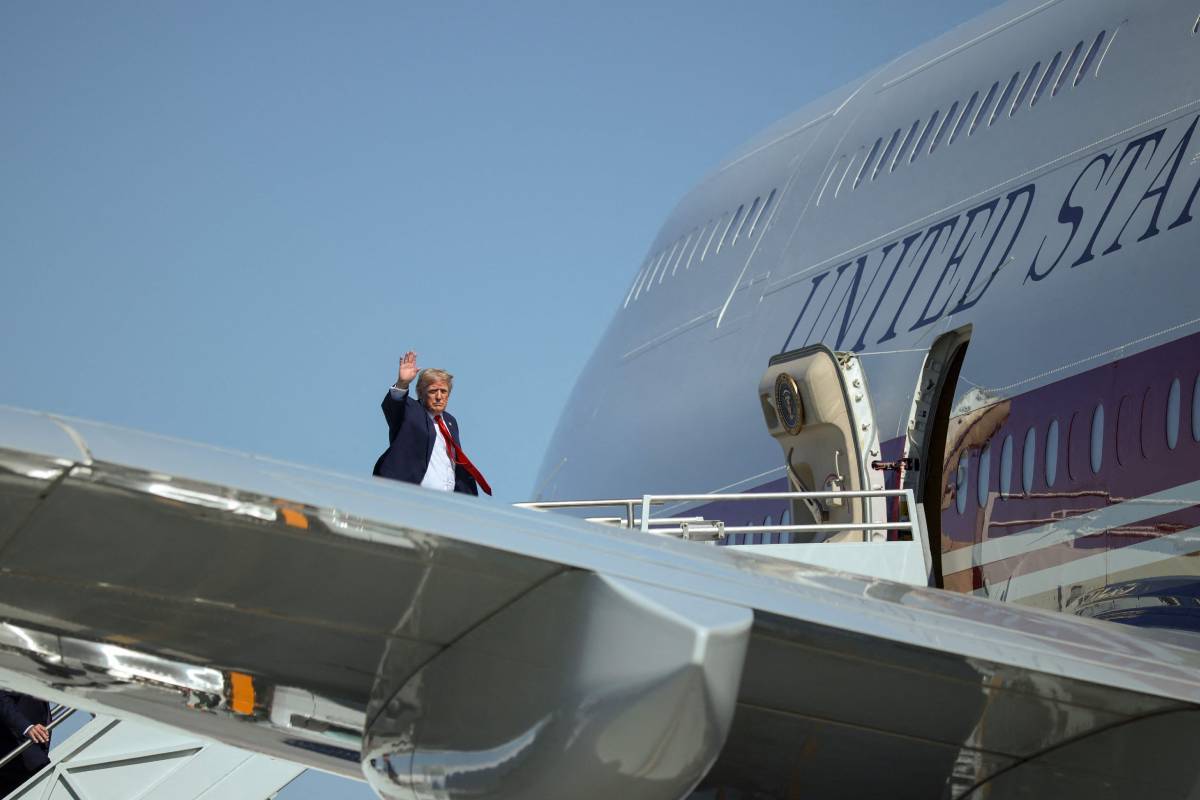
El helicóptero de Donald Trump ha tenido un acercamiento en vuelo con un avión comercial en Washington El incidente se produce en un área que ha sido objeto de especial atención tras otros episodios de seguridad aérea Leer
elmundo · about 3 hours ago
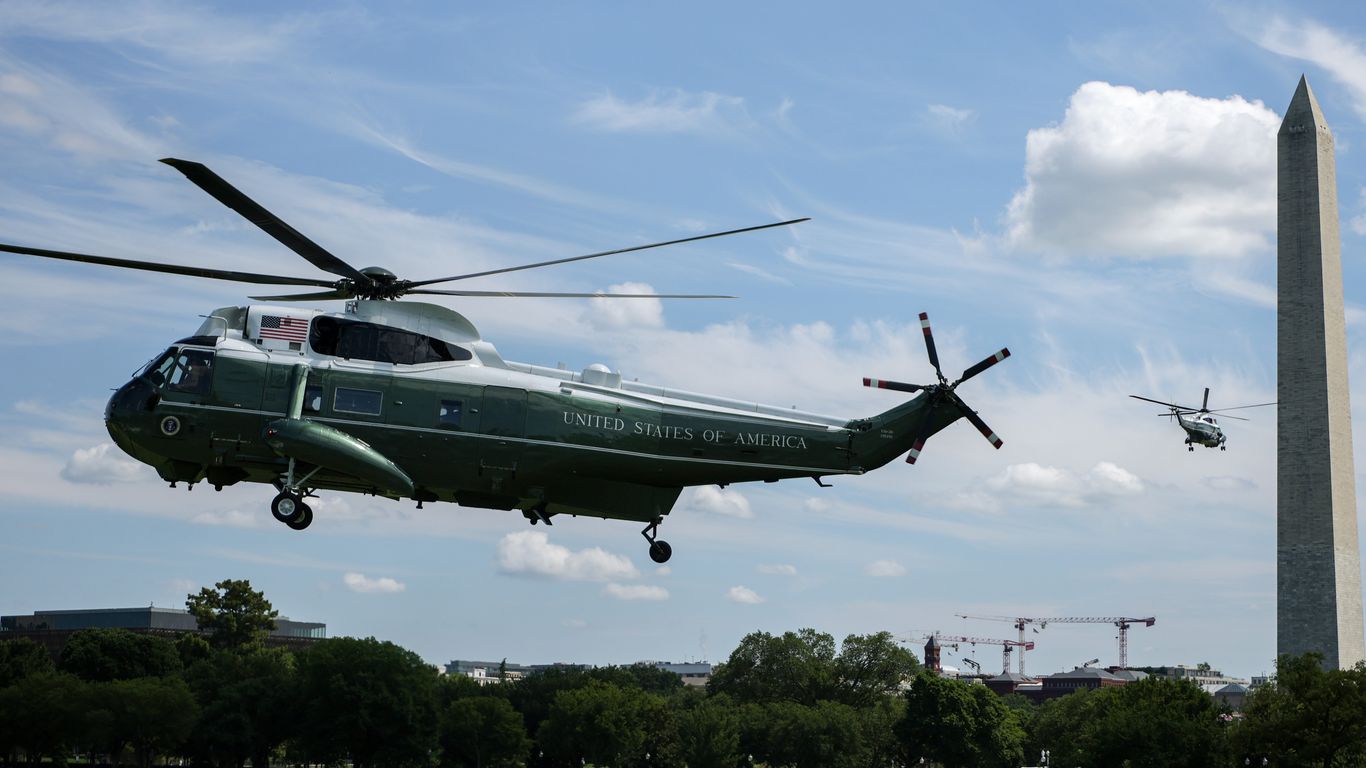
Trump Marine One flight under investigation after potential safety mishap Federal aviation officials are investigating an air-safety incident involving President Trumps Marine One helicopter in Washington, D.C.Why it matters: The incident comes as regulators work to improve safety in increasingly congested U.S. airspace, particularly around the nations capital.Zoom in: The Wall Street Journal first reported that the helicopter was carrying Trump on Tuesday when it flew too close to a commercial airliner departing from Ronald Reagan Washington National Airport.NTSB confirmed in a statement to Axios that it is "investigating a reported loss of separation event" between the two aircraft.A spokesperson for the Federal Aviation Administration said the agency is reviewing the incident."Based on our preliminary safety review, there was momentary loss of separation after which the aircraft continued to move away from one another," he said."The air traffic controller was in contact with both the commercial pilot and Marine One pilot during the loss of separation. ... the president was never in danger."Context: The FAA placed permanent restrictions and banned mixed helicopter and jet traffic around the Reagan National following a fatal midair collision in January 2025.What theyre saying: "Although the president was at no point in harms way during yesterdays momentary loss of separation, the White House continues to work with relevant military, FAA and other security personnel to ensure the presidents continued safety," White House spokesperson Kush Desai said in a statement.Editors note: This story was updated throughout with additional information.
axios · about 3 hours ago
Έρευνα για το περιστατικό με το Marine One και επιβατικό αεροσκάφος: «Ο Τραμπ δεν κινδύνευσε» Το προεδρικό ελικόπτερο και αεροσκάφος της American Airlines βρέθηκαν σε μικρότερη από την προβλεπόμενη απόσταση κατά την απογείωση στο αεροδρόμιο Ρόναλντ Ρέιγκαν
protothema · about 5 hours ago
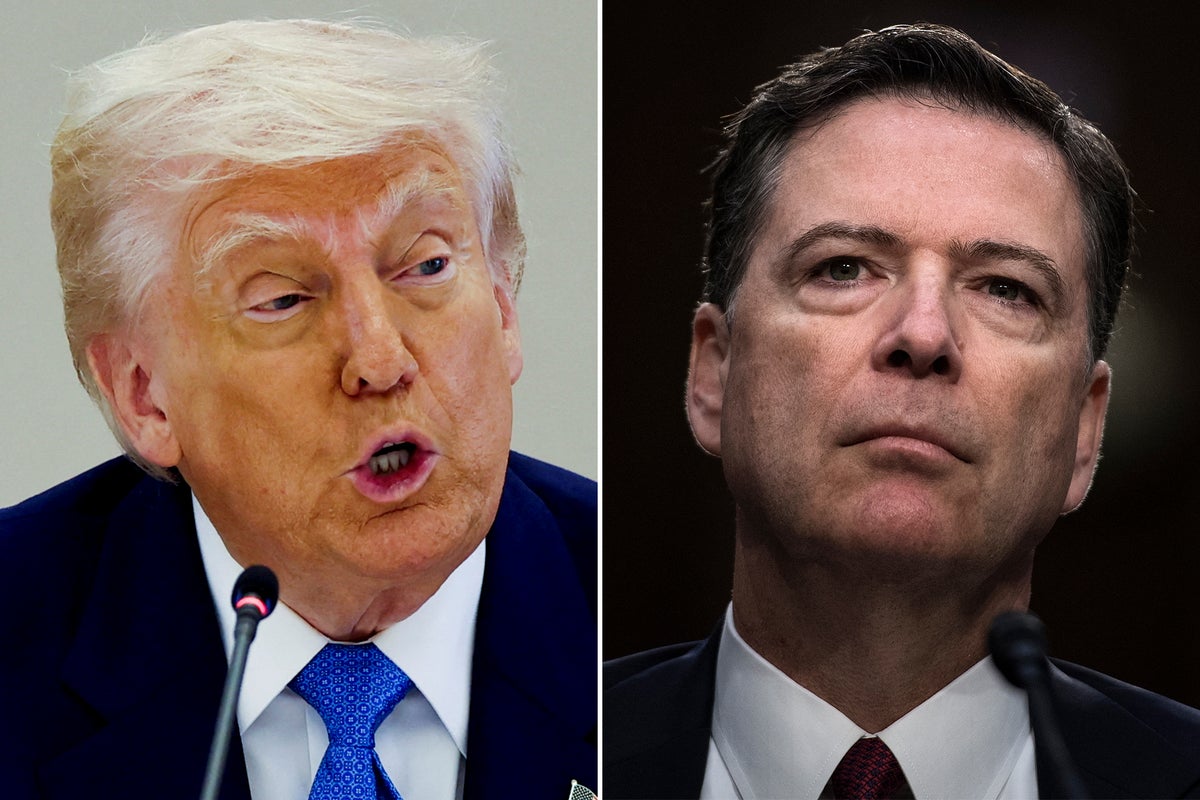
White House declassifies FBI investigation into whether Trump was working as Russian asset The FBI later dropped the investigation in 2019 around the conclusion of the Mueller probe
independent · about 7 hours ago
10 Major Airplanes That Were Discontinued By Manufacturers, And Why
gdeltproject.org · about 7 hours ago
Young pilot makes daring emergency landing on Florida interstate A 21-year-old flight instructor safely landed her small aircraft on a US freeway near Pensacola, Florida.
aljazeera · about 8 hours ago
El helicóptero de Donald Trump ha tenido un acercamiento en vuelo con un avión comercial en Washington Leer
elmundo · about 8 hours ago
Uhkaava tilanne helikopterilennolla – Trump kyydissä
iltalehti · about 8 hours ago
Skärmflygare skadade i Ystad Kolliderade i luften • En skadad
expressen · about 8 hours ago

A passenger jets sudden midair drop leaves 17 hospitalized
news.yahoo.com · about 8 hours ago