
Trump vows US response after Iran shoots down Apache helicopter
Trump vows US response after Iran shoots down Apache helicopter
US President Donald Trump confirmed on Tuesday that Iran shot down a US Army AH-64 Apache attack helicopter over the Strait of Hormuz, vowing that Washington would respond “out of necessity” after both pilots were rescued unharmed. The incident occurred at approximately 3:30 a.m. local time on Monday, 9 June 2026, near the coast of Oman, according to US Central Command. The Apache was on patrol when it went down; the two crew members were recovered about two hours later by a US Navy unmanned surface vessel operated by Task Force 59, marking the first use of maritime drones for such a rescue mission.
Trump announced the shootdown in a post on Truth Social, stating that “the Iranians shot down one of our highly sophisticated Apache Helicopters while patrolling over the Strait of Hormuz.” He added that “the United States must, of necessity, respond to this attack,” though he did not specify timing or targets. US officials, speaking to Axios, said the military had determined Iranian fire was the cause, though the investigation remains ongoing. The Pentagon confirmed the pilots were in stable condition after their rescue.
The downing comes amid fragile ceasefire talks brokered by Trump between Iran and Israel, which have been tested by renewed cross-border strikes. On Sunday, 8 June, Iran and Israel exchanged fire for the first time since the April 8 ceasefire, prompting Trump to urge restraint. Iranian state media reported that Israeli strikes killed at least two members of Iran’s air-defense units, while Hezbollah thanked Iran for attacks it said were in defense of Lebanon. The fragile truce now faces further strain as both sides assess the Apache incident.
Trump, who has claimed 38 times since March that a deal with Iran is “very close,” reiterated optimism on Tuesday, telling reporters a final agreement could be reached “in two or three days.” He suggested that lifting the naval blockade on the Strait of Hormuz would follow immediately, though he did not detail Iran’s concessions on uranium enrichment or sanctions relief. Iranian Parliament Speaker Mohammad Bagher Qalibaf dismissed Trump’s optimism, accusing Washington of contradicting previously agreed terms and insisting that Tehran would not normalize relations under pressure.
The Apache incident underscores the high stakes of the US-led naval blockade in the Strait of Hormuz, a critical chokepoint for global oil shipments. The AH-64 Apache has been central to enforcing the blockade, targeting Iranian vessels and drones. With negotiations at a critical juncture and regional tensions escalating, the US response to the shootdown risks either de-escalation or a dangerous spiral of retaliation.
Articles

🇺🇸🇺🇸⁉️🇮🇷- Officials are investigating whether Iranian fire brought down the U.S. Army AH-64 Apache near the Strait of Hormuz, according to two American officials and a third source with knowledge of the matter cited by Axios. ➡️ U.S. Central Command spokesperson Navy Captain Tim Hawkins confirmed the use of a Navy unmanned surface vessel (USV) in the rescue effort, with the involvement of Task Force 59, the Navys primary drone force in West Asia. ➡️ The specific type of drone boat used has not yet been disclosed. Task Force 59 operates a variety of USVs, including speedboat-like variants, and has been actively experimenting with new uncrewed naval technologies.
telegram bot · about 10 hours ago
#BREAKING 🇺🇸❌🇮🇷- Donald Trump has confirmed that Iran shot down a U.S. Army AH-64 Apache helicopter near the Strait of Hormuz and says the U.S. must respond: I have just been informed by our Great Military that last night the Iranians shot down one of our highly sophisticated Apache Helicopters while patrolling over the Strait of Hormuz. There were two pilots involved, both are safe and uninjured. Nevertheless, the United States must, of necessity, respond to this attack. Thank you for your attention to this matter! President DONALD J. TRUMP
telegram bot · about 10 hours ago
+++ Iran-Krieg +++: Trump wirft Iran Abschuss von Hubschrauber vor und droht mit Reaktion Iran beschlagnahmt zahlreiche Vermögen von Kritikern +++ UN: Tödliche Siedler-Gewalt im Westjordanland nimmt zu +++ Israel fordert Aufhebung des Haftbefehls gegen Netanjahu +++ Der Newsblog.
handelsblatt · about 10 hours ago
US Apache crew rescued after crash near Strait of Hormuz US President Donald Trump said the crew of a downed Army Apache attack helicopter survived without injury after the aircraft went down near the Strait of Hormuz on Monday, as Washington deploys extensive air assets to counter Tehrans effective blockade of the vital commercial waterway amid ongoing high-stakes negotiations to end the large-scale war between the US, Israel and Iran that began on Feb. 28.
yenisafak · about 10 hours ago
Donald Trump dă vina pe Iran pentru prăbușirea elicopterului Apache și amenință cu un răspuns: „Din necesitate Președintele american Donald Trump a declarat marți că Iranul a doborât un elicopter american de tip Apache care patrula în Strâmtoarea Ormuz în timpul nopții și a promis că va riposta, fără a oferi însă alte detalii, relatează Reuters.
digi24 · about 10 hours ago
Iranin sota | Trump sanoo Iranin ampuneen alas Yhdysvaltojen armeijan taisteluhelikopterin Helikopteri putosi mereen maanantaina. Yhdysvaltojen presidentti Donald Trumpin mukaan Iran olisi ampunut helikopterin alas.
helsingin sanomat · about 10 hours ago
Trump: Iran sköt ned helikopter – kommer svara
svenska dagbladet · about 10 hours ago

Guerre en Iran : le basculement américain est en cours, au grand dam dIsraël Le repositionnement de Donald Trump, qui sest érigé en arbitre à loccasion de la dernière escalade entre Téhéran et Tel-Aviv, constitue, pour cette journaliste libanaise, un tournant dans la guerre et révèle des divergences désormais irréconciliables entre le président américain et le Premier ministre israélien.
courrier international · about 10 hours ago
EN DIRECT - Guerre au Moyen-Orient : Donald Trump promet de «répliquer» après que «les Iraniens ont abattu» un hélicoptère américain Un appareil de type Apache sest crashé lundi à proximité du détroit dOrmuz sans que les causes de laccident naient été révélées. Les deux pilotes, eux, ont pu être secourus.
liberation · about 10 hours ago
Guerra in Iran, le news. Trump: Elicottero Usa colpito da Teheran a Hormuz, risponderemo Il presidente Usa: Stretto Hormuz aperto dopo firma accordo, tra 2 o 3 giorni. Stop di Israele ai raid sullIran. Il presidente americano: Se dico a Netanyahu di fare qualcosa, lui la fa. LIdf ordina levacuazione della città libanese di Tiro e delle zone circostanti: già 9 i morti
corriere · about 10 hours ago
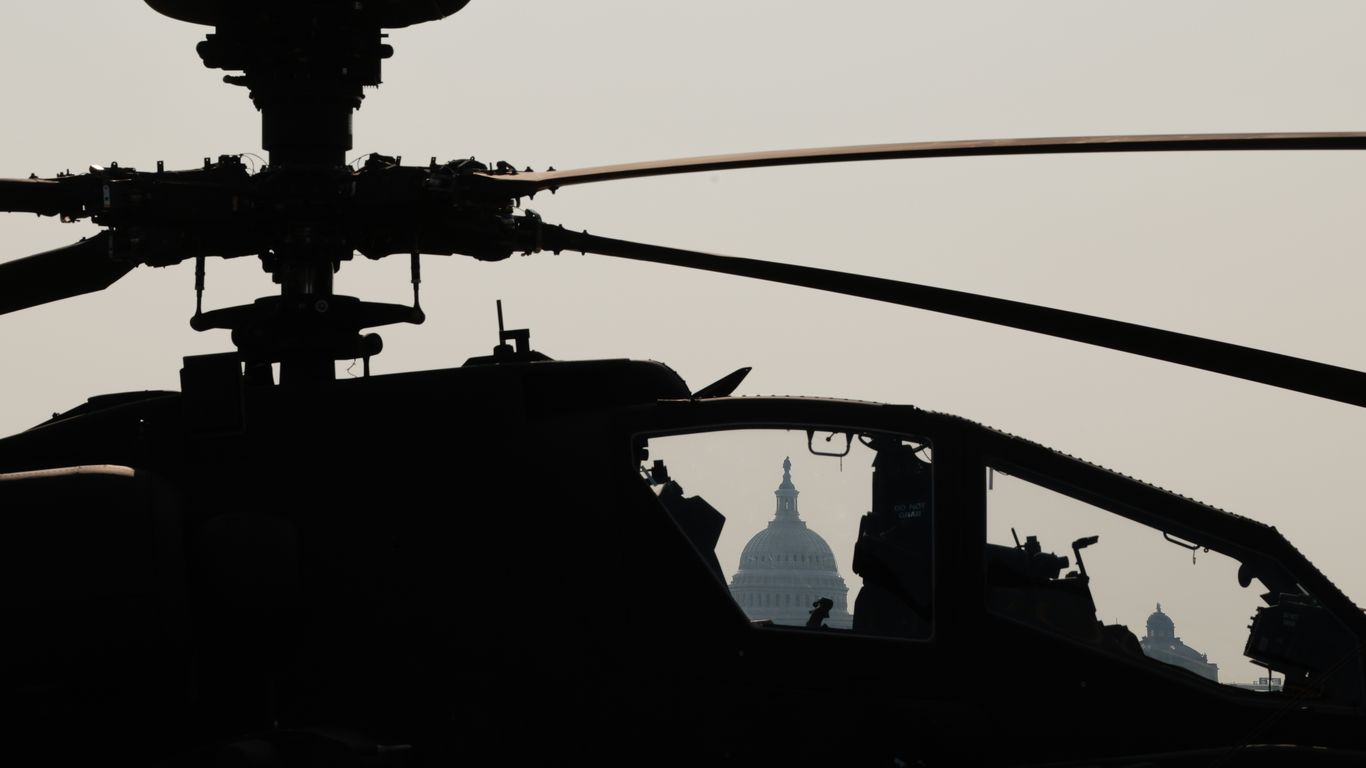
Trump vows response after Iran downs U.S. helicopter President Trump said the U.S. military has determined that Iran shot down the U.S. helicopter that crashed on Monday in the Strait of Hormuz and pledged a military response.Why it matters: The incident took place amid U.S.-Iranian negotiations and just a day after Trump brokered a renewed ceasefire between Iran and Israel. It could ignite a fresh round of escalation.Driving the news: A U.S. Army AH-64 Apache went down near the Strait of Hormuz on Monday. As of Tuesday morning U.S. time, officials were still investigating whether Iranian fire brought it down, two American officials and a third source with knowledge tell Axios. Trump later blamed Iran."I have just been informed by our Great Military that last night the Iranians shot down one of our highly sophisticated Apache Helicopters while patrolling over the Strait of Hormuz. There were two pilots involved, both are safe and uninjured. Nevertheless, the United States must, of necessity, respond to this attack," Trump wrote on Truth Social.The shootdown came after Israel and Iran exchanged strikes for the first time since the April 8 ceasefire, with Trump urging both sides to show restraint. Zoom in: Both crew members were rescued around 7:30pm ET, about two hours after the helicopter went down off the coast of Oman, U.S. Central Command said in a post on X. They are in stable condition.A source familiar with the incident said there was a dramatic hours-long search before the crew was found. A U.S. Navy drone boat found the crew in the water and carried out the rescue — the first time maritime drones had been used for such a mission, CENTCOM spokesman Capt. Tim Hawkins told Axios.The drone, made by Saronic, is part of the 5th Fleets Task Force 59, which operates maritime drones, sometimes with AI, Hawkins says.This is a breaking news story and will be updated.
axios · about 10 hours ago
Trump Says U.S. Must Respond After Confirming Iran Shot Down Apache Helicopter The two crew members scrambled aboard the unmanned drone boat after two hours in the water.
wsj · about 10 hours ago

Trump confirms US Apache helicopter was shot down by Iran and threatens response to attack President vows to respond out of necessity after reporting that two service members on the helipcopter are safe and uninjured
independent · about 10 hours ago
Iran-US war latest: Trump warns of fresh attacks after Iran shoots down American helicopter US president Donald Trump said the two pilots in the helicopter are fine
independent · about 10 hours ago
Trump vows to respond after Iran shot down a US helicopter US president said Tehran downed Apache aircraft over Strait of Hormuz amid fragile ceasefire
financial times · about 10 hours ago
Trump says Iran shot down US helicopter over Hormuz, vows to respond US president says although the pilots were rescued, Washington must, of necessity, respond to this attack.
aljazeera · about 10 hours ago

Middle East crisis live: Donald Trump says Iran shot down military helicopter and US must respond The United States must, of necessity, respond to this attack, the US president said in a social media postDonald Trump and Benjamin Netanyahu are close allies with a deeply complicated and often strained relationship that has shown signs of fracturing over recent days. The Guardians senior international correspondent, Julian Borger, has looked into how the two leaders diverging political priorities are undermining ceasefire negotiations. Here is an extract from his analysis piece:Trump and Netanyahu went to war together against Iran on 28 February but fell out of step within days, as soon as it was clear that the quick victory and regime change promised by the Israelis was unlikely to materialise. From then on, their interests have increasingly diverged.Once Iran closed the strait of Hormuz, the spike in the oil price and the interruption in the flow of globally traded chemical products became a political threat to Trump. Despite Republican gerrymandering and voter suppression, Democrats have a plausible shot at capturing at least one chamber of Congress in November elections, undermining his authority. More immediately, the president would clearly prefer to steer clear of global distractions while he hosts footballs World Cup. Continue reading...
theguardian · about 10 hours ago
JUST IN - Iran shoots down a U.S. Apache helicopter patrolling the Strait of Hormuz last night, Trump says the U.S. must "respond to this attack." Source: @disclosetv
telegram bot · about 10 hours ago
⚡CNN Since March: Trump has said 38 times that the US is close to a deal with Iran and Iran is begging for a deal
telegram bot · about 10 hours ago
Trump sier amerikansk helikopter ble skutt ned av Iran – USA må svare Donald Trump sier at det var iranerne som mandag skjøt ned et amerikansk helikopter over Hormuzstredet. Det var to piloter om bord, og begge kom uskadd fra hendelsen. – Likevel må USA, av nødvendighet, svare på dette angrepet, skriver Donald Trump på Truth Social. Iran har ikke kommentert uttalelsen.
nrk · about 10 hours ago
Trumps nya hot mot Iran Iransk militär sköt ner en amerikansk Apache-helikopter över Hormuzsundet. Nu hotar USA:s president Donald Trump med vedergällning. USA måste av nödvändighet svara på denna attack, skriver Trump.
expressen · about 10 hours ago
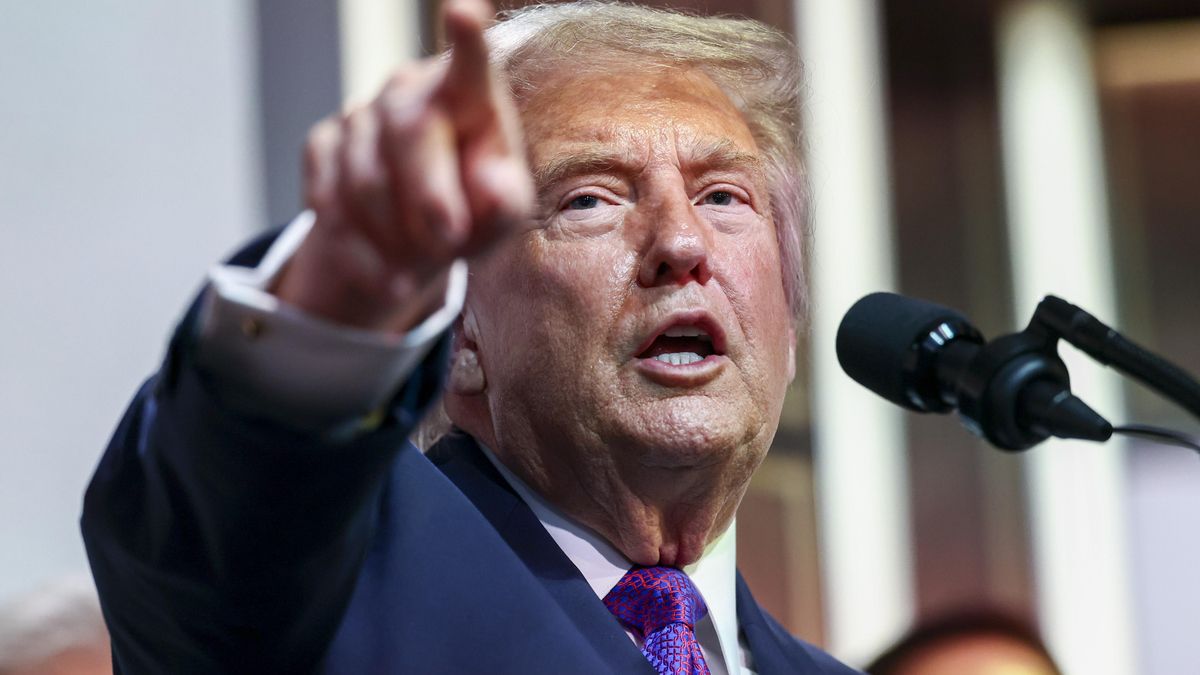
Trump confirma que Irán ha derribado un helicóptero Apache y anuncia: "EEUU necesariamente debe responder a este ataque" El presidente de EEUU reconoce el ataque iraní: "En el incidente participaron dos pilotos; ambos se encuentran a salvo y sin lesiones" Donald Trump ha confirmado que Irán ha derribado un helicóptero Apache. Y anuncia: EEUU debe responder. Nuestro gran Ejército acaba de informarme de que, anoche, los iraníes derribaron uno de nuestros helicópteros Apache, ha dicho el presidente de EEUU, altamente sofisticados. Según Trump, el ataque se produjo mientras patrullaba sobre el estrecho de Ormuz. El presidente de EEUU ha asegurado que en el incidente participaron dos pilotos; ambos se encuentran a salvo y sin lesiones. No obstante, Estados Unidos debe, necesariamente, responder a este ataque. Truth Social de Trump sobre el derribo de un Apache por parte de Irán. El ataque ocurre mientras Oriente Medio aún se tambalea tras las escaramuzas entre Irán e Israel el día anterior, lo que supuso el mayor golpe hasta la fecha para el frágil alto el fuego en la guerra con Irán. La televisión estatal iraní informó el martes que los ataques israelíes causaron la muerte de al menos dos miembros de las unidades de defensa aérea del país, informa AP. La Administración Trump no han logrado convertir el alto el fuego de abril en un acuerdo para poner fin definitivamente al conflicto, especialmente a medida que Israel intensifica y amplía su campaña militar en el Líbano contra Hezbolá, la milicia respaldada por Irán. El accidente ocurrió alrededor de las 3:30 a.m. (hora local) del martes frente a las costas de Omán, mientras el helicóptero realizaba una patrulla, según informó el Mando Central de Estados Unidos. Los helicópteros AH-64 Apache han sido un recurso clave para el ejército estadounidense a la hora de hacer cumplir el bloqueo a los envíos y petroleros de crudo iraní, con el objetivo de presionar a Teherán para que acepte un acuerdo. Los Emiratos Árabes Unidos también han utilizado estos helicópteros para derribar drones iraníes. Tenemos buenas posibilidades de firmar un acuerdo en dos o tres días, ha afirmado Trump en las últimas horas. Sin embargo, no ofreció detalles sobre los motivos de este nuevo optimismo. En los dos meses transcurridos desde que Estados Unidos e Irán acordaron un alto el fuego inicial, Trump ha pronosticado en repetidas ocasiones que un acuerdo está cerca. Estamos muy cerca de lograr un acuerdo muy, muy bueno, sólido y poderoso, ha dicho Trump: Si optamos por bombardear —algo que podríamos hacer muy fácilmente si quisiéramos, dedicando otras dos o tres semanas a los bombardeos—, no les quedaría absolutamente nada. Pero el estrecho no estaría abierto durante meses. Y añadió: Si llevamos a cabo los bombardeos, ya saben, mucha gente moriría. ¿Quién quiere hacer eso? Yo no. Estados Unidos quiere que Irán renuncie a sus reservas de uranio altamente enriquecido, que se cree quedaron sepultadas tras los ataques aéreos estadounidenses ocurridos durante la guerra de 12 días de 2025. Pero Irán se niega a ello y exige el levantamiento de las sanciones. También reclama la liberación de activos congelados incluso antes de que exista un acuerdo definitivo, algo que Trump rechaza. Antes de los comentarios de Trump sobre las negociaciones, el presidente del Parlamento iraní, Mohammad Bagher Qalibaf, declaró el lunes que las declaraciones de Trump hasta la fecha sobre un posible acuerdo contradecían los puntos ya pactados, lo que demuestra que Estados Unidos no busca ni un alto el fuego ni el diálogo. Los continuos combates entre Israel y Hezbolá siguen siendo también una prioridad absoluta para Irán. El jefe del ejército libanés, el general Rodolphe Haykal, viajó a Pakistán el martes. Allí se reunió con el jefe del ejército paquistaní, el mariscal de campo Asim Munir, quien ha desempeñado un papel clave en las conversaciones entre Irán y Estados Unidos. La visita de Haykal se produce en un momento en que el gobierno del Líbano adopta una postura cada vez más firme frente a Hezbolá, aunque sigue sin poder desarmar a la poderosa milicia. El martes, Hezbolá agradeció a Irán por haber atacado a Israel en defensa de nuestro pueblo libanés, sugiriendo que el gobierno del Líbano debería aprovechar esta oportunidad para mejorar las relaciones con Teherán.
eldiario.es · about 10 hours ago
Laccordo con lIran è imminente: Trump lo ha ripetuto 37 volte in due mesi. Ma il conflitto è ancora in corso Siamo nelle fasi finali di quello che sarà un ottimo accordo, mancano due o tre giorni: parole di Donald Trump nella mattinata di martedì 9 giugno. Chissà se questo annuncio fa già parte o andrà ad aggiungersi a tutti quelli, identici, fatti negli ultimi due mesi, senza che poi si traducessero in unintesa reale. La […] Larticolo Laccordo con lIran è imminente: Trump lo ha ripetuto 37 volte in due mesi. Ma il conflitto è ancora in corso proviene da Il Fatto Quotidiano.
il fatto quotidiano · about 10 hours ago
„Datorită mie. Trump a anunțat pentru a 37-a oară că va încheia în curând un acord cu Iranul Președintele SUA, Donald Trump, a declarat că un acord de încetare a războiului cu Iranul ar putea fi încheiat „în două-trei zile. Potrivit acestuia, în ciuda recentelor schimburi de lovituri între Republica Islamică și Israel, soluționarea conflictului este aproape. „Datorită mie, au acceptat să se oprească. Și acum ne aflăm în etapa finală a ceea ce va deveni o înțelegere foarte, foarte bună, a declarat Trump jurnaliștilor la New York. El a precizat că acordul nu va permite Iranului să obțină arme nucleare și va duce la deblocarea Strâmtorii Ormuz, care „se va deschide imediat după semnare.
digi24 · about 10 hours ago