Hoax bomb threats disrupted nearly 30 passenger flights across Europe on Thursday, forcing diversions and fighter jet escorts in a wave of incidents that security experts say bears the hallmarks of a coordinated hybrid attack.
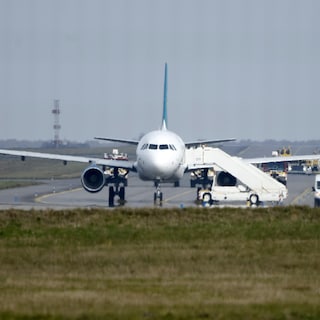
The threats affected flights by ten airlines, including Ryanair, Aer Lingus and Wizz Air. Planes were diverted to airports including Vienna, Bucharest and Sofia. An Aer Lingus flight from Dublin to Rome landed at a military base in Evreux after two French fighter jets escorted it.
The Thursday incidents followed similar waves earlier in the week, including at least seven flights and a cruise ship on Tuesday. No explosives have been found on any aircraft. Security experts said the pattern had the hallmarks of a coordinated "hybrid attack".
"When it comes to a situation like this or even other sabotage attacks, it's really hard to prove there's a certain country behind it," said Eric Schouten, head of aviation security group Dyami. "But it does fit in the modus operandi," he added.
French authorities opened an investigation after the Aer Lingus pilot allegedly refused to land at the military airfield when first instructed. Aer Lingus said its pilots "fully co-operated with the French authorities regarding this matter". Passenger Katie McAteer described seeing a "fighter pilot flying right beside the plane" and called the experience "terrifying".
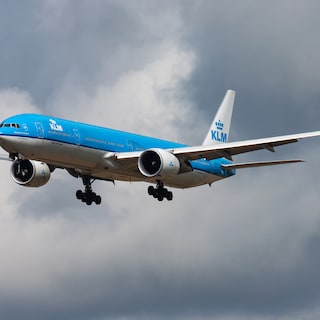
A KLM flight from Amsterdam to Tel Aviv that landed in Bucharest after a bomb threat was later canceled due to a technical fault while taxiing. The 52 passengers and six crew members disembarked safely and were accommodated in hotels.
Vienna Airport received an abstract email threat against four flights at 8:50 am on Thursday. A Wizz Air Airbus A321 from Milan to Warsaw diverted to Vienna after a threat was received in Poland. In Bulgaria, three Ryanair aircraft that landed in Sofia and Plovdiv were searched and found clear.
No government has said who was behind the threats, and no claim of responsibility has been verified. Irish Foreign Minister Helen McEntee called the events "extremely concerning" as they come a week before more than 50 European leaders gather in Dublin for summits.
A senior Irish government source said the assumption was that the hoaxes were coordinated and most likely the work of agents aligned with Russia or Iran. McEntee said it was "not clear" where the hoaxes had come from, adding that some came through emails but there were different sources.
Threats also reached London's Heathrow and Birmingham airports, where officials deemed them not credible or implemented security procedures.