Loading…
 Saturday, September 26Saturday, September 26
3 months · 6 summary articles
Elon Musk’s SpaceX has defied expectations once again, achieving the world’s most successful stock market debut in history on Friday, 13 June 2026, despite reporting massive annual losses. The milestone caps a decade-long transformation of the Hawthorne-based aerospace company from a high-risk startup into a global financial powerhouse, reshaping investor psychology and redefining what is possible in capital markets.
Speaking to Swedish financial daily Svenska Dagbladet, Musk framed the listing as the culmination of a vision that began with a single Swedish exchange student’s internship and a pair of limited-edition Nike sneakers. “You’ve got to smoke really good crack,” he reportedly told early employees, encapsulating the relentless ambition that drove SpaceX through 12 consecutive quarters of red ink before the historic public debut. Analysts at Helsingin Sanomat note that for many retail investors, owning SpaceX stock now carries the same emotional resonance as a child’s first bicycle, a phenomenon sociologist Hartmut Rosa’s “three A’s” theory attributes to the company’s promise of autonomy, adventure, and acceleration in an era of technological stagnation.
The listing’s success defies conventional metrics. In the 12 months to 31 March 2026, SpaceX reported a net loss of $3.2 billion on revenue of $11.8 billion, yet its shares surged 247% on opening day, valuing the company at $287 billion. The float was oversubscribed 38 times, with demand particularly strong among European retail investors who contributed 42% of total orders. “This wasn’t an IPO,” said Clara Bergström, head of Nordic equities at Nordea. “It was a cultural event disguised as a financial transaction.”
Behind the numbers lies a story of strategic pivots. SpaceX’s Starlink division, once a money-losing side project, now accounts for 68% of total revenue and is projected to turn profitable in Q3 2026. The company’s reusable rocket program, initially dismissed as science fiction, has slashed launch costs by 73% since 2020, undercutting competitors and securing a 79% global market share in orbital launches. Yet the company’s most enduring asset may be its brand: SpaceX’s social media presence, with 142 million followers across platforms, generates an estimated $1.8 billion in annual marketing value—more than the combined ad spend of Boeing and Airbus.
As SpaceX prepares for its first crewed mission to Mars, scheduled for 2029, the company’s stock debut has rewritten the rules of what investors will tolerate in pursuit of exponential growth. “We’re not selling shares,” Musk told analysts last week. “We’re selling the future.”
Follow us for live European news

Adventskalender im Sommer: Ein ziemlich teures Hobby Adventskalender sollte es das ganze Jahr über geben – auch im Sommer. Denn es gibt immer gute Gründe, jemanden zu beschenken. mehr...
taz.de · 3 months ago
Sozialabbau während der WM: Im Windschatten der WM Große Sportereignisse sind ein günstiger Zeitpunkt, Sozialabbau zu betreiben, weil alle vor den Bildschirmen kleben. Folgt ein Fußballsommer der Sozialkürzungen? mehr...
taz.de · 3 months ago
Čas pro sebe naráží na předsudky. Koníčky jsou ale investice do vztahu i sebe sama, míní psycholog Koníčky mají v životě mnohem větší význam, než se na první pohled zdá. Podle psychologa a psychoterapeuta Borise Štěpanoviče nejsou jen vyplněním volného času, ale i investicí do vztahů, duševního zdraví i schopnosti zvládat zátěž. Kdy se z hobby stává tlak na výkon? A proč je někdy těžší být sám se sebou než neustále s ostatními? Poslechněte si Hosta Radiožurnálu.
irozhlas.cz · 3 months ago
Suva-Finanzchef im Interview – «Würden gerne mehr in günstigen Wohnraum investieren» Die Suva ist eine der grössten Investorinnen der Schweiz. Ein Gespräch über Monopole, Immobilien und Netto-Null.
srf.ch · 3 months ago
Musk: Mannen, du måste röka riktigt bra crack Specialdesignade Nike-skor, en svensk utbytesstudent och tusentals personer som blev dollarmiljonärer över en natt. Här är historien om vad som hände bakom kulisserna när Elon Musk gjorde Space X till världens mest framgångsrika börsintroduktion – trots massiva förluster.
svenska dagbladet · 3 months ago
Ce se întâmplă în corpul tău dacă nu mănânci timp de 36 de ore. Beneficiile, dar și efectele mai puțin dorite Un video realizat de un popular canal specializat în animații și simulări medicale a arătat ce se întâmplă în organism în cazul în care nu mâncăm timp de 36 de ore. Pe lângă efectele benefice, specialiștii atrag atenția că sunt și manifestări mai puțin plăcute.
adevarul · 3 months ago
Doba u obrazovek se propisuje do vývoje mozku. Více než pět hodin ho ničí, upozorňuje Komárek „Ukazuje se, že dětské mozky se proměňují. Pokud předškoláci tráví příliš času s obrazovkami, můžou se chovat až autisticky a pochopitelně to může zhoršovat symptomatologie ADHD nebo autistů, říká dětský neurolog a zakladatel moderní epileptologie Vladimír Komárek. Kolik toho ještě nevíme o mozku? Jak se proměnila neurologie vlivem nových technologií? A jaká témata otevírá nová kniha O mozku, životě a zázracích?
irozhlas.cz · 3 months ago
Los fondos ponen el foco en el espacio como estrategia de inversión La salida a Bolsa de SpaceX ha disparado el interés de los grandes inversores por el espacio, donde ven un potencial de crecimiento de alrededor del 10 anual. Leer
expansion · 3 months ago
Da Audun Røstad var i 20-årene, brukte han timer på å sovne. Så tok han tak i en idé han hadde hatt i mange år. Slik påvirker lyden deg når du sover.
aftenposten · 3 months ago
Elon Musk Becomes Worlds First Trillionaire After SpaceX IPO Elon Musk became the worlds first trillionaire on Friday after SpaceX closed the biggest stock market debut in history. Bloomberg put his net worth at $1.11 trillion at the end of trading. SpaceX began trading on the Nasdaq at $150 per share, above the set offering price of $135. The stock reached $176 before closing […]
greek reporter · 3 months ago
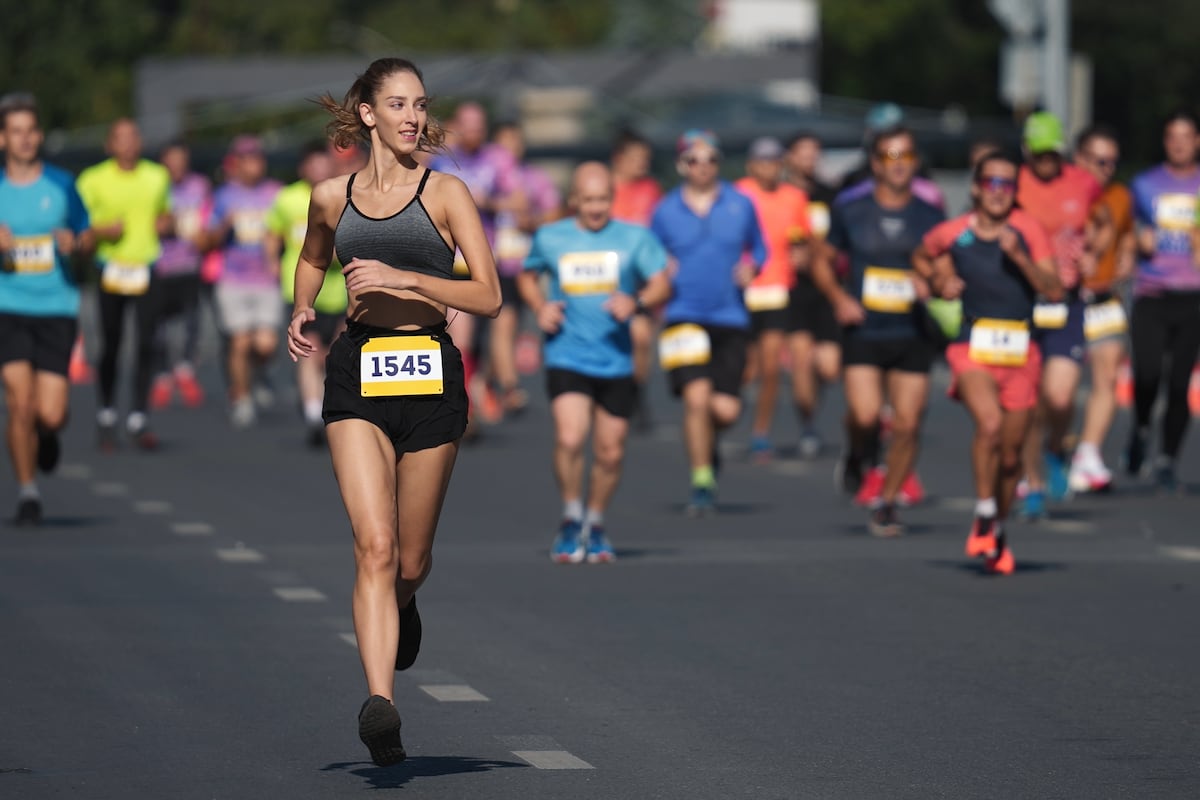
Y a-t-il un lien entre la course à pied et le développement dune forme de cancer ? Une étude livre des "résultats surprenants" De nombreuses personnes sont devenues de véritables passionnés de la course à pied. Mais les adeptes de marathons et dultramarathons devraient prêter attention à limpact que leffort a sur leur système digestif, daprès une étude. ...
la libre · 3 months ago
HS-analyysi | SpaceX merkitsee sijoittajalle samaa kuin polkupyörä lapselle Sosiologi Hartmut Rosan kolmen A:n teoria selittää, miksi monet ovat valmiita rahoittamaan Elon Muskin avaruudenvalloitusta, kirjoittaa HS Vision teknologiatoimittaja Niclas Storås.
helsingin sanomat · 3 months ago
Ekspert selgitab, kuidas tagada kvaliteetne juhtimine, kui juhte on palju Palju säravaid juhte ühes ruumis ei taga tingimata seda, et juhtimiskvaliteet oleks tipptasemel. Selle nimel tuleb vaeva näha, juhte koolitada ja nende tegevust mõõta.
postimees · 3 months ago
ETTEVAATUST ⟩ See harjumus võib magamistoas eluohtlikuks osutuda Uneeksperdid on juba ammu kokku leppinud, milline on täiusliku une valem: stabiilne režiim, hommikune päikesevalgus ja rahulik õhtune rutiin. Sotsiaalmeedia on aga täis sootuks teistsuguseid soovitusi – kiireid ja ootamatuid nippe, mis lubavad meile elu parimat und ilma suurema vaevata.
postimees · 3 months ago
Para estes professores influencers, a escola tem coisas a aprender com as redes sociais Das salas de aula para o TikTok, Instagram e YouTube, há professores a conquistarem milhares de seguidores e a levarem para as redes conteúdos que, na época de exames, podem ser companheiros de estudo
publico · 3 months ago
Dette kan bli tøft å håndtere når sommeren kommer En halvtime uten så mye som et blikk fra servitøren. Her må ting strammes opp.
aftenposten · 3 months ago
Her var det mye å ta tak i, Tatakii! En halvtime uten så mye som et blikk fra servitøren. Her må ting strammes opp.
aftenposten · 3 months ago
Freek in documentaire: Doe wat ik kan om me mentaal en fysiek topfit te voelen Freek van Suzan & Freek voelt zich ondanks zijn ongeneeslijke ziekte mentaal en fysiek goed. Dat vertelt hij in de documentaire Suzan & Freek: We Vieren Het Leven, die is gemaakt rond hun reeks van tien concerten in het GelreDome.
nu.nl · 3 months ago

Candy, especialista en medicina estética, lanza el mejor contorno de ojos que he probado La mirada suele ser una de las primeras zonas del rostro en reflejar el cansancio, el estrés, la falta de sueño y el paso del tiempo. No te pierdas todas las soluciones que te aporta esta pequeña joya cosmética
la vanguardia · 3 months ago

Ce que mes réveils à laube ont coûté à ma vie sociale Se réveiller aux aurores est devenu une norme pour gagner en efficacité. Mais, comme le raconte une journaliste dans The Atlantic, cette routine peut aussi creuser un fossé avec ses proches, surtout quand les enfants matinaux se transforment en créatures de la nuit adolescentes.
courrier international · 3 months ago
Når tankene spinner vel mye, sovner han til podkast. Men kan innholdet i det du hører på når du sover være skadelig? Slik påvirker lyden deg når du sover.
aftenposten · 3 months ago