
Budapest holds first legal Pride march since ban as activists warn of lingering legal threats

Story Timeline
2 months · 6 summary articles
The first legal Pride march in Budapest since Viktor Orbán’s defeat set off from Senate Square at noon on Saturday, winding through the city’s streets to Kaivopuisto Park, where a celebratory festival awaited thousands of participants. Police granted the permit this year, a stark reversal from 2025 when the event was banned under Orbán’s government. “This parade is a normal celebration now,” activist Ádám Kanicsár told Swedish daily Svenska Dagbladet . “Last year we fought for our rights; today we celebrate.”
Public support for LGBTQ+ rights has surged since the political shift. A Medián poll published Friday found more than two-thirds of Hungarians now back same-sex adoption, up from 30% in 1997 and 300,000 participants in the 2025 “banned Pride.” The 2026 march was framed as “Let’s finish the regime change together,” reflecting the new government’s pro-European stance under Prime Minister Peter Magyar. “The ban on last year’s Pride marked the beginning of the end for Orbán,” wrote the Frankfurter Allgemeine Zeitung .
Yet activists caution that legal victories do not erase systemic hurdles. The Helsinki Committee (TASZ) noted that laws enabling Pride bans remain on the books, despite police approval this year. “The government’s change of heart is clear, but the legal framework still threatens us,” TASZ lawyer Szabolcs Hegyi told HVG . Budapest Pride spokesperson Zita Hrubi echoed the call for repeal, emphasizing that “symbolic permission is not enough.”
The march unfolded under brutal heat, with organizers distributing water and shade along the route. Police reported no major incidents, though small counter-protests were expected. “We count on a few dozen opponents, but the mood is overwhelmingly positive,” Hrubi said. The event’s shift from protest to celebration mirrors broader European trends, from Oslo’s police-approved parade—expected to draw thousands—to French polling showing 68% support for same-sex marriage, according to researcher Ambre Bruneteau .
For many, the day symbolized both progress and unfinished business. “The political change gave us this march, but the fight for full equality continues,” Kanicsár said. As rainbow flags fluttered over Budapest’s boulevards, the message was clear: the Pride movement has won a battle, but the war for rights is far from over.
Follow us for live European news
- 4
- 2
- 2
- 1
- 1
- 1
- 1
- 1
- 1
- 1
- 1
- 1
- 1
- 1
- 1
- 1
1 further source not geolocated
Articles

Tavaly örömünnep lett a Pride, de még most is bőven van miért kiállni Azzal, hogy az előző kormányt sikerült leváltani, nem oldódott meg varázsütésre minden probléma.
444.hu · 2 months ago

Riche promenade le long de la Lys avec la peinture quand elle sort de son cadre Dixième Biennale de la peinture organisée conjointement par les trois musées de la Lys : Dhondt-Dhaenens, Roger Raveel et musée de Deinze. ...
la libre · 2 months ago
Zonen Britney Spears maken catwalkdebuut in Parijs De zonen van Britney Spears hebben voor het eerst bewust de schijnwerpers opgezocht. Sean en Jayden maakten vrijdag hun debuut op de catwalk tijdens de Paris Fashion Week, melden Amerikaanse media.
rtl nieuws · 2 months ago

Un week-end à Bilbao : Jasper Johns dans la nuit des signes
lexpress · 2 months ago
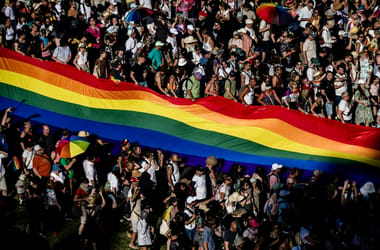
Medián: A magyarok több mint kétharmada támogatja, hogy gyereket fogadhassanak örökbe az azonos neműek Az elsőn, 1997-ben 300-an, a tavalyi „betiltott Pride-on 300 ezren támogatták az LMBT-emberek jogegyenlőségét. A mai menetet a „Fejezzük be együtt a rendszerváltást! jegyében hirdették meg.
hvg.hu · 2 months ago

Egy budai edzőteremben gyúr Schwarzenegger A filmsztár Budapesten forgat, de az edzéseket itt sem hagyja ki.
hvg.hu · 2 months ago
Muži, od ktorých systém žiada menštruáciu: Poruchy príjmu potravy už dávno nie sú len ženskou záležitosťou Hoci sú poruchy príjmu potravy (PPP) v spoločnosti naďalej vnímané primárne ako ženské ochorenie, výskyt anorexie, bulímie či svalovej dysmorfie narastá aj u mužov či chlapcov.
aktuality.sk · 2 months ago
Anselmo Braamcamp: atenção ao novo quarteirão cultural do Porto Na zona alta do Bonfim, parece à primeira vista uma rua pacata, de interior de quarteirão. E, sim, a Anselmo Braamcamp é sossegada, mas esconde um fervilhar cultural que vale a pena conhecer melhor.
publico · 2 months ago
Os Bordados da Berdadeira são pontos que querem unir comunidades do Porto O programa municipal Cultura em Expansão convidou a cantora Gisela João para levar as artes manuais a dois bairros da cidade, Pasteleira e Bouça. Bordados primeiro, crochet a seguir.
publico · 2 months ago
Pride | Orpo puolusti Pride-päivänä eheytyshoitojen kieltoa, jota hallitus ei tee Hallituspuolueista perussuomalaiset ja kristillisdemokraatit vastustaa eheytyshoitojen kieltoa.
helsingin sanomat · 2 months ago
Pride | Pride-kulkue lähti liikkeelle Senaatintorilta Kulkueen reitti päättyy Kaivopuistoon, jossa järjestetään puistojuhla.
helsingin sanomat · 2 months ago
Oslo Pride er en pryd for byen Den store festen er en markering av storsamfunnets støtte til landets skeive.
aftenposten · 2 months ago
On This Day in 1991 a Fićo Stood in Front of a Tank & Became a Symbol of Resistance June the 27th, 2026 – Turning the clock back to June the 27th, 1991, a small red Fićo stood in front of a JNA tank, becoming a permanent symbol of eastern Croatias resistance in the face of evil. On this day in 1991, Yugoslav Peoples Army (JNA) tanks came out onto the streets of the ... Read more The post On This Day in 1991 a Fićo Stood in Front of a Tank & Became a Symbol of Resistance appeared first on Total Croatia.
total croatia news · 2 months ago
Pravna mreža: Parkirni odlok ni bil umaknjen zakonito, zato še vedno velja Ljubljanski parkirni odlok ni bil umaknjen zakonito, zato še vedno velja, menijo v Pravni mreži za varstvo demokracije. Posledično se referendum o odloku lahko izvede.
rtv slovenia · 2 months ago

Au festival du film danimation dAnnecy, pas encore deffet «Zapper Bolloré» À notre connaissance, le seul espace de débat sur le sujet autour des «impacts de la fascisation des médias sur le film danimation» a duré deux heures en dehors du programme officiel. Sur les 19 000 personnes accréditées du festival, une cinquantaine de personnes, plutôt jeunes, y ont assisté.
mediapart · 2 months ago
Au festival danimation dAnnecy, les spectateurs saisis par les motions Quête du père, spectre de la guerre… Quil sagisse de films indépendants ou de superproductions, beaucoup dœuvres de la sélection manient la tragédie avec splendeur.
liberation · 2 months ago
Hongrie: «Plus de deux tiers de la population est favorable au mariage homosexuel», rappelle la chercheuse Ambre Bruneteau En pleine canicule, la Marche des fiertés est tout de même prévue samedi 27 juin dans plusieurs villes dEurope, y compris à Budapest. Elle avait été interdite lan dernier par le gouvernement de Viktor Orban. Même si la communauté LGBT+ était réunie malgré tout, depuis, le conservateur pro-européen Peter Magyar est devenu Premier ministre et il nenvisage donc plus dinterdire cette marche des fiertés. Ambre Bruneteau, doctorante en sciences politiques à luniversité Paris I Panthéon-Sorbonne, est la Grande invitée internationale de RFI.
rfi.fr · 2 months ago
Japan snow monkey park to cap visitors after overcrowding, bad behavior A Japanese park famous for "snow monkeys" soaking in hot springs will cap daily numbers after a surge in visitors and cases of bad behavior including bathing with…
japantoday · 2 months ago
1.100.000 μοναδικοί χρήστες ενημερώθηκαν χθες Παρασκευή 26 Ιουνίου από το protothema.gr Σταθερά στην πρώτη θέση των διαδικτυακών Μέσων Ενημέρωσης
protothema · 2 months ago

IS: Tämän takia seksuaalivähemmistöön kuuluva Joakim Vigelius ei osallistu Prideen
iltalehti · 2 months ago
Împăratul, planurile de adopție și o prințesă care nu va domni niciodată: viitorul nesigur al celei mai vechi monarhii ereditare Familia imperială a Japoniei se stinge, dar tradiționaliștii refuză să ia în considerare soluția evidentă — modificarea legii pentru a-i permite prințesei Aiko să urce pe tron, scrie The Times într-un articol dedicat celei mai vechi monarhii ereditare din istorie.
digi24 · 2 months ago
Viinikriitikon valinta | Viinikriitikko maistoi Alkon kalleimman hanaviinin Tässä juttusarjassa HS:n viiniasiantuntija Jouko Mykkänen suosittelee sesonkiin sopivia viinejä. Tällä kertaa hän maistoi Alkon kalleimman hanapakkausviinin, kalifornialaisen Bread & Butter Chardonnayn.
helsingin sanomat · 2 months ago
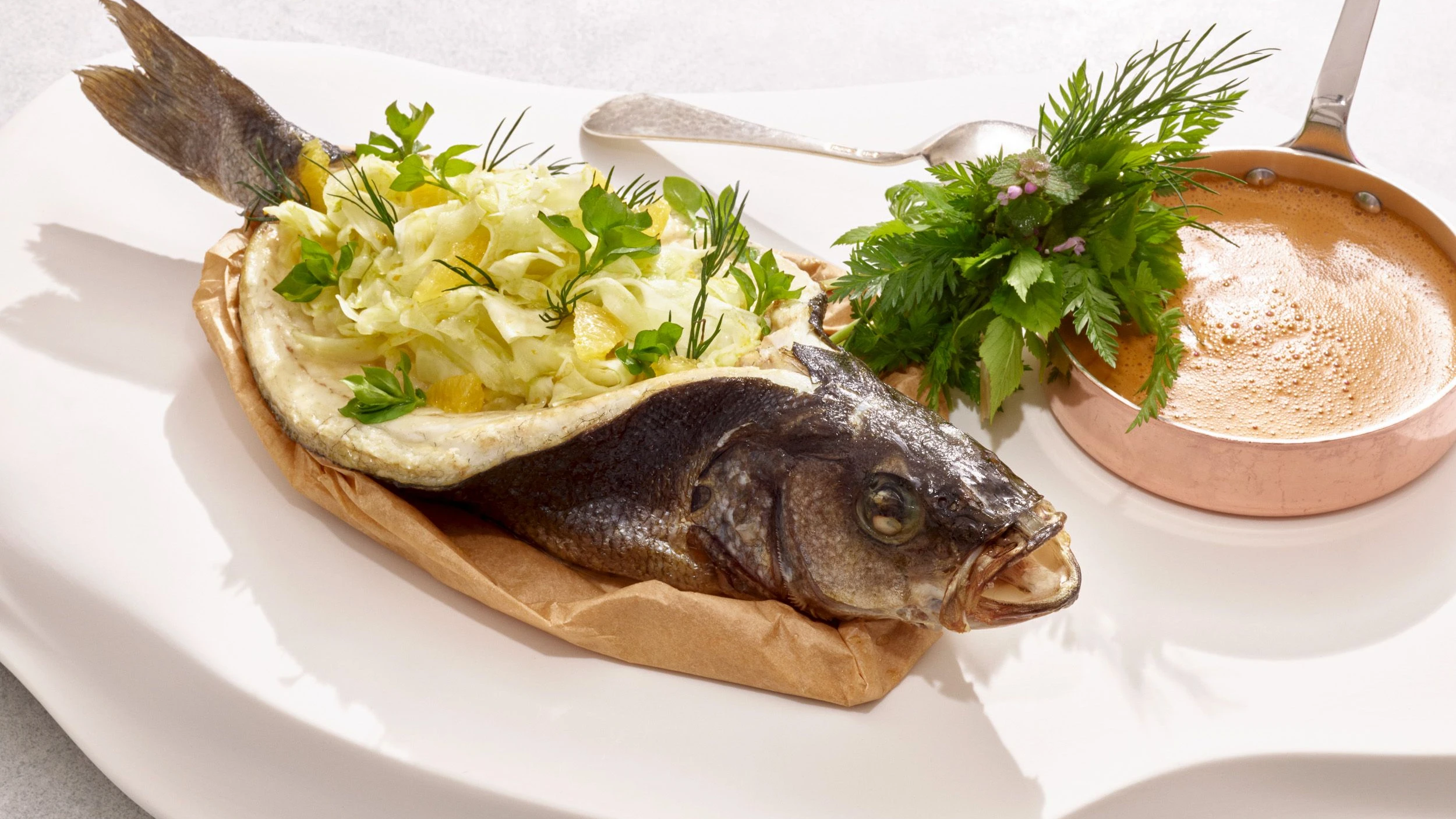
Fischrezept vom Sternekoch: Spektakulärer kann man einen Wolfsbarsch nicht zubereiten Festes Raubfischfleisch und feinster Fenchel: Hier verrät der Sylter Zwei-Sterne-Koch Jan-Philipp Berner, wie man einen Wolfsbarsch in eine essbare Skulptur verwandelt.
faz · 2 months ago

König Charles III.: Der Monarch will nicht in den Palast zurück König Charles III. veröffentlicht seine Steuersumme und gibt erstmals zu, dass er nicht im Buckingham-Palast wohnen will. Damit bricht er mit einer fast 200 Jahre alten Tradition.
faz · 2 months ago
Crimson dusk descends over Trabzons Black Sea coast A striking crimson sunset illuminated the Ortahisar district of Trabzon, casting dramatic silhouettes of ships and boats against the Black Sea. The vivid evening spectacle offered residents and visitors a moment of natural beauty along Türkiyes northeastern coastline.
yenisafak · 2 months ago

Oxfordból, Tajvanról, Kaliforniából is élőben nézték a BME különleges diplomavédését A virtuális valóságban kibontakozó, a matematika és az építőművészet határterületén egyensúlyozó prezentációval védte meg a mesterdiplomáját Kocsis Kinga, aki a látványos munkájában a nemrég felfedezett lágy cellákat a Rubik-kockával is kapcsolatba hozta. A védés iránti nemzetközi érdeklődés annak is szólt, hogy ezek a fajta projektek jelenthetik az AI korában az egyetemi vizsgák, kurzusok jövőjét.
hvg.hu · 2 months ago
Politiet om Pride-paraden: – Tilnærmet ufremkommelig for trafikk Politiet i Oslo forventer mange tusen deltagere i tillegg til et stort antall tilskuere langs paraderuten.
aftenposten · 2 months ago
Budapest Pride: Vanligt firande i år Glitterboor, regnbågar och kärlek. Prideparaden tågar under lördagen fram längs Budapests gator.– Till skillnad från förra året när vi slogs för våra rättigheter så blir det ett vanligt firande i år, säger aktivisten Ádám Kanicsár.
svenska dagbladet · 2 months ago
Efter Orbán – första lagliga prideparaden Prideparaden i Budapest har fått tillstånd från polisen – trots att samma evenemang var olagligt förra året. En enorm manifestation som bidrog till det politiska skiftet i Ungern, säger RFSL:s förbundsordförande Lovise Brade till SvD.
svenska dagbladet · 2 months ago
Diritti Lgbtq+, il ruolo delle sentenze nel cantiere aperto tra Italia e Ue Dalla legge contro lomotransfobia al diritto di famiglia il legislatore italiano non sta affrontando i nodi per disegnare un quadro normativo coerente con le politiche Ue
il sole 24 ore · 2 months ago