Loading…
 Saturday, July 25Saturday, July 25
8 days · 2 summary articles
SpaceX Starship completes test flight, deploys Starlink satellites before controlled ocean landing
SpaceX aborts Starship test flight after engine failure in Texas: next attempt expected next week
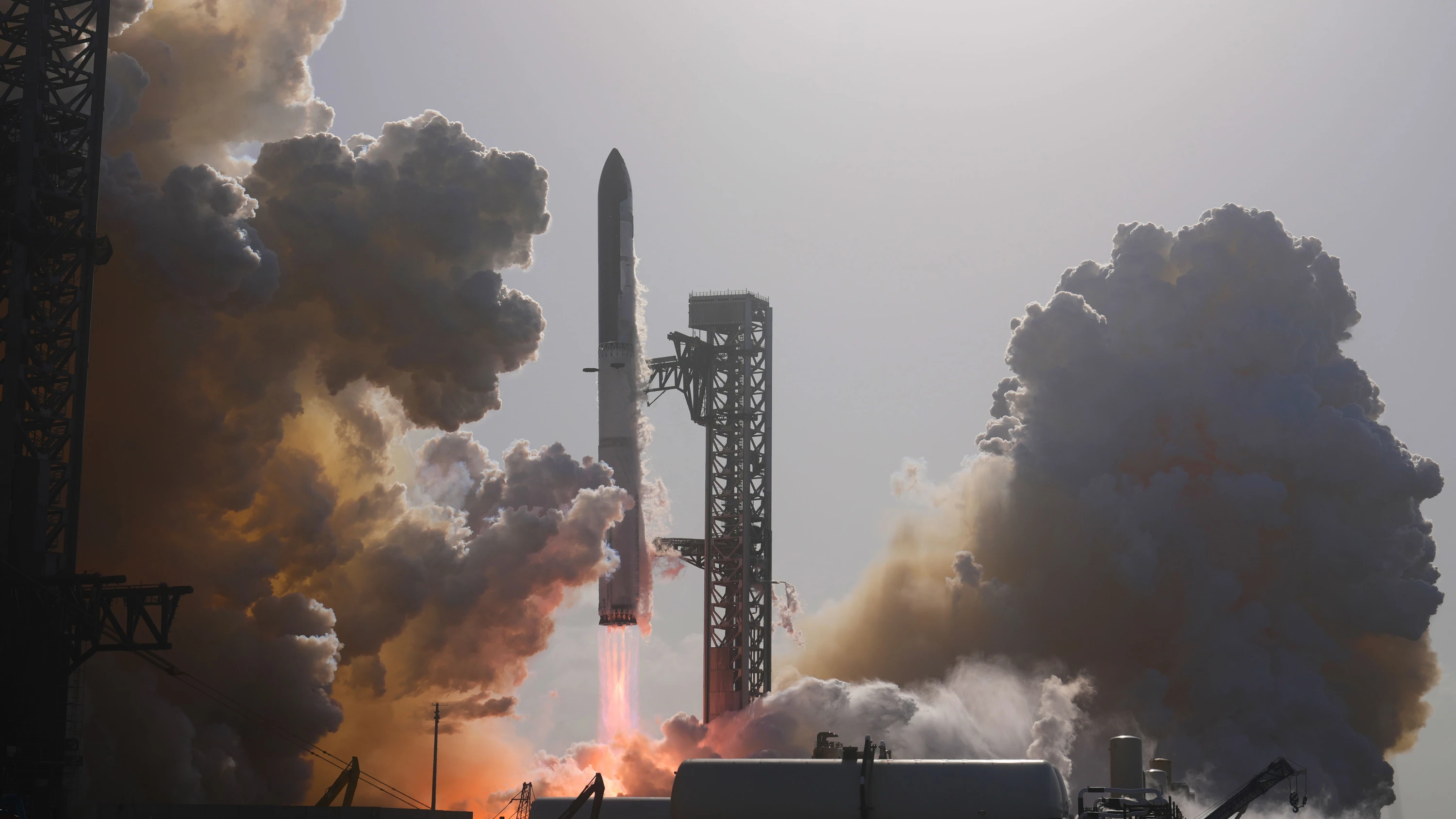
SpaceX's Starship rocket successfully completed its 13th test flight on Friday, July 24, 2026, from the company's facility in Texas. The rocket deployed 20 functioning Starlink satellites and performed a controlled landing in the Indian Ocean.
The launch, which took place at 6:51 p.m. Eastern time, was delayed by 24 hours due to cloudy conditions. This was the second flight of the upgraded Starship V3 version, which features improvements in design and performance.
During the flight, the rocket's upper stage deployed the Starlink satellites, which conducted tests including the deployment of solar arrays and antennas, and communication tests with ground stations and other Starlink satellites. The satellites were placed on a suborbital trajectory and re-entered the atmosphere, where they were expected to burn up.
The lower stage of the rocket, known as the Super Heavy booster, performed a controlled landing in the Gulf of Mexico. However, not all of the Raptor engines needed for the landing burn started up, causing the booster to hit the water at a higher speed than planned.
SpaceX spokesperson Dan Huot noted that this was the first time an intact Starship had been placed in the water, calling it a "dream scenario."
The Starship rocket is designed to be fully reusable, with both the booster and the upper stage intended to return to Earth and be used again. The rocket is part of SpaceX's plans to send humans to Mars and is also being considered by NASA for missions to the Moon.
The launch was monitored by NASA, as the successful test flight is a critical step toward using the Starship as a lunar lander for moon crews.
This test flight follows several previous attempts, including a launch in May that experienced engine trouble. The Starship rocket is the world's largest and most powerful rocket, standing at 407 feet (124 meters) tall.
The Starlink satellites deployed during this mission are the most advanced version, known as Starlink V3, which offer greater bandwidth and higher internet speeds. SpaceX has over 10,000 Starlink satellites in orbit, making it the world's largest satellite constellation.
Follow us for live European news
1 further source not geolocated

Flug von Musks Riesenrakete ist weitgehend gelungen Das größte Raketensystem der Raumfahrtgeschichte hat seinen 13. Testflug erfolgreich absolviert. Die SpaceX-Rakete von Elon Musk startete in Texas, setzte 20 Starlink-Satelliten aus und stürzte planmäßig ins Meer.
welt.de · about 2 hours ago

Teslas Robotaxi-Traum trifft auf eine harte Realität Der Service kommt auch ein Jahr nach dem Start kaum vom Fleck. Selbst Elon Musk klingt mittlerweile vergleichsweise gedämpft, wenn es um das Thema geht
der standard · about 2 hours ago
Raumfahrt: SpaceX absolviert erfolgreichen Starship-Testflug Nach zwei Verschiebungen absolviert die Riesen-Rakete von Elon Musk erfolgreich ihren 13. Testflug. 20 Starlink-Satelliten wurden ausgesetzt und verglühten wie geplant in der Atmosphäre.
faz · about 2 hours ago

Warum der Start der Riesenrakete „ein kleines Wunder ist Die SpaceX-Rakete „Starship hat ihren 13. Testflug weitgehend erfolgreich absolviert. Raumfahrtexperte Ulrich Walter spricht von einem „kleinen Wunder. Zudem ordnet er Elon Musks Pläne für den Mars ein.
welt.de · about 3 hours ago

Riesen-Rakete Starship absolvierte erneuten Testflug weitgehend nach Plan Vor einer Woche war der Flug abgebrochen worden, weil einige Triebwerke nicht zündeten
der standard · about 3 hours ago

Video: Bright fireball seen across Netherlands, identified as SpaceX satellite A bright fireball appeared over parts of the Netherlands around 10:30 p.m. on Friday as a Starlink satellite from Elon Musks SpaceX burned up after re-entering Earths atmosphere.
nltimes.nl · about 3 hours ago
Raumfahrt: Riesen-Rakete Starship absolviert 13. Testflug weitgehend nach Plan Nach einigen Fehlschlägen ist der Testflug nun geglückt. Wie geplant setzte die Rakete rund 20 funktionierende „Starlink-Internet-Satelliten aus.
handelsblatt · about 3 hours ago
SpaceX launches Starship on another test flight, this time with the most advanced Starlinks SpaceXs mammoth Starship rocket blasted off Friday on another test flight stretching halfway around the world, this time carrying 20 of the most advanced Starlinks. Towering 407 feet…
japantoday · about 4 hours ago

Test réussi de la mégafusée Starship, le premier depuis lentrée en Bourse de SpaceX La mégafusée Starship que construit SpaceX, lentreprise dElon Musk, pour aller sur la Lune et Mars a mené vendredi un vol test réussi, le premier réalisé depuis lentrée en Bourse record de lentreprise en juin. ...
la libre · about 4 hours ago
Start von Musks Riesenrakete weitgehend gelungen – doch ein Schwachpunkt wird auch diesmal deutlich Beim 13. Flug transportiert die SpaceX-Rakete Starship mit 20 Satelliten erstmals Nutzlast ins All. Die extrem hohe Anzahl von Triebwerken bleibt für das Musk-Unternehmen aber weiter ein Problem. Diesmal versagt ein Teil der Technik beim Abbremsen.
welt.de · about 4 hours ago
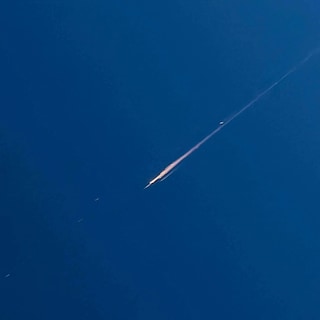
Spectaculaire vuurbal te zien boven Amsterdam: wat was het?
parool · about 4 hours ago
SpaceX conducts 13th Starship test flight SpaceX launched Starship on its 13th suborbital test flight July 24, correcting some of the issues seen on the previous flight while deploying functioning satellites for the first time. The post SpaceX conducts 13th Starship test flight appeared first on SpaceNews.
spacenews · about 5 hours ago
Vuurbal boven Amsterdam blijkt geen meteoriet, maar teruggekeerde Starlink-satelliet
parool · about 5 hours ago
95 AASTAT GRAF ZEPPELINI LENNUST ÜLE EESTI ⟩ Hõbedane maailmaime pani tuhanded eestlased ammulisui taevasse vahtima Kui Tallinna lähistel maanduks Elon Muski SpaceX Starship, tekitaks see ilmselt võrreldavat vaimustust, nagu seda kutsus esile õhulaeva Graf Zeppelini lend üle Eesti 25. juulil 1931.
postimees · about 6 hours ago

SpaceX lança satélites com Starship pela primeira vez No 13.º voo de teste, o Starship lançou 20 novos satélites Starlink e recuperou, pela primeira vez, o Super Heavy Booster e a última versão da Ship.
observador · about 6 hours ago
SpaceX-i kosmoselaeva kolmeteistkümnes katselend õnnestus Kosmoseettevõte SpaceX lennutas reede õhtul (ööl vastu tänast Eesti aja järgi) USA Texase osariigist oma kosmoselaeva Starship edukalt 13. katselennule.
postimees · about 6 hours ago
Riesenrakete Starship: SpaceX fliegt ersten erfolgreichen Starship-Test seit Börsengang Die Starship-Rakete von Elon Musk ist nach einem 13. Testflug intakt im Wasser gelandet – zum ersten Mal überhaupt. Entwickler sprechen von einem »Traumszenario«.
die zeit · about 7 hours ago
TÄNA AJALOOS ⟩ Esimene naine käis avakosmoses 1984 – Nõukogude kosmonaut Svetlana Savitskaja väljus esimese naisena kosmoseaparaadist avakosmosesse.
postimees · about 8 hours ago

SpaceXs Starship rocket lifts off from Texas for 13th test flight reut.rs/44S3YSe
bluesky_Reuters · about 9 hours ago