Loading…
 Saturday, September 26Saturday, September 26
4 months · 3 summary articles
Asian stocks surge to multi-month highs on US-Iran dtente and SpaceX IPO
Fed braces for hawkish shift as Warsh's first meeting looms
US job growth surges past forecasts, fueling Fed rate hike bets
US job growth surges past forecasts in May, sending shockwaves through global markets and intensifying pressure on the Federal Reserve to tighten policy before year-end. The Labour Department reported on Friday that non-farm payrolls expanded by 172,000 in May, more than doubling the 80,000 increase economists had anticipated and underscoring the resilience of the world’s largest economy despite geopolitical headwinds. Traders immediately priced in a near-certainty of a December rate hike, with fed funds futures implying a 68% probability of at least a 25-basis-point increase by the December Federal Open Market Committee meeting .
The robust labour data arrived as chipmakers led a broad equity retreat, with semiconductor giant Broadcom’s disappointing outlook triggering a two-day sell-off that erased gains across US and European benchmarks. The Nasdaq-100 underperformed, falling deeper into negative territory after the company’s forecast miss, while the DAX in Frankfurt closed down 0.4% as investors weighed geopolitical risks in Ukraine and the Middle East . European shares remained subdued, with the Stoxx 600 little changed as energy and financials lagged behind gains in Spanish equities, where the Ibex 35 hit fresh records driven by Inditex .
Against this backdrop, Elon Musk’s SpaceX is preparing for what could be the largest initial public offering in history, with plans to list 555.6 million shares at $135 each, valuing the company at $75 billion. The IPO, which could begin as early as next week, has already drawn tens of thousands of UK retail investors, with more than 30,000 small investors registering interest in the offering . However, the company has barred investors from China and Hong Kong from participating, according to Bloomberg News . Oddo BHF strategist Oliver Roth told *Welt* that the IPO’s scale and the involvement of major banks could drive short-term momentum, despite SpaceX’s persistent losses .
Commodity markets showed tentative signs of stabilisation, with the UN’s Food and Agriculture Organisation reporting a 0.2-point dip in its May Food Price Index, halting a recent upward trend . Meanwhile, UK house prices fell for a third consecutive month in May, reflecting lingering uncertainty from the Iran conflict and tighter mortgage conditions . Retailers, however, reported a rebound in footfall as warm weather lured consumers back to high streets, offering a rare bright spot in an otherwise cautious economic landscape.
Follow us for live European news
1 further source not geolocated

SelfPay, liderul pieței de Stații de Plată self-service din România, raporteaza rezultate record pentru anul 2025: profit net de 39,5 milioane lei și aproape 8 miliarde de lei procesați SelfPay marchează cel mai bun an din istoria companiei, cu rezultate financiare și operaționale în creștere accelerată și o consolidare puternică a rolului său în infrastructura financiară locală. Cel mai bun an din istoria companiei În 2025, SelfPay a procesat tranzacții în valoare totală de 7,94 miliarde lei, în creștere cu 19 față de anul …
hotnews.ro · 4 months ago

Mis ganancias en Bolsa han sido exponenciales, ¡en serio! La velocidad a la que aumenta el valor de mi cartera es ridícula. Leer
expansion · 4 months ago
„Glaube, dass eine beträchtliche Summe zukünftig in SpaceX geparkt werden wird SpaceX plant einen riesigen Börsengang mit 555,6 Millionen Aktien zu 135 Dollar. Trotz hoher Verluste sieht „Oddo BHF-Börsenstratege Oliver Roth im Gespräch mit Dietmar Deffner kurzfristig Chancen: „Glaube, dass die Aktie durch die vielen großen Banken, die auch dabei sind, durchaus potenzial hat.
welt.de · 4 months ago
Nach Absturz in Regionalliga: Heikle 1860-Zukunft: Ismaik kündigt juristische Prüfung an Die Fassungslosigkeit über den Absturz des TSV 1860 München ist weiter groß. Die Kündigung des Kooperationsvertrages nimmt der Investor nicht einfach hin.
tagesspiegel · 4 months ago
Dax aktuell: Dax dreht ins Minus – Chip-Aktie sackt mehr als acht Prozent ab Zum Wochenschluss blicken die Anleger auf die aktuellen Entwicklungen im Ukraine-Krieg. Der neueste Bericht zur Lage auf dem US-Arbeitsmarkt ist vor allem für die Fed entscheidend.
handelsblatt · 4 months ago

La descente aux enfers de la caméra GoPro, au bord de la faillite Le 1er juin, le célèbre fabricant de caméras daction a annoncé aux autorités boursières avoir un sérieux doute sur la poursuite de son activité. Comment lentreprise californienne qui a marqué les débuts de lère numérique en est-elle arrivée là ? Explications de la presse étrangère.
courrier international · 4 months ago

Un déficit colossal de 3,7 milliards de dollars pour Disneyland Paris Malgré un bénéfice et une fréquentation record lan dernier, le parc du géant du divertissement américain de Marne-la-Vallée cumule, depuis son ouverture, en 1992, des pertes qui atteignent 3,7 milliards de dollars. Et Disney na toujours pas rentabilisé linvestissement initial de 4,2 milliards de dollars, affirme The Guardian.
courrier international · 4 months ago
Greeces Property Market Turns to Older Homes Amid New Housing Shortage More than seven in ten property purchases in Greece in 2025 involved residential homes, with three-quarters of those sales concerning buildings over twenty years old, underscoring the countrys persistent shortage of new housing. The figures point to a structural imbalance in the Greek real estate market in which limited construction in recent years has failed […]
greek reporter · 4 months ago
Market Intelligence: Still American, but a little less so The eDiscovery market remains an American market through 2030, but the international share of worldwide spending is gradually rising. The eDiscovery market is, and remains, an American market. Reconciled estimates place worldwide US spending at approximately 12.94 billion US dollars in 2025 against 6.67 billion US dollars for the rest of the world combined—a 66-to-34 […] Market Intelligence: Still American, but a little less so was originally published on Emerging Europe.
emerging europe · 4 months ago
Trenurile PESA, blocate luni întregi în Gara Obor, ar putea intra în circulație săptămâna viitoare Cele 21 de rame electrice noi PESA, imobilizate în Gara Obor, ar putea fi puse în circulație săptămâna viitoare. Într-o declarație acordată pentru „Adevărul, Horațiu Cosma, secretar de stat în Ministerul Transporturilor, a anunțat că blocajul este la un pas de a fi rezolvat.
adevarul · 4 months ago
UE transmite un mesaj de calm după scumpirea kerosenului. Ce spune comisarul pentru transporturi Nu există semne că Europa s-ar putea confrunta cu o penurie de combustibil pentru avioane în lunile următoare, în ciuda șocului energetic provocat de războiul din Iran, susține comisarul european pentru transporturi.
adevarul · 4 months ago
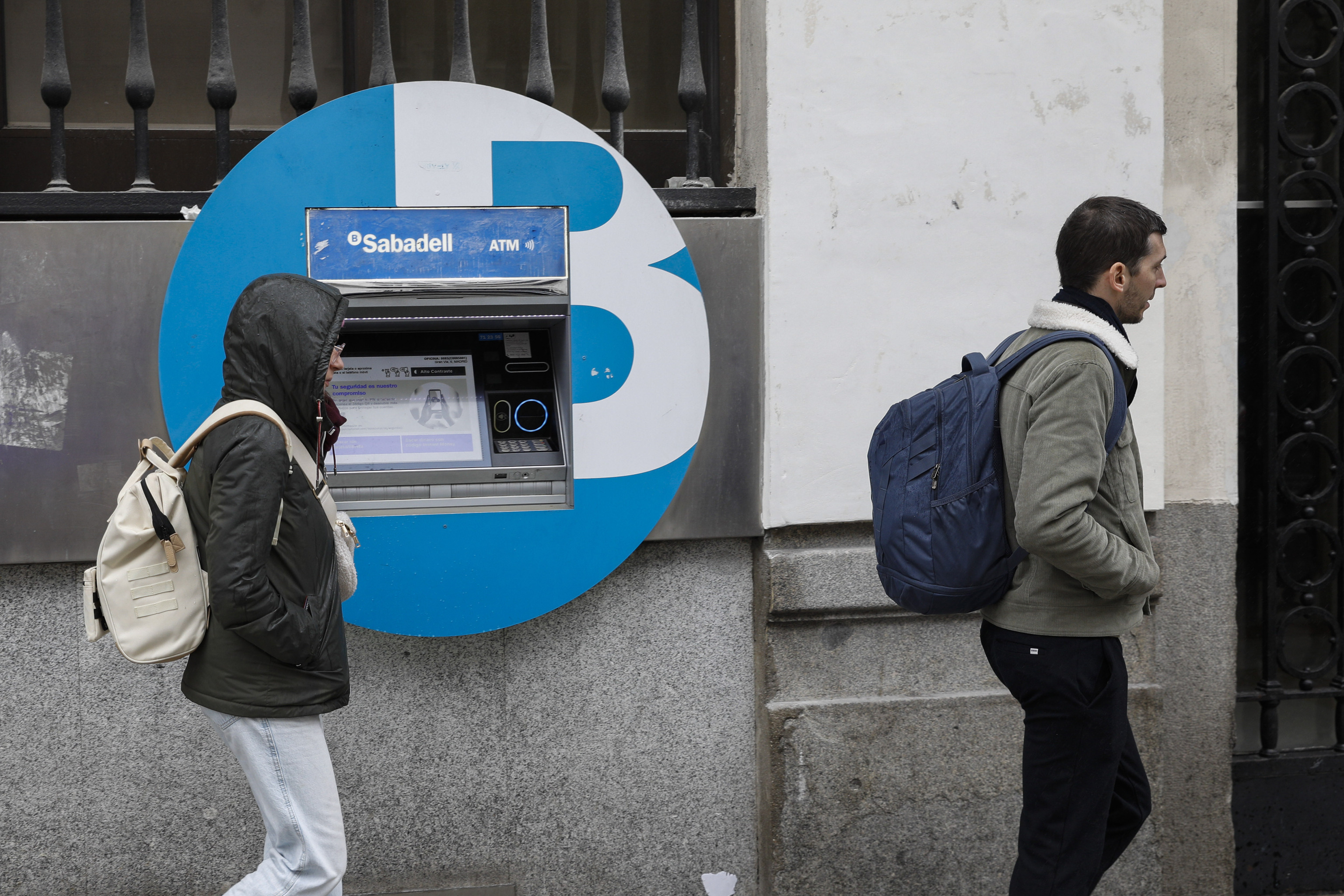
Cuentas que te ofrecen hasta un 3 TIN en junio de 2026 El TIN de una cuenta es el Tipo de Interés Nominal, el monto que se agregará al capital como rendimiento del dinero depositado en ella Leer
elmundo · 4 months ago

Die Wall Street im Weltraumfieber: US-Banken trommeln für SpaceX-Börsengang Elon Musk will mit dem Börsengang von SpaceX 75 Milliarden Dollar einnehmen. Jetzt ist es an den Banken, die Werbetrommel zu rühren und Käufer für die Papiere zu finden.
faz · 4 months ago
UK retail investor demand for SpaceX surges to tens of thousands More than 30,000 small investors register interest in hotly awaited IPO
financial times · 4 months ago

US job creation smashes forecasts in May; no jet fuel shortage in Europe – business live Rolling coverage of the latest economic and financial newsUK house prices fall for third successive month amid Iran war uncertaintyUK shoppers return to high street as warm weather brings respite from shadow of warAfter rising in recent months, global food commodity prices stabilised in May.The UNs Food and Agriculture Organisation has reported that its Food Price Index was stable last month, showing that the cost of a basket of food commodities dipped by 0.2 in May. Continue reading...
theguardian · 4 months ago
UK Interest Rates Are Shifting Markets Across London 2026 LONDON, June 5 – Brussels Morning Newspaper — UK Interest Rates remain the primary focus for investors as the British pound heads for a third consecutive weekly gain against the dollar. A period of relative stability in global oil prices has provided a soothing effect on persistent inflation concerns, allowing markets to recalibrate their expectations ahead […]
brussels morning · 4 months ago
EUs labour productivity slightly increased in Q1 2026 In the first quarter of 2026, labour productivity in the EU increased slightly by 0.1 based on both persons and hours worked, compared with the same quarter of the previous year. In the fourth quarter of 2025, labour productivity had increased by 0.8 based on persons and 0.7 based on hours wor...
eurostat · 4 months ago
PwC rebaja el sueldo de los socios que fallaron en la auditoría de Evergrande Los ingresos de la venta de una unidad de negocio en 2022 ya no se distribuirán, mientras la firma lidia con multas y una demanda inminente. Leer
expansion · 4 months ago
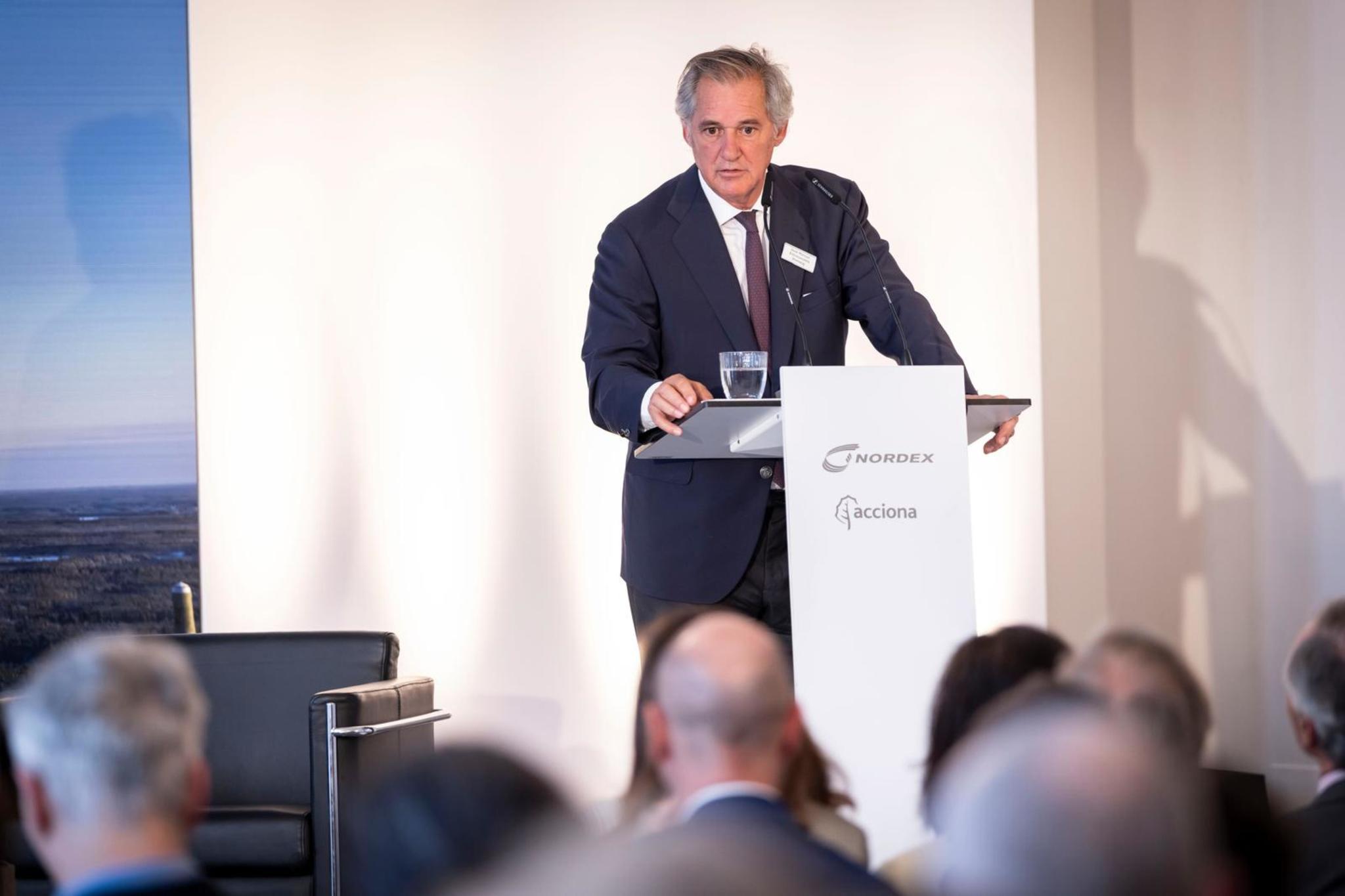
Acciona Energía vende 18 centrales en Navarra y La Rioja al fondo español White Summit por 66 millones La filial de renovables de Acciona ha vendido 17 centrales minihidráulicas en Navarra y una en La Rioja al fondo español White Summit Capital que capitanean Gonzalo López Medina y Pablo Pallás. La plusvalía asciende a 55 millones. Leer
expansion · 4 months ago

El PIB de la zona euro se contrae un 0,2 en el primer trimestre de 2026 por el impacto de la guerra de Irán La economía europea se contrajo un 0,2 en los tres primeros meses de 2026 fruto del impacto de la guerra de EEUU e Irán, la primera contracción desde 2022 y la mayor desde 2020. Leer
expansion · 4 months ago

El bitcoin ahonda su caída a mínimos del año La senda bajista del bitcoin se agrava. Solo en la última semana la mayor de las criptomonedas supera el 15 de desplome. La magnitud de este correctivo da como resultado nuevos mínimos del año en su cotización. Leer
expansion · 4 months ago
El empleo en EEUU supera las previsiones y crea 172.000 puestos de trabajo El mercado laboral de Estados Unidos ha creado en mayo 172.000 puestos de trabajo, por debajo de los 179.000 empleos del mes anterior (revisados al alza desde 115.000), según los datos publicados por la Oficina de Estadísticas Laborales estadounidense. Aun así, la cifra de empleo ha superado todas las previsiones de los analistas. Leer
expansion · 4 months ago
Salida a Bolsa de SpaceX: ¿debe comprar el inversor español? La salida a Bolsa de SpaceX, la empresa de satélites e IA del controvertido empresario Elon Musk, promete revolucionar los mercados la próxima semana. Leer
expansion · 4 months ago
![CRIS Cáncer donará a la empresa fundada por Barbacid los 3,6 millones recaudados en su polémica campaña Tras la polémica por las falsas expectativas contra el cáncer de páncreas y la ocultación de un conflicto de intereses, los fondos de la campaña solidaria se dirigirán a Vega Oncotargets, de la que Barbacid se vio obligado a desvincularseHemeroteca - Barbacid renuncia a los posibles beneficios de su terapia contra el cáncer de páncreas y se desvincula de su empresa
La Fundación CRIS contra el Cáncer donará los 3,6 millones recaudados contra el cáncer de páncreas a la empresa fundada por Mariano Barbacid, según ha informado a elDiario.es. De este modo, el dinero obtenido en una polémica campaña que generó falsas expectativas no se gestionará desde el Centro Nacional de Investigaciones Oncológicas (CNIO), sino que irá a Vega Oncotargets, la empresa privada creada por Barbacid en 2024 para la posible explotación comercial de los resultados.
Paralelamente, la Fundación aportará 750.000 euros al grupo de Oncología Experimental del CNIO, del que Barbacid es jefe, para seguir realizando estudios en ratones con cáncer de páncreas. Queremos cumplir la decisión de todos los donantes y ejecutar la canalización de los fondos, han asegurado desde CRIS Contra el Cáncer. Este dinero se le irá proporcionando a Vega Oncotargets de manera progresiva, tras el cumplimiento de ciertos hitos establecidos y supervisados por un comité de expertos, aseguran desde CRIS. El plazo de ejecución es de dos años y, tras este periodo, los resultados de los estudios llevados a cabo en Vega Oncotargets volverán al CNIO para ser validados.
Una polémica campaña
A principios de año, el equipo de Mariano Barbacid anunció que había conseguido eliminar un tipo de cáncer de páncreas en ratones con una terapia combinada de tres fármacos. Para llevar este éxito del laboratorio a los ensayos clínicos con humanos, CRIS contra el Cáncer lanzó una campaña masiva que fue muy mediática, recaudando más de 3,5 millones de euros tras la donación de 80.000 ciudadanos. Este nuevo descubrimiento generó una gran expectación que se alejaba de la realidad, pues los resultados solo habían sido probados en ratones, lo que no garantizaba el éxito en humanos también.
Tras la exitosa y mediática campaña de recaudación, la Academia Nacional de Ciencias de Estados Unidos (NAS) retiró el estudio publicado en la revista PNAS por no haber declarado un conflicto de intereses de Barbacid como miembro de la academia: tanto él como dos de sus coautoras, Vasiliki Liaki y Carmen Guerra, tenían participación en Vega Oncotargets. Después de conocerse el escándalo, Barbacid renunció a sus acciones dentro de la empresa, que eran de un 9,77.
He decidido desvincularme por completo de Vega Oncotargets devolviendo a dicha empresa todas mis acciones, valoradas en 750 euros, así como de la titularidad de dos solicitudes de patentes pertenecientes al CNIO, independientemente de su nulo valor, explicó Barbacid en el comunicado.
Hace tan solo unos días, la revista PNAS volvió a publicar el trabajo sobre el cáncer de páncreas de Mariano Barbacid, esta vez tras reconocer que el investigador español y sus colaboradores son cofundadores de Vega Ocnotargets. MB [Mariano Barbacid] era propietario de 750 acciones, lo que representa el 9,77 del total, pero ya no posee acciones de Vega Oncotargets SL, se lee en el trabajo de nuevo publicado. Tras la extensa campaña de recaudación de fondos liderada por CRIS contra el Cáncer, los 36 millones de euros recaudados se quedaron congelados a la espera de definir el plan técnico.](https://static.eldiario.es/clip/09881be3-7b52-4f32-ab73-66903765b549_16-9-discover-aspect-ratio_default_0.jpg)
CRIS Cáncer donará a la empresa fundada por Barbacid los 3,6 millones recaudados en su polémica campaña Tras la polémica por las falsas expectativas contra el cáncer de páncreas y la ocultación de un conflicto de intereses, los fondos de la campaña solidaria se dirigirán a Vega Oncotargets, de la que Barbacid se vio obligado a desvincularseHemeroteca - Barbacid renuncia a los posibles beneficios de su terapia contra el cáncer de páncreas y se desvincula de su empresa La Fundación CRIS contra el Cáncer donará los 3,6 millones recaudados contra el cáncer de páncreas a la empresa fundada por Mariano Barbacid, según ha informado a elDiario.es. De este modo, el dinero obtenido en una polémica campaña que generó falsas expectativas no se gestionará desde el Centro Nacional de Investigaciones Oncológicas (CNIO), sino que irá a Vega Oncotargets, la empresa privada creada por Barbacid en 2024 para la posible explotación comercial de los resultados. Paralelamente, la Fundación aportará 750.000 euros al grupo de Oncología Experimental del CNIO, del que Barbacid es jefe, para seguir realizando estudios en ratones con cáncer de páncreas. Queremos cumplir la decisión de todos los donantes y ejecutar la canalización de los fondos, han asegurado desde CRIS Contra el Cáncer. Este dinero se le irá proporcionando a Vega Oncotargets de manera progresiva, tras el cumplimiento de ciertos hitos establecidos y supervisados por un comité de expertos, aseguran desde CRIS. El plazo de ejecución es de dos años y, tras este periodo, los resultados de los estudios llevados a cabo en Vega Oncotargets volverán al CNIO para ser validados. Una polémica campaña A principios de año, el equipo de Mariano Barbacid anunció que había conseguido eliminar un tipo de cáncer de páncreas en ratones con una terapia combinada de tres fármacos. Para llevar este éxito del laboratorio a los ensayos clínicos con humanos, CRIS contra el Cáncer lanzó una campaña masiva que fue muy mediática, recaudando más de 3,5 millones de euros tras la donación de 80.000 ciudadanos. Este nuevo descubrimiento generó una gran expectación que se alejaba de la realidad, pues los resultados solo habían sido probados en ratones, lo que no garantizaba el éxito en humanos también. Tras la exitosa y mediática campaña de recaudación, la Academia Nacional de Ciencias de Estados Unidos (NAS) retiró el estudio publicado en la revista PNAS por no haber declarado un conflicto de intereses de Barbacid como miembro de la academia: tanto él como dos de sus coautoras, Vasiliki Liaki y Carmen Guerra, tenían participación en Vega Oncotargets. Después de conocerse el escándalo, Barbacid renunció a sus acciones dentro de la empresa, que eran de un 9,77. He decidido desvincularme por completo de Vega Oncotargets devolviendo a dicha empresa todas mis acciones, valoradas en 750 euros, así como de la titularidad de dos solicitudes de patentes pertenecientes al CNIO, independientemente de su nulo valor, explicó Barbacid en el comunicado. Hace tan solo unos días, la revista PNAS volvió a publicar el trabajo sobre el cáncer de páncreas de Mariano Barbacid, esta vez tras reconocer que el investigador español y sus colaboradores son cofundadores de Vega Ocnotargets. MB [Mariano Barbacid] era propietario de 750 acciones, lo que representa el 9,77 del total, pero ya no posee acciones de Vega Oncotargets SL, se lee en el trabajo de nuevo publicado. Tras la extensa campaña de recaudación de fondos liderada por CRIS contra el Cáncer, los 36 millones de euros recaudados se quedaron congelados a la espera de definir el plan técnico.
eldiario.es · 4 months ago

Las mejores ofertas de hoy en la Promo de Verano de AliExpress: 20 productos que están arrasando con descuentos irrepetibles ¿Quieres comprar gadgets tecnológicos por menos dinero? Hasta el 10 de junio puedes aprovechar la Promo de Verano de AliExpress, con dispositivos de grandes marcas a precios por los suelos... ¡Corre, que vuelan!
la vanguardia · 4 months ago