Loading…
 Saturday, September 26Saturday, September 26
4 months · 3 summary articles
Intertek exits FTSE 100 in 10bn private equity takeover
Energy stocks surge as Middle East tensions tighten supply and IPO boom sparks market jitters
Blackstone accelerates German investments in AI, logistics and renewables
The FTSE 100’s slow haemorrhage of blue-chip companies to private equity deepened on Thursday as Intertek, the testing and certification giant, agreed to a £10bn takeover by a consortium led by CVC Capital Partners. The deal, announced on 18 June 2026, marks the latest in a string of departures that have stripped the London market of household names and left investors fretting over the absence of fresh listings to replace them.
Intertek’s exit follows a pattern familiar to City observers. Since 2020, at least seven FTSE 100 constituents have been taken private, including Meggitt, Wood Group and most recently the engineering group Spirax-Sarco. Analysts at Peel Hunt calculate that the combined market value of these vanished companies exceeds £50bn, a figure that underscores the scale of the vacuum on the London Stock Exchange. “This is not an Arm moment,” wrote Nils Pratley in *The Guardian*, referring to SoftBank’s 2016 purchase of the Cambridge chip designer. “The problem is the lack of arrivals in the other direction.”
The trend reflects broader structural pressures. Private equity groups, armed with record cash piles and cheap debt, are targeting mature, cash-generative businesses that can service high leverage ratios. Intertek, with its global footprint in product testing and certification, fits the template: it generated £3.2bn in revenue last year and boasts a 22% operating margin. The consortium, which also includes funds managed by Blackstone and Canada Pension Plan Investment Board, values the company at 42 times its 2025 adjusted earnings.
Yet the vacuum on the public side persists. In the first five months of 2026, only three companies floated on the main market, raising a combined £1.1bn—less than a tenth of the amount raised in the same period of 2021. Regulators and exchanges have responded with a flurry of reforms, including the London Stock Exchange’s “Premium List” incentives and a relaxation of dual-class share structures. But the pipeline remains thin. “Companies may have AI strategies,” noted KPMG France’s head of clients and markets, Mathieu Wallich-Petit, “but few can prove they are paying off.”
The broader market mood was subdued on Thursday as investors parsed mixed signals from the Federal Reserve and geopolitics. US stocks slipped after the Fed held rates steady but lifted its year-end forecast to 3.8%, while Brent crude fell to $77.70 following reports of a temporary US-Iran agreement. In Europe, semiconductor stocks led gains on the Nasdaq after a US-Iran détente eased energy concerns, though SpaceX shares retreated for a second day.
Against this backdrop, the Intertek deal serves as a reminder of the City’s diminishing gravitational pull. With private equity firms circling ever larger targets, the question is no longer whether another FTSE 100 name will vanish, but which one—and when the next generation of public champions will step forward.
Follow us for live European news
2 further sources not geolocated

A 201-year-old mutual bank just launched an AI Center of Excellence with a startup partner Liberty Bank, a 201-year-old mutual bank headquartered in Middletown, Connecticut, announced the launch of an AI Center of Excellence alongside a strategic partnership with Flare AI. The centre will serve as the hub for AI strategy, governance, and execution across the banks personal, commercial, and digital operations. The partnership is structured around outcomes rather than […] This story continues at The Next Web
the next web · 3 months ago
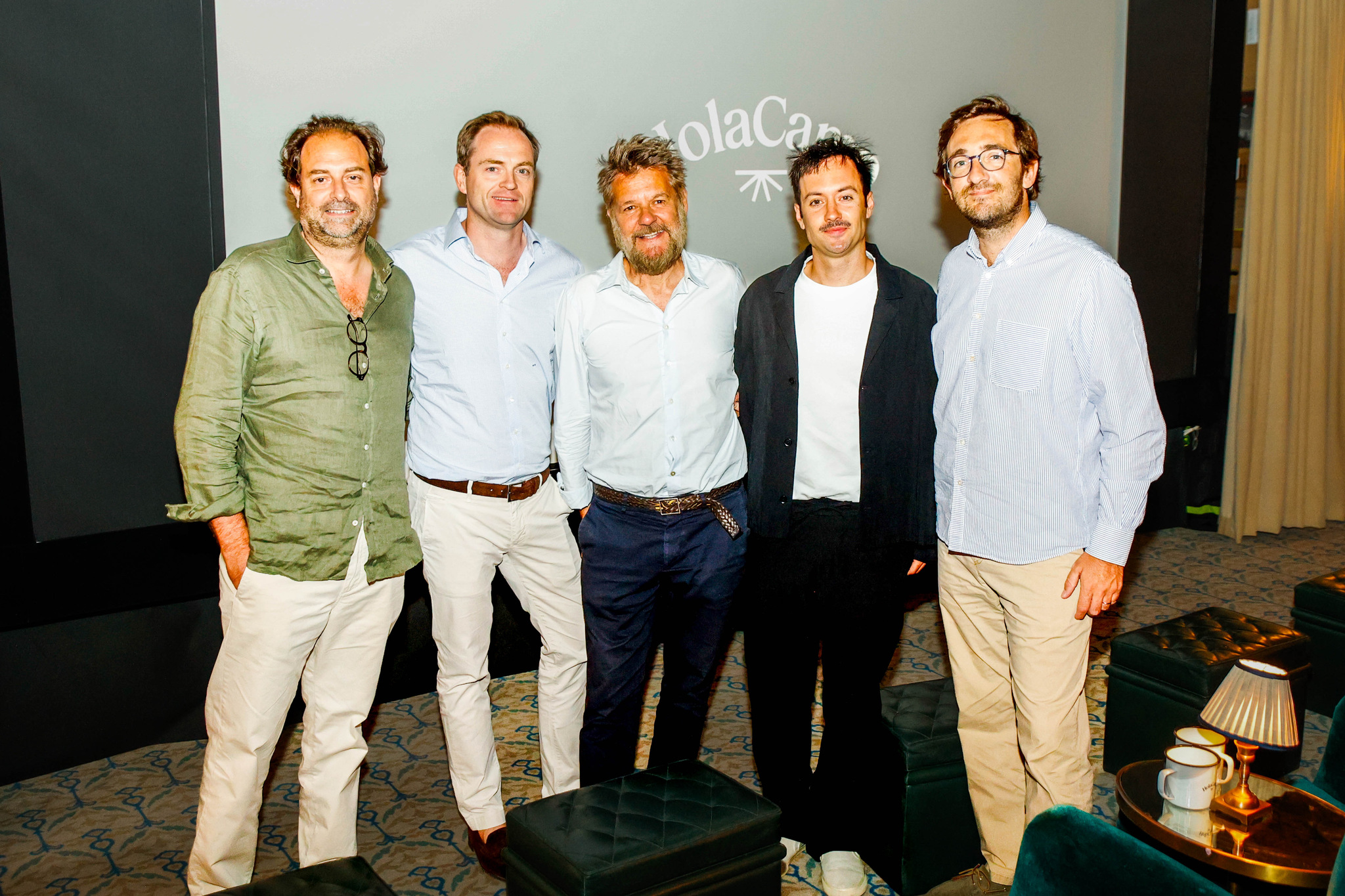
HolaCamp negocia la adquisición de tres activos con Indotek En paralelo, la empresa invierte 8,5 millones para abrir este verano dos nuevos establecimientos en Aragón. Leer
expansion · 3 months ago

El día en que las empresas se juegan su narrativa: el Capital Markets Day, bajo la lupa Un CMD organizado durante el primer semestre suele obtener mejores resultados que uno celebrado en la segunda parte del año. Leer
expansion · 3 months ago
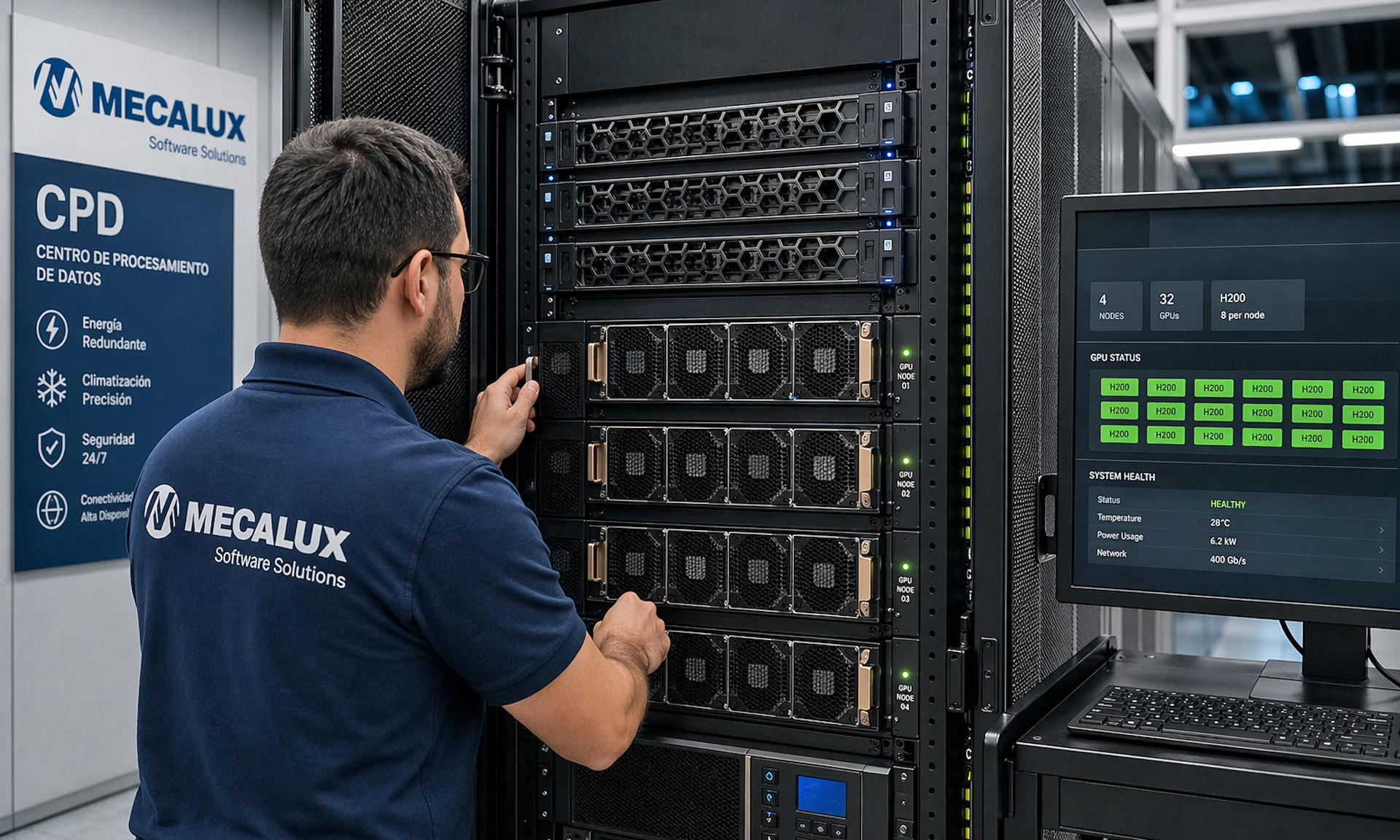
Mecalux gana un 10 más tras dos ejercicios a la baja La compañía de sistemas de almacenaje obtuvo el año pasado un beneficio neto de 75,9 millones de euros después de anotarse un alza de la facturación del 2,3, hasta 1.147 millones. Leer
expansion · 3 months ago
Global markets split on Fed rate signals, Iran deal optimism Investors faced a mixed global market Thursday, caught between expectations of possible US rate hikes and optimism from the US-Iran peace agreement. The Federal Reserve kept rates unchanged but raised its year-end forecast to 3.8. Brent crude fell to $77.70, while the dollar strengthened before easing. US stocks closed lower Wednesday.
yenisafak · 3 months ago
EQT to acquire Exolaunch Private equity firm EQT is acquiring Exolaunch, a company that has handled the rideshare launches of hundreds of satellites, to help it meet growing launch demand. The post EQT to acquire Exolaunch appeared first on SpaceNews.
spacenews · 3 months ago
„Perla räumt (fast) ab beim Österreichischen Filmpreis Eine Frau verliert Mann und Kinder bei einem Unfall, und lebt weiter: „Vier minus drei erzählt eine starke Geschichte. Der Hauptpreis für den Besten Film ging aber aber an
die presse · 3 months ago

El Barça golpea primero tras un memorable triunfo ante el Valencia Basket en la prórroga Una canasta milagrosa de Clyburn y el acierto de Laprovittola consiguen robar el factor cancha a los taronjas Leer
elmundo · 3 months ago
Χρηματιστήριο Αθηνών: Φρένο στο 5ήμερο ανοδικό σερί, αλλά δεν απομακρύνθηκε από τις κορυφές του Ο Γενικός Δείκτης έμεινε κοντά στα υψηλά 17 ετών και τις 2.500 μονάδες - Έπιασε τα 11 ευρώ η HELLENiQ ENERGY ενδοσυνεδριακά, σε νέο υψηλό 18,5 ετών - Ράλι για Aktor, Cenergy, ΕΥΔΑΠ - Νέο ιστορικό ρεκόρ για τον ΑΔΜΗΕ μετά την ολοκλήρωση της ΑΜΚ
protothema · 3 months ago
SP Global Ratings: Αναβάθμιση της ΔΕΗ σε «BB» μετά το επενδυτικό σχέδιο των 24 δισ. ευρώ Η S&P αναβάθμισε τη ΔΕΗ, εκτιμώντας ότι το νέο επενδυτικό πρόγραμμα των 24 δισ. ευρώ έως το 2030 θα επιταχύνει την ανάπτυξη, θα ενισχύσει την κερδοφορία και θα διατηρήσει ελεγχόμενο τον δανεισμό
protothema · 3 months ago
Cel mai nou serial inspirat de un roman semnat de „Regele suspansului a intrat pe Netflix Noul serial Netflix bazat pe romanul lui Harlan Coben, unul dintre cei mai cunoscuți scriitori americani de thrillere, a intrat joi pe platforma de streaming. Miniseria de opt episoade „I Will Find You („Te voi găsi adaptarea în România), inspirată de romanul omonim al lui Coben din 2023, îl are în distribuție pe Sam Worthington, …
hotnews.ro · 3 months ago
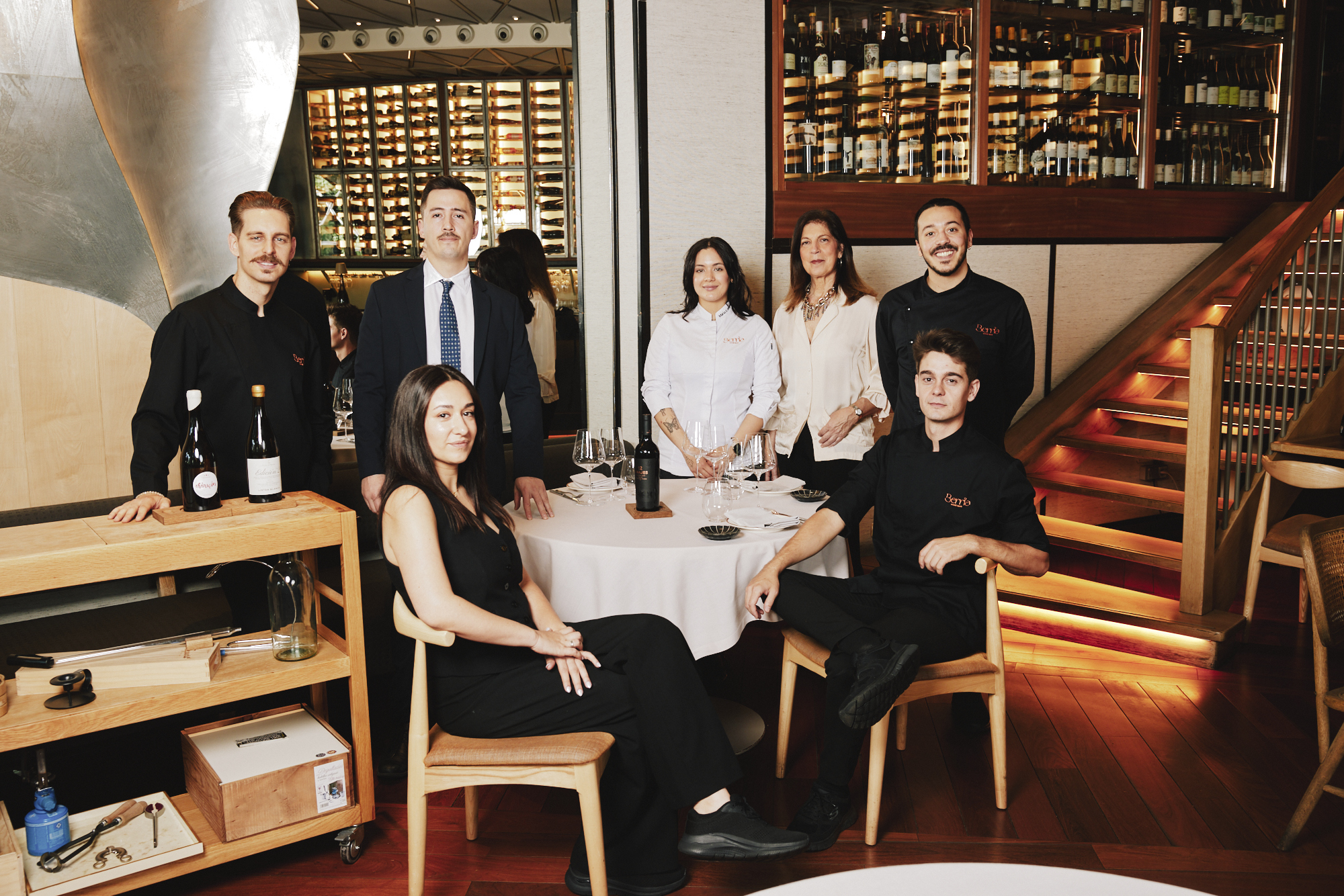
Wine Spectator premia a Berria por su "excepcional" oferta de vino Fundado por Gabriela Alcorta en 2021, este negocio ubicado en la Puerta de Alcalá gana el Grand Award de la revista estadounidense, que solo lucen 99 establecimientos de todo el mundo, incluidos los españoles Atrio y Rekondo. Leer
expansion · 3 months ago
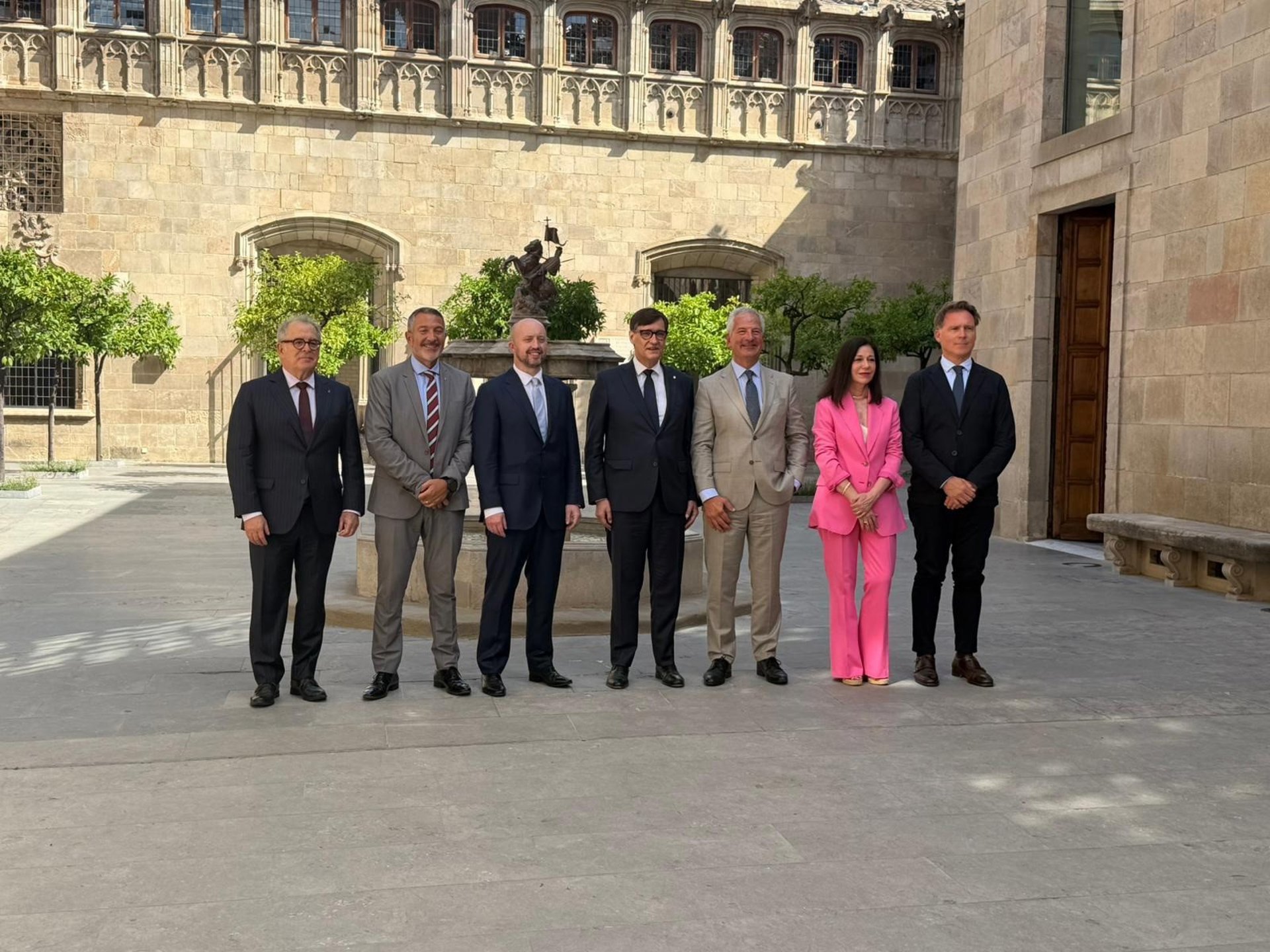
La británica OQC invertirá 92 millones en un nuevo centro de computación cuántica en Barcelona La empresa recibe el respaldo del Gobierno, a través de la sociedad público-privada Cofides, y prevé crear 210 puestos de trabajo en cinco años. Leer
expansion · 3 months ago
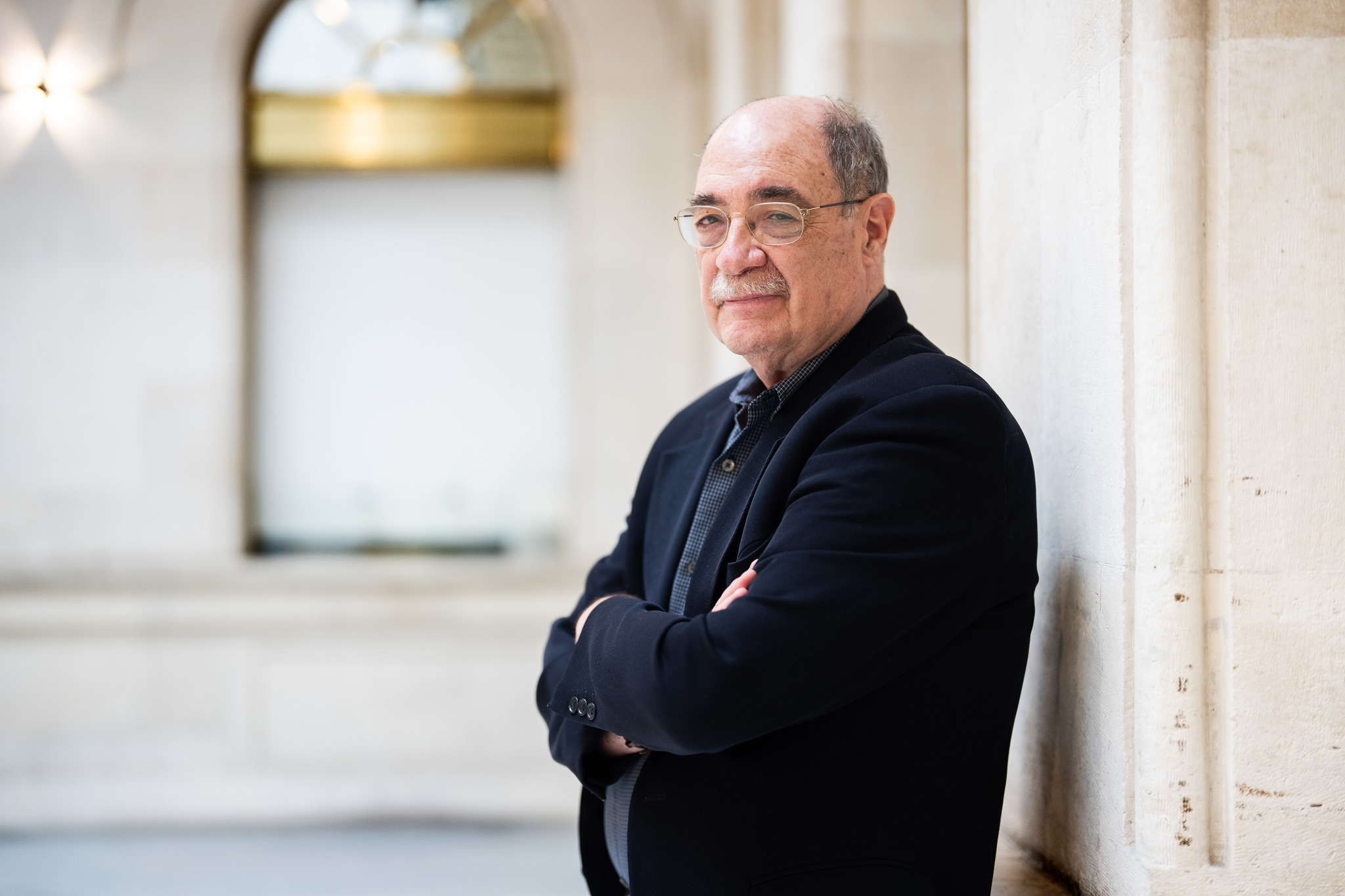
Charles Manski, pionero en el estudio de la incertidumbre económica, recibe el Premio Fundación BBVA Fronteras del Conocimiento El economista norteamericano Charles Manski, profesor de la Universidad Northwestern, ha recibido el galardón por su contribución a la investigación en Economía mediante un método que introduce la incertidumbre como variable y que han adoptado entidades como el Banco de España en la elaboración de sus encuestas. Leer
expansion · 3 months ago

Expansión regala el póster de la Bolsa Expansión regala a sus lectores el mayor gráfico bursátil hecho jamás, con motivo de su 40 Aniversario. Leer
expansion · 3 months ago
El Ibex se toma un respiro y mantiene los 19.400 puntos tras el acuerdo de paz El Ibex parte este jueves desde los 19.421 puntos, tras marcar ayer otro récord al subir un 1,35. Leer
expansion · 3 months ago

Si trabajase con portátil, ya tendría uno de estos monitores en la mochila: las mejores ofertas de pantallas y monitores portátiles de AliExpress Los monitores portátiles ya no son cosa de unos pocos. Pantalla táctil, 4K, 144 Hz o formato dual para tres pantallas ya están al alcance de cualquiera. Estas son las mejores ofertas de monitores portátiles de AliExpress
la vanguardia · 3 months ago

El grupo británico OQC invertirá 92 millones en un centro de computación cuántica en Barcelona La compañía nacida de la universidad de Oxford tiene previsto emplear 210 personas en cinco años
la vanguardia · 3 months ago

Naturgy ficha al exprimer ministro italiano Enrico Letta como consejero independiente Los tres representantes del fondo CVC dejan el consejo de la energética tras su salida del accionariado
la vanguardia · 3 months ago

La pareja de Ayuso ingresó 4,4 millones de Quirón en los primeros tres años de relación El empresario González Amador ingresó una media de 1,5 millones de euros de una filial del gigante de la sanidad privada entre 2021 y 2023 a través de sus dos consultoras: una en el punto de mira de la UCO
la vanguardia · 3 months ago
Space Forces rapid acquisition office director moves to Air Force Nuclear Weapons Center Kelly Hammetts departure comes as the Space Rapid Capabilities Office is being realigned under the Space Force The post Space Forces rapid acquisition office director moves to Air Force Nuclear Weapons Center appeared first on SpaceNews.
spacenews · 3 months ago

El bar madrileño Berria recibe el máximo reconocimiento de los Restaurant Awards 2026, los Oscar del vino El wine bar obtiene el Grand Award de la prestigiosa revista especializada Wine Spectator por su "excepcional" carta, con más de 3.000 referencias. Es el tercer establecimiento español que lo consigue después de Atrio y Rekondo. Leer
elmundo · 3 months ago
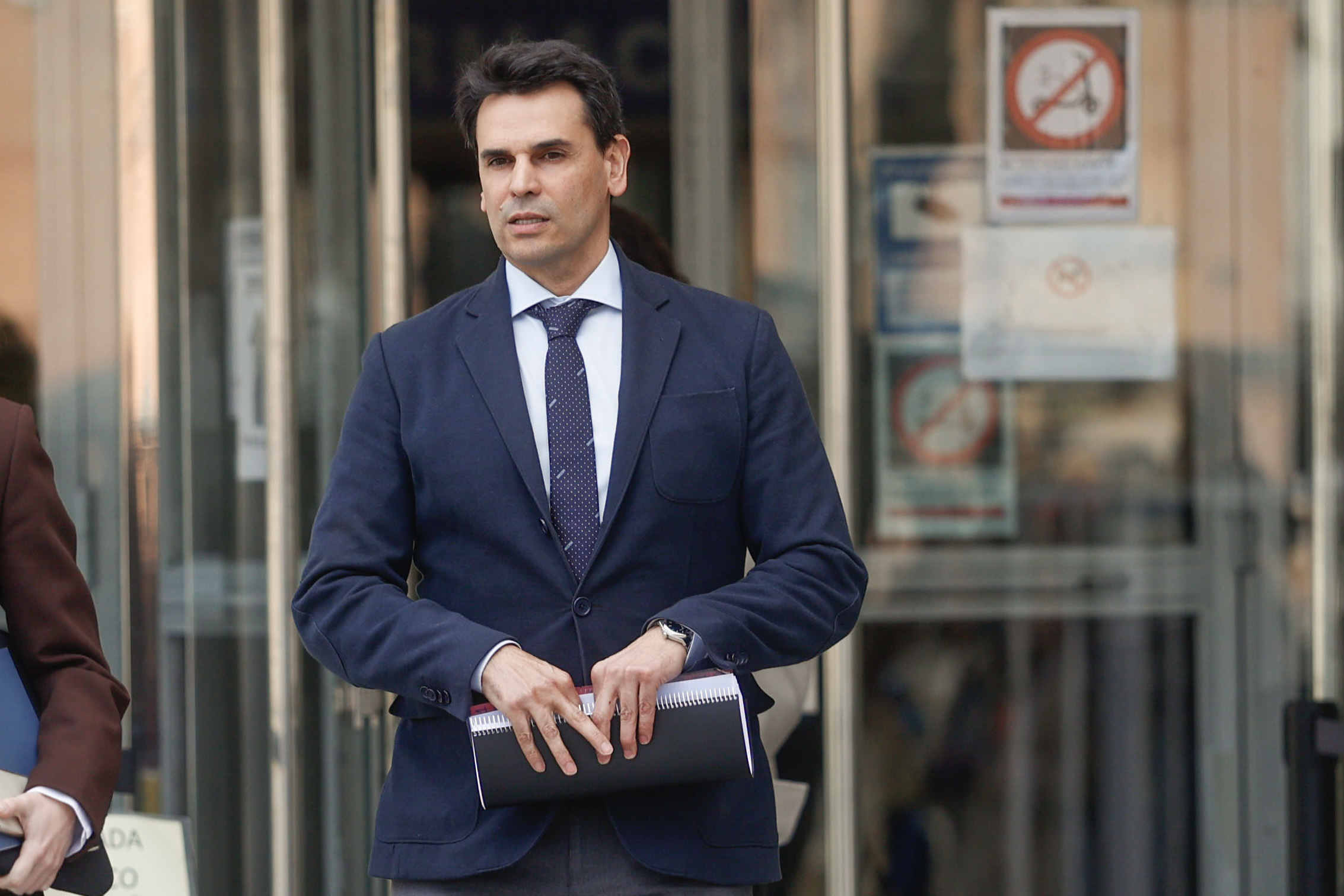
La empresa del novio de Ayuso facturó 4,4 millones de euros a Quirón entre 2021 y 2023 Los investigadores de la Guardia Civil describen cómo la mercantil Círculo de Belleza no tenía prácticamente actividad antes de su venta en 2020, y aumentó su cifra de negocio tras ser adquirida por González Amador a la esposa de un directivo de Quirón Leer
elmundo · 3 months ago
Vattenfall and Dutch start-up explore offshore data centres powered by wind farm Vattenfall and Amsterdam start-up Project Enki are jointly studying the development of offshore data centres linked directly to wind farms.
nltimes.nl · 3 months ago

Another FTSE 100 firm falls to private equity. Where are the new listings? | Nils Pratley You cant complain Interteks £10bn takeover happened – the problem is the lack of arrivals in the other direction It would be a stretch to describe the £10bn-ish takeover of Intertek as a landmark event for the London stock market or the FTSE 100 index.This is not an Arm Holdings moment – the purchase of that Cambridge chip designer by Japans SoftBank in 2016 provoked long (and continuing) agonising over the lack of whizzy tech stocks on the London market. Continue reading...
theguardian · 3 months ago
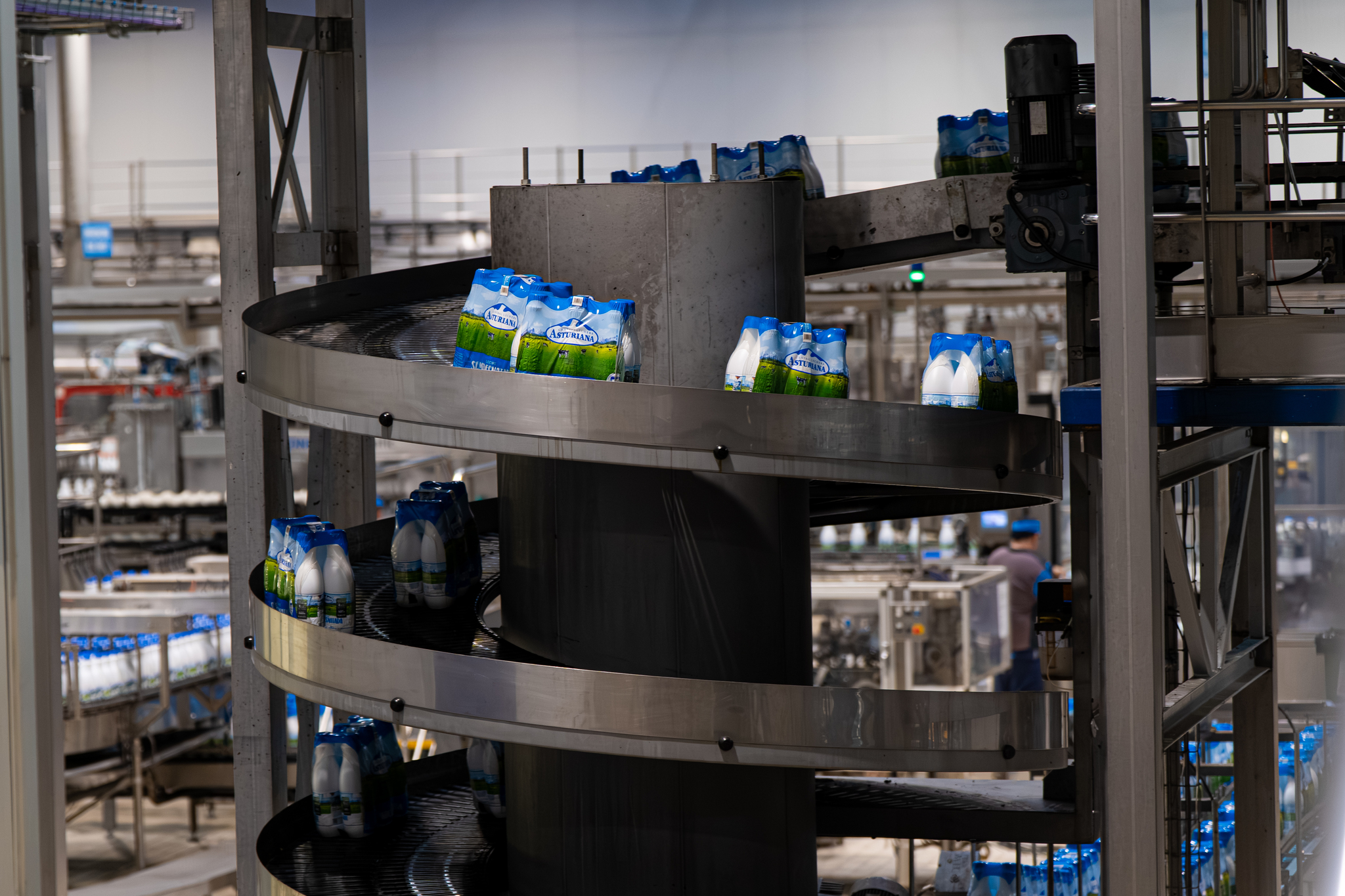
El grupo Central Lechera Asturiana supera los 1.000 millones de euros tras crecer un 1,6 La compañía, que destaca el comportamiento de las ventas de la nata y la mantequilla, elevó su ebitda un 16, hasta los 65,9 millones de euros. Leer
expansion · 3 months ago
:format(jpg)/f.elconfidencial.com%2Foriginal%2Fbbb%2Fd1e%2F337%2Fbbbd1e3377bdd5e1e416ab3f99602309.jpg)
Hacienda desvela que el novio de Ayuso facturó a Quirón 4,4 millones tras la pandemia El empresario Alberto González Amador está siendo investigado por presuntos delitos de corrupción en los negocios y administración desleal por sus negocios con Quirón Prevención SL
el confidencial · 3 months ago