
Blackstone accelerates German investments in AI, logistics and renewables
Story Timeline
2 months · 4 summary articles
Blackstone, the world’s largest private-equity house, has signalled it will accelerate deal-making in Germany, naming artificial-intelligence infrastructure, logistics real estate and renewable-energy finance as the three sectors it now considers “irresistible.” Speaking to the *Handelsblatt* on Tuesday, Jonathan Gray, Blackstone’s president and chief operating officer, said the firm had already committed €12bn to German assets this year and was “looking for more.” “Germany has the engineering talent, the regulatory clarity and the capital markets depth to lead the next wave of industrial transformation,” Gray said, adding that Anthropic’s recent €3bn data-centre partnership with German chipmaker Infineon had convinced him the country could become Europe’s AI backbone .
The pledge comes as Europe’s largest economy shows tentative signs of recovery: industrial production rose 1.2 % month-on-month in April, while exports climbed 2.4 % to €154bn, the Federal Statistical Office reported on Friday. Yet Gray’s optimism contrasts with the caution of Europe’s asset-management industry, where Schroders’ decision to sell its US wealth-management arm to Nuveen for $2.7bn has exposed the “middle-market squeeze,” according to Schroders chief executive Richard Oldfield. “Firms that are neither global scale nor niche specialists are struggling to justify fees,” Oldfield told the *Handelsblatt* .
The financial sector’s split personality is also visible in energy finance. Despite pledges to decarbonise, the world’s 65 largest banks channelled $900bn into oil, gas and coal in 2025, with twelve lenders accounting for 40 % of the total, according to a study published by the Austrian daily *Der Standard* on Monday. Deutsche Bank remains the notable exception in Europe, continuing to finance fossil-fuel projects while rivals retreat .
Elsewhere, deal flow is accelerating. UK pharmacy chain Boots is in exclusive talks with Australia’s Sigma Healthcare and the Weston family to sell the 180-year-old retailer for up to $10bn, the *Financial Times* reported on Monday, scuttling plans for a London float . In biotech, GSK agreed to pay $10.6bn for US cancer specialist Nuvalent, its largest acquisition since Luke Miels became chief executive in January, the company confirmed on Monday . Meanwhile, US software firm NinjaOne raised $400m in a funding round that values it at more than $12bn, underscoring the continued appetite for enterprise-AI plays .
Against this backdrop, German policymakers are pushing a new state-backed retirement savings depot that will allow savers to hold stocks and bonds in a single tax-efficient wrapper, the *Frankfurter Allgemeine* reported in its Tuesday podcast. The plan, due to launch in 2027, aims to reverse decades of German scepticism toward capital markets.
Follow us for live European news
- 5
- 2
- 2
- 1
- 1
- 1
- 1
1 further source not geolocated
Articles

Parabilis Medicines targets $2.3 billion valuation in upsized US IPO reut.rs/4ai2Quc
bluesky bot · about 2 months ago
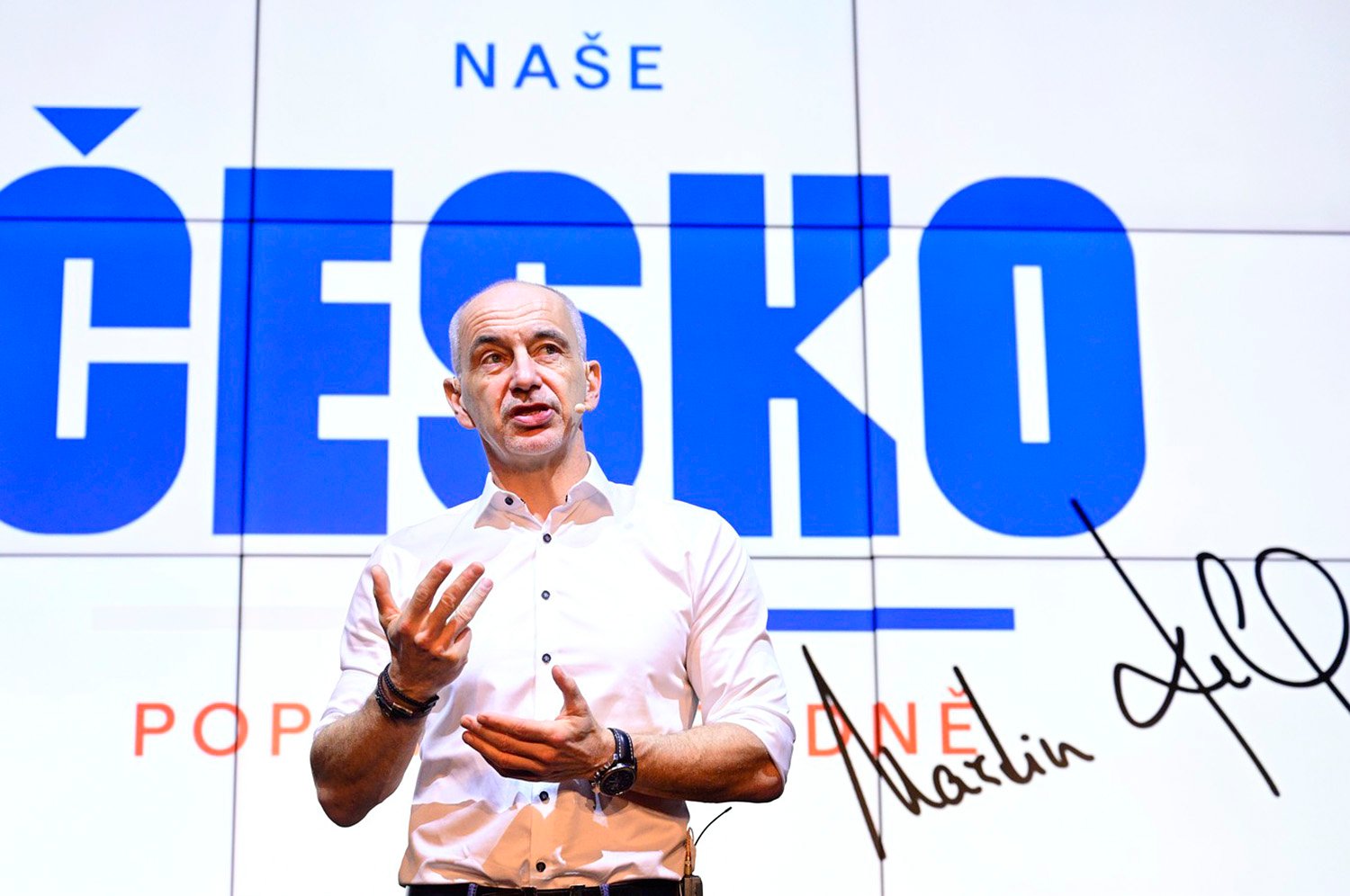
Manažeři ze skupiny českého miliardáře poslali hnutí Martina Kuby štědrou finanční podporu Nová politická síla postupně nabírá známé tváře a peníze na rozjezd
respekt · about 2 months ago
„Was Musk vorhat, würde Mr. Spock als faszinierend beschreiben Die deutsche Wirtschaft startet mit steigenden Exporten und Produktion ins Frühjahr. SpaceX plant KI-Rechenzentren im All und bereitet seinen Mega-Börsengang vor. „Man braucht eine Legende, eine Vision, um das Ganze appetitlich zu machen, sagt Kapitalmarktanalyst Robert Halver bei Dietmar Deffner.
welt.de · about 2 months ago

In eigener Sache: Verleger Dieter von Holtzbrinck bündelt Marken in neuer Gruppe Aus Handelsblatt Media Group, Tagesspiegel Verlag und Dieter von Holtzbrinck Medien wird Holtzbrinck Media. Das neue Unternehmen will in Redaktionen, Technologie und neue Geschäftsfelder investieren.
tagesspiegel · about 2 months ago
Interview: Blackstone-Manager plant „noch mehr Investitionen in Deutschland – und nennt drei Branchen Jonathan Gray vom weltgrößten Private-Equity-Hauses erklärt, was hinter der Partnerschaft mit Anthropic steckt und welches deutsche Know-how er im KI-Boom für besonders wertvoll hält.
handelsblatt · about 2 months ago
Federal Reserve: Märkte schwenken auf Zinserhöhung der US-Notenbank um Steigende Anleiherenditen und neue Zinsprognosen: Investoren und Ökonomen passen unter dem Eindruck jüngster US-Wirtschaftsdaten ihre Erwartungen an die Fed an.
handelsblatt · about 2 months ago
Brasileiros investem na construção de imóveis para a classe média em Portugal Empreendimentos se concentram, sobretudo, na Margem Sul de Lisboa, onde os preços dos terrenos ainda não estão tão inflacionados. Imóveis são menores que os tradicionais, para caber no bolso.
publico · about 2 months ago
Een tweede ondernemer waagt zich aan het Rotterdamse pretparkhoofdpijndossier. De stad is allesbehalve enthousiast Met de veiling van een nooit geopend attractiepark had Rotterdam gehoopt ruimte te maken voor woningbouw. Nu wil Wim Beelen op dezelfde plek een pretpark laten verrijzen. Hij botst meteen met de gemeente: „Ik wil helemaal niet met die mensen in gesprek.
nrc · about 2 months ago
900 Milliarden Dollar für fossile Energie – 12 Banken tragen 40 Prozent dieser Investments Bei der Finanzierung fossiler Energie agieren die 65 weltgrößten Banken nicht nachhaltig. Sogar die Neuinvestments in diesen Sektor nehmen zu
der standard · about 2 months ago
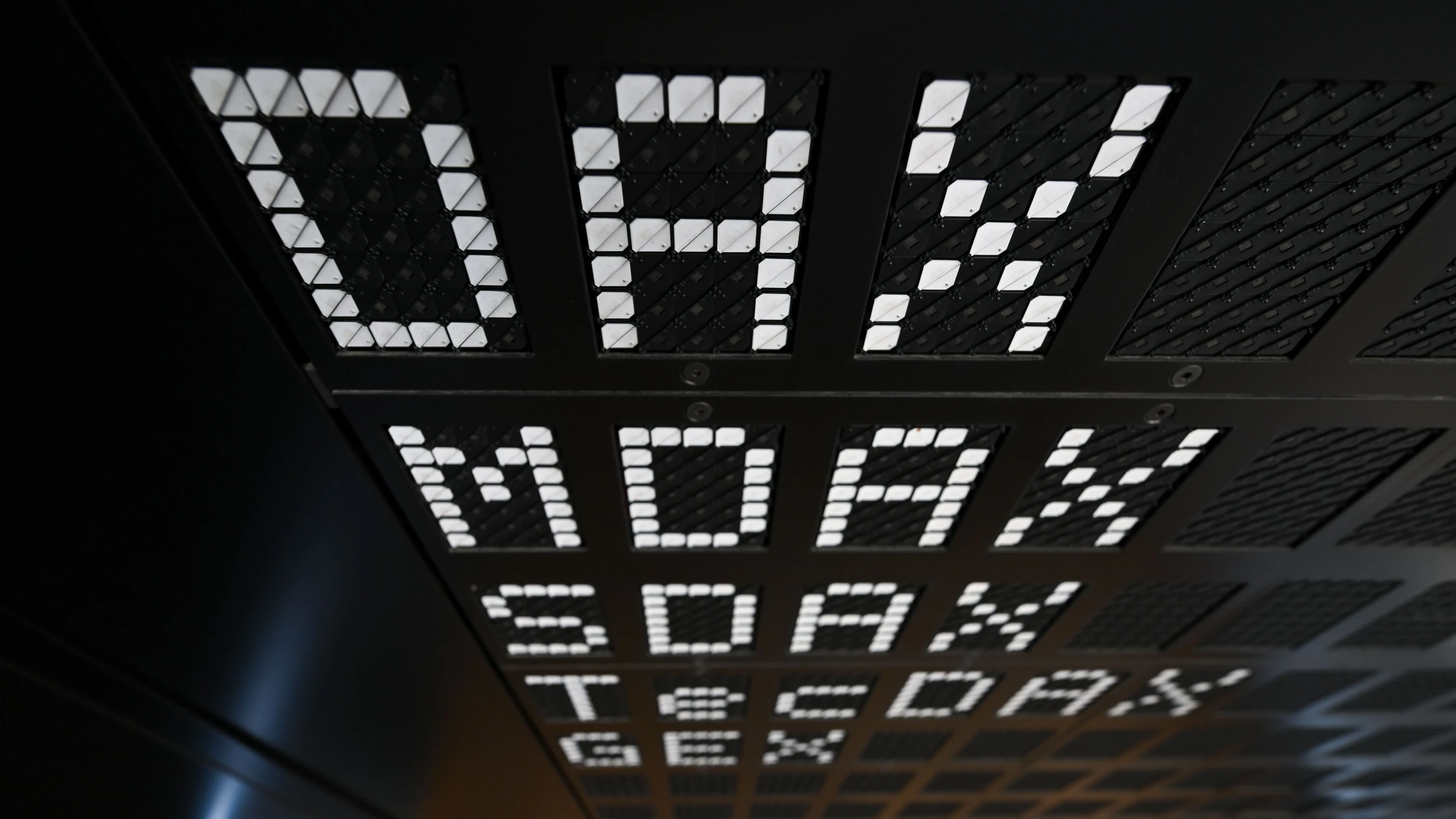
Podcast Finanzen & Immobilien: Was das neue Altersvorsorgedepot bringt In vielen Ländern gehören Aktien und Anleihen schon seit Jahren zum festen Bestandteil der Altersvorsorge. In Deutschland herrscht Skepsis, aber nun kommt endlich Bewegung in die Sache.
faz · about 2 months ago
GSK to buy US cancer biotech Nuvalent for $10.6bn New chief Luke Miels makes his mark at GSK with one of UK drugmakers biggest deals
financial times · about 2 months ago
Boots in talks over $10bn sale as owners look to ditch IPO plan Weston family and Australian group Sigma Healthcare both interested in buying UK pharmacy chain
financial times · about 2 months ago
GSKs $10.6bn cancer deal will lead to more Making additional moves would be in keeping with pharma groups strategy of building its pipeline as fast as possible
financial times · about 2 months ago

IT platform NinjaOne valued at over $12 billion in latest funding round reut.rs/4vCnZYa
bluesky bot · about 2 months ago

Britain begins formal review of Paramount s $110 billion Warner Bros deal reut.rs/4v0dnmb
bluesky bot · about 2 months ago

Paramount Skydance seeks business counterpart to CBS News editor Bari Weiss, Axios reports reut.rs/49OFyfp
bluesky bot · about 2 months ago

Um Novo Impulso para a Produção Nacional O Da Minha Terra reforça a aposta na produção nacional. Antigos fornecedores partilham experiências numa conversa sobre oportunidades e futuro.
observador · about 2 months ago
Chátrající pozemek u nádraží v Telči čeká proměna. Majitel tam chce postavit třípatrový dům s obchody Po bezmála deseti letech by v Telči mohl znovu ožít pozemek po bývalém hotelu Růžek nedaleko nádraží. Soukromý majitel v pondělí tamním zastupitelům představil studii, která počítá s tím, že v místě bude třípatrový dům s několika obchody.
irozhlas.cz · about 2 months ago
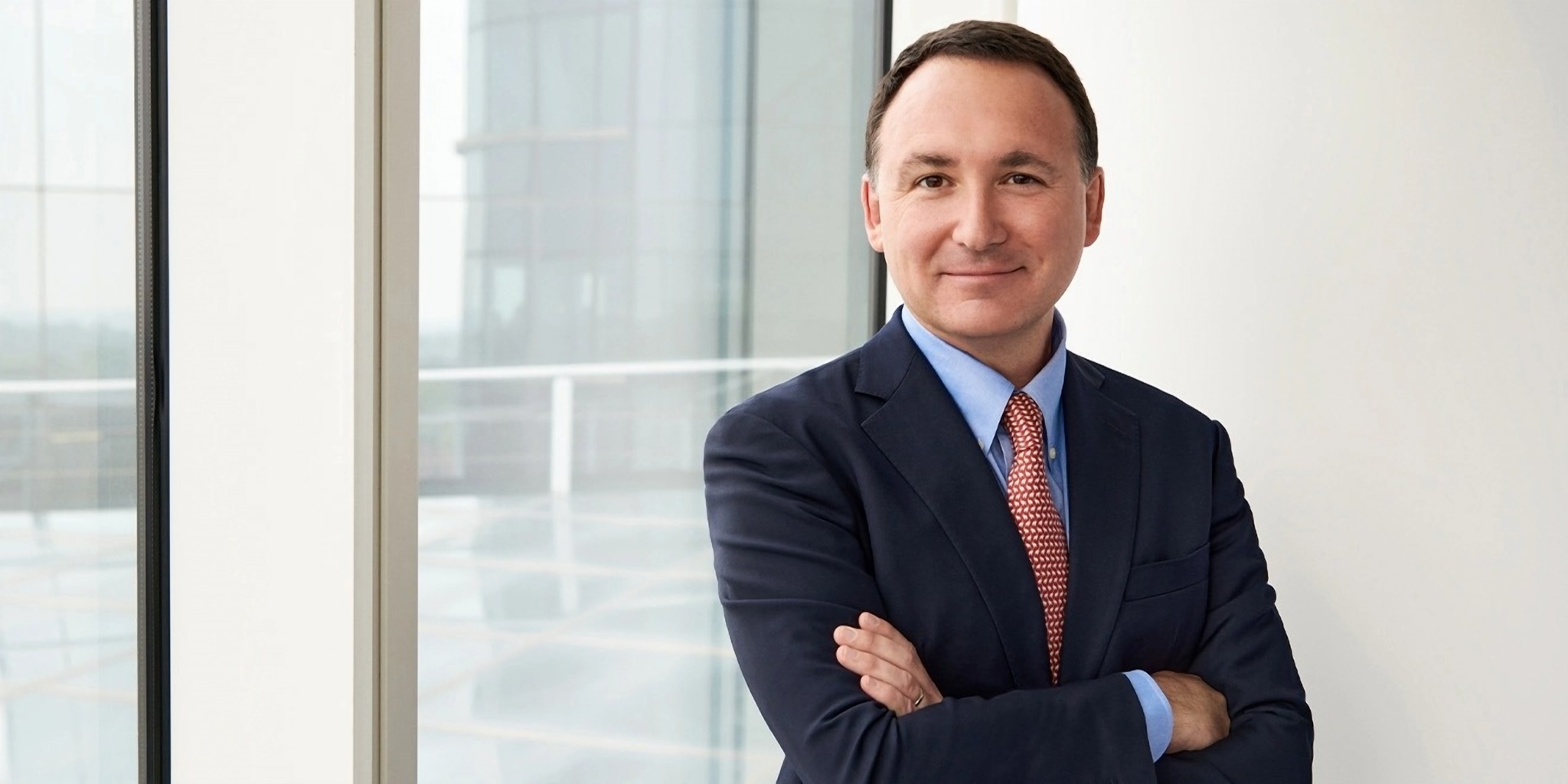
GSK compra Nuvalent por 9.200 millones para crecer en oncología La farmacéutica británica GSK ha comprado la biotecnológica estadounidense Nuvalent, especializada en tratamientos contra el cáncer, por 10.600 millones de dólares (9.200 millones de euros) para reforzar su cartera de fármacos oncológicos. Leer
expansion · about 2 months ago
Vermögensverwalter: Das Dilemma der Asset Manager: „Wer in der Mitte feststeckt, hat ein Problem Vorstandschef Richard Oldfield erklärt im Interview, warum er die Fondsgesellschaft Schroders an den US-Konkurrenten Nuveen verkauft – und liefert dabei eine Diagnose für die gesamte Branche.
handelsblatt · about 2 months ago
Geld für Öl, Gas und Kohle: Finanzindustrie setzt wieder auf Fossile Banken weltweit investieren mehr in Öl, Gas und Kohle. In Europa ziehen sich viele Geldhäuser aus den Fossilen zurück. Ausnahme: die Deutsche Bank. mehr...
taz.de · about 2 months ago