
Romanias Venice Biennale pavilion explores Black Sea crises through sound and sculpture
Story Timeline
1 day · 2 summary articles
Romanias Venice Biennale pavilion explores Black Sea crises through sound and sculpture
Riga art fair draws 17,000 visitors as city cements cultural hub status
Continuation
Romania's project at the 2026 Venice Biennale, titled "Black Seas – Scores for the Sonic Eye," is a sculptural video-sound installation that explores the complexities of the Black Sea region. Created by artists Anca Benera and Arnold Estefan, the project delves into themes of war, climate change, and energy infrastructure, presenting the Black Sea as a prism through which to view contemporary global crises.
The installation, which can be seen at the Romanian Pavilion in Giardini and at the New Gallery of the Romanian Institute for Culture and Humanistic Research in Cannaregio until November 22, is described as an "exercise in attention" to an ecosystem at the center of global crises. "For a marine biologist, for a fisherman, for a geologist, or for someone crossing the sea fleeing war, the Black Sea is something else. That's why we talk about multiple seas, in the plural," says Corina Oprea, one of the curators of the exhibition.
The project is the result of years of artistic practice at the intersection of research, environmental sciences, and geopolitics by Benera and Estefan. Their work often starts with concrete materials such as minerals, plants, infrastructures, technologies, or archives to understand the relationships between nature, economy, and power.
Meanwhile, the European Commission has decided to withdraw a €2 million grant from the Venice Biennale over the participation of the Russian pavilion, adding a layer of political controversy to this year's event. The Commission's decision reflects the ongoing tensions between Russia and the West, which have spilled over into the cultural sphere.
In other cultural news, the Riga Contemporary art fair concluded its second edition with a record 17,000 visitors, highlighting the vibrant art scene in the Baltic region. The fair, held at Hanzas Perons in Riga from July 9-12, showcased a diverse range of contemporary art from local and international artists. The fair's success underscores Riga's growing reputation as a cultural hub in the Baltic region. The third edition of the Riga Contemporary art fair is already scheduled for July 1-4, 2027.
In Croatia, the launch of a €4 million project to modernize the country's civil registry services is expected to significantly improve the efficiency and accessibility of civil services for citizens. The project, funded by the European Union, aims to create a unified digital system for civil registry services, reducing bureaucracy and improving data management.
These developments underscore the dynamic cultural and societal landscape in Europe, from thought-provoking art installations at the Venice Biennale to practical improvements in civil services in Croatia and the thriving art scene in Riga.
The Venice Biennale is one of the most prestigious international art exhibitions, held every two years in Venice, Italy. It was founded in 1895 and has since become a major platform for contemporary art from around the world. The Biennale features national pavilions from participating countries, as well as collateral events and exhibitions throughout the city.
Romania's participation in the Venice Biennale is organized by the Romanian Institute for Culture and Humanistic Research in Venice, in collaboration with the Romanian Ministry of Culture. The Romanian Pavilion has been a regular feature at the Biennale since 1924, showcasing the work of Romanian artists and curators on the international stage.
The Riga Contemporary art fair is a relatively new addition to the European art fair calendar, but it has quickly gained a reputation for showcasing innovative and contemporary art from the Baltic region and beyond. The fair's success is a testament to the growing interest in contemporary art from the region and the vibrant cultural scene in Riga.
In Croatia, the modernization of the civil registry services is part of a broader effort to digitize and streamline public services, making them more efficient and accessible to citizens. The project is funded by the European Union and is expected to significantly improve the quality of civil services in the country.
These developments are part of a broader trend in Europe towards cultural expression and societal improvement. From art exhibitions and festivals to practical improvements in public services, Europe is a continent of cultural vitality and societal progress.
In conclusion, the cultural and societal landscape in Europe is vibrant and dynamic, with events and developments that reflect the continent's rich history and diverse cultural heritage. From the thought-provoking art installations at the Venice Biennale to the practical improvements in civil services in Croatia and the thriving art scene in Riga, these stories highlight the importance of cultural expression and the ongoing efforts to preserve memory and improve societal infrastructure.
Follow us for live European news
- 3
- 3
- 3
- 2
- 2
- 1
- 1
- 1
- 1
- 1
6 further sources not geolocated
Articles

Proiectul României de la Bienala de Artă de la Veneția este centrat pe Marea Neagră: „În apele ei se întâlnesc infrastructurile energetice, războiul, migrațiile și timpul geologic Proiectul României la Bienala de Artă de la Veneția din 2026 este o instalație video-sonoră sculpturală despre Marea Neagră. Proiectul vorbește despre război, schimbările climatice și infrastructurile energetice și propune „un exercițiu de atenție asupra unui ecosistem aflat în centrul unor crize globale, spune Corina Oprea, una dintre curatoarele expoziției, într-un interviu pentru publicul HotNews. …
hotnews.ro · about 2 hours ago
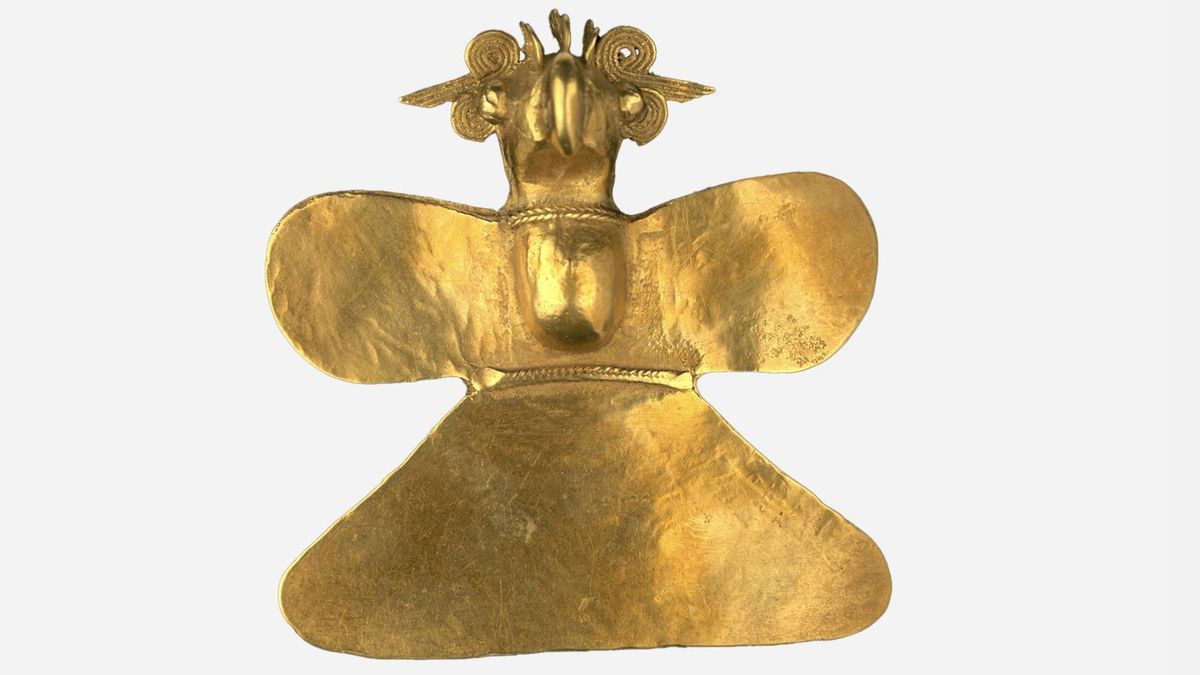
Casi 300 piezas prehispánicas, muchas de oro, han viajado de Bogotá hasta Alicante para ser exhibidas en una exposición La muestra "El oro y el universo" presenta los saberes indígenas de Colombia a través de piezas valiosísimas, algunas incluso nunca exhibidas en Europa hasta ahoraEpicentro de los veranos gaditanos, este histórico teatro cerrado más de 15 años está a punto de reabrir sus puertasEste museo polar abrió sus puertas en 1978 en una isla conocida como la puerta del Ártico y muestra la vida de cazadores y exploradores Alicante ha sido el destino final de un viaje milenario que une a Bogotá con el Mediterráneo mediante una muestra sin precedentes. El Museo Arqueológico de Alicante, conocido popularmente como el MARQ, ha abierto sus puertas a la exposición El oro y el universo. Se trata de una iniciativa que presenta los saberes indígenas de Colombia a través de un despliegue artístico que desafía las nociones tradicionales de riqueza. Cerca de 300 piezas han cruzado el Atlántico para relatar historias de equilibrio y espiritualidad. El evento marca un hito en la agenda cultural española al recibir un tesoro arqueológico de valor incalculable. La muestra invita a los visitantes a sumergirse en una cosmovisión que integra lo humano y lo divino. Se trata de un esfuerzo conjunto para mostrar la profundidad científica y espiritual de estas sociedades. El préstamo es el más ambicioso realizado en décadas por el Museo del Oro de Bogotá para una institución española. Un total de 291 objetos arqueológicos han sido seleccionados meticulosamente para esta gran cita internacional. Entre ellos destacan 157 piezas de oro que brillan no por su valor de mercado, sino por su maestría técnica. La colaboración involucra a entidades de gran prestigio como la Universidad de Cambridge y la propia Fundación MARQ. La Diputación de Alicante ha respaldado este proyecto que busca estrechar lazos culturales entre ambos continentes. Es una oportunidad única para observar artefactos que, en muchos casos, se exhiben en Europa por primera vez. La colección incluye también creaciones contemporáneas de comunidades indígenas que mantienen vivas sus tradiciones milenarias. Lejos de ser simples adornos, estos objetos son considerados presencias o entidades activas con capacidad de actuación. Las sociedades indígenas del pasado y del presente nos enseñan a entender el mundo de otra forma. Para estas culturas, el metal dorado no representaba poder económico, sino un elemento para el equilibrio universal. La exposición cuestiona la obsesión moderna con el oro y el malentendido mito de El Dorado. A través de máscaras y pectorales, se explora el papel fundamental de los chamanes como mediadores espirituales. Cada detalle técnico refleja una sabiduría acumulada durante milenios por estas comunidades del pasado La muestra subraya que el bienestar del universo depende totalmente de nuestra relación con el entorno natural. Cada pieza narra una historia de reciprocidad y respeto por las fuerzas invisibles que rigen la naturaleza. La experiencia dentro de las salas del MARQ es profundamente inmersiva y utiliza diversos recursos multisensoriales. El recorrido inicia en una recreación fiel de una maloca, la gran casa comunal sagrada de la Amazonía. El aire está impregnado con el aroma del mango, transportando simbólicamente al visitante a las tierras colombianas. Mientras se camina, resuena una composición musical interpretada con ocarinas y flautas de origen prehispánico, instrumentos de entre seiscientos y mil años que vuelven a cobrar vida sonora en las salas de Alicante. Esta atmósfera busca desbordar los sentidos con paisajes sonoros y visuales de un impacto emocional muy alto. Se trata de un diálogo constante entre el espectador contemporáneo y los espíritus que habitan la propia muestra. La arquitectura efímera refuerza la sensación de estar atravesando distintos planos de una realidad compleja. El discurso expositivo se divide concretamente en tres secciones que guían al público por los misterios del cosmos. En Todos somos universo, se explora la red de relaciones vitales entre humanos, plantas y animales. Los recipientes cerámicos evocan simultáneamente cuerpos y casas en una armonía de formas muy perfecta. La segunda parte, titulada Transformaciones, muestra cómo los pueblos adaptaron su paisaje sin llegar a dañarlo. Se exhiben allí los vastos sistemas hidráulicos que alguna vez cubrieron gran parte del Caribe colombiano. Finalmente, Cuidar el mundo aborda la importancia de las ofrendas rituales para mantener la paz universal. Esta estructura permite entender el pensamiento indígena de una manera orgánica, pedagógica y lógica. Cada bloque aporta una pieza nueva al rompecabezas de la sostenibilidad y la cooperación entre especies. Entre los objetos más fascinantes se encuentran los famosos seres híbridos, como los humanos-murciélago de oro. Estas figuras representan la capacidad de transformación espiritual y la visión desde otras perspectivas animales. También sobresalen los pectorales con formas de aves y felinos procedentes de la antigua región del Tolima. La orfebrería Muisca está presente con una de las mayores ofrendas ceremoniales conocidas hasta la fecha. Son más de treinta figurillas de oro que representan un acto de devoción y responsabilidad colectiva. Además, hay cerámicas y piezas de piedra que muestran la rica biodiversidad de los ecosistemas colombianos. La técnica de la cera perdida demuestra el alto nivel de ingeniería que poseían estos antiguos artesanos. Cada detalle técnico refleja una sabiduría acumulada durante milenios por estas comunidades del pasado. Oro como ofrenda El mito de El Dorado recibe una relectura necesaria que se aleja definitivamente de la codicia europea. En lugar de una ciudad de oro, se revela que era una persona en un acto ritual de entrega. El líder indígena se cubría de metal para realizar una ofrenda sagrada en nombre de su comunidad. El objetivo era mantener el equilibrio del mundo, que siempre es propenso a romperse o fragmentarse. Esta perspectiva resalta valores como la responsabilidad colectiva y el bienestar de todos los seres vivos. La exposición invita a reflexionar sobre si es posible vivir hoy de una manera mucho menos ambiciosa. El oro y el universo permanecerá abierta en el museo alicantino hasta el mes de mayo de 2027. Tras su estancia en la Costa Blanca, la muestra continuará su viaje por diversos puntos de Europa. Es toda una oportunidad para replantear nuestras certezas y aprender de los saberes de los pueblos indígenas. Como señalan sus organizadores, nadie sale igual después de experimentar este profundo viaje sensorial y espiritual. Colombia despliega su riqueza cultural para recordarnos que el bienestar del futuro está en nuestras manos.
eldiario.es · about 2 hours ago

Eva Herzigova y Giorgio Marsiaj se casan en Turín tras dos décadas juntos La pareja ha querido llevar a cabo una boda íntima de tan solo 50 invitados
la vanguardia · about 2 hours ago
European Commission recommends suspending funding for Venice Biennale The European Commission has officially recommended suspending grant funding for the Venice Biennale following the opening of the Russian Pavilion there.
ukrinform · about 2 hours ago

ICOMOS pede esclarecimentos à Câmara do Porto sobre obras O Conselho Internacional de Monumentos e Sítios quer "esclarecimentos urgentes" sobre várias empreitadas no centro histórico do Porto.
observador · about 2 hours ago
Rozsvítí až za čtvrt roku. Liberecká galerie vymění světla, návštěvníci se do ní podívají až v půlce října Krajskou Galerii Lázně Liberec mohou zájemci navštívit už jen v neděli. Poté se na čtvrt roku uzavře kvůli kompletní výměně osvětlení, a to jak ve vnitřních prostorách, tak i zvenčí. Stávající osvětlení je totiž nevyhovující, některá světla už dokonce nejdou rozsvítit. Bez jejich výměny by tak galerie nemohla fungovat.
irozhlas.cz · about 2 hours ago
Tien jaar na de aanslag in Nice blikt Wim terug: Overal lagen slachtoffers Op de laatste avond van de huwelijksreis van Wim Groenendijk (38) en zijn vrouw Gabriëlla in Nice veranderde hun leven voorgoed. Tien jaar later blikt Wim terug op de aanslag van 14 juli 2016, waarbij 86 mensen omkwamen. "We moesten vluchten langs alle slachtoffers."
nu.nl · about 2 hours ago
Gedächtnis in Gefahr: Die größte private Sammlung zur Geschichte Berlin-Brandenburgs bangt um ihre Existenz Die Bibliothek der „Landesgeschichtlichen Vereinigung für die Mark Brandenburg e.V. muss Ende 2027 aus der Zentral- und Landesbibliothek raus. Wohin mit 80.000 Büchern und Fontanes Erbe?
tagesspiegel · about 2 hours ago
:format(jpg)/f.elconfidencial.com%2Foriginal%2Fd1d%2F479%2Fabf%2Fd1d479abff4e3bc5b0893e2d1cd92375.jpg)
Roban la estatua de Curro (Expo 92), un mes después de sentarse en La Cartuja El alcalde, José Luis Sanz, calificó el suceso de intolerable, y la desaparición de la figura será objeto de denuncia e investigación
el confidencial · about 2 hours ago
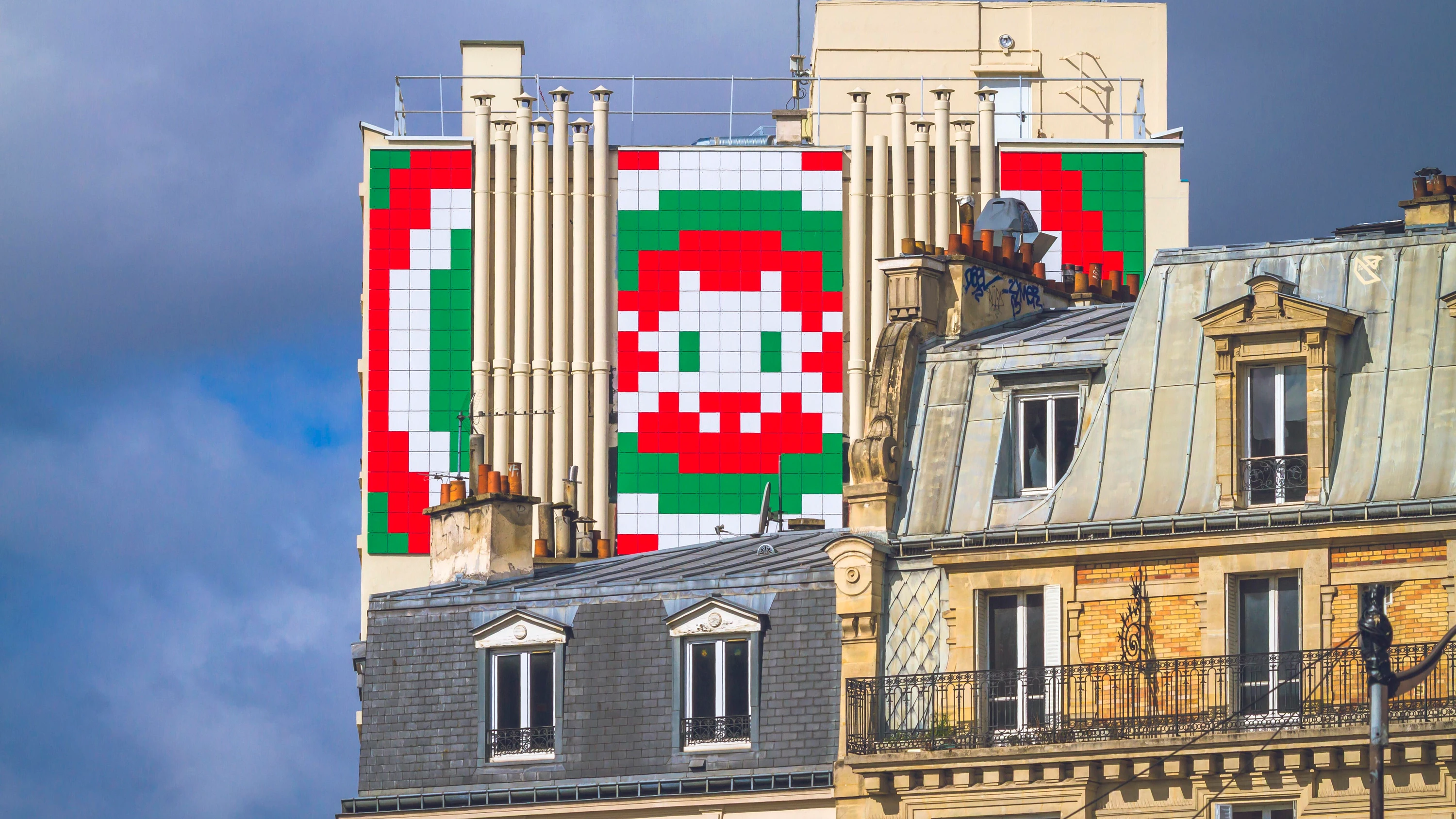
Street-Artist Invader: Mit Pixel-Bildern groß rausgekommen Invader ist neben Banksy der letzte große Street-Art-Künstler, der im Verborgenen wirkt. Seine Mosaike sind willkommene Interventionen im öffentlichen Raum geworden – und im Auktionssaal.
faz · about 2 hours ago
Almir Barakovic to Lay to Rest the Head and Two Bones of His Father Muriz, Found in Three Mass Graves Today, 31 years after a genocide committed in Srebrenica, the mortal remains of Muriz Baraković will find their final rest at the Potočari Memorial Center. His son Almir waited his whole life for a day when he will be able to recite Al-Fatiha at his grave, but Muriz will be laid to rest with only […] The post Almir Barakovic to Lay to Rest the Head and Two Bones of His Father Muriz, Found in Three Mass Graves appeared first on Sarajevo Times.
sarajevo times · about 2 hours ago
One person, one record: Croatia begins major civil registry overhaul ZAGREB, 12 July 2026 – Croatia has launched a new €4 million project aimed at modernising the countrys civil registry... The post One person, one record: Croatia begins major civil registry overhaul first appeared on Croatia Week.
croatia week · about 2 hours ago
Do Polné se vrátil kus hodinářské tradice. Na jedno odpoledne se tam rozezvučily historické stroje V Polné na Jihlavsku si v sobotu desítka místních vyzkoušela práci s ozubenými kolečky, hodinami a hodinkami. Ve městě dříve bývalo jediné hodinářské učiliště v Česku. Historické stroje ze sbírky polenského muzea oživil hodinář a historik umění Patrik Pařízek. Víkendového školení se zúčastnili jak úplní nováčci, tak absolventka bývalého hodinářského učiliště.
irozhlas.cz · about 2 hours ago
Aida Sehovic Fills Thousands of Cups with Coffee No One Will Drink: The Srebrenica Story that Traveled the World Some stories begin with silence. The momentum of silence lingers after you pass through one city and see people pushing through their everyday lives, while, somewhere in the background, the painful memories glimmer. Such silence created Što te nema (Why Are You Not Here), a nomadic monument by artist Aida Šehović, which tells the story of Srebrenica […] The post Aida Sehovic Fills Thousands of Cups with Coffee No One Will Drink: The Srebrenica Story that Traveled the World appeared first on Sarajevo Times.
sarajevo times · about 3 hours ago
European Commission confirms withdrawal of €2m grant to Venice Biennale over return of Russian pavilion The European Commission has formally confirmed the withdrawal of a €2 million grant awarded to the Venice Biennale, an international art exhibition, for the 2025-2028 period.
ukrpravda · about 3 hours ago

Au Palais des Papes à Avignon, Lee Ufan ouvre des portes vers linfini Superbe exposition de lartiste né en Corée du Sud Lee Ufan cet été au Palais des Papes à Avignon pour célébrer ses 90 ans. Envoyé spécial. ...
la libre · about 3 hours ago
Pragues Kotva to Reopen in 2028 with Three Italian Brands Pragues Kotva department store will reopen in 2028 after an extensive redevelopment, with Italian luxury fashion, dining and hospitality brands among its first confirmed tenants. Owner Generali Real Estate announced that fashion house Dolce & Gabbana, hospitality group Cipriani, and Italian food retailer Eataly will all open locations inside the renovated complex. The company also said luxury menswear brand Kiton, based in Naples, is expected to join the project at a later stage. The redevelopment aims to transform Kotva into a high-end retail and public destination while preserving one of Pragues best-known modernist buildings. According to Generali Real Estate, the renewed complex will combine international brands with spaces focused on design, gastronomy and contemporary urban life. Kotva has been closed for a major renovation that is expected to be completed in 2028. Once finished, the building is intended to serve not only as a shopping destination but also as a place for dining, leisure and public events. Kotva first opened in 1975 and was designed by architects Věra and Vladimír Machonin. Its distinctive hexagonal structure has made it one of the countrys most recognizable examples of Czechoslovak Brutalist architecture. The building received cultural monument status in 2019, recognizing its architectural... The post Pragues Kotva to Reopen in 2028 with Three Italian Brands appeared first on Prague Morning.
prague morning · about 3 hours ago
International Trombone Festival in Riga to bring together more than 500 participants from several countries - The Baltic Times RIGA - The International Trombone Festival that will take place in Riga from July 29 to August 1 will bring together more than 500 trombonists, ......
baltic times · about 3 hours ago
Isaac-Solomou memorial ride reaches Karavas in Kythera The motorcyclists disembarked from the ferry to Kythera with history close at hand, as the Isaac-Solomou Memory Initiatives journey reached Karavas on 10 July 2026 and its imposing Monument to the Unknown Soldier. The landscape evoked the occupied Karavas in Kyrenia. The lemon trees and olive groves seemed almost to have been transported there for […]
in-cyprus · about 3 hours ago
40 de ani de artă între comunism și democrație. Lia și Dan Perjovschi: „Am avut o foame de a cunoaște lumea care ne-a fost refuzată La aniversarea a 40 de ani de lucru împreună, Lia și Dan Perjovschi vorbesc despre începuturile lor la liceul de artă din Sibiu, comunism, admiterea la facultate și cenzură, primele ieșiri în afara țării, atelierul devenit loc de întâlnire pentru artiști și despre cum privesc arta și societatea acum
adevarul · about 3 hours ago

Dana Schutz ist die unerschütterliche Meisterin der großen Erzählung Sie verarbeitet Gewaltexzesse, moderne Mythen und dystopische Zustände zu expressiven Bildwelten. Ihre erste Ausstellung in München zeigt, warum Dana Schutz zu den bedeutenden Künstlerinnen der Gegenwart gehört.
welt.de · about 3 hours ago
În timp ce mii de oameni protestau la Tirana, premierul Albaniei îl primea cu mare pompă pe Kanye West Mii de oameni au protestat sâmbătă seara la Tirana, în cea de-a 42-a zi a unei ample mișcări de protest la adresa unui proiect turistic al familiei Trump, în timp ce rapperul Kanye West era primit cu mare fast de către prim-ministrul Edi Rama, scrie 7sur7.be.
digi24 · about 3 hours ago
Prague Has Plenty of Asian Restaurants. Han.sik Does Things Differently Pragues Asian dining scene has expanded quickly in recent years. Korean food in particular has moved from niche to mainstream, helped by the popularity of fermented dishes like kimchi and a growing appetite for meals that are more interactive than passive. Han.sik is located inside the Masaryčka building, designed by Zaha Hadid Architects, is one of the newer openings pushing that shift further. The restaurant sits on the first floor, away from the busiest walkways. It is not immediately obvious on a first visit, and many people hesitate before finding the entrance. Once inside, the atmosphere changes completely. The space, designed by NEUHÄUSL HUNAL, is built around wood, open surfaces and restraint. There is an open kitchen and a sushi counter, but nothing feels decorative for its own sake. The focus remains on the tables and the food. Han.sik is, above all, a Korean barbecue restaurant. Each table has a built-in grill with integrated ventilation, removing the need for overhead chimneys. The room feels open and uncluttered, with attention kept firmly on the dining experience. The meal begins with the meat selection: Black Angus beef, Iberico pork and A5 wagyu sit among the highlights. Guests cook everything themselves at the... The post Prague Has Plenty of Asian Restaurants. Han.sik Does Things Differently appeared first on Prague Morning.
prague morning · about 3 hours ago
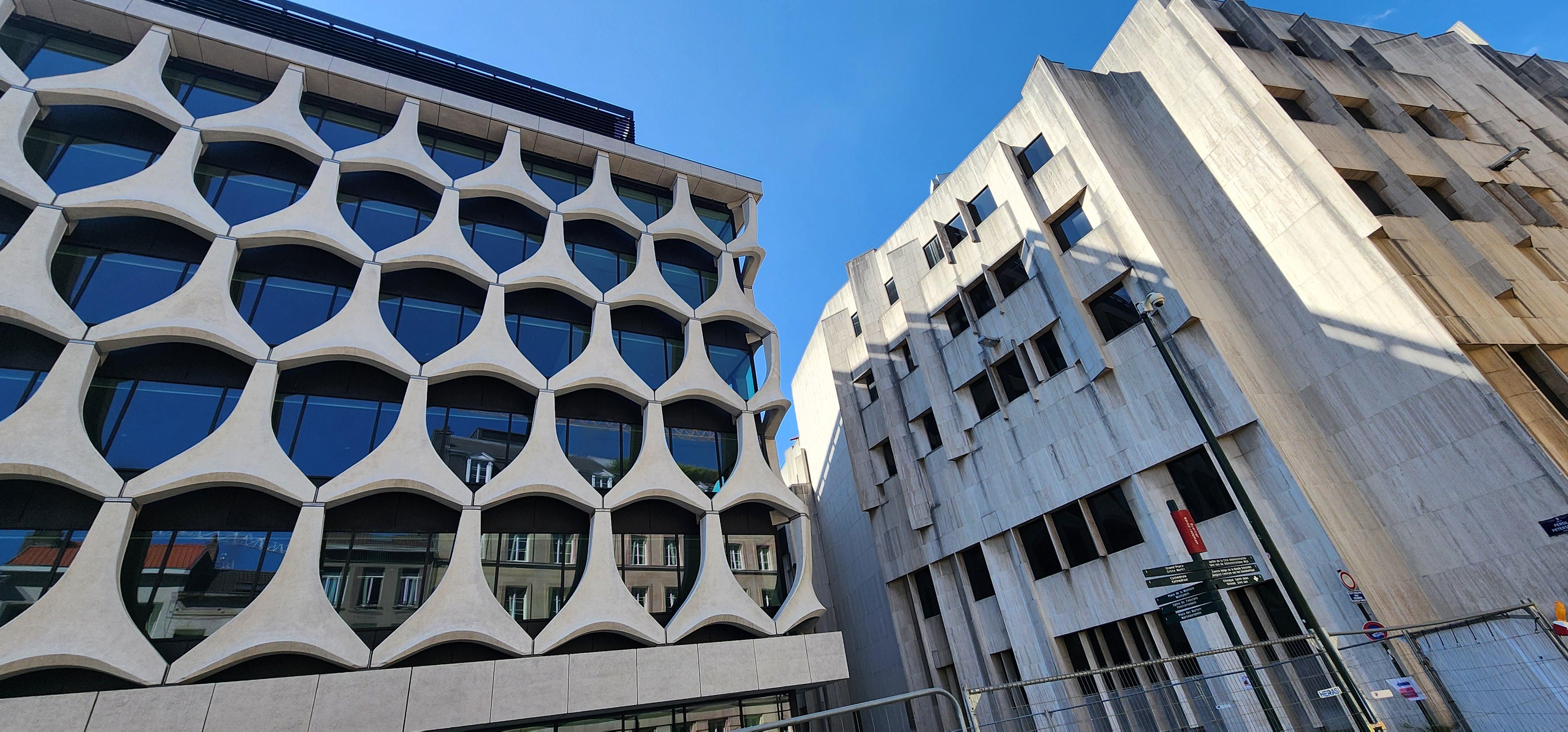
Interesting building project in Brussels.- the Hive Created in 1973 by architectes Marcel Lambrichs, Casimir Grochowski and Daniel de Laveleye.Currently being renovated : really like the rhythm of puffy marshmallow three spoked sharp shiruken. #brussels #architecture
mastodon bot · about 3 hours ago
Constablov Seneni voz je prvič na ogled v Suffolku, blizu kraja, ki je naslikan na platnu John Constable je Seneni voz naslikal v ateljeju, ne ob hiši, ki jo je ovekovečil na eni najbolj znanih slik angleške romantike. Pa vendar so skice za delo nastale prav tam, v Suffolku, kjer je ob 250-letnici slikarjevega rojstva slika prvič razstavljena.
rtv slovenia · about 3 hours ago
Türkiye-backed Srebrenica Genocide Museum marks first year The Türkiye-funded Srebrenica Genocide Museum has completed its first year of operation, preserving the memory of more than 8,000 Bosniak victims through personal artifacts and survivor testimonies as this years July 11 commemoration ceremonies approach.
yenisafak · about 3 hours ago
Türkiyes Erdogan commemorates Srebrenica genocide victims Türkiyes President Recep Tayyip Erdogan on Saturday commemorated the victims of the Srebrenica genocide on its 31st anniversary, sharing a message on social media in which he vowed that the massacre of more than 8,000 Bosniak Muslims would never be forgotten as new victims are laid to rest.
yenisafak · about 3 hours ago
Thousands retrace Death March route at Srebrenica anniversary Thousands of mourners from around the world completed the annual Peace March through eastern Bosnia and gathered at the Potocari Memorial Cemetery to bury 10 newly identified victims, retracing the perilous route survivors took to escape the 1995 genocide while demanding the atrocity never be forgotten.
yenisafak · about 3 hours ago

La statue dAlfred Dreyfus devant la Cour de cassation : Cela répare une dernière injustice Cent vingt ans après la réhabilitation du militaire juif et 91 ans après sa mort, une statue le représentant va être installée face à la Cour de Cassation, la juridiction qui lavait finalement innocenté. Daprès la presse internationale, il sagit dun symbole puissant, en cette première journée de commémoration nationale de la reconnaissance de linnocence dAlfred Dreyfus.
courrier international · about 3 hours ago
A new exhibition, Womens Structures with artists Inga Meldere and Elīna Vītola opens at TUR on Thursday July 9th at 18:00 - The Baltic Times The exhibition Womens Structures by Inga Meldere and Elīna Vītola reflects on forms of knowledge that have historically been cultivated thr......
baltic times · about 3 hours ago