Loading…
 Sunday, September 20Sunday, September 20
9 days · 6 summary articles
Polling stations opened at 8 a.m. in Berlin and Mecklenburg-Western Pomerania for state elections that could reshape Germany’s political landscape and test Chancellor Friedrich Merz’s leadership, as far-right and far-left parties threaten gains at the expense of his CDU.
In Berlin, 2.5 million voters are choosing a new state parliament, with polls showing a tight race between the far-left Die Linke at 22% and the CDU at 20%, followed by the AfD at 18%, the Greens at 15%, and the SPD at 12% . In Mecklenburg-Western Pomerania, the SPD and AfD are locked in a neck-and-neck battle for first place, while the CDU risks falling below the 5% threshold needed to retain seats .
Merz, whose approval ratings have slumped to 14%, skipped the UN General Assembly to focus on the fallout, convening a CDU leadership meeting Sunday evening in Berlin’s Konrad Adenauer House . The elections follow the AfD’s near-absolute majority in Saxony-Anhalt two weeks ago, where it won 43.8% .
Voting closes at 6 p.m., with results expected to influence debates over Merz’s future as CDU leader and chancellor . For the first time, 16- and 17-year-olds are eligible to vote in Berlin’s state election .
Follow us for live European news
6 further sources not geolocated

Wahl Berlin und Mecklenburg-Vorpommern: Wer kann da regieren? Am Sonntag wird in Berlin und Mecklenburg-Vorpommern gewählt. In beiden Ländern ist völlig offen, wie danach Mehrheiten gefunden werden. mehr...
taz.de · about 3 hours ago
Entscheidung an der Spree: Alle Daten zur Wahl in Berlin Tag der Entscheidung in der deutschen Hauptstadt: An diesem Sonntag sind rund 2,4 Millionen Wahlberechtigte dazu aufgerufen, die Mehrheitsverhältnisse im Berliner Abgeordnetenhaus neu zu bestimmen. Welche Parteien liegen in Berlin vorn? Alle Infografiken zur Wahl im Überblick.
n-tv · about 3 hours ago
Alegeri în Germania. Ascensiunea AfD și riscul strategiei lui Merz. Analist: „Nu mai bine aleg originalul?" După succesul important înregistrat în Saxonia-Anhalt, partidul german de extremă dreapta AfD este așteptat să își continue ascensiunea pe 20 septembrie, potrivit sondajelor. Alegătorii germani sunt chemați duminică la urne, în orașul Berlin și în regiunea Mecklenburg-Pomerania de Vest.
adevarul · about 3 hours ago
Landtagswahlen sorgen für Nervosität Zwei Wochen nach dem Erdrutschsieg der AfD bei der Landtagswahl in Sachsen-Anhalt wird am Sonntag in zwei weiteren deutschen Bundesländern gewählt: Berlin und Mecklenburg-Vorpommern. Auch wenn es regionale Besonderheiten gibt, ist angesichts des Aufwinds der AfD und der folgenden Personaldebatten die Nervosität bei CDU und SPD auch auf Bundesebene groß.
orf.at · about 3 hours ago
Newsblog zu den Landtagswahlen: Wahllokale in Berlin und Mecklenburg-Vorpommern geöffnet Bis 18 Uhr können die Menschen wählen gehen. Neu ist, dass Wähler und Wählerinnen bereits im Alter von 16 Jahren ihre Stimme abgeben können.
sueddeutsche · about 3 hours ago
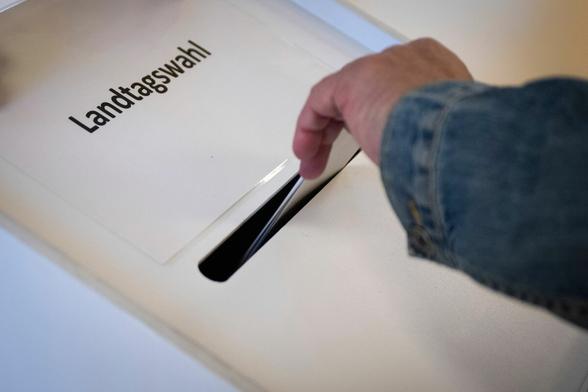
In Berlin und Mecklenburg-Vorpommern wird heute über die Politik der kommenden fünf Jahren abgestimmt. Für die Regierung könnten die Wahlen wegweisend sein.
mastodon_taz · about 3 hours ago
Berlin-Wahl 2026: Berlin wählt neues Abgeordnetenhaus Spannung ist garantiert: Wohl noch nie war das Rennen ums Rote Rathaus in Berlin so offen. Der Wahlkampf war daher heftig. Nun sind die Wählerinnen und Wähler am Zug.
tagesspiegel · about 3 hours ago
Landtagswahlen 2026: Wahllokale in Berlin und Mecklenburg-Vorpommern öffnen In Berlin und Mecklenburg-Vorpommern wird heute über die Politik der kommenden fünf Jahren abgestimmt. Für die Regierung könnten die Wahlen wegweisend sein. mehr...
taz.de · about 3 hours ago
Lostag für Merz: In Berlin und Mecklenburg-Vorpommern wird gewählt Seit 8 Uhr können die Menschen ihre Stimmen für das Berliner Abgeordnetenhaus beziehungsweise den Landtag in Mecklenburg-Vorpommern abgeben. Der Kanzler Merz hat das CDU-Präsidium am Abend zu sich bestellt.
die presse · about 3 hours ago
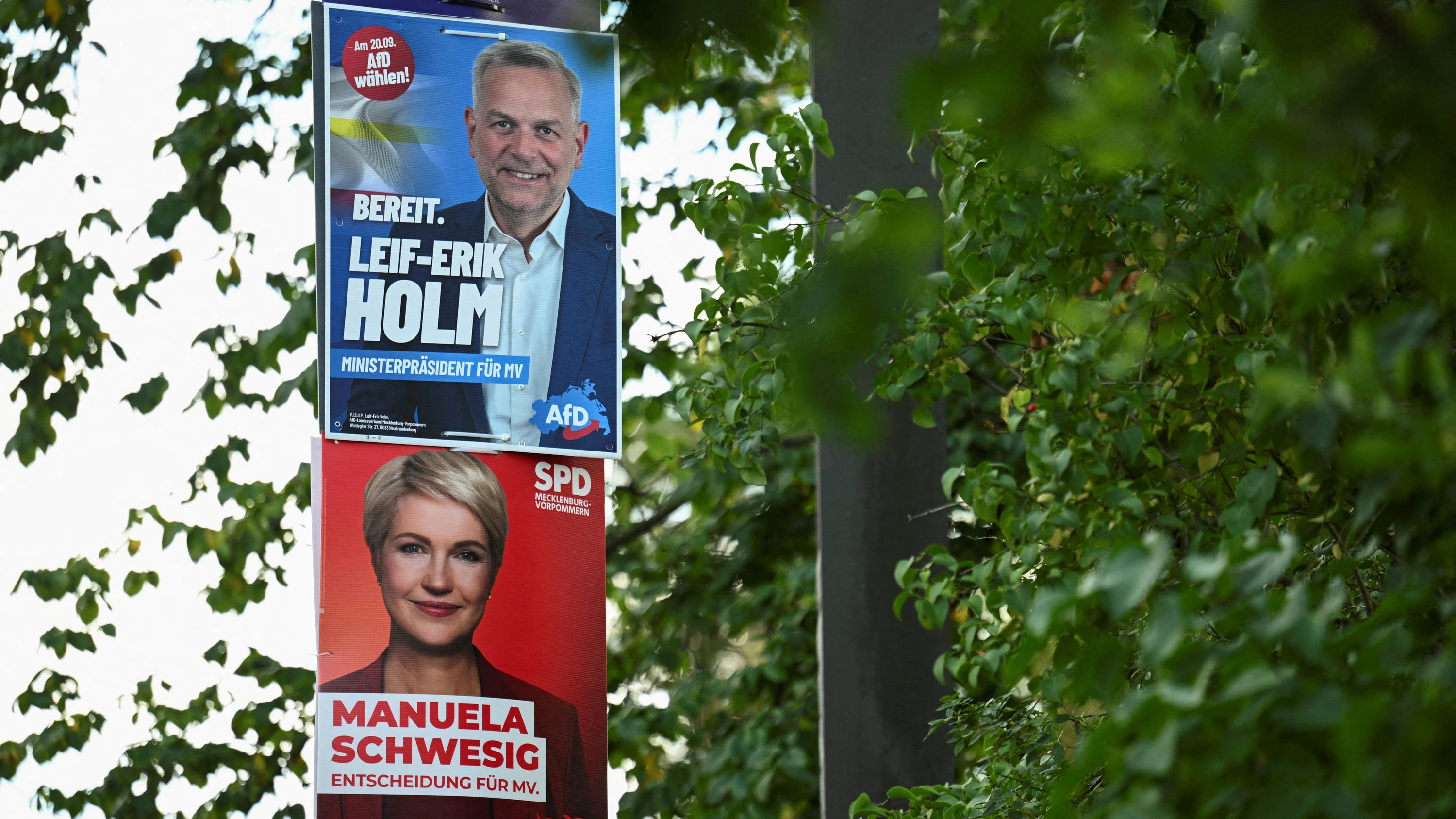
Landtagswahlen: Kann Schwesig wirklich die AfD überholen? Wackelt Merz nach der Wahl in Mecklenburg-Vorpommern? Krempelt die Linke Berlin um? Die fünf wichtigsten Fragen und Antworten zu den beiden Wahlen.
faz · about 3 hours ago

Wahllokale sind geöffnet – Putin-Berater setzt auf Wahlsieg der AfD Ein hochrangiger Berater von Kreml-Chef Putin feuert die AfD in Mecklenburg-Vorpommern an. Der Handelsverband sorgt sich um die Folgen einer möglichen AfD-Regierung. Mehr im Liveticker.
welt.de · about 3 hours ago
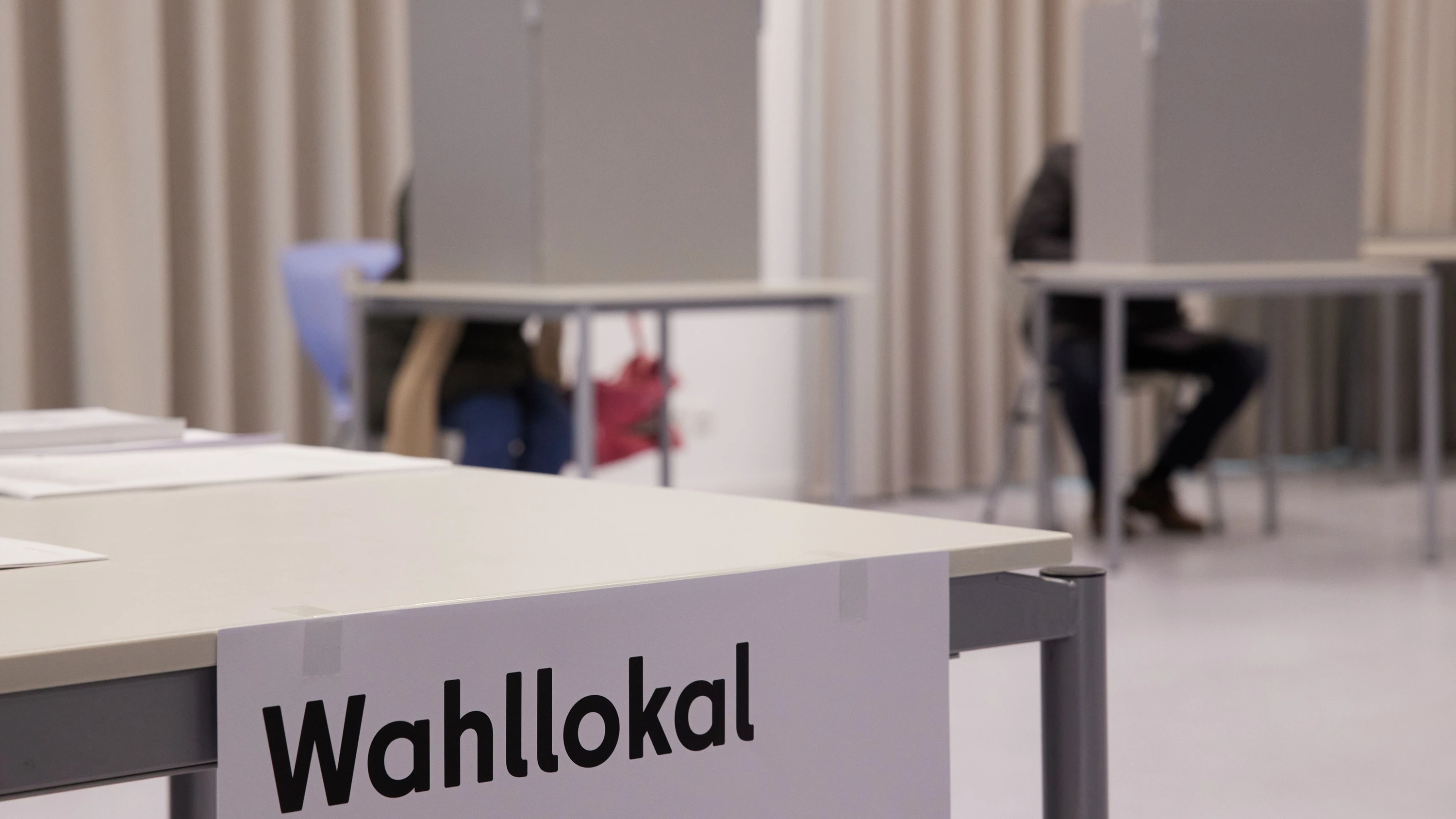
Deutschland-Liveblog: Wahllokale in Berlin und Mecklenburg-Vorpommern geöffnet Bürger können bis 18.00 Uhr über Landesparlamente abstimmen +++ Druck auf Pistorius: Neuen Generalinspekteur schnell benennen +++ alle Entwicklungen im Liveblog
faz · about 3 hours ago
Berlin-Wahl 2026: Wahl zum Berliner Abgeordnetenhaus hat begonnen Wer regiert künftig in Berlin? 2,5 Millionen Bürgerinnen und Bürger wählen ein neues Abgeordnetenhaus. Dabei gibt es eine Neuerung.
tagesspiegel · about 3 hours ago

Am Sonntagabend könnte sich das Schicksal von Friedrich Merz entscheiden Heute wählen Berlin und Mecklenburg-Vorpommen. Fallen die Ergebnisse für die CDU so schlecht aus wie vor zwei Wochen in Sachsen-Anhalt, dürfte es für den deutschen Kanzler Friedrich Merz eng werden
der standard · about 3 hours ago
Landtagswahl: Richtungswahl: Gespannter Blick auf Mecklenburg-Vorpommern
die zeit · about 3 hours ago
Mecklenburg-Vorpommern = Schwesig?: Der Nordosten könnte die nächsten Schockwellen senden Manuela Schwesig steht am Ende einer großen Aufholjagd vor einem echten Coup in Mecklenburg-Vorpommern. Doch geringe Verschiebungen im Vergleich zu den Umfragen reichen, schon wird die Landtagswahl zum nächsten Schockmoment für die Bundesrepublik.
n-tv · about 3 hours ago
Germanys Berlin, Mecklenburg-Western Pomerania states head to polls About 3.8 million voters in Berlin and Mecklenburg-Western Pomerania are heading to polls on Sunday.
aljazeera · about 3 hours ago

Berlin and Meckpomm head to the polls in high-stakes state elections
mastodon_Euractiv Politics · about 3 hours ago

German voters go to the polls Sunday in two state elections where far-right and far-left gains could send new shock waves to Berlin and rock the government of embattled Chancellor Friedrich Merz ➡️
bluesky_AFP English · about 3 hours ago
Germany, Mecklenburg-Vorpommern regional parliament election today: ➤ Eligible voters: 1,315,982 ➤ Polling stations open: 8:00 AM–6:00 PM CEST ➤ Incumbent govt: centre-left SPD and LINKE (Left) coalition, led by Manuela Schwesig (SPD, S&D)
telegram_Europe Elects · about 3 hours ago
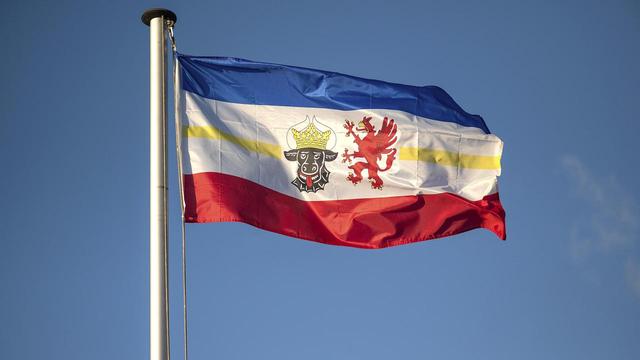
++ Liveticker zur Mecklenburg-Vorpommern-Wahl: Wahllokale sind geöffnet ++Etwa 1,3 Millionen Menschen dürfen im dünn besiedelten Mecklenburg-Vorpommern darüber abstimmen, welche Personen und Parteien in den 9. Schweriner Landtag einziehen. Die Wahllokale sind seit 8 Uhr geöffnet.➡️ #LandtagswahlMecklenburgVorpommern
mastodon_Tagesschau · about 3 hours ago
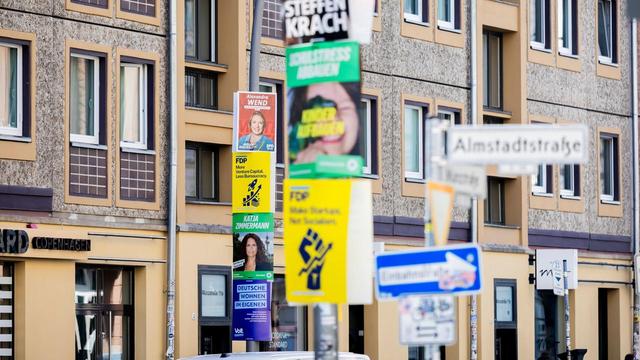
++ Liveticker zur Berlin-Wahl: Wahllokale sind geöffnet ++Berlin hat schon wieder die Wahl - nach der Wiederholungswahl 2023 sind 2,5 Millionen Menschen in der Hauptstadt erneut zur Stimmabgabe aufgerufen. Das ist noch bis 18 Uhr möglich.➡️ #Abgeordnetenhauswahl2026
mastodon_Tagesschau · about 3 hours ago

Kopf-an-Kopf-Rennen in Mecklenburg-Vorpommern und Berlin In Mecklenburg-Vorpommern ringt Manuela Schwesigs SPD knapp mit der AfD um Platz eins. In der Hauptstadt liegen die Linke und die CDU an der Spitze. Die Resultate der Wahlen könnten Konsequenzen für die Koalition auf Bundesebene haben.
welt.de · about 3 hours ago
Landtagswahlen: Wahlen in zwei Bundesländern – Wegweiser in der Merz-Krise? Wer wird stärkste Kraft in Berlin – wieder die CDU oder erstmals die Linke? Und kann die SPD die AfD in Mecklenburg-Vorpommern noch hinter sich lassen? Die Entscheidungen haben Folgen auch im Bund.
handelsblatt · about 3 hours ago
Landtagswahlen: Was an diesem Wahlsonntag auf dem Spiel steht Wackelt Merz nach der Wahl in Mecklenburg-Vorpommern? Krempelt die Linke Berlin um? Die fünf wichtigsten Fragen und Antworten zu den beiden Wahlen.
faz · about 3 hours ago
Saksamaal sihib AfD liidumaa valimistel uut võitu Saksamaal lähevad valijad pühapäeval Mecklenburg-Vorpommerni liidumaa ja Berliini liidumaa parlamendi valimistele oma häält andma.
postimees · about 4 hours ago
Berlin-Wahl 2026: Berlin wählt neues Abgeordnetenhaus
die zeit · about 4 hours ago