Loading…
 Saturday, September 26Saturday, September 26
3 months · 4 summary articles
The High Court of Cassation and Justice in Romania on Thursday upheld a definitive ban on Dominic Fritz’s eligibility to run for office until 2030, prompting the USR leader to announce an immediate appeal to the European Court of Human Rights. The Bucharest court confirmed on 18 June 2026 that Fritz, mayor of Timișoara and president of the USR party, remains in a conflict of interest and cannot contest elections, a decision the party called politically motivated.
The ruling follows a February 2026 decision by the Timișoara Court of Appeal that Fritz had breached integrity rules by failing to declare potential conflicts in contracts awarded by the city. The High Court’s final judgment, published on Thursday, leaves Fritz barred from any elected position until at least 2030, a timeline he now intends to challenge before the Strasbourg-based court. “We will take this case to the European Court of Human Rights,” a USR spokesperson said in a statement. “The decision is not final until Strasbourg rules.”
The controversy has intensified political tensions in Romania, where critics accuse the judiciary of overreach. Journalist Emilia Șercan wrote on Thursday that the High Court’s public announcement on Facebook amounted to “proof, if anyone still needed it, that the ICCJ has become a political actor.” The court defended its communication as routine, but the timing—coming just days after a separate ruling against the far-right magazine *Frontières* in France—has fueled accusations of judicial activism.
In a parallel development, the same court confirmed on Thursday that Ciprian Ciucu, a former finance minister, has been placed under judicial control by the National Anti-corruption Directorate (DNA) in a separate case. The move follows a ruling by the High Court of Cassation and Justice in Bucharest, which rejected Fritz’s appeal against the integrity agency’s findings.
Fritz’s legal team has vowed to exhaust all avenues, including the ECHR, arguing that the ban violates his political rights. The case has drawn international attention, with EU lawmakers increasingly scrutinising judicial decisions in Romania amid concerns over democratic backsliding. The USR has called the ruling a “dangerous precedent” that could deter future candidates from public office.
The High Court’s decision is final and cannot be appealed domestically. Fritz’s appeal to the ECHR will now proceed, with a decision expected within months. Until then, Romania’s third-largest city remains without a mayor who can stand for re-election, a political vacuum that risks deepening public distrust in institutions.
Follow us for live European news
1 further source not geolocated

Mesajul uneia dintre cele mai contondente voci din USR după ziua în care „s-au întâmplat multe nenorociri. „Justiția, controlată total de un clan Deputatul USR Emanuel Ungureanu le-a adus mai multe acuzații sistemului de justiție și președintelui Nicușor Dan, fără probe, după ce Dominic Fritz a pierdut procesul cu Agenția Națională de Integritate (ANI), iar Ciprian Ciucu a fost plasat sub control judiciar de Direcția Națională Anticorupție (DNA). Emanuel Ungureanu susține că liderul USR, Dominic Fritz, despre care …
hotnews.ro · 3 months ago
La destra oltre la destra. Meloni farà di tutto per tenere Vannacci dentro lalleanza | Il commento La destra oltre la destra non è solo il principio nel quale ha preso forma il movimento di Roberto Vannacci il cui vocabolario raccoglie in purezza le parole degli italiani che vivono il modello primitivo e brutale della parola ingiuriosa, o razzista o semplicemente cattiva. Nessun riguardo al bon ton. Vannacci usa le parole che […] Larticolo La destra oltre la destra. Meloni farà di tutto per tenere Vannacci dentro lalleanza | Il commento proviene da Il Fatto Quotidiano.
il fatto quotidiano · 3 months ago
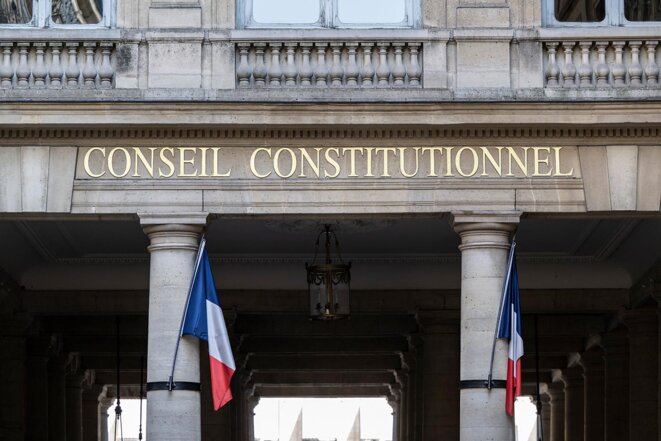
Fraudes fiscales et sociales: le Conseil constitutionnel valide une grande partie de la loi Des parlementaires de gauche avaient déposé trois saisines, dénonçant un projet de loi déséquilibré. Ils et elles voyaient dans ce texte un moyen de traquer la fraude aux prestations sociales et non la fraude fiscale, pourtant davantage pratiquée.
mediapart · 3 months ago

Le magazine dextrême droite «Frontières» condamné pour avoir jeté en pâture des avocats en droit des étrangers Le tribunal correctionnel de Bobigny a jugé que le directeur du média, Erik Tegnér, sétait rendu coupable de «doxing» en affichant une liste davocats dans un numéro sur limmigration. Condamné à six mois de prison avec sursis et 10 000 euros damende, il indique avoir fait appel.
mediapart · 3 months ago

Emoi dans la communauté enseignante après la relaxe dEric Zemmour et de responsables du RN, poursuivis pour diffamation par une professeure Sophie Djigo a été la cible en 2022 dune campagne de cyberharcèlement pour avoir mené un projet pédagogique autour des migrants, fustigé par lextrême droite. Le tribunal de Paris a relaxé les élus qui avaient médiatisé laffaire, au nom du droit au débat et à loutrance.
le monde · 3 months ago
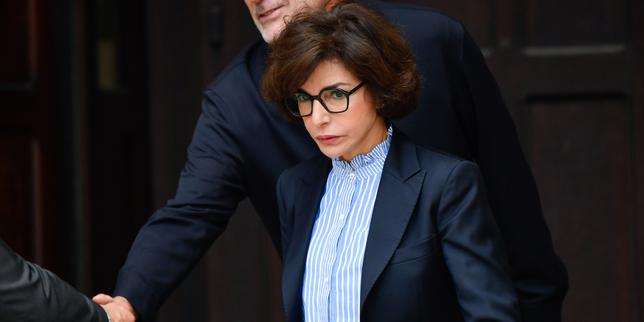
Rachida Dati, grande absente du Conseil de Paris La maire du 7ᵉ arrondissement et ex-candidate Les Républicains aux élections municipales de mars est en retrait des affaires parisiennes depuis le début du mandat.
le monde · 3 months ago
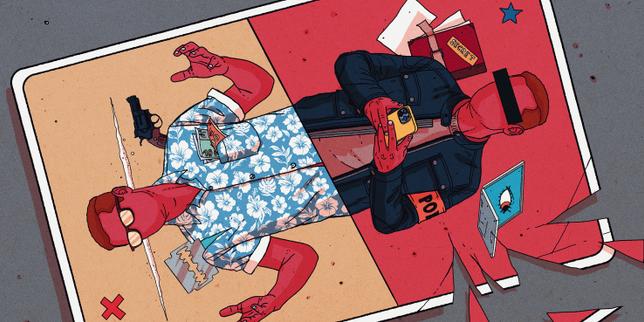
Comment deux policiers sont devenus les chevilles ouvrières dun réseau international de blanchiment Deux fonctionnaires de police ont été mis en examen pour « corruption » les 11 et 15 juin, soupçonnés davoir livré des informations sensibles sur des narcotrafiquants. Une affaire qui avait déjà conduit à la mise en examen du chanteur Gims.
le monde · 3 months ago
Instanța a suspendat decizia BPN al PNL de excludere a liberalilor care votează cu Veștea. Reacția PNL Tabăra ostilă lui Ilie Bolojan a atacat în instanță decizia luată de PNL luni seară care prevede excluderea din partid a parlamentarilor care votează Guvernul Veștea. Sesizarea a fost semnată inclusiv de Adrian Veștea, alături de Alina Gorghiu, Nicoleta Pauliuc, dar și alți liberali. Tribunalul Ilfov a suspendat deciziile BPN al PNL până la soluționarea definitivă a litigiului. PNL a anunțat că va ataca decizia instanței.
digi24 · 3 months ago
Ce se întâmplă cu mandatul primarului Dominic Fritz, după ce instanța a dat câștig de cauză definitiv Agenției de Integritate Dominic Fritz a pierdut definitiv procesul cu Agenția Națională de Integritate (ANI), această decizie constatând faptul că s-a aflat în conflict de interese administrativ, așa cum au acuzat inspectorii ANI într-un raport din anul 2024. Această decizie nu aduce, însă, după sine și pierderea mandatului de primar, după cum a explicat o sursă familiarizată cu Codul Administrativ și procedurile ANI.
digi24 · 3 months ago
Doi foști polițiști, condamnaţi la Londra la opt şi zece ani de închisoare pentru spionaj în favoarea Chinei Doi foști polițiști cu cetățenie britanică și chineză au fost condamnați joi de justiția britanică la opt, respectiv zece ani de închisoare, după ce au fost găsiți vinovați că au desfășurat activități de spionaj în favoarea autorităților din Hong Kong și China. Potrivit anchetatorilor, cei doi au colectat și transmis informații sensibile despre activiști pro-democrație refugiați în Regatul Unit și despre politicieni britanici critici la adresa Beijingului.
digi24 · 3 months ago
Dominic Fritz, în prima reacție, anunţă că va contesta la CEDO decizia ÎCCJ și că va rămâne în continuare primarul Timișoarei Președintele USR, Dominic Fritz, a anunțat joi că va contesta la Curtea Europeană a Drepturilor Omului (CEDO) decizia definitivă a Înaltei Curți de Casație și Justiție (ÎCCJ) care a stabilit joi că edilul este în conflict de interese, în dosarul în care a fost acuzat de Agenția Națională de Integritate (ANI). Anunțul a fost făcut după …
hotnews.ro · 3 months ago
Decizii ale PSD prin care parlamentarii care au au votat o moțiune de cenzură au fost excluși din partid. Grindeanu: „Cine nu se prezintă mâine sau votează invers nu mai face parte din echipa PSD Tribunalul Ilfov a suspendat joi două decizii interne ale PNL: excluderea din partid pentru parlamentarii care votează guvernul Veștea și neacordarea votului pentru același guvern. Deși PNL nu este singurul partid care acționează în acest mod, judecătorii au hotărât în regim de urgență în cazul liberalilor. În practică, astfel de decizii sunt comune în politica …
hotnews.ro · 3 months ago

Irán condena a 74 latigazos a la cantante Parastoo Ahmadi por cantar sin velo en Youtube La joven artista publicó el 11 de diciembre un vídeo de 27 minutos en Youtube de un concierto hipotético celebrado en un histórico caravasar, en el cual aparece con un vestido largo de color negro, con los hombros descubiertos y sin velo, cantando varias canciones, acompañada por cuatro músicosIrán utilizará cámaras para identificar a las mujeres que no usen velo Un tribunal iraní ha condenado a la cantante Parastoo Ahmadi a 74 latigazos y dos años sin cantar por emitir un concierto en línea en el que aparecía sin velo a finales de 2024, lo que desafió las leyes de la República Islámica. Parastoo Ahmadi, junto con otras ocho personas del equipo y músicos del concierto virtual, fue condenada a 74 latigazos de carácter correctivo, dos años de prohibición de salida del país y dos años de inhabilitación para ejercer actividades artísticas, se informó en la página de Instagram de la cantante. La sentencia fue emitida por el Tribunal Penal de Qom por atentar contra la moral pública mediante la producción y difusión de contenidos obscenos y contrarios a la ética en el entorno virtual. La joven artista publicó el 11 de diciembre un vídeo de 27 minutos en Youtube de un concierto hipotético celebrado en un histórico caravasar, en el cual aparece con un vestido largo de color negro, con los hombros descubiertos y sin velo, cantando varias canciones, acompañada por cuatro músicos. De esta forma, Ahmadi desafió el estricto código de vestimenta y la prohibición de canto para mujeres en público. La República Islámica de Irán no permite a las mujeres grabar discos y solo pueden dar conciertos para un público femenino, sin cámaras de vídeo o fotos. En menos de 24 horas, las autoridades judiciales iraníes anunciaron que habían presentado una denuncia contra la cantante y sus acompañantes por celebrar el concierto sin permiso y sin respetar las normas legales y religiosas. Ahmadi ya se enfrentó a una denuncia cuando publicó la canción De la sangre de la juventud de la patria durante las protestas desatadas por la muerte de Mahsa Amini tras ser detenida por no llevar bien puesto el velo islámico en 2022. El desafío de la joven cantante se produjo en un momento de tensiones en la República Islámica por el uso del velo, dos años después de las protestas masivas provocadas por la muerte de Amini. Desde entonces mucha iraníes dejaron de usar el velo como forma de desobediencia civil y desde comienzos de 2025 las autoridades no aplican las leyes que hacen del hiyab una prenda obligatoria. En los últimos tiempos es muy común ver a iraníes sin la cabeza cubierta en las calles de Teherán y otras ciudades del país.
eldiario.es · 3 months ago
Eni-Nigeria, la Cassazione assolve i pm De Pasquale e Spadaro. Annullata la condanna a 8 mesi: Il fatto non sussiste Con la formula perché il fatto non sussiste, la sesta sezione penale della Corte di Cassazione ha assolto i magistrati Fabio De Pasquale e Sergio Spadaro, annullando senza rinvio la sentenza che li vedeva condannati per rifiuto datti dufficio nel processo legato alla vicenda Eni-Nigeria. La decisione dei supremi giudici romani ribalta gli esiti dei […] Larticolo Eni-Nigeria, la Cassazione assolve i pm De Pasquale e Spadaro. Annullata la condanna a 8 mesi: Il fatto non sussiste proviene da Il Fatto Quotidiano.
il fatto quotidiano · 3 months ago
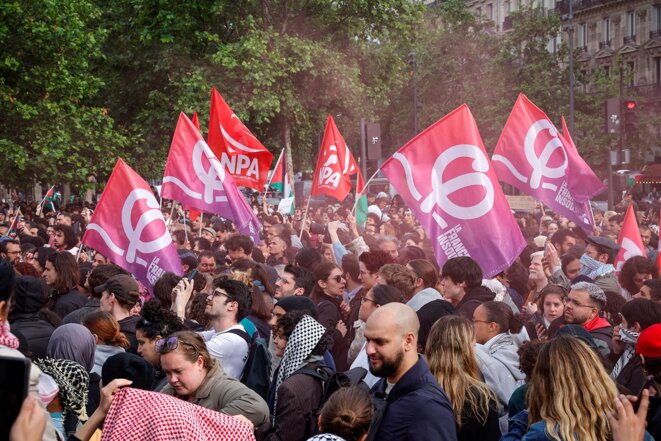
À Paris, le mauvais méli-mélo du préfet de police pour interdire un concert organisé par LFI La préfecture de police a interdit lorganisation dun événement festif et politique au motif notamment de la présence des rappeurs Médine et Soso Maness… pourtant non prévus au programme. Les insoumis salarment dun «scandale démocratique» et dénoncent linfluence du Crif sur la décision des autorités.
mediapart · 3 months ago

Périscolaire à Paris : une vingtaine délus de droite, dont Rachida Dati, mettent en cause la Ville Ces élus ont fait un signalement auprès de la procureure de Paris le 11 juin, jour où le groupe coprésidé par l« insoumise » Sophia Chikirou au Conseil de Paris a envoyé un courrier du même ordre.
le monde · 3 months ago
Fritz, în așteptarea sentinței în procesul cu ANI: „Ce zi de coincidențe Președintele USR. Dominic Fritz, a postat o fotografie cu el și colegii de partid, „în așteptarea sentinței Înaltei Curți în procesul său cu Agenția Națională de Integritate, așteptată joi. Este o „zi de coincidențe, remarcă el, în condițiile în care primarul general al Capitalei, Ciprian Ciucu, a fost pus tot joi sub acuzare pentru luare de mită.
digi24 · 3 months ago
Dominic Fritz a pierdut definitiv procesul cu ANI. Înalta Curte de Casație și Justiție i-a respins contestația Înalta Curte de Casaţie şi Justiţie (ICCJ) a decis definitiv, joi, că Agenția Națională de Integritate (ANI) are dreptate în disputa cu Dominic Fritz, confirmând raportul ANI prin care primarul Timișoarei a fost declarat în conflict de interese. Inspectorii ANI arătau că Fritz a aprobat un referat de modificare a unui PUZ, pe care l-a înaintat Consiliului Local, iar documentaţia tehnică pentru beneficiarul acestui PUZ a fost realizată de către firma consilierului local USR Răzvan Negrişanu, care îl împrumutase pe Fritz cu 25.000 de lei în campania electorală pentru Primăria Timişoarei.
digi24 · 3 months ago
Dominic Fritz anunță că va contesta la CEDO decizia Înaltei Curți care îi interzice candidatura până în 2030 Președintele USR, Dominic Fritz, anunță că va contesta la Curtea Europeană a Drepturilor Omului decizia care are ca efect interzicerea candidaturii sale la orice funcție aleasă până în anul 2030 inclusiv, potrivit unui comunicat al USR.
digi24 · 3 months ago
Sighiartău, replică acidă după ce Veștea a cerut amânarea Congresului PNL: „Crede că liberalii sunt nişte fripturişti Deputatul liberal Robert Sighiartău a afirmat joi, într-un mesaj pe rețelele sociale, că Adrian Veștea are impresia greșită că liberalii sunt „nişte fripturişti care pot fi impresionaţi de funcţii şi de accesul la putere. Reacția vine după ce premierul desemnat i-a cerut lui Ilie Bolojan să amâne Congresul PNL.
digi24 · 3 months ago
AEP vrea să pună ANAF-ul pe urmele partidelor care refuză să-și plătească amenzile Șeful AEP vrea protocol de colaborare cu ANAF privind executarea silită a sancţiunilor contravenţionale şi a măsurilor de confiscare dispuse de AEP partidelor politice şi competitorilor electorali.
adevarul · 3 months ago

Julio Iglesias derrota a la Fiscalía: la Audiencia Nacional ordena que le entregue la denuncia por agresión sexual y la declaración de las dos testigos protegidas La Sala de lo Contencioso-Administrativo considera que la negativa del Ministerio Público a ofrecer la información al cantante vulnera su derecho de defensa Leer
elmundo · 3 months ago

Lib Dem MP Cameron Thomas suspended amid police investigation MP for Tewkesbury understood to have been arrested by Gloucestershire police on Wednesday nightA Liberal Democrat MP has had the whip and membership of the party suspended after he became the subject of a police investigation.Cameron Thomas, the MP for Tewkesbury, was arrested by Gloucestershire police on Wednesday night, it is understood. Continue reading...
theguardian · 3 months ago
Primarul Timișoarei Domnic Fritz pierde procesul cu ANI. Decizia definitivă a ICCJ. Ce urmează Înalta Curte de Casație și Justiție a stabilit joi că primarul Timișoarei, președinte al USR, este în conflict de interes, în dosarul în care a fost acuzat de Agenția Națională de Integritate. Decizia instanței supreme menține hotărârea inițială a Curții de Apel Timișoara din 10 februarie și este definitivă. Decizia instanței supreme Înalta Curte afirmă, …
hotnews.ro · 3 months ago
„Dovada, dacă mai avea nevoie cineva, că ÎCCJ a devenit un actor politic. Ce reclamă Emilia Șercan după decizia în cazul lui Dominic Fritz Jurnalista Emilia Șercan a criticat joi activitatea de comunicare a Înaltei Curți de Casație și Justiție (ÎCCJ), după ce instituția a anunțat pe Facebook decizia prin care a fost confirmată hotărârea Curții de Apel Timișoara privind existența unei stări de conflict de interese în cazul primarului Timișoarei, președintele USR Dominic Fritz. „Dovada, dacă mai avea …
hotnews.ro · 3 months ago