
Hungarys Magyar proposes lowering voting age to 16 in constitutional overhaul

Budapest, Hungary — Hungarian Prime Minister Péter Magyar has proposed lowering the voting age from 18 to 16, arguing that young people are sufficiently informed to participate in decision-making processes. In a social media post on Saturday, Magyar expressed his support for the change as part of the ongoing constitutional reform process.
Magyar's proposal comes amid a series of sweeping constitutional changes aimed at reversing the institutional legacy of his predecessor, Viktor Orbán. The changes include the early termination of President Tamás Sulyok's mandate and reforms to the Constitutional Court, which have sparked debate over the use of constitutional powers to undo previous administrative measures.
The government's reforms, adopted by parliament on July 13, are central to Magyar's pledge to restore the rule of law and dismantle the institutional framework established during Orbán's 16-year tenure. Critics, however, warn that these measures could set troubling precedents.
In addition to the constitutional changes, Magyar's administration has ordered the closure of the Mathias Corvinus Collegium and a network of think tanks associated with Orbán, further signaling a break from the previous government's policies.
Magyar's proposal to lower the voting age has been met with mixed reactions. Supporters argue that it would increase political engagement among young people, while critics question the timing and motivation behind the move.
The constitutional reforms have also drawn attention to the broader debate over how far a democratic government can go in dismantling its predecessor's political legacy. Analysts at Poland's Centre for Eastern Studies (OSW) have noted the paradox of using tools similar to those criticized under Orbán's rule to introduce rapid, ad hoc constitutional changes.
Magyar's government argues that such measures are necessary to restore the rule of law and create conditions for meaningful political change. The reforms include restoring elements of the Constitutional Court's pre-2012 structure, reducing judicial terms from 12 years to nine without reappointment, and reinstating the retirement age of 70.
The proposal to lower the voting age is part of a broader effort to engage young people in the political process. Magyar has expressed confidence that the constitutional changes will help restore the parliament's role as the center of political decision-making.
In a recent social media post, Magyar wrote, "I believe that today, the overwhelming majority of those under 18 are sufficiently prepared and informed to have a say in our common decisions. For my part, I would support reducing the voting age to 16 in the constitutional process."
The government's actions have been met with both support and criticism. While some see the reforms as necessary to restore democratic institutions, others warn that the use of constitutional powers could undermine democratic principles.
The debate over the voting age and constitutional reforms is expected to continue as Magyar's government moves forward with its agenda.
Follow us for live European news
- 2
- 2
- 2
- 2
- 2
- 2
- 1
- 1
- 1
- 1
- 1
- 1
1 further source not geolocated
Articles

„Dann rechne ich mit einer Hängepartie à la Thüringen, sagt Lembcke Politikwissenschaftler Oliver Lembcke analysiert den Machtkampf in der AfD in Nordrhein-Westfalen und die Auswirkungen auf den Wahlkampf in Sachsen-Anhalt und das eventuelle Verfehlen der absoluten Mehrheit für die Partei.
welt.de · about 3 hours ago
![Morawiecki założy własną partię? Wyborcy PiS wysłali byłemu premierowi jasny sygnał [SONDAŻ] Blisko połowa wyborców PiS jest przeciwna temu, by Mateusz Morawiecki porzucał ugrupowanie i zakładał nową partię - wynika z sondażu Instytutu Badań Pollster dla "Super Expressu". O odejściu Morawieckiego spekuluje się od miesięcy.](https://bi.im-g.pl/im/96/65/1f/z32919702IHG,Mateusz-Morawiecki--Zdjecie-archiwalne.jpg)
Morawiecki założy własną partię? Wyborcy PiS wysłali byłemu premierowi jasny sygnał [SONDAŻ] Blisko połowa wyborców PiS jest przeciwna temu, by Mateusz Morawiecki porzucał ugrupowanie i zakładał nową partię - wynika z sondażu Instytutu Badań Pollster dla "Super Expressu". O odejściu Morawieckiego spekuluje się od miesięcy.
gazeta.pl · about 3 hours ago

Magyar desmantela regime de Orbán, mas corre riscos A supermaioria conquistada em abril permitiu a Magyar avançar rapidamente com as suas medidas
observador · about 3 hours ago

Jugendnetzwerk Lambda: Die Kürzungspolitik trifft Queers Die Bundesregierung streicht dem queeren Jugendnetzwerk Lambda das Geld. Das ist ein Angriff auf gemeinnützige Vereine – und LGBTQI+ in Deutschland. mehr...
taz.de · about 3 hours ago
Un lider PSD enumeră trei variante pentru soluționarea actualei crize politice Victor Negrescu, prim-vicepreședinte PSD, spune că există trei variante pentru depășirea crizei politice. „Există și posibilitatea alegerilor anticipate, deși acestea nu sunt de dorit, declară el, la Digi24. Negrescu, vicepreședinte al Parlamentului European, a fost întrebat, într-o emisiune la Digi24, ce ar trebui să urmeze din moment ce partidele și președintele Nicușor Dan nu reușesc …
hotnews.ro · about 3 hours ago
16 évre vinné le a választási korhatárt Magyar Péter Ausztriában már most is így szavaznak. A Tiszának nem jönne rosszul a fiatal választók bővítése.
444.hu · about 3 hours ago

Karácsony Gergely is támogatja, hogy 16 évre csökkentsék a választási korhatárt Budapest főpolgármestere attól sem zárkózik el, hogy elsőként az önkormányzati választásokon vehessenek részt a 18 évnél fiatalabbak.
hvg.hu · about 3 hours ago
Magyars constitutional overhaul tests Hungarys path from Orbán era OSW analysts say PM Péter Magyars sweeping constitutional changes aimed at restoring the rule of law relied "on tools similar to those for which Fidesz was criticised for years".
intellinews · about 3 hours ago
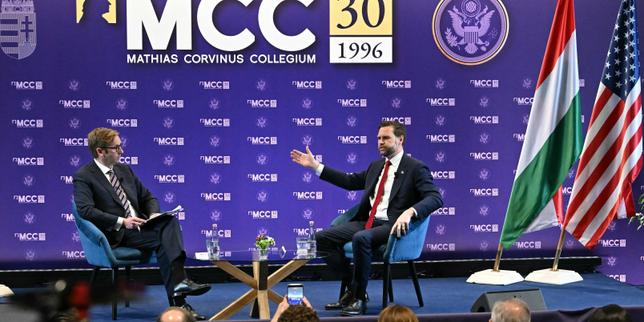
En Hongrie, les cercles de réflexion financés par Viktor Orban en voie de démantèlement Le gouvernement pro-européen du nouveau premier ministre hongrois, Péter Magyar, a ordonné la fermeture du Mathias Corvinus Collegium et du réseau de think tanks qui a permis à lex-chef du gouvernement nationaliste Viktor Orban de diffuser ses idées en Hongrie et à létranger.
le monde · about 3 hours ago
„A fost un șoc. Ciucu dezvăluie cum a aflat despre desemnarea lui Veștea pentru funcția de premier. Cine știa deja Primarul Capitalei, Ciprian Ciucu, a dezvăluit la emisiunea „În fața ta de la Digi24 cum a aflat despre nominalizarea lui Adrian Veștea pentru funcția de premier. Prim-vicepreședintele PNL a afirmat că primarul Chișinăului, Ion Ceban, știa despre decizie cu câteva ore înainte ca aceasta să fie anunțată oficial, în timp ce conducerea PNL nu fuseseră informată în prealabil.
digi24 · about 3 hours ago
Maďarský prezident váha s podpisom ústavnej novely. Mení pravidlá pre sudcov aj hlavu štátu Maďarský prezident Tamás Sulyok má už len hodiny na verdikt o novele ústavy. Tá mení pravidlá pre sudcov, poslancov aj hlavu štátu.
aktuality.sk · about 3 hours ago
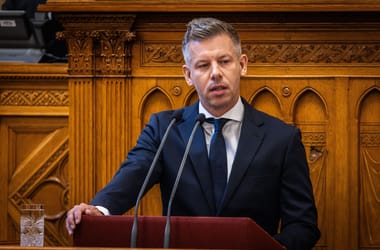
Magyar Péter egy Angela Merkel-i fordulattal idővel még nagyobb válságba dönthetné a Fideszt A miniszterelnök egyelőre azzal arat nagy sikert, hogy bokszzsáknak használja az előző kormányt, de ha ez már nem működik, és Magyar a békésebb hangnemet választja, az lehet az igazi halálos ölelés a Fidesznek. Eközben a szerb jogállam Oroszország felé araszol, Putyin meg a szakadék felé. Az iráni háború legnagyobb nyertese Kína - ahol épp durva tisztogatás folyik a kormányban.
hvg.hu · about 3 hours ago
Hungarys new government dismantles Orban-era think tanks The pro-European government of new Hungarian Prime Minister Péter Magyar has ordered the closure of the Mathias Corvinus Collegium and the network of institutions that enabled his nationalist predecessor Viktor Orban to spread his ideas in the country and abroad.
le monde · about 3 hours ago

Matilde (15) fikk en av 1000 utlyste stillinger – konkurrerte med 15.000 Gründer mener det er bra at unge får arbeidserfaring tidlig.
nrk · about 3 hours ago
Schellhorn zum Fall Dengler:„Wäre er fleißiger gewesen, wäre der Protest größer [premium] Mit seinem medialen Rundumschlag hat Ex-Neos-Mandatar Veit Dengler abseits der Parteispitze auch die pinken Länderchefs- und chefinnen verärgert. „Der Typ hat keine Ahnung, sagt Neos-Chef Eypeltauer in Oberösterreich. Selbst seine eigene Landespartei übt Kritik.
die presse · about 3 hours ago

Wer sind die Neos? Nach Denglers Rauswurf stellt sich die Partei diese Frage wieder Die Neos sind Österreichs jüngste Parlamentspartei. Der Rausschmiss von Mitgründer Veit Dengler wirft in der Partei wieder einmal die Frage auf: Wer wollen wir eigentlich sein?
der standard · about 3 hours ago
Rob Goossens ziet dat ouderdom Johan Derksen parten speelt bij VI: Probeert zich door onderwerpen heen te bluffen Johan Derksen (77) is nog altijd de onbetwiste ster van Vandaag Inside, maar volgens Rob Goossens (35) begint zijn leeftijd hem steeds vaker parten te spelen. In zijn wekelijkse column, waarin hij schrijft over alles wat hem opvalt in medialand, legt hij uit waarom Wilfred Genee (59) daar volgens hem veel kritischer op zou moeten zijn.
rtl nieuws · about 3 hours ago
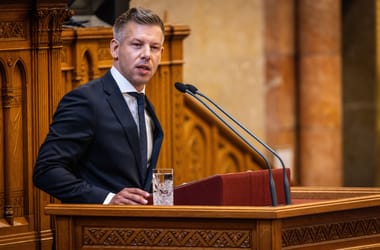
Magyar Péter támogatná, hogy 16 évre csökkenjen a választási korhatár A miniszterelnök örül annak, hogy újra szexi lett politikával és közélettel foglalkozni, és hogy végre a fiatalok is úgy érzik, van beleszólásuk a közös dolgainkba.
hvg.hu · about 3 hours ago

Die Brutalität des Peter Magyar Ungarns neuer Premier gelobte, sein Land wieder in eine liberale Demokratie zu verwandeln. Allerdings tut er dies auf eine Weise, die man eher seinem Vorgänger Viktor Orbán zugetraut hätte.
welt.de · about 3 hours ago

Great meeting with the new Hungarian State Secretary for Science Policy and Innovation, Péter Horváth, this week. He has so many good ideas for improving the conditions for top-level research in Hungary! We will do what we can to help - all fingers crossed for success!
bluesky_European Research Council · about 3 hours ago
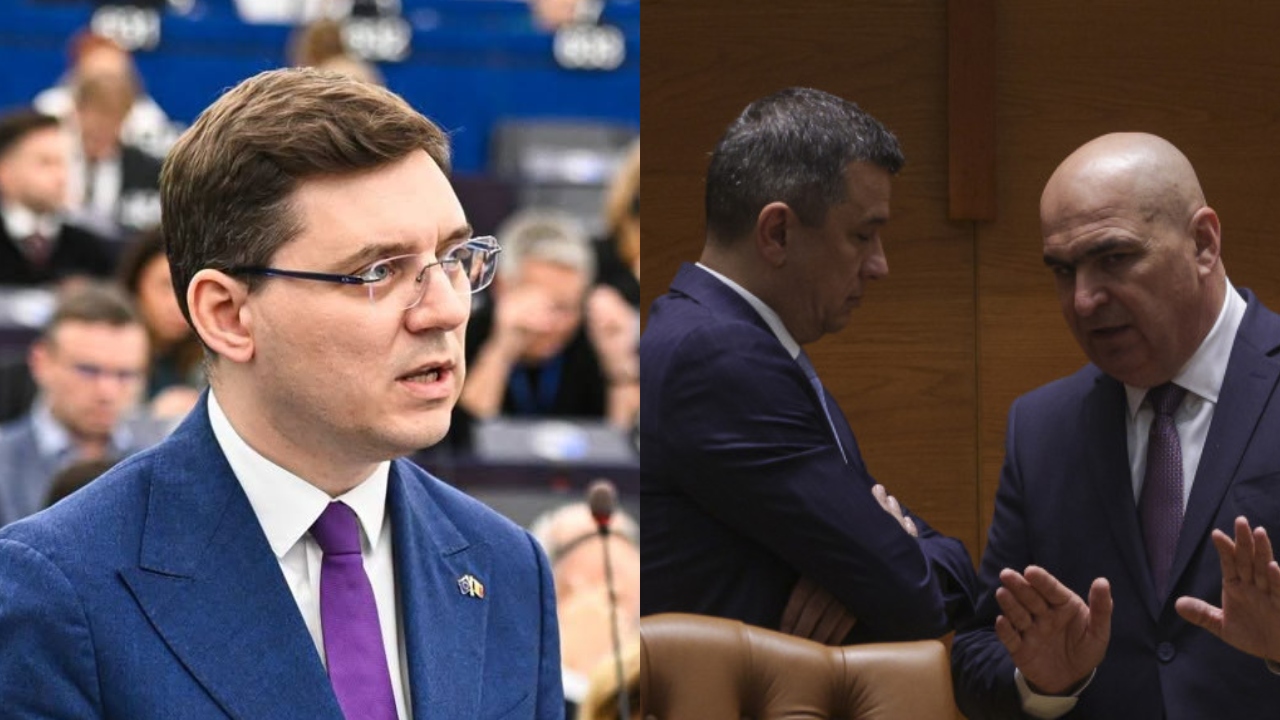
Victor Negrescu ( PSD ) prezintă soluțiile deblocării crizei politice : „ Este nevoie de un pact național care să depășească partidele politice
gdelt bot · about 3 hours ago
«Oldigarchie» et «gérontonomie» : ce que largent et les idées des boomers font à lAmérique Avec un président octogénaire et un Sénat largement dominé par la génération née entre 1946 et 1964, les Etats-Unis senfoncent dans une forme de gérontocratie. Une mainmise politique dautant plus critiquée quelle se double dun accaparement sans précédent des richesses.
liberation · about 4 hours ago
Some ja nuoret | Somen kieltäjät hyökkäävät nuoruutta vastaan Aikuiset haluavat viedä teineiltä mahdollisuuden vertaistukeen ja vaikuttamiseen asettamalla sosiaaliseen mediaan tiukkoja ikärajoja.
helsingin sanomat · about 4 hours ago