Moldova inaugurated a 400-kilovolt power line on Sunday that connects the country directly to Romania and the European grid, ending its dependence on Russian electricity.
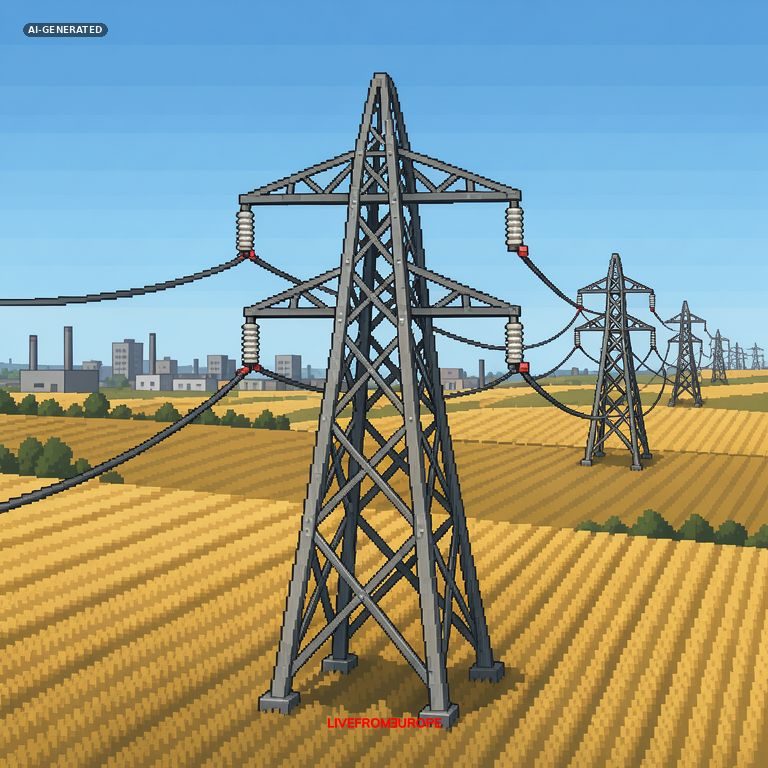
The Vulcănești–Chișinău line spans approximately 157 kilometers and crosses 35 localities. It links the Vulcănești substation to the Chișinău substation. Dubbed the "energy independence line," the infrastructure allows Moldova to import electricity from Romania and the European market. It bypasses the Cuciurgan thermal power plant in Transnistria. The line was put under voltage on Sunday, November 8.
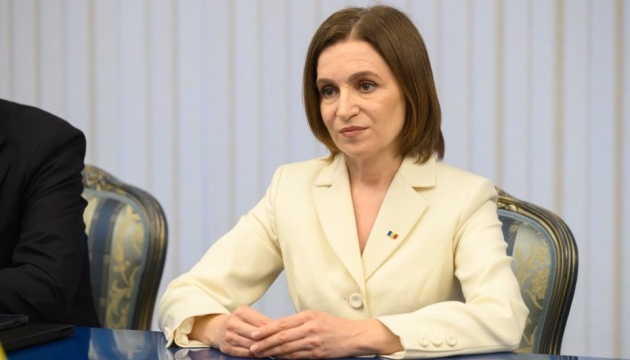
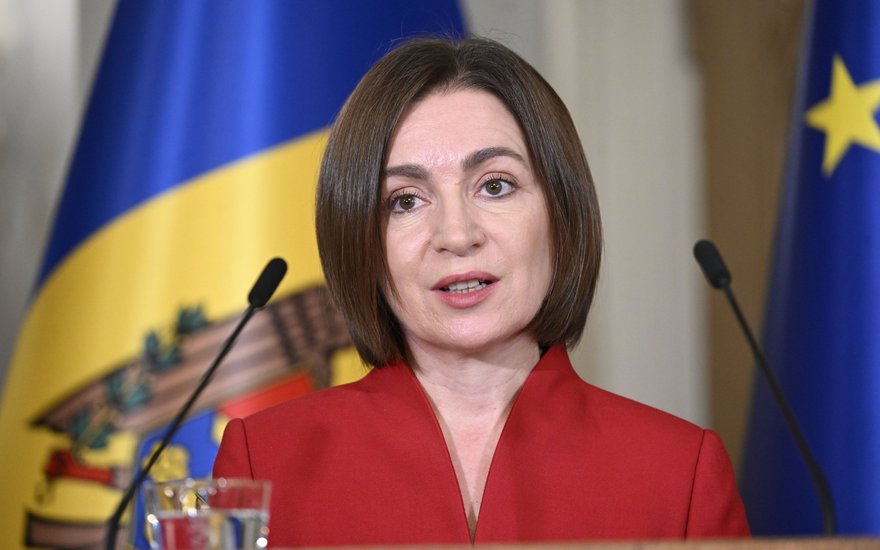
President Maia Sandu said the line ends decades of energy blackmail from Moscow. "Every time Moldova dares to choose something other than what Moscow wants, they threaten to cut our electricity," she said. She noted that Moldova was last disconnected from energy in autumn 2021. "No more: Moldova buys zero Russian gas," she added.
European Commissioner for Enlargement Marta Kos attended the ceremony in Chișinău. "Today we can truly say that Moldova's dependence on Russian energy has ended," she said. She added that no country has the right to use energy sources to dictate to Moldova. Moldova can now buy energy where it is cheapest.
The project was financed by the World Bank with a 61 million euro loan approved in September 2019. Construction was completed in November 2025 after delays caused by Russia's war against Ukraine. The line was initially planned for completion in August 2024. The Vulcănești station was ready in June 2026, while the Chișinău station began testing several weeks ago.
Energy Minister Dorin Junghietu said the infrastructure contributes to the country's overall security. "Energy security is also part of the security of the Republic of Moldova," he said. Two more power lines to Romania are planned: Bălți–Suceava and Strășeni–Gutinaș. The Bălți–Suceava line costs approximately 77 million euros. It is financed by the European Bank for Reconstruction and Development, the European Investment Bank and a 15 million euro EU grant.
Sandu acknowledged that energy prices remain a burden for citizens due to global market conflicts. The government plans to allocate resources to reduce tariffs for vulnerable families this winter. "Nobody can blackmail us anymore, turn off the lights and close the heat," she said.