
Bank of England eases capital rules for investment banks: move to boost European competitiveness

Story Timeline
3 months · 3 summary articles
Bank of England eases capital rules for investment banks: move to boost European competitiveness
Global oil prices plunge as US-Iran deal eases tensions and fuels market rebound
Fed braces for hawkish shift as Warsh's first meeting looms
Continuation
The Bank of England announced plans to dilute capital rules for investment banks' trading activities, a move that could reshape the financial landscape. This comes as the central bank also tests the resilience of private markets to severe global shocks.
The Bank of England's decision to ease capital requirements for investment banks is aimed at boosting the performance of lenders in the bloc compared with US rivals. This move is part of a broader strategy to enhance the competitiveness of European financial institutions .
In addition to the regulatory changes, the Bank of England is also assessing the resilience of private markets to a severe global shock. This test is designed to ensure that the financial system can withstand potential crises and maintain stability .
The announcement comes at a time when global markets are experiencing mixed signals. The Federal Reserve kept interest rates unchanged but raised its year-end forecast to 3.8%, causing uncertainty among investors. Meanwhile, optimism from the US-Iran peace agreement has led to a drop in oil prices, with Brent crude falling to $77.70 .
In Europe, the financial sector is seeing significant activity. UniCredit has increased its stake in Commerzbank to over 39%, despite an allegedly unattractive offer. This move has sparked discussions about the future of the two banks and the potential implications for the European banking sector .
Experts suggest that the Bank of England's regulatory changes could lead to increased competition and innovation in the financial sector. However, there are also concerns about the potential risks associated with diluting capital rules. Some market participants worry that easing regulations could lead to increased volatility and systemic risks.
Looking ahead, the Bank of England's actions are expected to have far-reaching implications for the financial industry. As investment banks adjust to the new regulatory environment, the broader market will be watching closely to see how these changes affect stability and growth.
In conclusion, the Bank of England's decision to dilute capital rules for investment banks and test the resilience of private markets marks a significant shift in the financial landscape. As global markets navigate mixed signals and evolving regulations, the implications of these changes will be closely monitored by investors and policymakers alike.
Follow us for live European news
- 3
- 2
- 1
- 1
- 1
- 1
- 1
- 1
- 1
3 further sources not geolocated
Articles

Aux États-Unis, les Marches des fiertés menacées par le retrait de certains sponsors Privées du soutien financier de leurs sponsors habituels, les Marches des fiertés LGBTQI craignent pour leur survie aux États-Unis. Selon leurs organisateurs, labandon progressif des entreprises privées sest accéléré en 2024, date du début du second mandat du président Donald Trump.
courrier international · 3 months ago

Elon Musk: Wie gefährlich ist der erste Billionär der Welt? Kein anderer Tech-Gigant hat so viel Kapital, Macht und Einfluss wie Musk. Geht das für die Welt nach hinten los?
der standard · 3 months ago
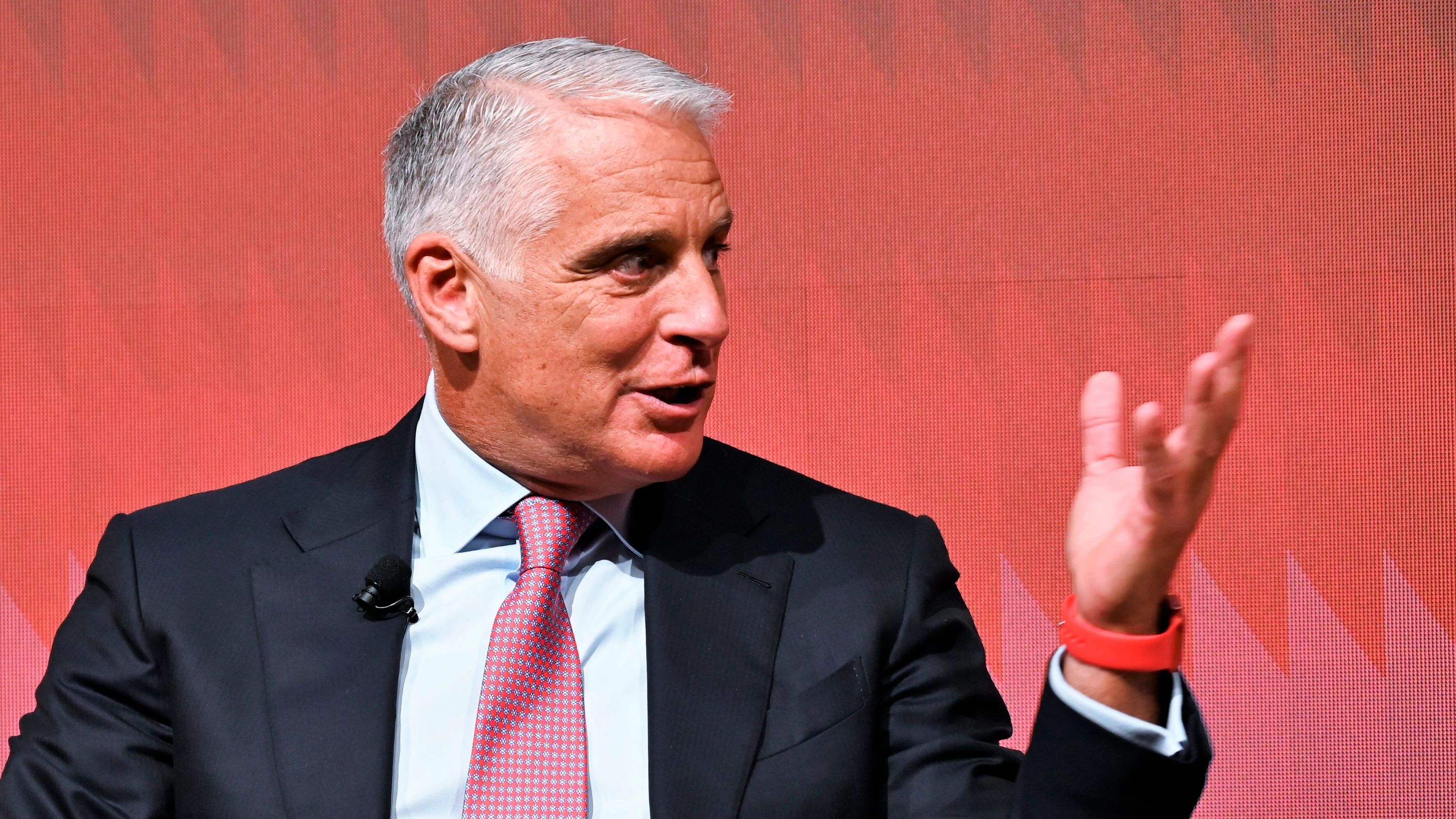
Durch Tauschangebot: Unicredit bekommt 12,5 Prozent aller Commerzbank-Aktien Die italienische Bank hat nun fast 40 Prozent aller Commerzbank-Aktien. Und die Commerzbank-Aktionäre bekommen eine weitere Frist bis 3. Juli, in der sie Unicredit ihre Aktien noch zum alten Tauschverhältnis andienen können.
faz · 3 months ago

Gun violence soars in Canada as illegal weapons from the US flow in Over the last decade, gun murders have jumped by nearly 90 percent in Canada. This increase is fuelled by a never-ending stream of illegal weapons acquired across the border in the United States. According to data from the Toronto Police, 88 percent of the guns seized in crimes last year originated in the US. Canadian police and elected officials are demanding tighter controls at border crossings. FRANCE 24s Francois Rihouay, Joanne Profeta report, with Fraser Jackson.
france24 · 3 months ago
Bank of England plans to dilute capital rules for investment banks trading activities UK regulator also publishes parameters of how it will stress-test private credit markets
financial times · 3 months ago
Iran deal brings little relief for inflation-wary central banks Top policymakers not ready to call the all-clear on global economy even as energy prices fall
financial times · 3 months ago
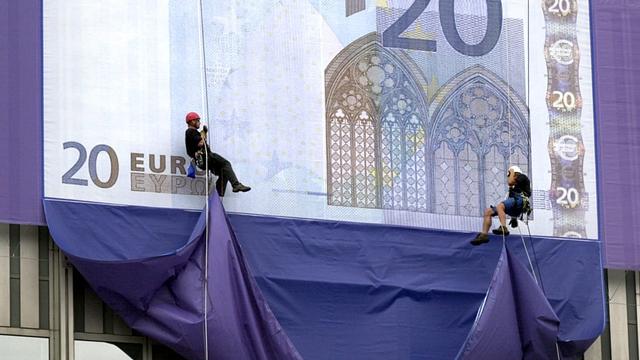
Europes ultra-rich: Which countries are adding the most $30m+ millionaires?Europes ultra-rich population has surged by a quarter over the past five years.On average, more than 20 people join the continents $30m+ wealth club every day, while 89 people worldwide cross the $30 million wealth threshold daily. #Europe #Millionaires
mastodon bot · 3 months ago
Middle East conflict hits Cyprus economic outlook The Central Bank of Cyprus (CBC) on Friday revised down its forecasts for economic growth in 2026 and 2027, citing the continuing war in the Middle East and warning that risks remain skewed towards weaker growth and higher inflation. Under its June 2026 projections, the central bank lowered its forecast for gross domestic product (GDP) […]
cyprus mail · 3 months ago
Fuel prices expected to fall further The preliminary agreement between the United States and Iran is expected to lead to further reductions in fuel prices, the energy ministry said on Monday. There was a de-escalation in both crude oil prices and refinery prices, consumer protection service director Constantinos Karagiorgis said. According to ministry data, the average price of unleaded 95 petrol […]
cyprus mail · 3 months ago
Slovenian fund acquires half of Adria Dental Group Slovenian private equity manager Advance Capital Partners has agreed to acquire a 50 stake in Adria Dental Group from Croatian investment firm Provectus Capital Partners, becoming a co-owner of one of the largest dental services platforms in the region. Adria Dental Group operates 12 clinics ...
the slovenia times · 3 months ago
Omniva ei taha enam Eesti Panga münte müüa, keskpank leidis ajutise teiste võimaluse Alates pühapäevast lõpeb võimalus osta Omniva e-poe kaudu Eesti Panga münte ja mündikaarte, kuid juba 1. juulist saab valikut Eesti Panga populaarsematest müntidest ja mündikaartidest osta 100kingitust OÜ e-poest.
postimees · 3 months ago
Statistikaameti parandatud andmed: kinnisvara pole siiski järsult kallinenud Statistikaameti saatis reede pärastlõunal parandatud numbrid, mille kohaselt tõusis eluaseme hinnaindeks 2026. aasta esimeses kvartalis võrreldes eelmise kvartaliga 3,4 protsenti ning võrreldes 2025. aasta esimese kvartaliga 5,9 protsenti. Hommikul tõi Statistikaamet välja hoopis suuremad numbrid.
postimees · 3 months ago
Βιετναμέζα δισεκατομμυριούχος πουλά από τη φυλακή τσάντες και πολυτελή αυτοκίνητα για να αποπληρώσει το χρέος της Η Truong My Lan εκποιεί από τη φυλακή τσάντες Hermès, πολυτελή αυτοκίνητα και ακίνητα σε μια προσπάθεια να αποπληρώσει χρέος 27 δισ. δολαρίων από το μεγαλύτερο τραπεζικό σκάνδαλο του Βιετνάμ
protothema · 3 months ago
Χρηματιστήριο: Επέστρεψαν οι αγοραστές - Πάνω από €450 εκατ. ο τζίρος λόγω rebalancing Δεύτερη σερί εβδομαδιαία άνοδος για τον Γενικό Δείκτη, παραμένει κοντά στα υψηλά 17ετίας - Διψήφιο ράλι για την ElvalHalcor με «άρωμα» ΑΜΚ, από κοντά η Viohalco - Νέα ρεκόρ για Aktor, ΕΥΔΑΠ και ΑΔΜΗΕ
protothema · 3 months ago
Tranzacție în România: una dintre cele mai bogate familii din Belgia vinde un depozit Dezvoltatorul imobiliar WDP, al cărui principal acționar este una dintre cele mai bogate familii din Belgia, pregătește vânzarea unei proprietăți logistice în România către utilizatorul final al clădirilor, o tranzacție evaluată la câteva zeci de milioane de euro, potrivit informațiilor obținute de Profit.ro. WDP a anunțat că va vinde două proprietăți logistice cu o suprafață …
hotnews.ro · 3 months ago
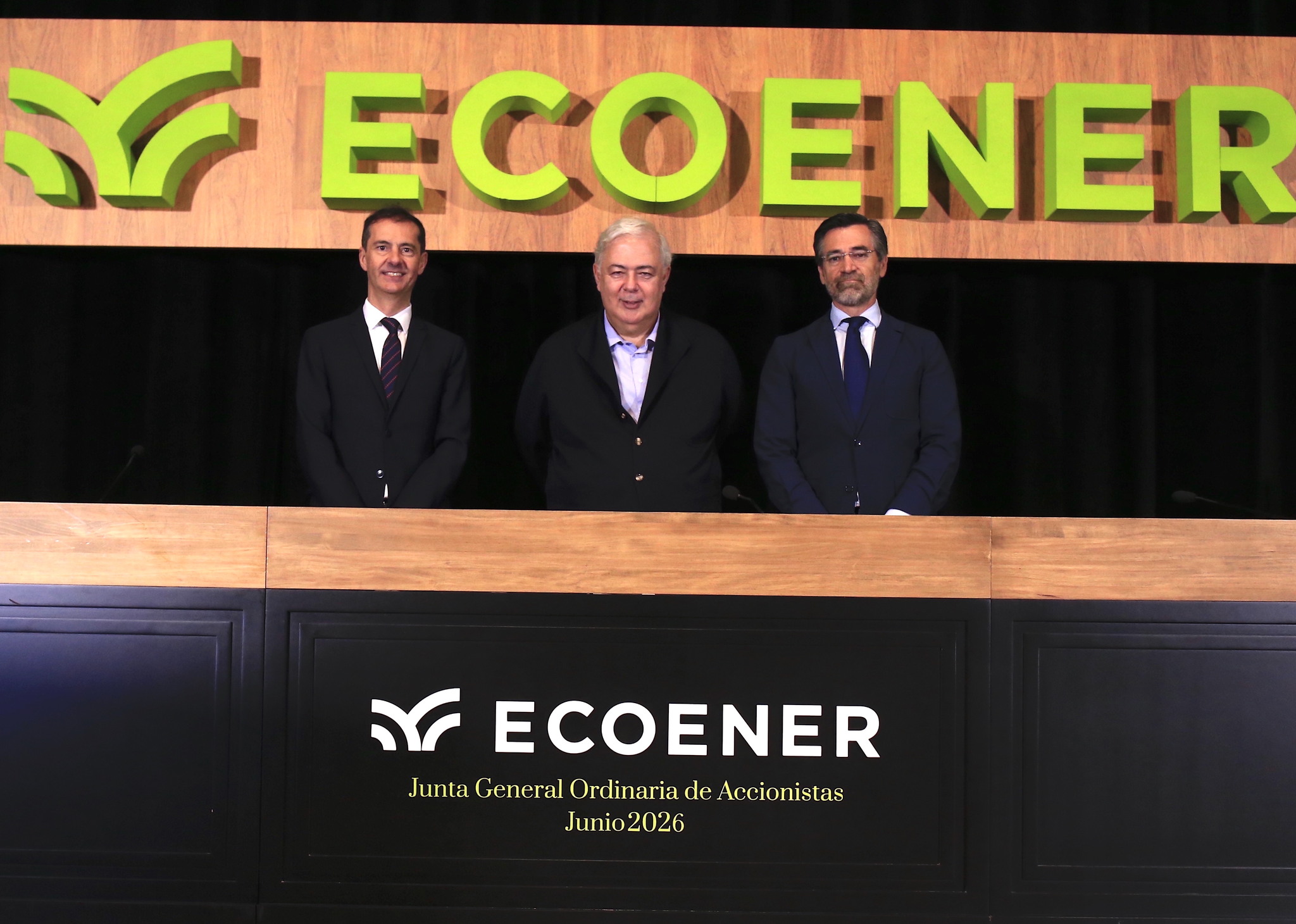
Luis de Valdivia (Ecoener) augura una fase de crecimiento y rentabilidad virando hacia Europa y países OCDE El grupo de energías renovables mantendrá su posición en Latinoamérica, pero buscará mercados con legislación más estable. El presidente de la compañía avanza que se reforzará la posición financiera. Leer
expansion · 3 months ago
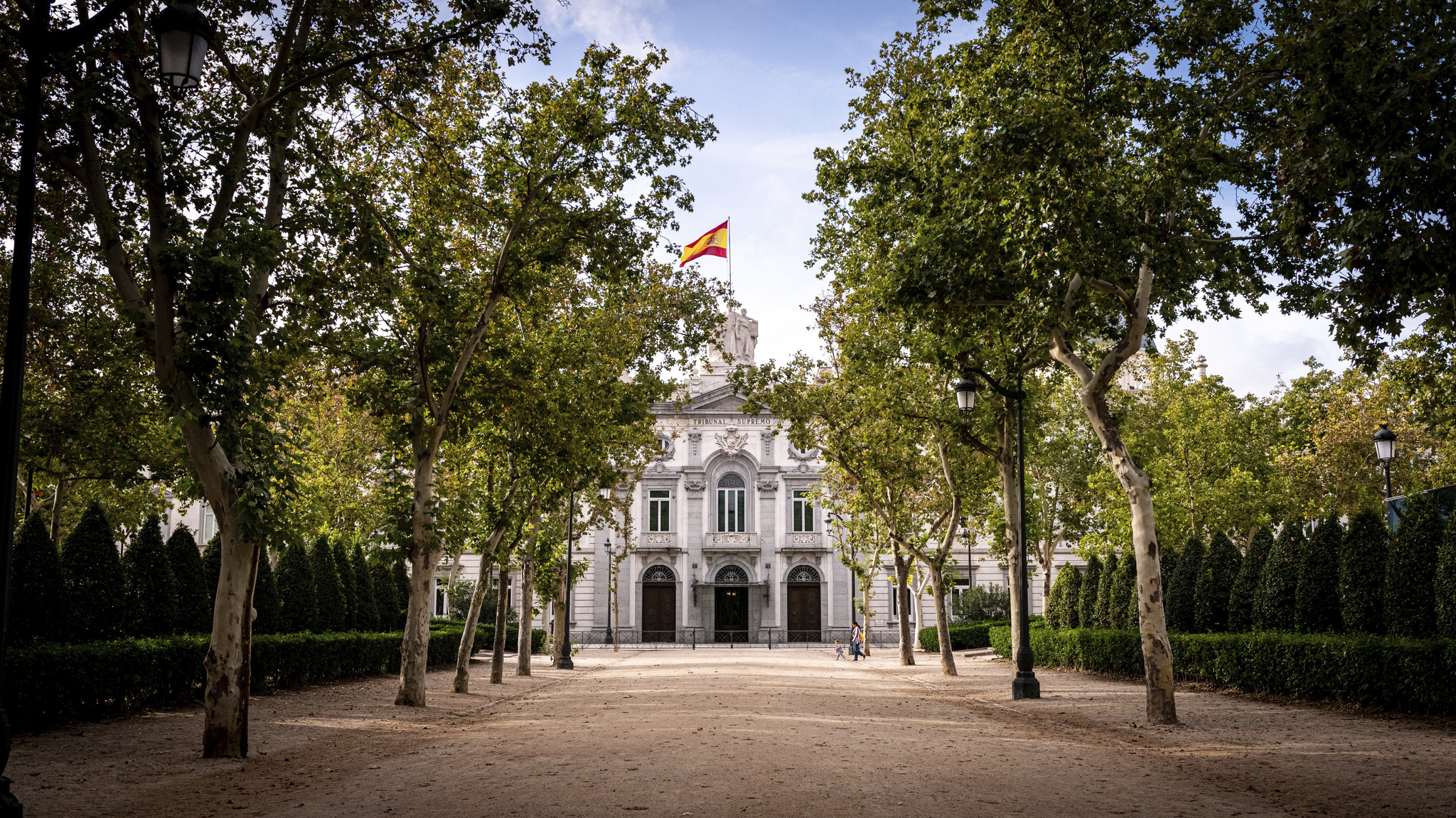
El Supremo dicta que el complemento de maternidad en jubilación activa se calcula sobre el 100 de la pensión El Supremo da la razón a los autónomos frente al criterio de la Seguridad Social: el INSS no puede recortar el cálculo del plus por hijos en la pensión a la mitad cuando se accede a la jubilación activa para compatibilizar la pensión con un trabajo. Leer
expansion · 3 months ago
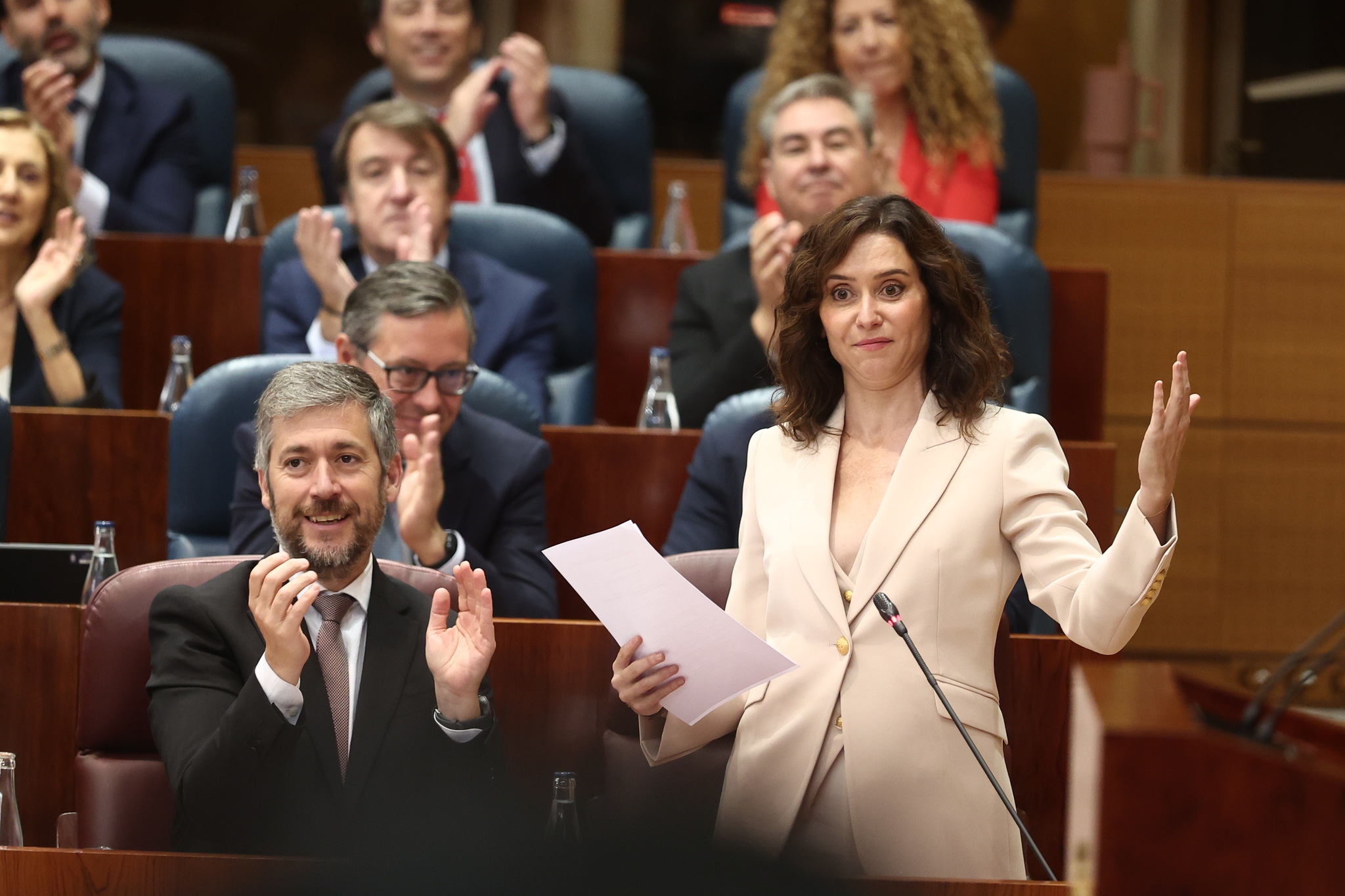
Madrid eleva al 99 la exención en Sucesiones y Donaciones cuando se herede una empresa familiar La Asamblea de Madrid ha aprobado este jueves con los votos del PP el proyecto de Ley de Apoyo a la Empresa Familiar, que, entre otras medidas, eleva la reducción de la base imponible del Impuesto de Sucesiones y Donaciones hasta el 99 cuando se herede una empresa o negocio entre parientes de hasta cuarto grado. Leer
expansion · 3 months ago

Entrepinares, proveedor de Mercadona, invertirá en su planta lucense más de 20 millones Prevé producir más de 7 millones de kilos de queso cottage desde finales del próximo año. Leer
expansion · 3 months ago
Santander supera a Inditex como empresa más valiosa y recupera el trono del Ibex El banco superó ayer provisionalmente a la textil en capitalización bursátil. Leer
expansion · 3 months ago
El Ibex se frena en pleno festivo de Wall Street La última jornada de la semana viene marcada por el festivo de Wall Street, pero también por los recelos que surgen de nuevo entre EEUU e Irán. El petróleo recupera por momentos los 80 dólares, y los inversores frenan las compras, incluido en un Ibex que repite cerca de sus récords. Leer
expansion · 3 months ago
Fred van Leer ziet relatie niet meer zitten: Op de zesde dag ontploft het Voor veel mensen lijkt het de ultieme zoektocht: die ene grote liefde vinden. Voor Fred van Leer (49) ligt dat anders. De stylist, presentator en auteur heeft vrede gesloten met een leven zonder partner. Niet uit bitterheid of teleurstelling, maar omdat hij zichzelf inmiddels goed genoeg kent om te weten wat wel en niet bij hem past. Zo vertelt hij in gesprek met &C.
rtl nieuws · 3 months ago

Der Glyphosat-Fluch verfolgt Bayer – nun soll Monsanto zum Retter werden Die Übernahme von Monsanto hat Bayer in eine Existenzkrise gestürzt. Nun steht der Showdown zwischen Klägern und Konzern bevor. Am Ende kann sich der Kauf doch noch lohnen, wie ein Laborbesuch am Agrar-Standort Monheim zeigt.
welt.de · 3 months ago
Banken: Unicredit erhöht Anteil an der Commerzbank im Übernahmekampf auf über 39 Prozent Das Institut hat seine Beteiligung trotz eines vermeintlich unattraktiven Angebots deutlich aufgestockt. Experten beschreiben im Handelsblatt drei Szenarien, wie es jetzt weitergehen dürfte.
handelsblatt · 3 months ago
Geldanlage: „Auch eine Rentnerin kann 100 Prozent Aktien vertragen Martin Weber hat über Jahrzehnte das Verhalten von Anlegern erforscht. Im Gespräch erklärt er, worauf es beim Aufbau eines Depots ankommt und welchem Irrglauben Anleger nicht anhängen sollten.
handelsblatt · 3 months ago
Geldanlage: Zehn Dinge, die ich als Anfänger über ETFs gelernt habe Aus dem Handelsblatt-Archiv: Unser Autor befasst sich zum ersten Mal in seinem Leben mit ETFs – und stellt fest, dass Altersvorsorge damit in der Theorie einfacher ist als in der Praxis.
handelsblatt · 3 months ago
Geldanlage: Kann eine 150 Jahre alte Grafik die Börsenkurse vorhersagen? Aus dem Handelsblatt-Archiv: Eine Kurve aus dem 19. Jahrhundert sagt erstaunlich präzise die Entwicklung der Märkte voraus. Für 2026 empfiehlt sie, Aktien zu verkaufen. Wie verlässlich das wirklich ist.
handelsblatt · 3 months ago
FIRE-Bewegung: Wer finanziell frei werden will, sollte auf diese sechs Punkte achten Auf dem Weg zur finanziellen Unabhängigkeit kann viel schiefgehen. Ein Frührentner-Paar verrät, wie man die größten Fallstricke vermeidet – und sich den Traum der frühen Rente erfüllt.
handelsblatt · 3 months ago
Kamerahersteller: Wie sich Leica immer wieder neu erfindet Leica hat eine treue Fangemeinde und stand trotzdem einmal vor der Pleite. Wie Mehrheitseigner Andreas Kaufmann die Marke immer wieder neu erfindet – und was er von Leica-Parfüm hält.
handelsblatt · 3 months ago
Altersvorsorge: Wie sich der Riester-Nachfolger für Gutverdiener lohnen kann Aus dem Handelsblatt-Archiv: In das Altersvorsorgedepot kann mehr eingezahlt werden, als für die Förderung notwendig ist. Im Ruhestand sind dann die Steuersätze niedrig – mitunter werden sie aber teuer bezahlt.
handelsblatt · 3 months ago