Loading…
 Saturday, September 26Saturday, September 26
4 months · 29 summary articles
Global oil markets fell sharply on Thursday as Brent crude dropped to $77.70 a barrel, driven by a US-Iran peace agreement that has eased geopolitical tensions and raised hopes of renewed Gulf oil exports. The Federal Reserve kept interest rates unchanged but lifted its year-end forecast to 3.8%, sending mixed signals to investors already grappling with the dual forces of potential US rate hikes and Middle East stability. The dollar initially strengthened before easing, while US stocks closed lower on Wednesday .
Fuel prices continued their decline across Europe, with Euro95 petrol falling by 0.7 cents and diesel by 1.1 cents, following the breakthrough in negotiations that reopened the Strait of Hormuz. The Bank of England held its benchmark rate at 3.75% on Thursday, citing reduced inflationary risks from lower oil prices and the US-Iran truce . Jet fuel prices also tumbled, offering relief to airlines after months of soaring costs .
Analysts at JPMorgan argued that European equities now appear "attractively cheap" following the oil price slump, suggesting a potential buying opportunity for investors . However, not all sectors are benefiting equally. The Ibex 35 in Spain held steady at 19,400 points after a 1.35% rally the previous day, while Brussels’ stock exchange ended lower despite optimism over Middle Eastern developments .
The Fed’s shift under new leadership has unsettled markets, with Kevin Warsh’s tenure marking a departure from earlier dovish signals. Futures pointed to a modest rebound on Wall Street on Thursday, but broader European indices remained cautious . Meanwhile, Grifols, the Spanish blood plasma group, moved closer to a US stock market listing to correct its market valuation, a move analysts say could reshape its financial strategy .
Despite lower fuel costs, Europe’s transition to electric vehicles is expected to remain on track. Industry analysts predict that the price drop will not significantly slow EV adoption, as long-term climate policies and technological advancements continue to drive consumer preferences . The geopolitical détente, therefore, offers a dual dividend: immediate relief for consumers and businesses, and a potential catalyst for long-term energy market restructuring.
Follow us for live European news
2 further sources not geolocated

Bank of England keeps rates steady as it weighs Iran truce reut.rs/3SfZyl8
bluesky bot · 3 months ago

Vânzările de proprietăți s-au prăbușit în Dubai: „A fost un eveniment de tip lebădă neagră Vânzările de proprietăți au scăzut „ca de pe marginea unei prăpastii în Dubai, a declarat un important observator al pieței, după ce războiul din Orientul Mijlociu a provocat o corecție severă pe una dintre cele mai scumpe piețe imobiliare din lume, relatează The Guardian. Vânzările din oraș au scăzut cu 19 în luna mai comparativ …
hotnews.ro · 3 months ago
Změnu úrokové sazby jsem nečekala. Překvapilo mě, že Michl nezmínil silnější korunu, říká Horská Bankovní rada České národní banky zvýšila základní úrokovou sazbu o čtvrt procentního bodu na tři a tři čtvrtě procenta. Více než rok zůstávala základní sazba beze změny a naposledy se zvyšovala dokonce už před čtyřmi lety. Za hlavní důvody zvýšení sazby označil guvernér Aleš Michl mimo jiné stále zvýšenou jádrovou inflaci či vyšší růst mezd. Změnu sazby a její důsledky přibližuje hlavní ekonomka Raiffeisenbank Helena Horská.
irozhlas.cz · 3 months ago

Les Bourses européennes sont optimistes "des bonnes nouvelles du Moyen-Orient" même "si beaucoup de choses peuvent encore se passer" La Bourse de Bruxelles a toutefois de nouveau terminé en baisse ce jeudi. ...
la libre · 3 months ago
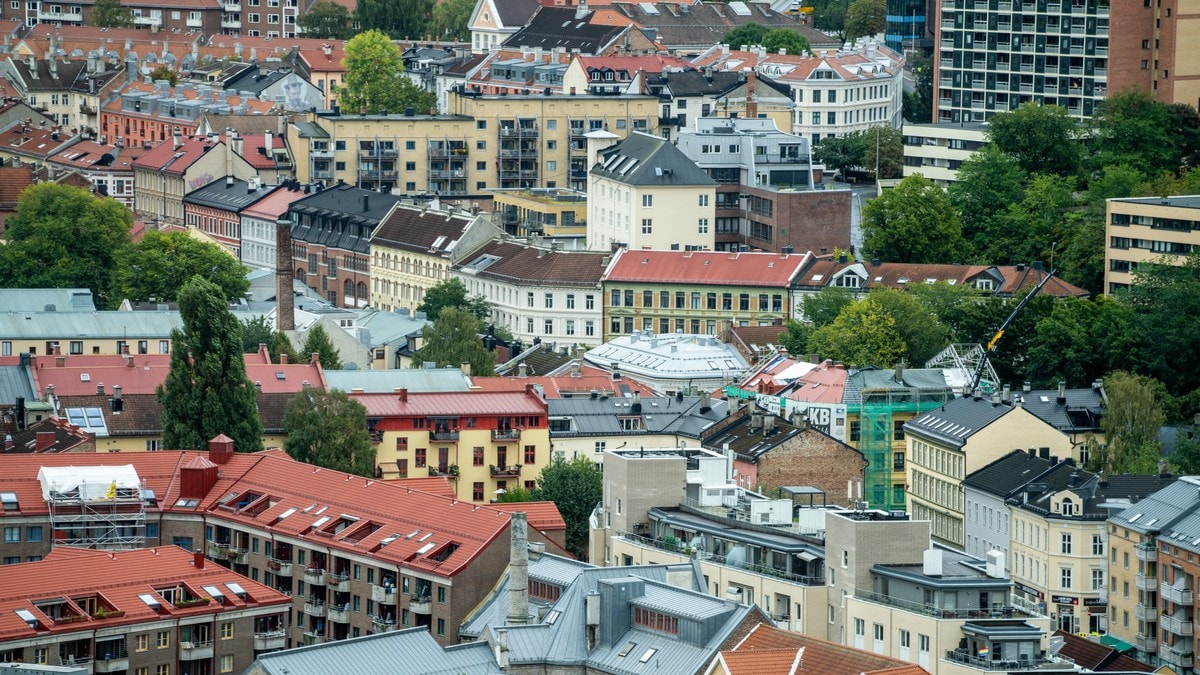
Meglertopp spår prisfall til høsten: Rekordmange Oslo-boliger til salgs Det flommer over av usolgte boliger i Oslo. Meglertopp tror prisene i Oslo vil falle for første gang på veldig lenge.
nrk · 3 months ago

Eroski arranca 2026 con un beneficio de 17,8 millones, un 35 más La reestructuración de la deuda realizada el año pasado ha permitido su rebaja de los 30,8 millones abonados en el primer trimestre de 2025 a los 22,2 del arranque de este ejercicio, un 25 menos Leer
expansion · 3 months ago
Matthew Beesley: „Wir könnten am Beginn eines mehrere Jahrzehnte währenden Trends stehen Der Chef des britischen Fondsanbieters Jupiter erwartet, dass globale Investoren das US-Gewicht in ihren Portfolios langsam senken. Europa wird davon möglicherweise nicht profitieren.
handelsblatt · 3 months ago
US-Börsen: Zweigeteilte KI-Welt an der Wall Street: Chipaktien gewinnen, Berater-Titel verlieren Am Tag nach dem Fed-Zinsentscheid verarbeiten die US-Börsen die Nachrichten dazu. Eine US-Beratung meldet derweil rückläufige Aufträge und schürt neue KI-Sorgen.
handelsblatt · 3 months ago
Global markets split on Fed rate signals, Iran deal optimism Investors faced a mixed global market Thursday, caught between expectations of possible US rate hikes and optimism from the US-Iran peace agreement. The Federal Reserve kept rates unchanged but raised its year-end forecast to 3.8. Brent crude fell to $77.70, while the dollar strengthened before easing. US stocks closed lower Wednesday.
yenisafak · 3 months ago
Cinci investitori interesaţi să preia Combinatul siderurgic Liberty Galaţi, fostul Sidex. Cu cât a scăzut prețul de vânzare Cinci companii sunt înscrise la licitaţia pentru cumpărarea Combinatului siderurgic Liberty Galaţi. Sunt exact aceleaşi care au participat şi la prima etapă, din urmă cu trei luni, când preţul de pornire era de 709 milioane de euro.
digi24 · 3 months ago

Frankfurter Mietspiegel: Wenn die Miete plötzlich sinkt Der neue Frankfurter Mietspiegel weist eine Preissteigerung um durchschnittlich 6,8 Prozent seit 2024 aus. Es gibt aber auch Wohnungen, bei denen die Miete rechnerisch gesunken ist.
faz · 3 months ago
Dutch unemployment steady at 3.9 in May as workforce shrinks The unemployment rate in the Netherlands remained unchanged at 3.9 percent in May, with 399,000 people out of work, according to Statistics Netherlands.
nltimes.nl · 3 months ago
Petrol and diesel prices continue decline following Middle East breakthrough Recommended retail fuel prices have fallen again, with Euro95 dropping by 0.7 cents and diesel by 1.1 cents.
nltimes.nl · 3 months ago
JPMorgan: European Stocks Are Attractively Cheap After Oil Price Slump
gdeltproject.org · 3 months ago
IEA Warns Global Low-Emissions Hydrogen Pipeline Shrinks to 27 Mt by 2030 as Project Delays and Policy Uncertainty Intensify
gdeltproject.org · 3 months ago
Lower fuel prices not expected to slow EV sales in Europe
gdeltproject.org · 3 months ago
Jet fuel prices tumble on prospect of renewed Gulf exports Airlines get relief from soaring fuel costs following deal to reopen Strait of Hormuz
financial times · 3 months ago
Why pump anxiety as petrol prices soar promped surge in EV sales
financial times · 3 months ago
Bank of England holds interest rates at 3.75 Deal between US and Iran has pushed oil prices down and eased inflationary risk to UK economy
financial times · 3 months ago
UK private sector wage growth slows to lowest rate in five years Slowdown will reinforce case for Bank of England to leave rates on hold
financial times · 3 months ago
SP Global Ratings: Αναβάθμιση της ΔΕΗ σε «BB» μετά το επενδυτικό σχέδιο των 24 δισ. ευρώ Η S&P αναβάθμισε τη ΔΕΗ, εκτιμώντας ότι το νέο επενδυτικό πρόγραμμα των 24 δισ. ευρώ έως το 2030 θα επιταχύνει την ανάπτυξη, θα ενισχύσει την κερδοφορία και θα διατηρήσει ελεγχόμενο τον δανεισμό
protothema · 3 months ago
Inflation in Ukraine slows, but price pressures persist – NBU Despite the expected slowdown in inflation in May, price pressures and elevated inflation expectations remain.
ukrinform · 3 months ago
Wirtschaft: Ifo senkt Wachstumsprognose für 2027 Für das laufende Jahr erwartet das Wirtschaftsinstitut weiterhin 0,8 Prozent Wachstum. Eine Entspannung im Iran könne zum Jahresende in den Unternehmen ankommen, sagt Ifo-Chef Fuest. Auf 2027 blickt das Ifo dennoch pessimistischer als zuletzt.
handelsblatt · 3 months ago