Loading…
 Saturday, September 26Saturday, September 26
4 months · 3 summary articles
EU finalises passenger rights deal as Dublin Airport cap faces final vote
EU finalises landmark air passenger rights reform: Families win free seats, airlines face stricter compensation rules
EU transport ministers scramble to salvage stalled airline passenger rights deal
The European Union has finalised a landmark update to air passenger rights, securing clearer compensation rules, faster reimbursements, and new protections for families and vulnerable travellers. On 15 June 2026, the European Parliament and Council confirmed a provisional agreement that maintains existing entitlements while introducing significant modernisations to the 2004 regulation. The deal, reached after weeks of negotiations, ensures passengers delayed by three hours or more remain eligible for compensation, while airlines face stricter transparency requirements on ticket pricing and seating fees.
Key provisions include the right to free adjacent seats for families with children under 14, mandatory inclusion of hand luggage costs in advertised fares, and streamlined procedures for claiming compensation. Airlines must now provide passengers with explicit guidance on how to file claims, removing the ambiguity that has long frustrated travellers. “This reform guarantees that passengers are no longer left in the dark when things go wrong,” said a spokesperson for the European Parliament’s Transport Committee . The agreement also strengthens protections for disabled passengers and those with reduced mobility, requiring airlines to offer tailored assistance without additional charges.
The compromise follows years of criticism over inconsistent enforcement and loopholes exploited by some carriers. Ryanair, for instance, has been singled out in Belgian and French media for practices such as charging excessive fees for minor booking errors or refusing to refund passengers for avoidable delays . Under the new rules, such tactics will be prohibited, and national enforcement bodies will have clearer mandates to penalise non-compliance.
Industry groups have reacted cautiously. The International Air Transport Association (IATA) acknowledged the need for modernisation but warned that some provisions, such as the three-hour delay threshold for compensation, could strain airline operations during peak travel periods . Consumer advocates, however, hailed the deal as a long-overdue victory. “Families will no longer have to choose between paying for seats together or risking chaos at the gate,” said Monique Goyens, director-general of BEUC, the European Consumer Organisation .
The updated regulation will enter into force within 20 days of publication in the *Official Journal of the EU*, with full implementation expected by early 2027. National authorities will be tasked with monitoring compliance, while the European Commission will publish annual reports on enforcement gaps. For travellers, the changes promise a more predictable and passenger-friendly flying experience across the bloc.
Follow us for live European news

The European Parliament secured a deal that maintains compensation for three-hour delays, ensures faster reimbursement, fee-free child seating and flight price transparency. Learn more: link.europa.eu/nTTWDV
bluesky bot · 3 months ago
Noi reguli pentru terasele din București: trotuare libere pentru pietoni și muzică interzisă după ora 22:00 în zonele de locuințe Primăria Capitalei a pus luni în dezbatere publică un nou regulament pentru organizarea și funcționarea teraselor temporare din București, care introduce reguli privind ocuparea trotuarelor, zgomotul, aspectul teraselor și protejarea spațiului public. Printre cele mai importante prevederi se numără obligativitatea păstrării unui culoar liber pentru pietoni și interzicerea muzicii după ora 22:00 în zonele de locuințe.
digi24 · 3 months ago
Fluggastrechte in der EU: EU einigt sich auf neue Rechte für Fluggäste Wer in Europa fliegt, kann als Familie künftig kostenlos Sitze nebeneinander reservieren. Fluggesellschaften müssen ihre Ticketpreise klarer ausweisen.
die zeit · 3 months ago
Einigung auf neue Rechte für Fluggäste
orf.at · 3 months ago
MEPs confirm compromise on air passenger rights reform The text must next be voted on next month in Parliaments plenary session. It will enter into force in the second half of 2027.
politico.eu · 3 months ago

A provisional agreement between the Council and Parliament will clarify existing key air passenger rights and introduce many new rights, including: 🔃 the right to be rerouted 🫴 extra assistance ✅ clearer guidance on how to claim compensation Read more ➡️ link.europa.eu/PdtKhn
bluesky bot · 3 months ago

All the members of the European Parliament sitting on the conciliation committee on the air passenger rights reform confirmed today the compromise reached with countries last week.
bluesky bot · 3 months ago

Governo tem 6 meses para aumentar dedução no IRC A autorização legislativa foi aprovada na Assembleia da República, em 8 de maio
observador · 3 months ago

LEurope se met enfin daccord : voici vos nouveaux droits lorsque vous voyagez en avion Pas de supplément pour les billets enfants ou la fin des montants astronomiques à payer pour de petites erreurs : certaines compagnies comme Ryanair vont devoir changer leur manière de fonctionner. ...
la libre · 3 months ago
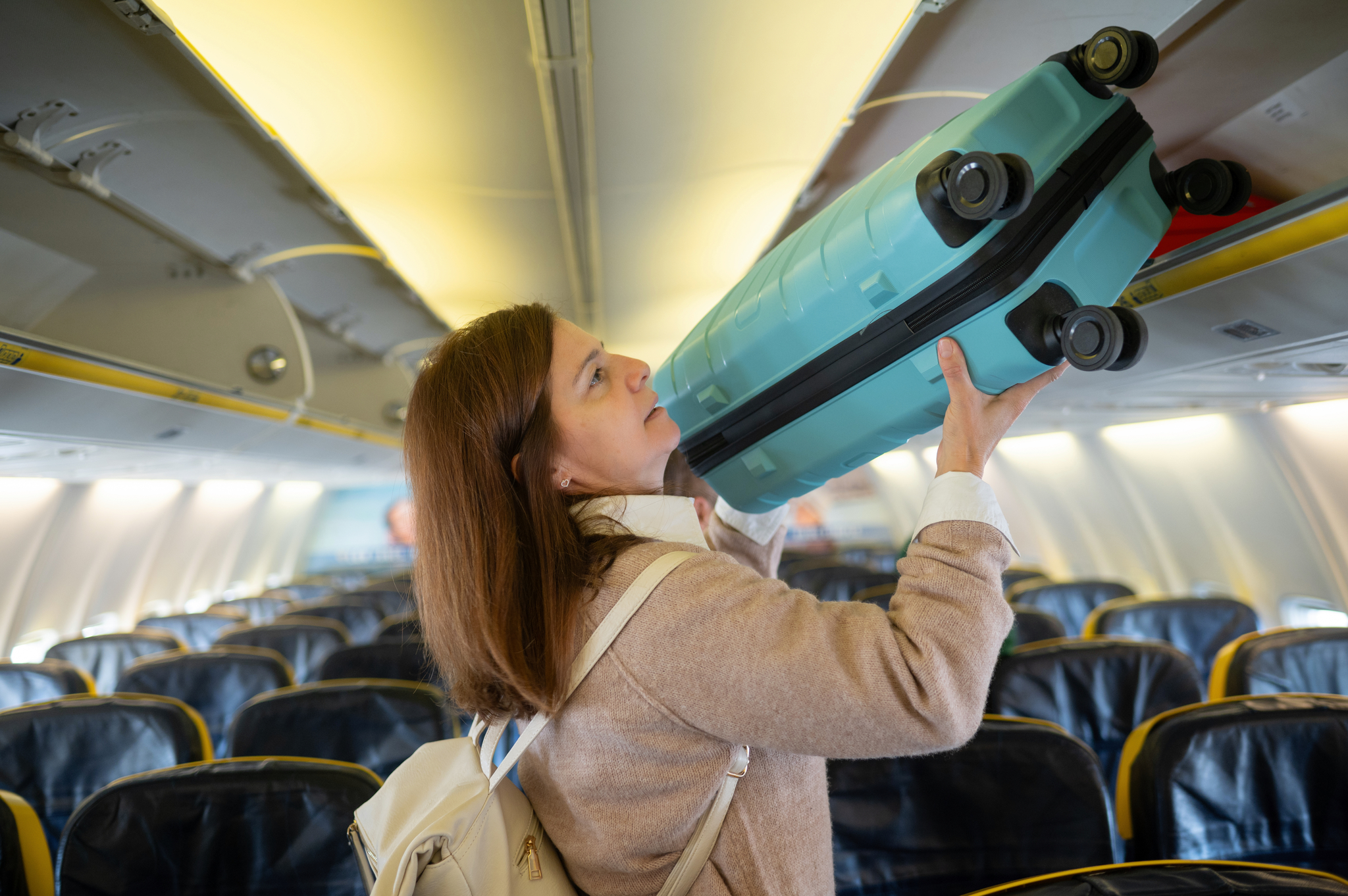
Tarifas, maletas, precios, compensaciones... ¿Cómo cambian mis derechos al volar? La modificación del reglamento sobre derechos del pasajero obligará a informar de los precios de los billetes con una maleta y mantiene las indemnizaciones por retrasos Leer
expansion · 3 months ago
Verbraucher: Neue Rechte für Fluggäste - Das soll sich ändern Wer mit dem Flugzeug reist und zu spät ankommt, erhält eine Entschädigung - auch künftig nach ähnlichen Regeln wie bisher. Einiges soll aber moderner werden.
handelsblatt · 3 months ago
Airlines: EU einigt sich auf neue Rechte für Fluggäste Kostenlose Sitzplätze für Familien, mehr Preistransparenz, Entschädigungspflicht: Die Mitgliedstaaten haben neue Fluggastrechte festgelegt.
handelsblatt · 3 months ago
Rechte für Flugpassagiere: Fluggastrechte gerettet Wer mit dem Flugzeug reist und zu spät ankommt, erhält eine Entschädigung – auch künftig. Einige Details ändern sich dabei dennoch. mehr...
taz.de · 3 months ago
Acord provizoriu privind drepturile pasagerilor aerieni în UE. Parlamentul European anunță ce se schimbă pentru călători Parlamentul European și Consiliul Uniunii Europene au ajuns la un acord provizoriu privind actualizarea normelor referitoare la drepturile pasagerilor aerieni, într-o reformă care păstrează dreptul la despăgubiri pentru întârzierile de peste trei ore, introduce proceduri mai clare pentru solicitarea compensațiilor și extinde protecția acordată familiilor și persoanelor vulnerabile.
digi24 · 3 months ago
Compensation for three-hour delays: Council and Parliament update rules on air passenger rights Key features include a three-hour delay threshold for claiming a refund; clear instructions for passengers on how to claim from airlines; no additional seat charges for children under 14 sitting next to an accompanying adult; and transparent ticket prices that include hand luggage
eunews.it · 3 months ago
Press release - Deal on air passenger rights: MEPs secure improved traveller protection MEPs have secured an air passenger rules deal that maintains compensation for three-hour delays, ensures faster reimbursement, fee-free child seating and flight price transparency.Committee on Transport and Tourism Source : © European Union, 2026 - EP
european parlament · 3 months ago

🤝 Deal on air passenger rights: MEPs secure improved traveller protection MEPs have secured a deal that maintains compensation for three-hour delays, ensures faster reimbursement, fee-free child seating and flight price transparency. Details ⬇️ www.europarl.europa.eu/news/en/pres...
bluesky bot · 3 months ago