
EU transport ministers scramble to salvage stalled airline passenger rights deal
Story Timeline
4 months · 3 summary articles
EU finalises passenger rights deal as Dublin Airport cap faces final vote
EU finalises landmark air passenger rights reform: Families win free seats, airlines face stricter compensation rules
ContinuationEU transport ministers scramble to salvage stalled airline passenger rights deal
EU transport ministers gather in Brussels today to salvage a stalled deal on EU-wide airline passenger rights, after a week of fraught negotiations collapsed over compensation rules for delayed flights and the ease of filing claims. The failure to reach consensus on the 12-minister week airline deal has left travellers in legal limbo, with consumer groups warning that millions could be left unprotected when summer travel peaks.
The core dispute centres on two points: the level of compensation for long delays and the administrative burden placed on passengers seeking redress. Transport ministers from France, Germany, and the Netherlands had pushed for a simplified claims process and automatic compensation for delays of three hours or more, while southern member states, led by Italy and Spain, resisted higher payouts and stricter enforcement. A compromise text circulated last Friday was rejected after Poland and Hungary objected to provisions allowing passengers to file claims directly with national enforcement bodies rather than through airlines first .
The impasse comes despite months of behind-the-scenes talks and a last-minute intervention by the European Commission, which had proposed a phased approach: immediate compensation for delays over five hours, with automatic payouts for three-hour delays phased in by 2028. “We are not starting from scratch,” said a senior EU official, “but the political will to close this deal is evaporating.” Consumer group BEUC estimates that without a deal, up to 40% of delayed passengers in the EU could lose out on compensation this summer .
The timing could not be worse. With the peak travel season beginning in two weeks, airlines are already under scrutiny over rising fares and service cuts. Last week, Flytoget, Norway’s airport rail link, warned that taxi prices to Oslo’s Gardermoen airport had doubled after Norway scrapped price caps, highlighting the broader cost pressures on travellers . Meanwhile, the UK is considering a national no-fly list for aggressive passengers, a move that could further complicate enforcement of passenger rights across borders .
Analysts suggest the deal’s collapse reflects deeper divisions over the role of the state in consumer protection. “This is not just about airlines,” said a transport policy expert at the University of Leuven. “It’s about whether the EU can deliver tangible benefits to citizens in an area where expectations are high and trust is low.” With ministers set to meet in emergency session, the pressure is on to find a face-saving formula—or risk a summer of discontent at Europe’s airports.
Follow us for live European news
- 3
- 2
- 2
- 1
- 1
- 1
- 1
- 1
- 1
- 1
- 1
2 further sources not geolocated
Articles

Dombrovskis: Rail Balticu praeguses etapis on tähtis hinnata kulusid Rail Balticu raudteeprojekti elluviimisel on praegu oluline hinnata kulusid ja tugevdada projekti järelevalvet, rõhutas Euroopa Komisjoni majandusvolinik Valdis Dombrovskis Riiat väisates.
postimees · 4 months ago

How can Ireland solve its dismal electric vehicle charging infrastructure? Ireland has 4,000 charging points which amounts to less than one third of the EU average
irish times · 4 months ago
Flytoget reagerer på doblede taxipriser Flytoget slår alarm om kraftig økte taxipriser til Gardermoen etter at maksprisordningen for drosjer ble avviklet i…
aftenposten · 4 months ago
De (hoge?) prijs van politieke principes Het is staande praktijk in de Haagse wandelgangen en achterkamertjes: quid pro quo, compromissen sluiten, akkoorden uitonderhandelen. Toch is de ene deal een stuk lelijker dan de andere, zo bleek vorige week rondom de begroting van Ontwikkelingssamenwerking. Wat is de prijs van politieke principes?
nrc · 4 months ago
:format(jpg)/f.elconfidencial.com%2Foriginal%2Fe56%2F491%2Fe1a%2Fe56491e1a2fcc5197c297234aadfcaf6.jpg)
Illa eleva a 50 millones el gasto en las embajadas catalanas, más que ERC El presidente de la Generalitat abrirá tres nuevas oficinas, pero sin el contenido político que quieren los independentistas, lo que subleva al círculo íntimo de Puigdemont
el confidencial · 4 months ago
Neue Dienstwohnungen sollen starke Arbeitskräfte anziehen [premium] Tourismusbetriebe investieren mehrere Millionen Euro in Mitarbeiterwohnungen, die den Ausschlag geben könnten.
die presse · 4 months ago

AUA-Chefin Annette Mann: "Würde BWL nicht mehr als Erststudium wählen" Warum sind Flugtickets so teuer, wie viel davon bleibt der Airline, und wie wird man im harten Flug-Business erfolgreich? Die Vorstandsvorsitzende der Austrian Airlines gibt Antworten
der standard · 4 months ago
New minister promises drone report within a few weeks For over eight months, the population has waited to learn what appeared in Danish airspace in late September, causing several airports to close. Newly appointed Minister of Defence Jeppe Bruus stated that the so-called drone report will be released in one to two weeks. On September 22, unidentified flying objects were observed over Copenhagen Airport, […]
cphpost · 4 months ago
EU Air Passenger Rights: Compromise Deal Reached After Months of Talks
gdeltproject.org · 4 months ago
South Africa records 7.6m Intl tourist arrivals in 11 months, says Minister
gdeltproject.org · 4 months ago
Should algorithms dictate the price for gig workers? Lithuanian government is divided A row has broken out in Lithuania over who should set the price of a ride or a food delivery – a human being or a piece of software. The dispute cuts to the heart of a broader European debate about the rights of gig workers, and Lithuania must resolve it by December.
lrt · 4 months ago
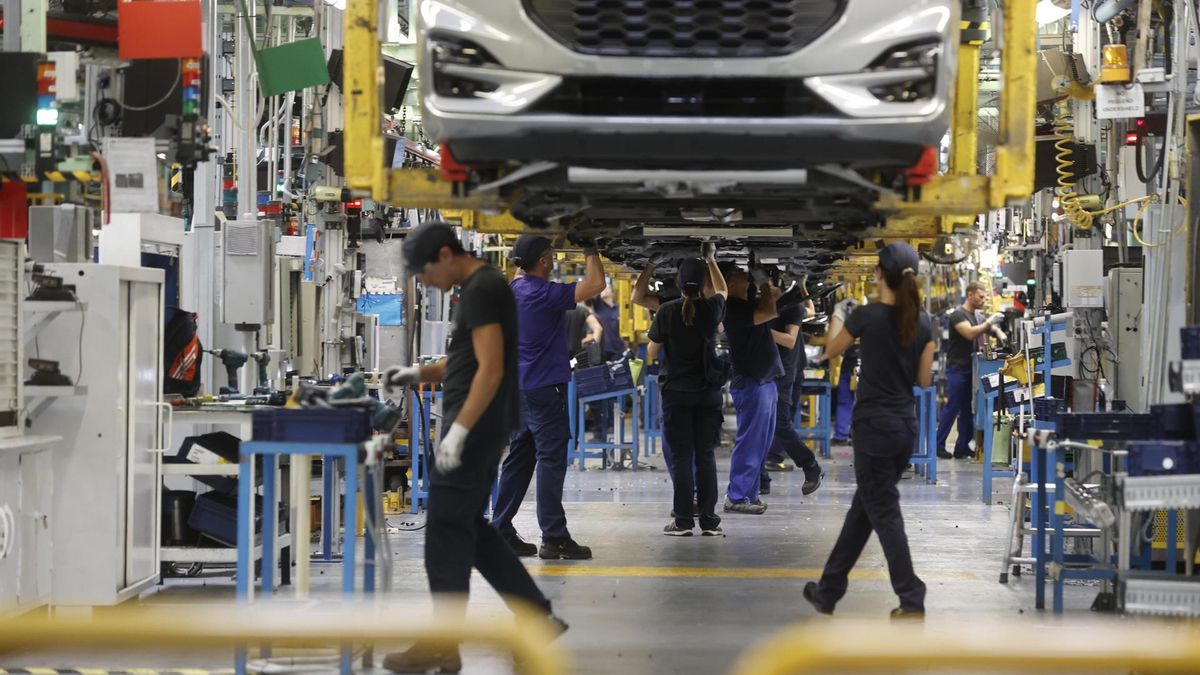
La fábrica de Ford de Almussafes arranca la negociación de un acuerdo para el nuevo modelo El sindicato UGT, mayoritario, pone condiciones a la multinacional estadounidense para producir una variante del Bronco a partir de 2027 que incluyen recuperar poder adquisitivoMenos despidos y más empleo en las fábricas de vehículos: los afectados por ERE caen un 48 La factoría de Ford en Almussafes ha dado el primer paso para intentar pasar página de los sacrificios aplicados a la plantilla en los últimos años. Con la confirmación de la producción de una variante europea del Bronco prevista a partir de 2028 y la constitución inminente de los equipos de lanzamiento desde 2027, empresa y sindicatos han comenzado a dibujar el nuevo marco laboral que deberá acompañar la transición de la planta valenciana en la próxima década y dejar atrás la incertidumbre. En la comisión negociadora del Acuerdo por la Electrificación 2030, el sindicato UGT, mayoritario en la fábrica, dejó claro que no está dispuesto a limitar el debate al nuevo modelo anunciado por la multinacional estadounidense. Su estrategia pasa por vincular el futuro industrial de Almussafes a dos exigencias concretas: la asignación de más carga de trabajo y la recuperación del poder adquisitivo de la plantilla. La organización sindical reclama a la dirección de Ford Europa que adjudique a la planta valenciana dos nuevos vehículos de pasajeros destinados al mercado europeo previstos en los planes de la marca, además de la producción ya confirmada del SUV de la familia Bronco. Para UGT, la llegada de un único modelo, que se sumaría al veterano Kuga que se produce ahora, no despeja todas las incógnitas sobre la actividad futura de la factoría y resulta necesario garantizar una cartera de productos más amplia que consolide el empleo a medio y largo plazo. La fórmula para recuperar poder adquisitivo El sindicato considera que ha llegado el momento de revisar el esfuerzo realizado por la plantilla desde 2022, cuando se firmó el acuerdo que permitió a Almussafes competir con la planta alemana de Saarlouis (en proceso de cierre tras perder la pugna) por la adjudicación de los vehículos eléctricos. Aquel pacto supuso una fórmula inédita de contención salarial basada en pagos lineales no consolidables durante cuatro años, a cambio de reforzar la candidatura valenciana dentro del grupo Ford. Aunque el acuerdo contemplaba compensaciones económicas progresivas entre 2022 y 2025 y una actualización ligada al IPC a partir de 2026, los representantes de los trabajadores consideran que la fuerte inflación registrada durante los últimos ejercicios ha erosionado la capacidad adquisitiva de la plantilla. Por ello, UGT ha situado entre sus prioridades la vinculación de los salarios al IPC y la incorporación de mecanismos de revisión retroactiva que eviten nuevas pérdidas de poder de compra. La fórmula propuesta es el IPC más 1,5 puntos con cláusula de revisión retroactiva. La negociación encuentra además un terreno abonado para las reclamaciones sindicales. Intersindical Valenciana recordó durante la reunión que Almussafes ha sido la única fábrica de vehículos de motor en España que ha mantenido congeladas sus tablas salariales entre 2022 y 2025, por lo que cualquier propuesta destinada a mejorar las condiciones económicas de los trabajadores será respaldada por la organización. ERTE de transición Por el momento, la dirección de Ford ha optado por la prudencia. Según trasladó a los representantes de los trabajadores, necesitará al menos dos semanas para evaluar las peticiones planteadas antes de fijar una nueva reunión. La compañía tampoco ha ofrecido detalles públicos sobre el contenido de las conversaciones. El arranque de la negociación coincide con un momento de transición para la planta valenciana. Mientras se prepara la llegada del nuevo Bronco europeo, la fábrica continúa operando bajo un ERTE RED que seguirá marcando el calendario productivo durante el verano. Ford ha comunicado nuevas jornadas de parada total y parcial en junio, julio y agosto, reflejo de una actividad todavía condicionada por la caída de volúmenes y la espera de nuevos proyectos industriales.
eldiario.es · 4 months ago

Educación y sindicatos reanudan la negociación en la quinta semana de huelga de los docentes La cita será a las 10:00 horas en la Conselleria tras el pequeño acercamiento del pasado viernes y los docentes han convocado una concentración media hora antes
la vanguardia · 4 months ago
Turkish Jets Harass Aircraft Carrying the Greek Defense Minister to Cyprus Turkish jets harassed the military aircraft carrying Greek National Defense Minister Nikos Dendias to Cyprus. Aircraft carrying the defense ministers of France and the Netherlands were also targeted. Specifically, sources report that the control tower of the illegal Tymbou airport in occupied Cyprus attempted to jam the aircrafts communications. Furthermore, according to philenews, two Turkish […]
greek reporter · 4 months ago
Top health official had close ties with Palantir partner at time of NHS contract Scrutiny of Samantha Jones, permanent secretary at the Department of Health, comes amid pressure for ministers to use break clause in key contract
financial times · 4 months ago
United Airlines boss puts Rolls-Royce in the doghouse over contract spat Clash comes amid industry frustrations over engine delivery delays
financial times · 4 months ago
Extra £174m earmarked for spiralling bill for Lower Thames Crossing More than £3bn is due to be spent on the proposed road tunnel between Kent and Essex, which is estimated to have higher costs per mile than HS2Ministers have earmarked more than £170m extra to help build the Lower Thames Crossing road tunnel, fuelling concerns over the spiralling costs of one of the UKs largest planned infrastructure projects.The proposed £11bn route under the Thames between Kent and Essex is already estimated to cost more each mile than the HS2 high-speed rail link from London to Birmingham. It was given the funding boost as part of a plan to spend £3.1bn of public money on the project, before a hoped-for injection of £7.5bn by a private sector firm. Continue reading...
theguardian · 4 months ago
Albanias flamingo revolution comes to Brussels The EU is struggling to land a new deal on consumer protections for airline passengers. After a week of intense negotiations that ultimately failed, transport ministers are meeting today to discuss the current state of play. The main sticking points: rules on compensation for delayed flights and the ease of filing these compensation claims. Also […]
politico.eu · 4 months ago
MÄRK ALLAKÄIGUST? ⟩ Peterburi majandusfoorum jättis prostituudid külmaks. Hinnad on kukkunud mitu korda Venemaa meedia arutas nädalavahetusel elavalt Peterburi majandusfoorumi tulemusi. Ühe huvitava nüansina tõi meedia välja selle, et ekskortteenuste pakkujatest tänavu väga ei räägitud ja seda mitmel põhjusel.
postimees · 4 months ago
Go-Ahead gir seg i Norge Det britiske transportselskapet Go-Ahead trekker seg ut av Norge når kontrakten utløper i desember 2027, og Vy tar over rutene på Sørlandsbanen og Jærbanen. Det skriver Stavanger Aftenblad. – Vi har ingen planer i Norge etter 2027. Nå planlegger vi for en stille og sømløs exit, sier konsernsjef Patrick Verwer til Stavanger Aftenblad. Selskapet hadde sine første avganger på Sørlandsbanen og Jærbanen i desember 2015.
nrk · 4 months ago