
New UK Prime Minister Burnham vows to challenge Trump on Britains interests
Story Timeline
2 months · 4 summary articles
Andy Burnham has become the new UK Prime Minister and has stated that he will always put Britain’s interests first, including being willing to call out US President Donald Trump if necessary. Burnham also ruled out calling an early general election before 2029.
Burnham made these comments in his first major interview since taking office, which was with BBC journalist Laura Kuenssberg. When asked if he was willing to call out Trump if he thought it was the right thing to do, Burnham responded, "All leaders have to do that. You have to defend your own national interest before anything else. That’s what you’re required to do if you’re to do this job properly."
Burnham's predecessor, Keir Starmer, had a fraught relationship with Trump due to differences over the US-Israeli war on Iran, immigration, energy, and tech regulation. However, Trump initially described Burnham as "extremely liberal" but said this week that he had a "very good conversation" with the new prime minister.
In the interview with the BBC, Burnham also addressed the possibility of an early general election. He stated, "I’m going to rule it out. Yeah, there’s no early general election. I don’t think people want it." He added that people had "voted for a manifesto" in 2024.
Wes Streeting, the new defence secretary, echoed Burnham's sentiments in an interview with Sky News. Streeting said that the Trump administration is not looking for allies who "suck up" but rather those with the confidence to set out disagreements when needed. He added that he had spoken to his US counterpart, Pete Hegseth, and had been plain about the continued differences over Iran.
Burnham, who is a relative novice in foreign policy, spoke at length to Trump shortly after entering No 10. Downing Street officials described the call as warm. However, with Washington resuming its attacks on Iran, there is potential for early tensions. Burnham is sticking to the policy under Keir Starmer of not backing US offensive operations, which had prompted fierce public attacks from Trump.
In the BBC interview, Burnham said, "I can’t at any point say that I won’t take a different opinion from him [Trump], that I will need to voice a different idea that is right for Britain." He added that if needed, he would set out his differences with Trump in public.
Burnham also expressed concerns about Trump's actions in Iran and stated that he would not hesitate to say what he thinks is right. He did not commit to a date for allocating 3% of GDP to defense, which had been a point of contention for his predecessor's finance minister, John Healey.
Burnham's first week in office signalled a shift in focus and style for the centre-left Labour government as he sought a clean break from his predecessor, Keir Starmer. Burnham arrived in Manchester to open his newly created "Number 10 North" office in a flagship move to devolve centralised power in London.
In the interview with the BBC, Burnham also discussed his approach to governance. He said, "My strength is that I stay close to the people, close to the public, and that won't change as prime minister." When asked if he trusted Trump, Burnham did not give a direct answer but said, "The world is ever-changing, isn't it? Clearly, you have to judge these things as they develop."
Follow us for live European news
- 1
- 1
- 1
- 1
- 1
- 1
4 further sources not geolocated
Articles

🇬🇧 New UK Prime Minister Andy Burnhams first week in office signalled a shift in focus and style for the centre-left Labour government as he sought a clean break from predecessor Keir Starmer. ➡️ u.afp.com/SrXH
bluesky_AFP English · 2 months ago

Andy Burnham can grow a moustache!: SNL UKs Paddy Young on breakout stardom – and impersonating the new PM
bluesky_The Guardian · 2 months ago

Burnham rules out early election New UK prime minister says he will stand up to Donald Trump when in Britains interest
financial times · 2 months ago

Andy Burnham descarta eleições antecipadas "Creio que o que devo fazer é conseguir que nos concentremos em devolver ao país o lugar que lhe cabe e fazê-lo voltar a funcionar", afirmou em entrevista à BBC o novo PM britânico.
observador · 2 months ago
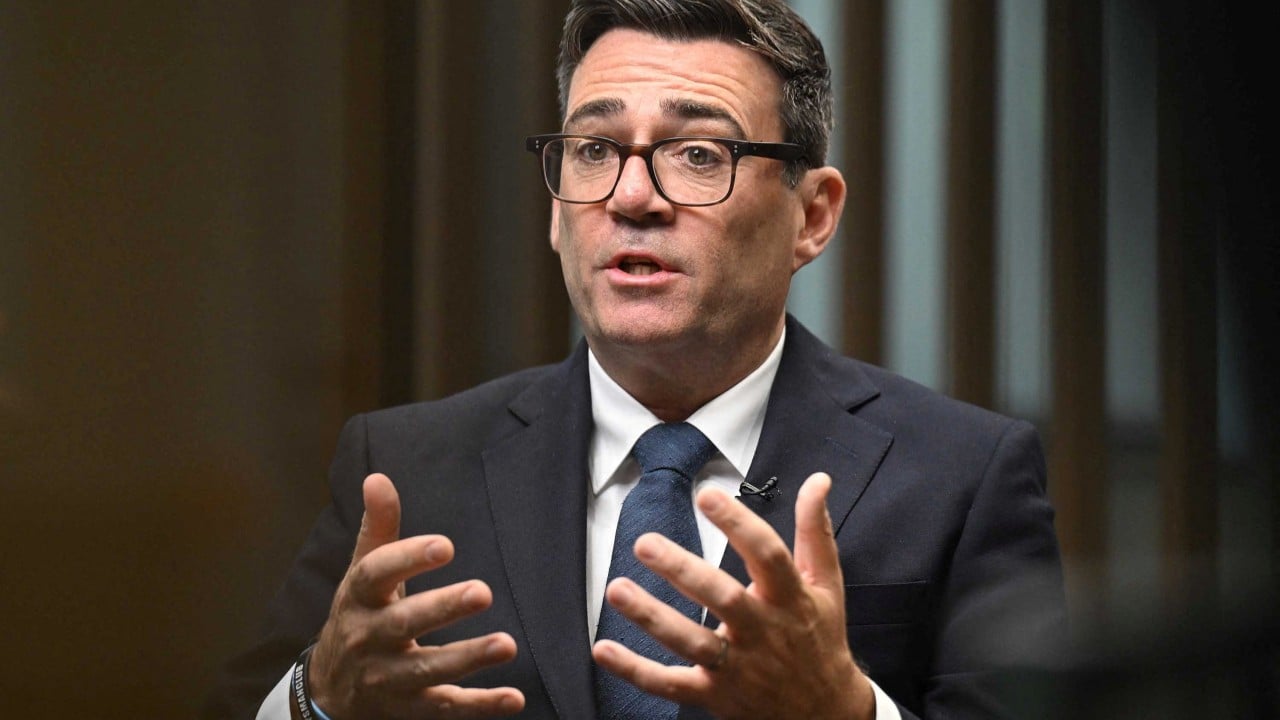
UKs Burnham putting Britain first as he rules out 2029 election Britains new Prime Minister Andy Burnham will always put Britains interests first, he said in an interview when asked whether he was willing to call out US President Donald Trump. Burnhams predecessor Keir Starmer, who announced he was stepping down last month, had a fraught relationship with Trump due to differences over the US-Israeli war on Iran, immigration, energy and tech regulation. While Trump initially described Starmers successor as extremely liberal, he said this week he had...
south china morning post · 2 months ago
🇬🇧 UK PM Burnham begins work in Manchesters Number 10 North British Prime Minister Andy Burnham arrived in Manchester to open his newly created "Number 10 North" office in a flagship move to devolve centralised power in London.
bluesky_AFP English · 2 months ago
Reform UKs bank account was frozen during 2024 election Nigel Farages party faces increased scrutiny of finances ahead of Clacton by-election
financial times · 2 months ago
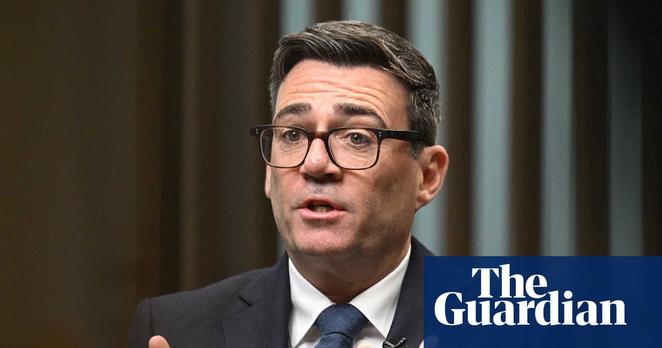
🔴 BREAKINGAndy Burnham becomes UK Prime MinisterAndy Burnham has become the new UK Prime Minister. In his first major broadcast interview, he pledged to defend the national interest and stated he would publicly disagree with US President Donald Trump if necessary. Defence Secretary Wes Streeting echoed this stance on maintaining independent...📰 #Diplomacy #Geopolitics #GeoWire
mastodon bot · 2 months ago
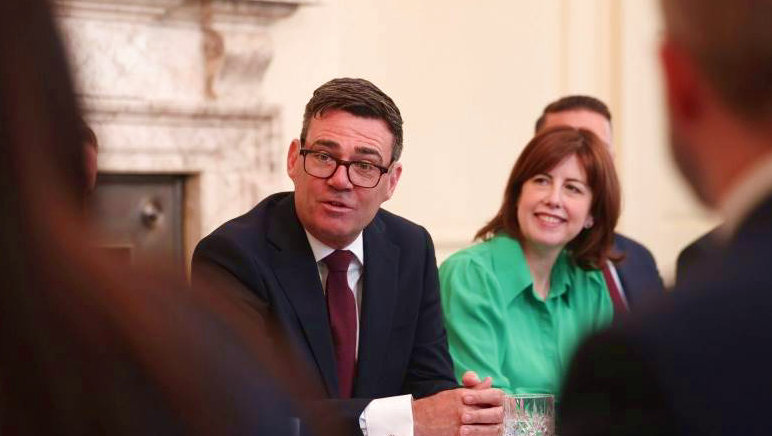
Άντι Μπέρναμ αποκλείει πρόωρες εκλογές πριν το 2029
gdelt bot · 2 months ago
UKs Burnham would call out Trump if in Britains interest, he tells BBC New UK Prime Minister Andy Burnham will always put Britains interests first, he told the BBC when asked in an interview, parts of which were released on Sunday, whether he was willing to call out U.S. President Donald Trump. Burnhams predecessor Keir Starmer, who announced he was stepping down last month, had a fraught relationship […]
cyprus mail · 2 months ago

12h. Combustíveis. PS acusa Governo de lucrar Declarações de José Luís Carneiro esta manhã, Ainda neste jornal, novo primeiro-ministro do Reino Unido afasta a hipótese de eleições antecipadas no país.
observador · 2 months ago
Gibraltar should show Burnham a softer Brexit is the only option The recent deal again illustrates that closer alignment with the EU offers the best of both worlds
financial times · 2 months ago
Noul premier al Marii Britanii susține că este pregătit să-l critice pe Trump dacă este în interesul țării sale Noul premiar al Marii Britanii Andy Burnham afirmă în primul său interviu de când a fost numit în funcție că ar fi dispus să-l contrazică pe președintele SUA Donald Trump pentru a apăra interesul țării sale „înainte de orice altceva.
digi24 · 2 months ago
Politics aint what it used to be There were no tanks in Whitehall, the King is still on his throne and the BBC is not broadcasting putschist propaganda, but there was a successful coup in Downing Street when Keir Starmer was forced toresign and Andy Burnham MP became UK prime minister on Monday. The term a very British coup, is from the […]
cyprus mail · 2 months ago
Burnham: olen valmis Trumpi vastu seisma Andy Burnham ütles oma esimeses suures intervjuus peaministrina BBC-le, et on valmis Donald Trumpile vastu seisma, kui seda nõuavad Suurbritannia riiklikud huvid.
postimees · 2 months ago