
Burnham becomes UK prime minister, names Miliband foreign secretary despite US warnings

Story Timeline
3 months · 12 summary articles
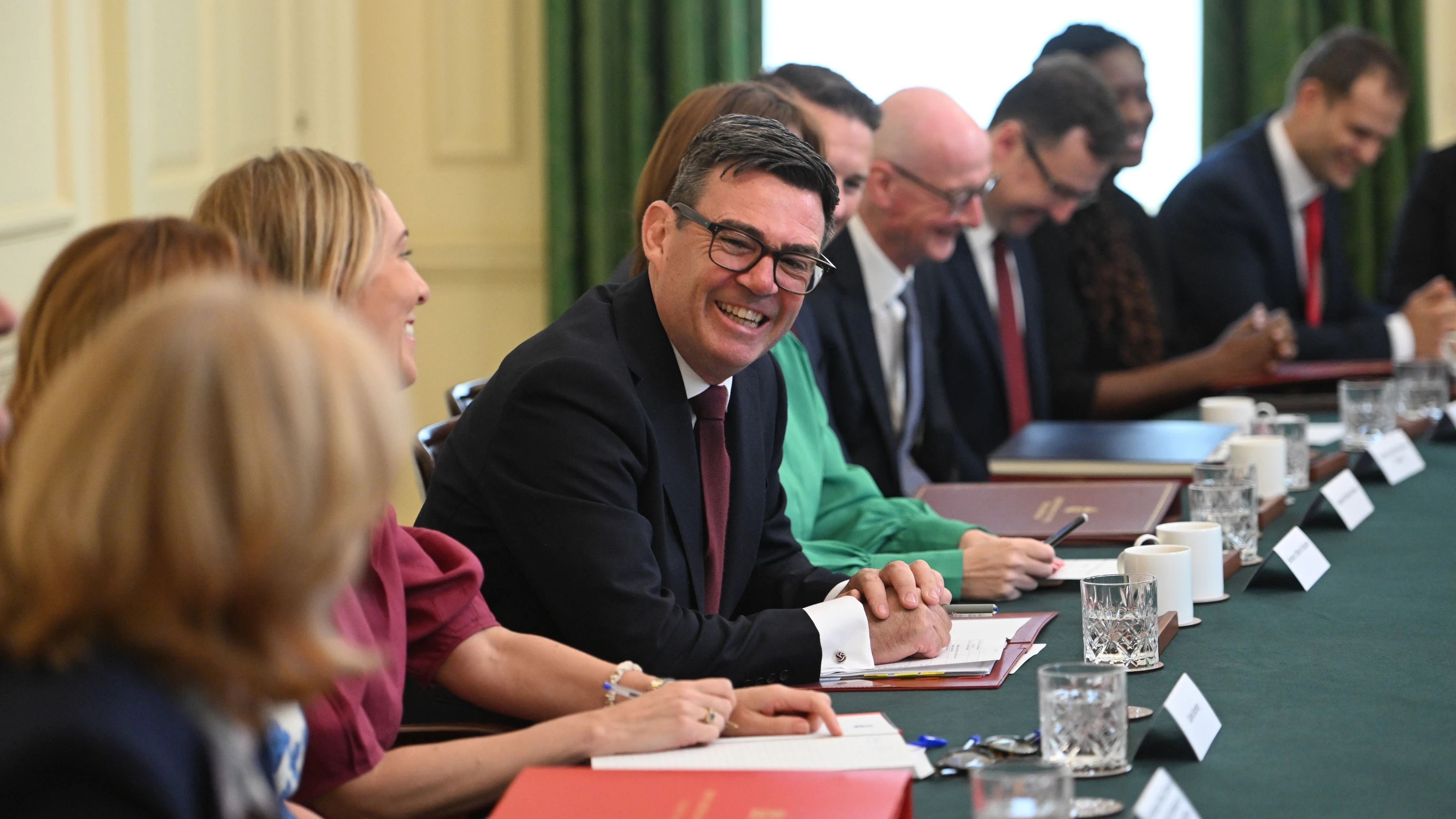
Andy Burnham has become the new Prime Minister of the United Kingdom, succeeding Keir Starmer. On his first full day in office, Burnham has begun forming his cabinet and outlining his initial policy priorities.
Burnham has made several key appointments to his cabinet. Ed Miliband has been named as the new foreign secretary. According to sources cited by The Telegraph, the administration of US President Donald Trump had warned Burnham against appointing Miliband due to his past criticism of Trump and his stance on climate and energy issues. Despite these warnings, Burnham proceeded with the appointment. In his first call as foreign secretary, Miliband spoke with his Ukrainian counterpart, Andrii Sybiha.
Hamish Falconer has been appointed as the new minister for EU relations, replacing Nick Thomas-Symonds. Falconer, the MP for Lincoln, has previously served as a junior Foreign Office minister with responsibility for the Middle East.
Burnham has announced his first policy decision aimed at easing the cost of living crisis. He has pledged to remove the value-added tax (VAT) from domestic electricity bills starting October 1, which is expected to save households around £45 annually on average.
In his first interactions with international leaders, Burnham has spoken with EU Commission President Ursula von der Leyen, German Chancellor Friedrich Merz, and French President Emmanuel Macron. Von der Leyen expressed her desire to strengthen the EU-UK partnership for the security and prosperity of both sides. Merz invited Burnham to visit Berlin soon, highlighting the deep connection between the UK and Germany.
Burnham's stance on the EU has been noted. While he has expressed a personal wish to see Britain rejoin the EU in his lifetime, he has clarified that reversing Brexit is not a priority for his government. During his campaign in the leave-voting constituency of Makerfield, Burnham stated that Britain would be stuck in a permanent rut if it constantly argued about Brexit.
Domestically, Burnham has emphasized the need to address the cost of living crisis and has begun to outline his plans to decentralize government and boost the economy. His cabinet includes a mix of new faces and experienced ministers, with a notable inclusion of more women than men.
Burnham's appointment follows the formal resignation of Keir Starmer, who had previously declared, "My work is done."
Follow us for live European news
- 3
- 3
- 3
- 2
- 2
- 1
- 1
- 1
- 1
- 1
4 further sources not geolocated
Articles
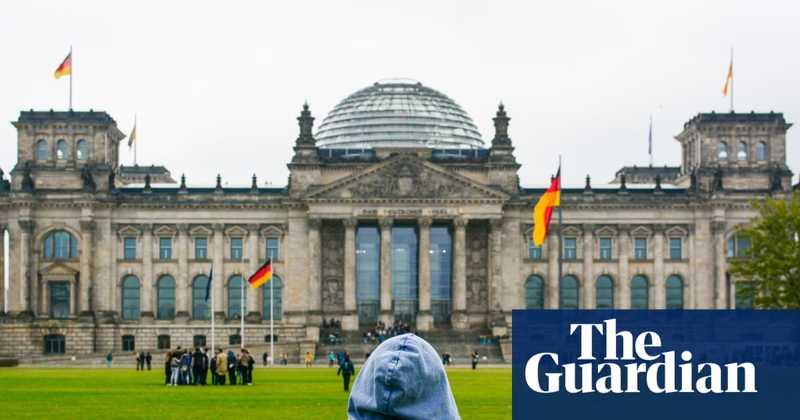
What the EU wants from Andy BurnhamEuropean leaders have made positive noises about the new UK PM, but he is likely to face the same restrictions as Starmer #News #EU #UK #Burnham
mastodon bot · 2 months ago

🇬🇧 Andy Burnham gathered his new cabinet Tuesday as he got down to work on his first full day as Britains prime minister, unveiling an energy tax cut aimed at easing cost-of-living pressures. ➡️ u.afp.com/Srf9
bluesky_AFP English · 2 months ago

🇬🇧 Andy Burnham told the inaugural meeting of his cabinet Tuesday that he would lead a "cost-of-living government", after unveiling an energy tax cut on his first full day as prime minister. ➡️ u.afp.com/Srf9
bluesky_AFP English · 2 months ago

Andy Burnham rejects calls for a Scottish independence referendum
bluesky_The Times · 2 months ago

Britains new PM Andy Burnham has swiftly banished Starmerites from the Cabinet. In their stead, he is forming a top team of key northern allies and ministers who fell out with Starmer. Heres whos up and whos down 👇 🔗 www.politico.eu/article/andy...
bluesky_Politico Europe · 2 months ago

Großbritannien: Neuer Premier Burnham will Mehrwertsteuer auf Stromrechnungen streichen Andy Burnham hat am Montag sein neues Kabinett vorgestellt. John Healey soll etwa künftig das Ressort Finanzen leiten. Der frühere Verteidigungsminister war aus Protest gegen den Kurs des ehemaligen Premiers Keir Starmer zurückgetreten.
handelsblatt · 2 months ago
Andy Burnhams Kabinett: Eine Mischung aus Überraschungen und Kontinuität Mit der Nominierung von John Healey könnte der neue britische Premier einen Coup gelandet haben: Der aus Protest zurückgetretene Verteidigungsminister soll nun den Schatzkanzler geben
der standard · 2 months ago
Burnhams Minister: Die große Rückkehr in die Downing Street Einige ehemalige Minister kehren in Burnhams Kabinett zurück. Der neue britische Premierminister zeigt, dass er die Labourpartei einen will – nur die Vertrauten von Keir Starmer gehören nicht dazu.
faz · 2 months ago
Großbritannien: Das sind Andy Burnhams Problemlöser Der neue Premierminister hat seine Ministerinnen und Minister ernannt, mehr Frauen als Männer, viele aus dem Norden. Die größte Überraschung ist seine Wahl für das Finanzministerium.
sueddeutsche · 2 months ago
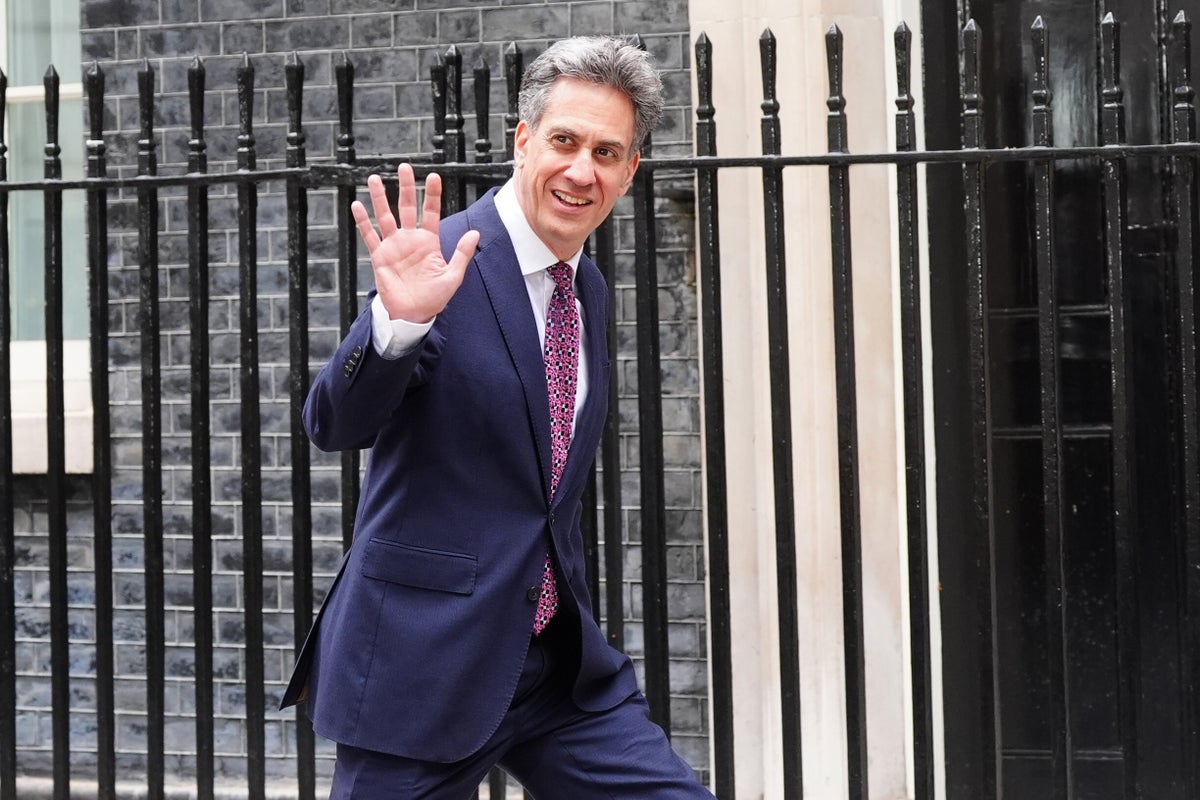
Trump anger at Ed Milibands appointment as foreign secretary Andy Burnham has been warned President Trump will not forget Mr Milibands fierce criticism of him in the past and that he has some serious diplomatic repair to undertake in his new role
independent · 2 months ago
UK to remove 5 tax on electricity bills as Burnham holds first cabinet meeting The UKs new prime minister, Andy Burnham, has held his first cabinet meeting, telling ministers he will set out his plans "over the coming days" and promised to reveal how his government will pay for any reductions in tax.
euronews · 2 months ago
Keir Starmer formally resigns as UK prime minister, Burnham to succeed Keir Starmer has formally resigned as British prime minister after King Charles III accepted his resignation. "My work is done," Starmer said in his final speech outside 10 Downing Street, wishing his successor Andy Burnham "every success."
yenisafak · 2 months ago
Andy Burnham becomes new UK PM after meeting with King Charles Labour leader Andy Burnham has become the new British prime minister after a meeting with King Charles III, who asked him to form a new government. Burnhams appointment follows the formal resignation of Keir Starmer, who earlier declared "My work is done."
yenisafak · 2 months ago
New UK premier reaffirms resolute commitment to Ukraine British Prime Minister Andy Burnham on Monday told Ukrainian President Volodymyr Zelenskyy and European Commission President Ursula von der Leyen of his "resolute commitment" to Ukraine during his first day in office, while also inviting the Ukrainian leader to London at the earliest opportunity.
yenisafak · 2 months ago

What does Andy Burnham taking over as British PM mean for Northern Ireland? The new man in Downing Street will at some point have to address awkward issues such as funding and demands for a referendum
irish times · 2 months ago
Wat wil premier Burnham voor elkaar krijgen in het Verenigd Koninkrijk? Met een verlaging van de energiebelasting, mogelijk goedkopere buskaartjes en plannen om buitenslapen aan te pakken, begon Andy Burnham zijn regeerperiode als premier van het VK. In zijn regeringsploeg zitten meer vrouwen dan mannen.
nrc · 2 months ago
Burnham plant EU-UK-Gipfel mit von der Leyen - um welche Themen es geht [premium] Annäherung zwischen dem Vereinigten Königreich und der EU? Der neue Premierminister Burnham und EU-Kommissionspräsidentin von der Leyen planen noch in diesem Jahr einen gemeinsamen Gipfel.
die presse · 2 months ago
Burnham ködert Briten mit billigerem Strom [premium] Der neue Premier Andy Burnham stellt sein Regierungsteam neu auf und sorgt dabei für Überrschungen. Und er plant eine Reihe rascher Maßnahmen.
die presse · 2 months ago
Debate: Can Burnham rise to the challenge? On Monday, Andy Burnham, the UKs new Prime Minister, made his inaugural speech outside 10 Downing Street in London. He announced plans for radical changes to the economic and political system, with decentralising government, reducing the cost of living, boosting the economy and easing the burden on the social welfare system as key goals. The press reacts with hope and scepticism.
eurotopics.net · 2 months ago
A lot of aspirations, a lot of priorities, but already criticism for new UK government The UK has a new prime minister and a new government that seem eager to get started on its promise to change the path the country is on. Ahead of a first cabinet meeting, a cut in the VAT on energy bills has been announced, as cost of living as come out as one of the governments main priorities. But the announcement is already being criticised. FRANCE 24s Benedicte Paviot tells us more.
france24 · 2 months ago
What the UKs new government says about the countrys political turn Andy Burnham gathered his new cabinet on July 21 as he got down to work on his first full day as Britains prime minister. This comes after he unveiled an energy tax cut aimed at easing cost-of-living pressures. The new government gathers many fresh faces as Burnham ousted most of Starmers supporters, signalling a new left-ward direction for the government. FRANCE 24s Rochelle Ferguson-Bouyahi tells us more.
france24 · 2 months ago
Weve got to be prepared to reprioritise: UKs PM holds first cabinet meeting Andy Burnham told the inaugural meeting of his cabinet on July 21 that he would lead a "cost-of-living government", after unveiling an energy tax cut on his first full day as prime minister. At the same time, Burnham called for fiscal discipline, just as critics are doubting the VAT cut can be funded by the scrapping of former prime minister Keir Starmers digital ID scheme. FRANCE 24s Rochelle Ferguson-Bouyahi takes a look.
france24 · 2 months ago
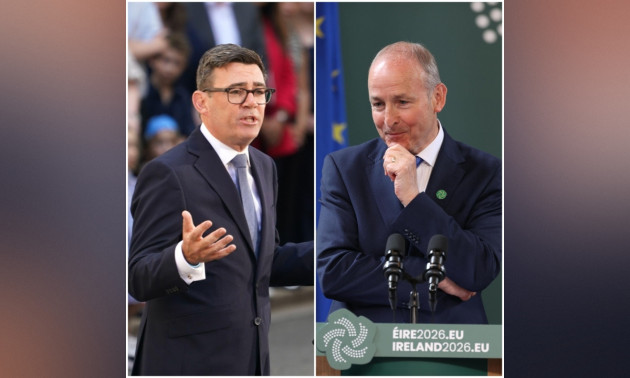
Taoiseach and new British PM Andy Burnham discuss the North and Ukraine during first phone call Martin described the discussion as very good and said they talked about the positive relationship between Ireland and the UK.
thejournal · 2 months ago

Britain is an absolute mess having replaced one village idiot with another while Andy Burnham yearns for 1970s lost paradise: Foreign media reacts to UKs new PM The worlds media has delivered a mixed reaction to Andy Burnhams rise to high office - with some attacking his nostalgia for the 1970s and others admitting they have no idea who his is.
dailymail · 2 months ago
Burnham backs away from costly increase to income tax allowance New prime minister had explored raising £12,570 personal allowance before taking office on Monday
financial times · 2 months ago
Andy Burnhams cabinet: whos in, whos out? Plus: policy announcements and how to fund them
financial times · 2 months ago
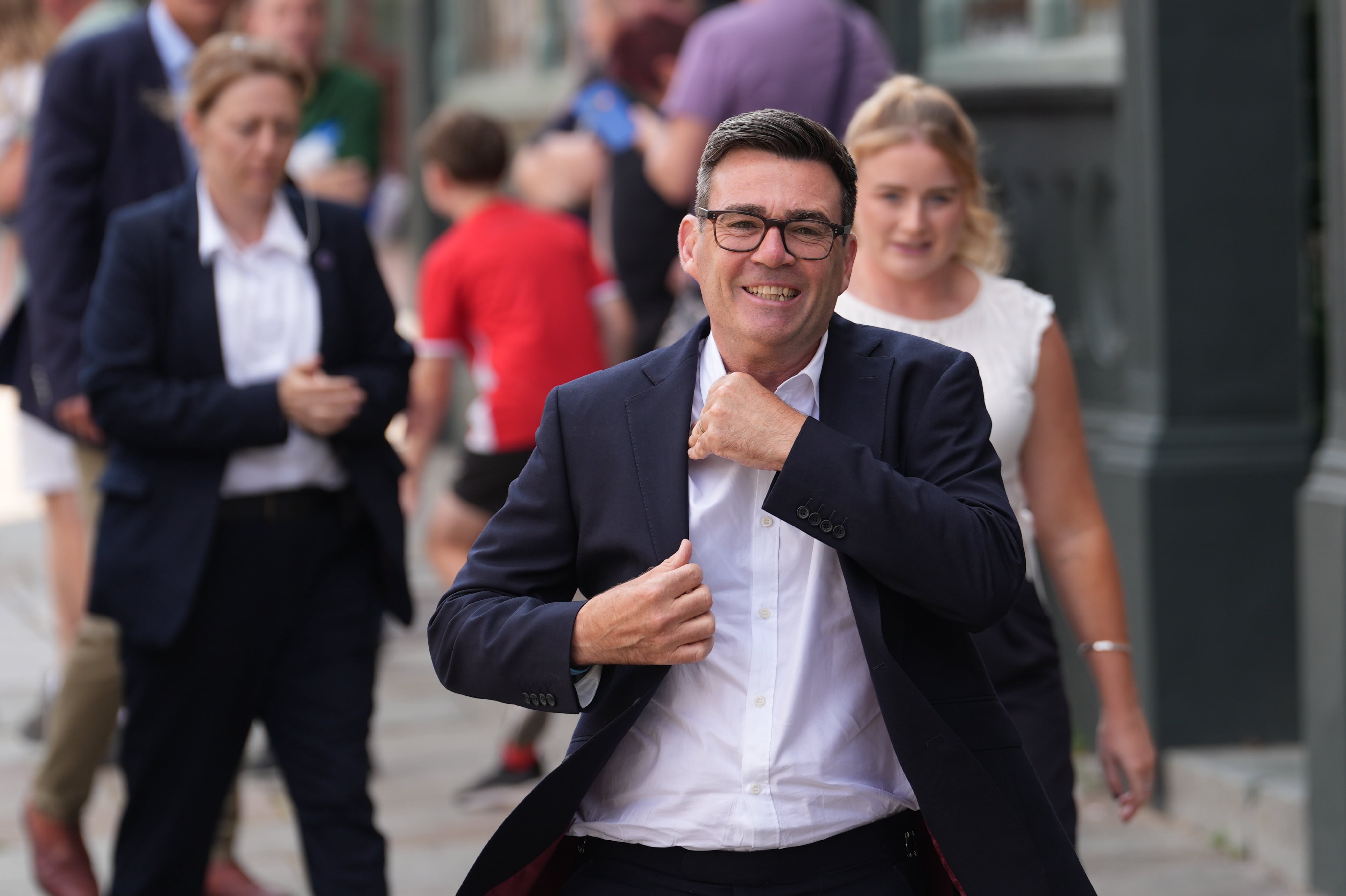
Burnham inherits a relationship with the EU hampered by Brexit and friction with Trump The new British prime minister wants to prioritize domestic policy over foreign affairs
elpais · 2 months ago

Burnham, UKs New Prime Minister, Starts With Electricity Tax Cut Prime Minister Andy Burnham moved quickly to confront the high cost of living. And President Trump wished him well after a phone call between the two leaders.
new york times · 2 months ago

In tonights London Playbook PM: 🏠 Andy Burnham is promising more cost of living announcements ✈️ Ed Miliband is on a 16-hour (commercial) flight to Manila. ❗ SCOOP: Starmerites are considering forming their own Commons faction. Dig in 👇
bluesky_Politico Europe · 2 months ago

The key challenges Andy Burnham faces as united kingdom prime minister
gdelt bot · 2 months ago