
Egypt uncovers Byzantine-era city and 18 intact tombs in desert and near Alexandria

Egypt uncovers two major archaeological discoveries: 2,000-year-old intact tombs and a Byzantine-era city
Archaeologists in Egypt have uncovered two major discoveries that offer fresh insight into the country’s ancient past: a remarkably preserved Byzantine-era city in the western desert and 18 intact tombs dating back nearly 2,300 years near Alexandria.
The finds were announced on Friday and Saturday by Egypt’s Ministry of Tourism and Antiquities, marking a significant addition to the country’s archaeological record. In Marina El-Alamein, about 100 kilometres west of Alexandria, researchers discovered 18 tombs, including a sealed granite sarcophagus measuring 2.5 metres in length whose lid had remained intact for nearly two millennia. Inside, archaeologists found human remains, pottery, amphorae, and 24 gold objects placed in the mouths of the deceased—a funerary practice linked to beliefs about the afterlife. The site is believed to be the ancient port city of Leukaspis, which flourished between the Hellenistic and Byzantine periods.
“Some of the tombs were still sealed with their original stone slabs in multiple chambers,” the ministry stated. “The granite sarcophagus, with its lid still in place, had not been opened for almost 2,000 years.” The discovery brings the total number of known tombs at Marina El-Alamein to 44 since the site was first identified during construction work in 1986.
In a separate excavation in the Dakhla Oasis, part of Egypt’s Western Desert, archaeologists uncovered the remains of a Byzantine-era settlement dating to the 4th century. The city, located in the Ain al-Sabil archaeological complex, was built from mud bricks and featured a planned street grid, public squares, houses, a basilica-like church, and defensive structures. Among the finds were approximately 200 inscribed ostraca—pottery shards with texts in Coptic and Greek—detailing daily life, trade, and correspondence. Bronze and gold coins from the reign of Roman Emperor Constantius II (337–361) were also recovered, along with bread ovens, kitchens, and tools.
Diaa Zahran, head of the ministry’s department for Islamic, Coptic, and Jewish antiquities, described the city as “a unique window into everyday life in Byzantine Egypt.” The settlement’s layout, with north–south main streets intersected by east–west thoroughfares, suggests a well-organised urban centre. A fortified building with thick walls, two watchtowers, and a mid-4th-century basilica overlooking the main road further underscores the city’s strategic and religious significance.
Hisham El-Leithy, secretary-general of the Supreme Council of Antiquities, noted that the discoveries highlight Egypt’s role as a crossroads of cultures during the Byzantine period. “The finds reveal details about urban development, economic activities, and daily life in a region that was part of the Byzantine Empire,” he said.
The Dakhla Oasis site has already been included on UNESCO’s tentative list of World Heritage Sites, a preliminary step toward full recognition. The ministry emphasised that the discoveries not only advance scientific understanding but also hold potential for tourism, a sector that has faced challenges amid years of political and economic instability.
Archaeologist Mahmoud Massoud, who led the excavation in Dakhla, added that the city’s defensive features and religious architecture reflect a community adapting to the harsh desert environment. “The presence of a basilica and inscriptions in Greek and Coptic points to a diverse and organised society,” he said.
The finds come as Egypt seeks to revitalise its cultural heritage sector, positioning these discoveries as key attractions for historians and tourists alike. With further analysis of the gold objects, coins, and inscribed pottery expected to yield additional insights, the discoveries underscore Egypt’s enduring role as a cradle of civilisation.
Follow us for live European news
- 3
- 2
- 2
- 1
- 1
- 1
- 1
- 1
- 1
- 1
- 1
- 1
- 1
2 further sources not geolocated
Articles

Nagy, rejtélyes ezüstgömbök sodródtak partra Ausztrália partjainál Egyelőre vizsgálják, honnan és miből is származhat a titokzatos ezüstgolyó.
444.hu · about 4 hours ago
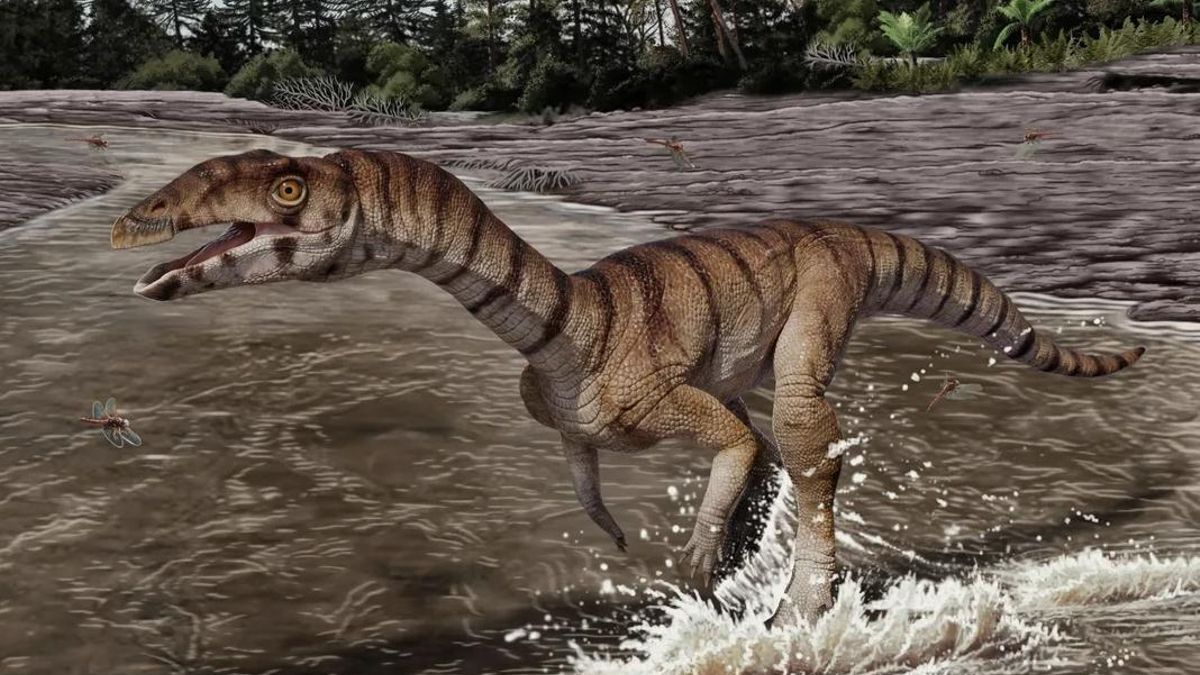
¿Se parecían todos los antiguos cocodrilos a los actuales? Un hallazgo asegura que uno caminaba erguido y tenía brazos diminutos Fósiles - Las características del paisaje, la presencia de otros reptiles y los recursos disponibles marcaron la alimentación, los desplazamientos y las opciones de supervivencia de aquellos animalesUn fósil mal etiquetado pasó más de 50 años en un cajón y resultó ser un tigre dientes de sable desconocido El cuerpo pegado al suelo obliga a avanzar despacio, con las patas abiertas y el peso repartido en cada paso. Ese movimiento bajo y arrastrado define a los cocodrilos actuales, que recorren la orilla con la panza casi tocando la tierra y dejan una silueta inconfundible en cuanto empiezan a desplazarse. La forma en que se mueven no es un detalle menor, porque condiciona cómo cazan, cómo se acercan a una presa y cómo pasan desapercibidos en entornos húmedos. Labrujasuchus expectatus se desplazaba erguido con un pico en lugar de dientes Ese modelo tan marcado contrasta con lo que ha salido a la luz en un estudio publicado en el Journal of Vertebrate Paleontology, donde un equipo de paleontólogos describe a Labrujasuchus expectatus, un pariente lejano de los cocodrilos que caminaba erguido sobre dos patas hace unos 212 millones de años en lo que hoy es Nuevo México. El hallazgo, recogido por Mongabay, sitúa a este animal dentro de un grupo que siguió un camino muy distinto al de los reptiles actuales. El aspecto de este reptil rompe con la imagen habitual ya que no tenía dientes, sino un pico, sus brazos eran pequeños y su cuerpo se aguantaba sobre las patas traseras, lo que lo acercaba más a la silueta de ciertos dinosaurios que a la de un cocodrilo moderno. Esa forma de moverse lo colocaba en una posición elevada, con una visión más amplia de lo que ocurría a su alrededor. El nombre del reptil recordó la historia del lugar del hallazgo Esa postura no apareció por casualidad. Nathan Smith, paleontólogo y director del Dinosaur Institute del Museo de Historia Natural de Los Ángeles, apunta que desplazarse sobre dos patas podía ofrecer ventajas claras, como moverse más rápido o detectar antes a presas y depredadores. También dejaba las extremidades delanteras libres para otras funciones, lo que abría nuevas posibilidades en su comportamiento. Los investigadores hallaron los fósiles en Hayden Quarry durante el Triásico tardío Los restos de este animal aparecieron en el yacimiento de Hayden Quarry, dentro de Ghost Ranch, una zona conocida por la conservación de fósiles. Allí, los investigadores encontraron huesos de patas, brazos y partes de la columna en sedimentos del Triásico tardío, una época en la que muchas especies exploraban formas distintas de ocupar su entorno. El nombre elegido tiene su propia historia. Labrujasuchus hace referencia a Ranchos de los Brujos, un antiguo nombre español del lugar donde se encontraron los restos, unido a una palabra griega que significa cocodrilo. El término expectatus juega con la idea de que este tipo de fósiles ya se esperaban en la zona, en contraste con otro hallazgo anterior que sorprendió a los investigadores. Alan Turner indicó que este animal compartía parentesco lejano con los cocodrilos actuales Ese juego de nombres enlaza con una etapa en la que cada nuevo fósil cambia lo que se sabe sobre estos animales. El propio Smith recuerda que encontrar especies intermedias ayuda a completar un puzzle que llevaba tiempo abierto, porque ya se conocían ejemplares más antiguos y más recientes en la misma región. Alan Turner, paleontólogo en Stony Brook University, sitúa a este reptil en una rama lateral del árbol evolutivo. No era antepasado directo de los cocodrilos actuales, sino un pariente lejano que se separó hace cientos de millones de años. Según Turner, el Triásico fue un periodo en el que muchas formas de vida probaron soluciones distintas, y este tipo de locomoción fue una de ellas. El descubrimiento también encaja con otras piezas que han ido apareciendo en el mismo entorno. En Ghost Ranch se han identificado otros reptiles relacionados, algunos de gran tamaño y con mandíbulas potentes, lo que ayuda a reconstruir cómo se repartían los papeles dentro de ese ecosistema. El paisaje antiguo condicionó la alimentación y la supervivencia del reptil La zona donde vivió este animal poco tiene que ver con el paisaje actual. Hace más de 200 millones de años era una llanura amplia, con cambios estacionales en las lluvias y variaciones en la vegetación. Smith explica que el registro fósil muestra incluso señales de incendios frecuentes, lo que indica un entorno cambiante al que los animales tenían que adaptarse. En ese escenario, la dieta de Labrujasuchus expectatus sigue abierta. Algunos estudios sobre especies cercanas apuntan a que podían alimentarse tanto de plantas como de otros animales. Smith recuerda que tener pico no excluye una dieta carnívora, y considera probable que este reptil al menos aprovechara ambos recursos. Tampoco estaba a salvo de otros depredadores. En su entorno vivían fitosaurios de hocico alargado y otros reptiles de gran tamaño como el Vivaron, que podían cazar animales de este tipo. Esa presión externa ayudaba a definir cómo se movían, dónde se alimentaban y qué oportunidades tenían de sobrevivir en un entorno que cambiaba con frecuencia.
eldiario.es · about 4 hours ago
Mister vechi de 500 de ani, rezolvat cu ajutorul ADN-ului. Cum au murit, de fapt, doi frați din familia Medici O analiză a ADN-ului antic efectuată pe oasele a doi membri ai familiei Medici din perioada Renașterii a confirmat că aceștia sufereau de malarie în momentul morții, scrie Live Science.
digi24 · about 4 hours ago
Syria begins restoration of historic Omari Mosque after ICESCO listing Syrian authorities have launched restoration of the Omari Mosque in Daraa after its inclusion on the ICESCO heritage list. The 7th-century mosque, one of the oldest Islamic landmarks in the Levant, sustained extensive damage during the civil war. The designation opens the way for international cooperation.
yenisafak · about 4 hours ago
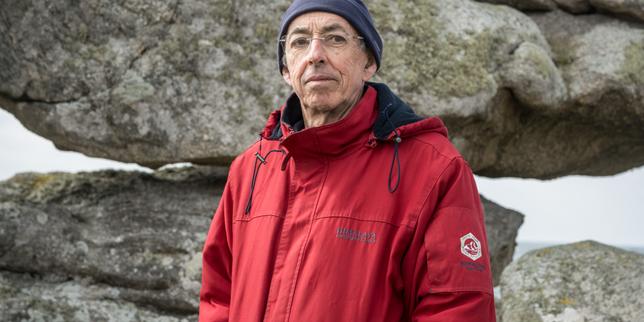
Yves Fouquet, lenfant de lîle de Sein devenu géologue des fonds marins Le chercheur, retraité depuis 2022, a consacré sa vie à létude de son île et de ses environs. Il en a cartographié les reliefs et les roches et y a découvert, sous 9 mètres deau, un mur géant de 120 mètres.
le monde · about 5 hours ago
Ägyptische Archäologen finden 2000 Jahre alte Gräber Auch die Überreste einer byzantinischen Stadt aus dem 4. Jahrhundert wurden in der Wüste freigelegt.
die presse · about 5 hours ago
The Ancient Greek Secret to Attaining Super Memory Science has shown that anyone can attain a super memory with the ability to retain a vast amount of information for a long time by using an ancient Greek and Roman technique called memory palace. After forty days of daily forty-minute training with the memory-improving technique, it was proven that a person with average storage […]
greek reporter · about 5 hours ago
Archeologen vinden het gewone leven in Byzantijns Egypte In de Egyptische Sahara troffen archeologen een stad aan uit de Byzantijnse tijd, de vierde eeuw na Christus. In de huizen en religieuze gebouwen vonden ze ovens, munten en andere details die inzicht geven in het gewone leven in die tijd.
nrc · about 5 hours ago
How Books Falsely Attributed to Greek Philosopher Aristotle Shaped Western Thought For many centuries, Aristotle was regarded as one of the highest intellectual authorities in philosophy, science, politics, and ethics, and his influence was later extended and reshaped through Pseudo-Aristotle writings attributed to him. His writings shaped Western thought across the ancient, medieval, and early modern worlds, though not all works circulating under his name were […]
greek reporter · about 5 hours ago
Royaume-Uni: une découverte archéologique inattendue sur le site de Stonehenge Cest lun des paysages les plus connus dAngleterre. Le cercle de pierres de Stonehenge, dans le sud-est du pays, érigé à la préhistoire, entre 3000 et 1000 avant J.-C. Aux solstices dhiver et dété, les pierres salignent avec le soleil. La construction de Stonehenge, son utilité restent assez mystérieuses.
rfi.fr · about 5 hours ago
Arheologi v zahodni egiptovski puščavi odkrili starodavno bizantinsko mesto Arheologi so v zahodni egiptovski puščavi odkrili dobro ohranjeno mesto iz bizantinskega obdobja. Mestna četrt iz 4. stoletja je vključevala stanovanjske in verske stavbe, med njimi cerkev v oazi Dakhla.
rtv slovenia · about 5 hours ago
"Vikinška doba ni bila (zgolj) barbarsko obdobje": odkrili 1000 let staro tekstilno delavnico Izkopavanja v bližini Aarhusa na Danskem bi lahko temeljito spremenila naše razumevanje vikinške dobe. Arheologi so namreč odkrili 82 v zemljo vkopanih stavb, ki so služile kot specializirane tekstilne delavnice. Ob tem so našli tudi kovance iz Azije.
rtv slovenia · about 5 hours ago
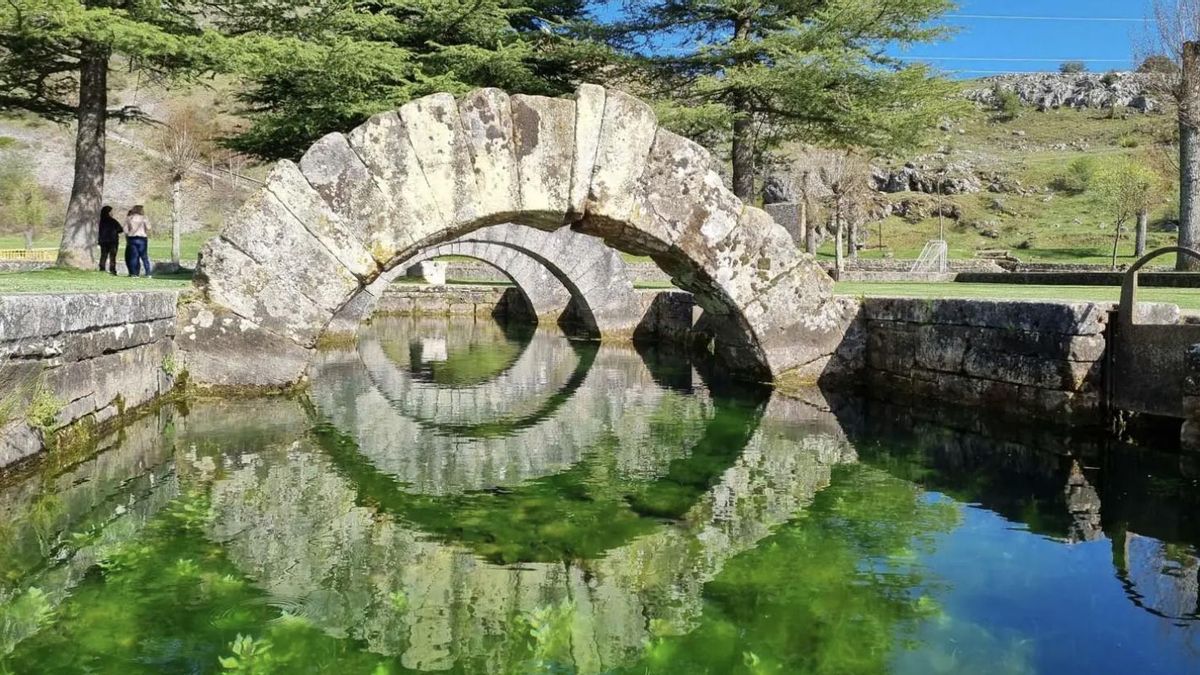
Declarada Bien de Interés Cultural, esta histórica y misteriosa fuente palentina se vacía y se llena sola Se trata de un estanque rectangular de sillería que mide 21 metros de largo por 3 de ancho sobre el que se asientan tres arcos de piedraCon 50 metros de altura y 300 de anchura, es considerada la cascada más grande de todo el Sudeste AsiáticoCon nombre de emperador, es considerado uno de los glaciares de más rápido movimiento del mundo y está en Nueva Zelanda En el municipio de Velilla del Río Carrión se oculta un enigma que ha desafiado a la lógica durante milenios. Se trata de la Fuente de la Reana, conocida históricamente como las Fuentes Tamáricas, un manantial que posee la asombrosa capacidad de llenarse y vaciarse de forma intermitente y caprichosa. Este fenómeno ocurre sin previo aviso y sin seguir un patrón estacional claro, dejando el estanque completamente seco o rebosante de agua en cuestión de instantes. Los habitantes de la localidad han convivido con este capricho de la naturaleza que convierte al recinto en un punto de interés turístico y científico fundamental en la región. La quietud del parque que la rodea contrasta con la agitación que genera su comportamiento errático, que sigue asombrando a todo aquel que se acerca a sus orillas. Es una joya que une el pasado remoto con el presente más curioso de la localidad palentina. La historia de este manantial se remonta a más de dos mil años, cuando los pueblos cántabros ya veneraban estas aguas en la antigua región Tamárica. Fue el ilustre naturalista y militar romano Plinio el Viejo quien, en el siglo I, dejó constancia escrita de este lugar en su obra enciclopédica Historia Natural. En sus textos, Plinio describió tres fuentes que se unían en un solo lecho, destacando que podían permanecer secas durante periodos de 12 a 20 días sin explicación. Durante siglos, estas crónicas sirvieron de guía para diversos investigadores que buscaron incansablemente la ubicación exacta del manantial por toda la geografía del norte de España. No fue hasta el año 1768 cuando el historiador Enrique Flórez logró situarlas definitivamente en su localización actual en Velilla. Su hallazgo permitió rescatar del olvido un enclave sagrado que hoy es orgullo de toda la provincia de Palencia. En la actualidad, las Fuentes Tamáricas son parte de un entorno ideal donde se funden la naturaleza y el patrimonio Más allá de su valor geológico, la fuente arrastra una leyenda negra que ha alimentado el misticismo del lugar desde la época del Imperio Romano. Según los escritos de Plinio, encontrarse la fuente seca en la primera visita es un presagio de muerte inminente para el viajero incauto. Para documentar esta superstición, el autor relató el destino de su amigo Larcio Licinio, quien visitó el lugar con curiosidad y halló el lecho sin agua. La maldición se cumplió apenas siete días después, cuando Licinio falleció de forma repentina tras haber ignorado las advertencias locales. Hoy en día, una losa a la entrada del conjunto recuerda a los visitantes esta inquietante tradición que dota al sitio de un aura sobrenatural. La estructura física del monumento es un estanque rectangular de sillería que mide aproximadamente 21 metros de largo por 3 de ancho. Sobre este estanque se asientan tres arcos de piedra, de los cuales solo uno es el original de la época romana, construido sin argamasa. Los otros dos arcos son reconstrucciones que buscan recuperar la imagen que el conjunto debió tener en su máximo esplendor. En la cabecera de la fuente se conserva un ara romana dedicada posiblemente a la ninfa protectora de las aguas sagradas. De su inscripción original apenas se distingue una letra ese, testimonio mudo de los rituales que se celebraban en este enclave hace milenios. La sobriedad de las piedras unidas sin cemento habla de la gran maestría técnica de sus antiguos constructores romanos. El reconocimiento oficial de la importancia de la Reana llegó en 1961, cuando fue declarada Monumento Histórico provincial por el Ministerio de Educación Nacional. Años más tarde, en 2002, la Junta de Castilla y León elevó su estatus al declararla Bien de Interés Cultural en la categoría de Monumento. Estos títulos subrayan el valor no solo arqueológico, sino también social y cultural de un espacio que ha sido centro de reunión durante generaciones. Las excavaciones realizadas por Antonio García y Bellido en los años sesenta ayudaron a consolidar el conocimiento sobre su origen y estructura. Sin embargo, a pesar de los esfuerzos institucionales, la procedencia exacta de sus aguas sigue siendo un tema de debate constante. Desde un punto de vista científico, la Reana se clasifica como una fuente de tipo bauclusiano, característica común en terrenos de naturaleza kárstica y caliza. Se cree que el agua proviene de un depósito subterráneo situado a mayor altura, el cual funciona mediante un complejo sistema de sifones naturales. Cuando el depósito alcanza cierto nivel por lluvias o deshielo, el sifón se ceba y el agua surge con fuerza hacia el exterior. Rumor antes del llenado Uno de los detalles más impactantes para los testigos es el rumor subterráneo, descrito como un bronco rugir, que precede al llenado. Este sonido, similar al de un fuerte viento o huracán, cesa abruptamente en el momento exacto en que el líquido empieza a brotar. Es un espectáculo sonoro y visual que desafía cualquier explicación simple y lógica de la hidrología. La espiritualidad del lugar también evolucionó con el tiempo, pasando de los ritos paganos de los cántabros a la fe cristiana durante la Edad Media. Al amparo del manantial se construyó a finales del siglo XII o principios del XIII la ermita de San Juan de Fuentes Divinas. Esta edificación buscaba cristianizar el entorno y borrar la influencia de los antiguos cultos a las deidades del agua que se practicaban allí. En su interior se conserva una talla policromada de San Juan Bautista y un ara romana que demuestra la continuidad religiosa del espacio. En la actualidad, el Parque de las Fuentes Tamáricas ofrece un entorno ideal donde la naturaleza y el patrimonio se funden en una experiencia inolvidable. Los visitantes pueden disfrutar de zonas verdes y juegos mientras esperan a que el misterioso manantial decida, una vez más, regalarles su presencia. El enigma de sus ciclos irregulares permanece intacto, ya que ningún estudio moderno ha logrado predecir con exactitud cuándo se vaciará o se llenará. Esta incertidumbre es precisamente lo que mantiene viva la llama de la curiosidad en los viajeros que llegan a Velilla del Río Carrión, que presencian una de las joyas más enigmáticas y espectaculares de toda la península.
eldiario.es · about 5 hours ago
Östromersk stad framgrävd i Egypten En gömd bysantinsk – östromersk – stad från 300-talet har grävts fram i Dakhlaoasen i Egypten.Arkeologer beskriver upptäckten som en nyckel för att förstå dåtidens vardagsliv.
svenska dagbladet · about 5 hours ago
Rhapsodes: The Human Libraries of Ancient Greece Consider how weve managed to gather so much knowledge about ancient times—long before books, printing presses, or permanent recordkeeping existed—and its truly remarkable. The Ancient Greeks had a system that has been relatively forgotten but was absolutely mind-blowing. In Ancient Greece, performers known as rhapsodes basically memorized entire epic poems—and these werent just fragments or […]
greek reporter · about 5 hours ago
Τέσσερα μαύρα «αυγά» σε βάθος 6.200 μέτρων στον Ειρηνικό έκρυβαν ένα πλάσμα που δεν είχε ξαναδεί η επιστήμη
protothema · about 5 hours ago
Vestigiile unui oraş bizantin şi morminte sigilate timp de 2.000 de ani. Noi descoperiri uimitoare ale arheologilor în Egipt Arheologii egipteni au descoperit o serie de morminte cu o vechime de aproape 2.000 de ani pe coasta mediteraneană, precum şi rămăşiţele unui oraş din epoca bizantină în Deşertul de Vest, a anunţat Ministerul Turismului şi Antichităţilor din Egipt, citat de AFP. La Marina El-Alamein, la aproximativ 100 de kilometri vest de Alexandria, săpăturile recente …
hotnews.ro · about 5 hours ago
«La préhistoire est un sujet détude scientifique sérieux, mais aussi un espace du rêve» Des «hommes des cavernes» des vieux livres pour enfants aux héros de «Silex And The City», la représentation de nos lointains ancêtres reflète toujours nos préoccupations contemporaines, analysent les préhistoriens Catherine Schwab et Jean-Jacques Hublin, commissaires dune exposition sur le sujet.
liberation · about 5 hours ago
🇪🇬👁 - Egypt has announced 2 major archaeological discoveries. In the western desert, archaeologists uncovered a remarkably well-preserved Byzantine-era city. Near Alexandria, they also found 18 ancient tombs and artifacts dating back 2,300 years.
telegram_GeoPWatch · about 5 hours ago
Vyloženě jsme to leštili. V keltském skanzenu v Nasavrkách vyrostl dům bohatého kameníka Členové spolku Boii, kteří provozují keltský archeoskanzen v Nasavrkách, přidali do areálu novou budovu. Postavili zde dům bohatého řemeslníka, konkrétně kameníka. Stavěl se pomocí tradičních řemeslných metod a využilo se na něj několik tun dřeva. „Nekupujeme žádné prvotřídní dřevo, ale čekáme na dřevo, které je napadené nebo vysušené, které pak vyžaduje hodně opracování, říká pro Český rozhlas Pardubice stavitel domu Jan Klouda.
irozhlas.cz · about 5 hours ago
Ancient Indian gold rings unearthed in Thailand Thai archaeologists have discovered two ancient Indian gold rings, estimated to be 1,900‑2,100 years old, at the Don Yai Thong site in Phetchaburi province. One ring bears an inscription in ancient Brahmi script, believed to be linked to a merchant caste, and both are now housed in a Ratchaburi museum.
yenisafak · about 5 hours ago

Fast 2000 Jahre verschlossen – Archäologen entdecken intakte Gräber in Ägypten An Ägyptens Mittelmeerküste stoßen Archäologen auf nahezu unberührte Gräber. Ein versiegelter Sarkophag und goldene Beigaben werfen neue Fragen auf. Was man bislang über die Funde weiß.
welt.de · about 5 hours ago
Does King Priam of Troy Appear in Hittite Records? Ever since archaeologists started digging up ancient Hittite records, researchers have endeavored to link them to the legend of the Trojan War from Greek mythology. Many of these records mention prominent individuals by name. According to some researchers, King Priam of Troy actually appears in these Hittite sources. What do the facts really show? Who […]
greek reporter · about 5 hours ago

Spectacular find: 1,000-year-old Viking textile workshop unearthed An excavation near Aarhus in Denmark may fundamentally alter how we see the Viking Age: 82 pit houses identified as specialised textile workshops have been uncovered.
euronews · about 5 hours ago

Arqueólogos descobrem novas gravuras no Vale do Côa Os arqueólogos descobriram duas novas gravuras completas e algumas que ainda é preciso estudar, elevando para 40 o número de gravações na chamada "Rocha 9" do Sítio do Fariseu, a qual tem cerca de 10 metros de comprimento
observador · about 5 hours ago