
Indian court to rule on AI surveillance at youth protests as activists challenge Modi government
Story Timeline
4 days · 2 summary articles
Indian court to rule on AI surveillance at youth protests as activists challenge Modi government
India's student-led "cockroach" protests enter fourth day demanding education minister's resignation
Continuation
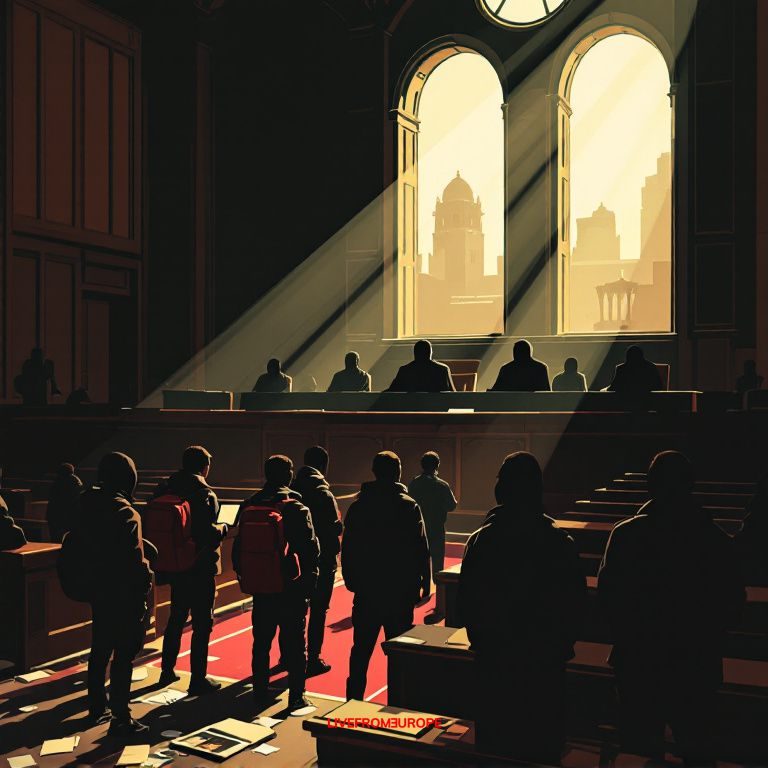
Indian activists are challenging Prime Minister Narendra Modi's government over the use of AI-powered surveillance at the largest youth protest in decades, with a court case set to become a test of federal powers even after the agitation ended.
The demonstrations were triggered by examination paper leaks affecting millions of students across India. Public frustration grew as protesters demanded stronger accountability and reforms to the country’s examination system. The movement later expanded beyond education issues, with activists raising concerns about digital privacy, surveillance practices, and civil rights.
The Modi government has defended the security arrangements, saying surveillance measures were introduced to maintain public order during large gatherings. The challenge comes as authorities continue implementing reforms following weeks of student-led protests.
The protests have led to significant political developments. The education minister resigned following the protests, and Prime Minister Modi promised strict action against those responsible for the examination paper leaks.
There was also an incident where a police officer in Bihar state was suspended for firing live ammunition into the air to disperse protesters. The opposition has criticized the government's handling of the protests, with Mallikarjun Kharge, the leader of the opposition Congress party, calling it "one of the most serious attacks on democracy in our history."
The legal challenge questions the government’s use of surveillance technology around protest sites in New Delhi. Activists argue that monitoring peaceful demonstrators could discourage citizens from exercising their constitutional right to assemble. The outcome of the court case could influence how surveillance technologies are used during future public demonstrations.
The protests were led by the youth, specifically the "Cockroach Party" (CJP), which is a student group that named themselves after a comment by a Supreme Court judge who called unemployed youth "parasites" and "cockroaches."
The surveillance challenge has added a new legal dimension to India’s youth protest movement. The courts are expected to examine whether surveillance measures complied with constitutional protections while allowing authorities to maintain law and order. Meanwhile, youth groups have indicated they will continue campaigning for education reforms and greater government accountability.
The dispute has intensified discussion about India's civil liberties and the balance between public safety and individual rights. Legal experts say the outcome of the court case could influence how surveillance technologies are used during future public demonstrations. Digital rights groups are also calling for clearer safeguards governing the collection and use of personal data at protests.
Parliament is now considering legislation designed to strengthen examination security while legal proceedings continue over the surveillance challenge. The legal outcome could help define future standards for protest policing and privacy protections in India.
Follow us for live European news
- 2
- 1
- 1
- 1
- 1
- 1
3 further sources not geolocated
Articles

Why the Woke Right is more dangerous than conservatives admit
gdeltproject.org · about 11 hours ago

India firm on energy drink crackdown despite Pepsi, Red Bull, Monster protest reut.rs/45aRntH
bluesky_Reuters · about 11 hours ago

Modi faces challenge from activists over surveillance at India youth protest reut.rs/4yHzSyx
bluesky_Reuters · about 11 hours ago

Indian activists are challenging Prime Minister Narendra Modis government over the use of AI-powered surveillance at the largest youth protest in decades, with one court case set to become a test of federal powers even after agitation ended reut.rs/3TlTng0
bluesky_Reuters · about 11 hours ago
AK47-essel rohant a tüntető diákokra a rendőr Indiában, belebukott a miniszter a rendőri erőszakba A karhatalom erőszakkal akarta leverni a felvételi botrány miatt tiltakozó diákokat, a Csótány Pártot.
444.hu · about 11 hours ago

Cracker Barrel CEO steps down a year after logo debacle
news.yahoo.com · about 11 hours ago
Modi Faces Activists Challenge Over Surveillance at India Youth Protest New Delhi, July 27 Brussels Morning Newspaper — India civil liberties are at the centre of a fresh legal dispute after activists challenged surveillance measures used during recent youth protests in the capital. The case follows nationwide demonstrations that began … Read more
brussels morning · about 11 hours ago

V Indii zvítězilo mládí a demokracie. Švábí hnutí sesadilo ministra a vystrašilo Módího vládu Výtah Respektu: Souhrn dne a rozhovor s Dominikou Perlínovou
respekt · about 12 hours ago
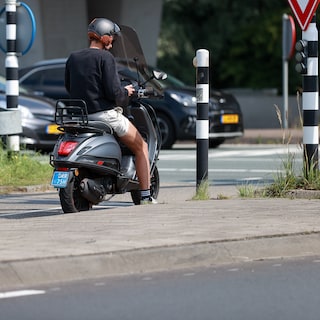
Good news for government: drop in moped crashes supports plan for helmet mandate for young fatbikers
parool · about 12 hours ago
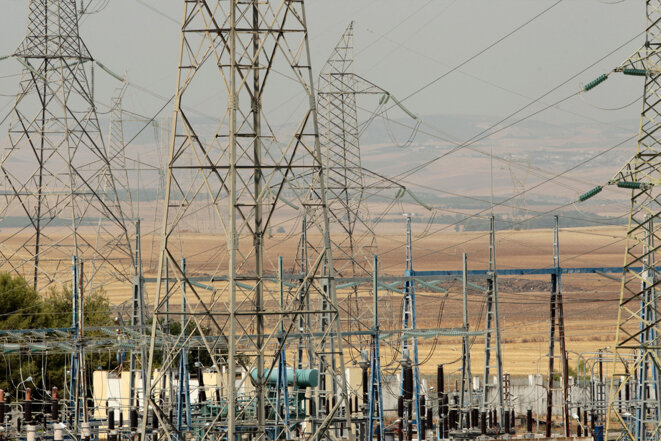
En Tunisie, lexaspération contre les coupures délectricité fragilise le pouvoir Depuis plus de deux semaines, dimportantes coupures de courant touchent tout le pays, éprouvé par la canicule. Des manifestations ont eu lieu et la colère de la population met à lépreuve le régime de Kaïs Saïed, cinq ans après son coup de force constitutionnel.
mediapart · about 12 hours ago

Boerenorganisaties beginnen aan demonstraties tegen stikstofplannen, ook trekkers gespot in Amsterdam-Noord
parool · about 12 hours ago
En Inde, la révolte des «cafards» fait plier le pouvoir : «Cette démission, nous lavons tous vécue comme une victoire personnelle» Après sept semaines de manifestations, le mouvement étudiant du CJP, porté par la Gen Z, a poussé un ministre à quitter le gouvernement sous la pression de la rue. Une première depuis larrivée de Narendra Modi au pouvoir.
liberation · about 12 hours ago

Der Gründer der Kakerlaken-Partei ist Modis unwahrscheinlicher Herausforderer Abhijeet Dipke stammt aus ärmlichen Verhältnissen. Der Student bündelte mit einem Satire-Projekt nun den Unmut einer ganzen Generation in Indien – mit unerwartetem Erfolg
der standard · about 12 hours ago

Cracker Barrel CEO departs a year after Trump joined backlash over logo change
news.yahoo.com · about 12 hours ago

Cracker Barrel CEO who oversaw controversial logo redesign to step down
news.yahoo.com · about 12 hours ago