
Labour elects Burnham as UK prime minister with pledges to devolve power and freeze rents

Story Timeline
3 months · 11 summary articles
Andy Burnham is set to become Britain’s prime minister on Monday after being overwhelmingly backed as the leader of the [Labour](en.wikipedia.org](en.wikipedia.org))) Party. Burnham, the former mayor of Greater Manchester, was elected as the new leader following the resignation of Keir Starmer last month.
Burnham will face a roster of challenges as he steps into the office. The priority will be boosting the economy and improving living standards for voters who have despaired over soaring energy and food prices since the start of the Russia-Ukraine war. He has championed devolving power to regional hubs as a lever for growth. "It’s not just about driving local growth, it’s about turning these places around so they drive national growth," explained Philip McCann from the research organization Productivity Institute.
Burnham has said he will support smaller businesses, “reindustrialisation,” and greater public control over water, transport, and energy. The Financial Times reported he could ease restrictions on oil and gas drilling in the North Sea to reduce energy bills. His pick for finance minister, still unannounced, may well determine how left-wing or centrist his economic agenda is.
Another headache will be tackling ballooning welfare costs, which Burnham has acknowledged need to be reduced. Starmer faced backlash from the public and his party over reforms to the benefits system, including cutting winter fuel payments for the elderly. Burnham, from the so-called soft left of Labour, will face pressure to resist slashing benefits. He has also pledged to “fix” underfunded sectors like social care, which he attempted to overhaul as health secretary in 2009. On Friday, Burnham, whose father has Alzheimer’s, said he was “prepared to grasp the nettle” to make changes, adding, “the system’s broken.”
Burnham will need to fill a £4.7 billion ($6.3 billion) gap over four years in the country’s defense investment plan. The long-delayed plan was published by Starmer last month, but the task of delivering it will fall on Burnham.
In a speech on Friday, Burnham said he wanted to “take us to a country where life is more affordable.” He has championed devolving power to regional hubs as a lever for growth. Burnham has also pledged to introduce a year-long rent freeze for the private sector, a reduced cap on bus fares, and removing green levies from energy bills and funding them through tax instead.
Burnham's team is considering funding his commitments by taxing wealth, but he seemed to signal earlier this week that this would not be something he would pursue in the immediate term. Downing Street and Treasury officials suggest that the incoming prime minister funds the defense investment gap through increasing borrowing, given there is still headroom against the government’s debt targets.
Burnham will also have to decide on the future of Thames Water, whose creditors are trying to negotiate a £10 billion rescue package. Emma Reynolds, the environment secretary under Starmer, recently wrote to regulators spelling out her opposition to such a deal, saying it would represent poor value for taxpayers.
Burnham's rise to power comes after Keir Starmer's popularity waned due to a series of controversies and a lack of clear vision. Starmer's government faced backlash over reforms to the benefits system and the appointment of Peter Mandelson as the UK's ambassador to the US, given Mandelson's ties to Jeffrey Epstein.
Burnham's election as Labour leader was facilitated by a by-election in the Makerfield constituency, which allowed him to enter Parliament. He had been the mayor of Greater Manchester and was seen as a strong candidate to replace Starmer.
Burnham has promised to steer Labour in a distinctively left-wing direction, promising to unite the movement and devolve power from Westminster to local communities. He has also pledged to build the largest program of social housing since the post-war era and to create "good growth in every postcode area."
Burnham's plans for devolution include moving part of the government's headquarters from London to a new "Number 10 North" in Manchester. He has also founded the "Bee Network," a local bus and tram network regulated by a municipal transport authority, which has been praised for better connections and higher punctuality, although it is highly subsidized.
In his speech at the People’s History Museum in Manchester, Burnham outlined his vision for a "power redistribution" and a "socialism that is pro-business." He has also called for public control over essential services such as transport, water, and energy.
Burnham's appointment as prime minister will be confirmed on Monday when he meets with King Charles to form a new government. His immediate tasks will include addressing the cost-of-living crisis, funding defense, and deciding on the future of Thames Water.
Follow us for live European news
- 3
- 2
- 1
- 1
- 1
- 1
- 1
- 1
- 1
5 further sources not geolocated
Articles
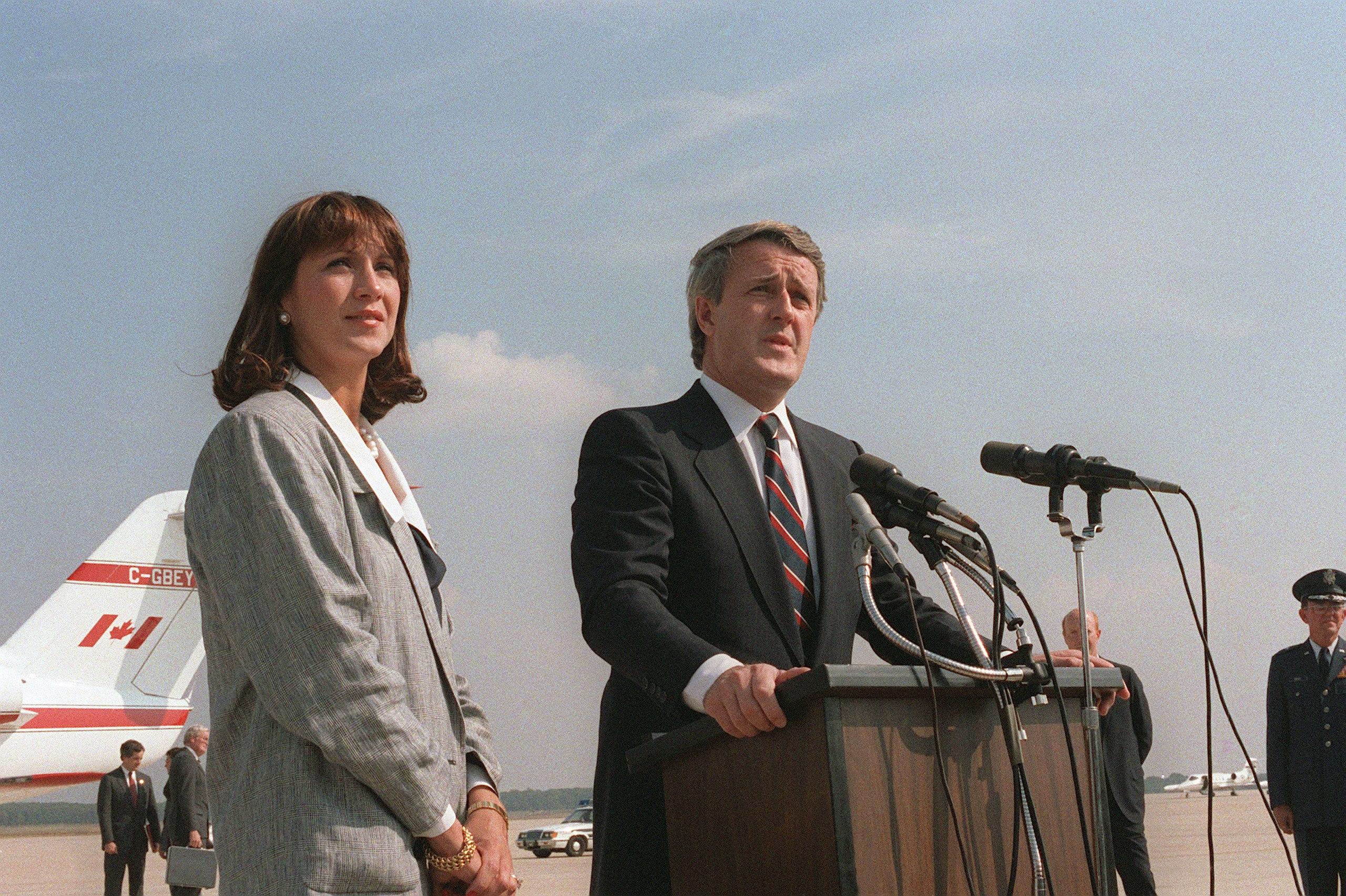
Brian Mulroney vs. ApartheidIn the 1980s, Canadian PM Brian Mulroney took a firm, and often lonely, stand against apartheid in South Africa. He used the Commonwealth to push for strong sanctions, frequently clashing with allies like Margaret Thatcher. His moral leadership helped isolate the apartheid regime and was personally acknowledged by Nelson Mandela after his release. #Canada #Apartheid #Geopolitics #BrianMulroney 🇨🇦
mastodon bot · 2 months ago

The challenges facing UKs next PM Andy Burnham
bluesky_Euractiv · 2 months ago

🇬🇧 🗳️ British anti-immigrant politician Nigel Farage will stand against a "record" 33 fringe opponents including longstanding joke candidate Count Binface in a snap by-election next month that he triggered, local officials have confirmed ➡️ u.afp.com/Sr5e
bluesky_AFP English · 2 months ago

Britannia kokeilee taas karismaattista johtajaa Andy Burnhamin on määrä nousta Britannian pääministeriksi maanantaina.
helsingin sanomat · 2 months ago
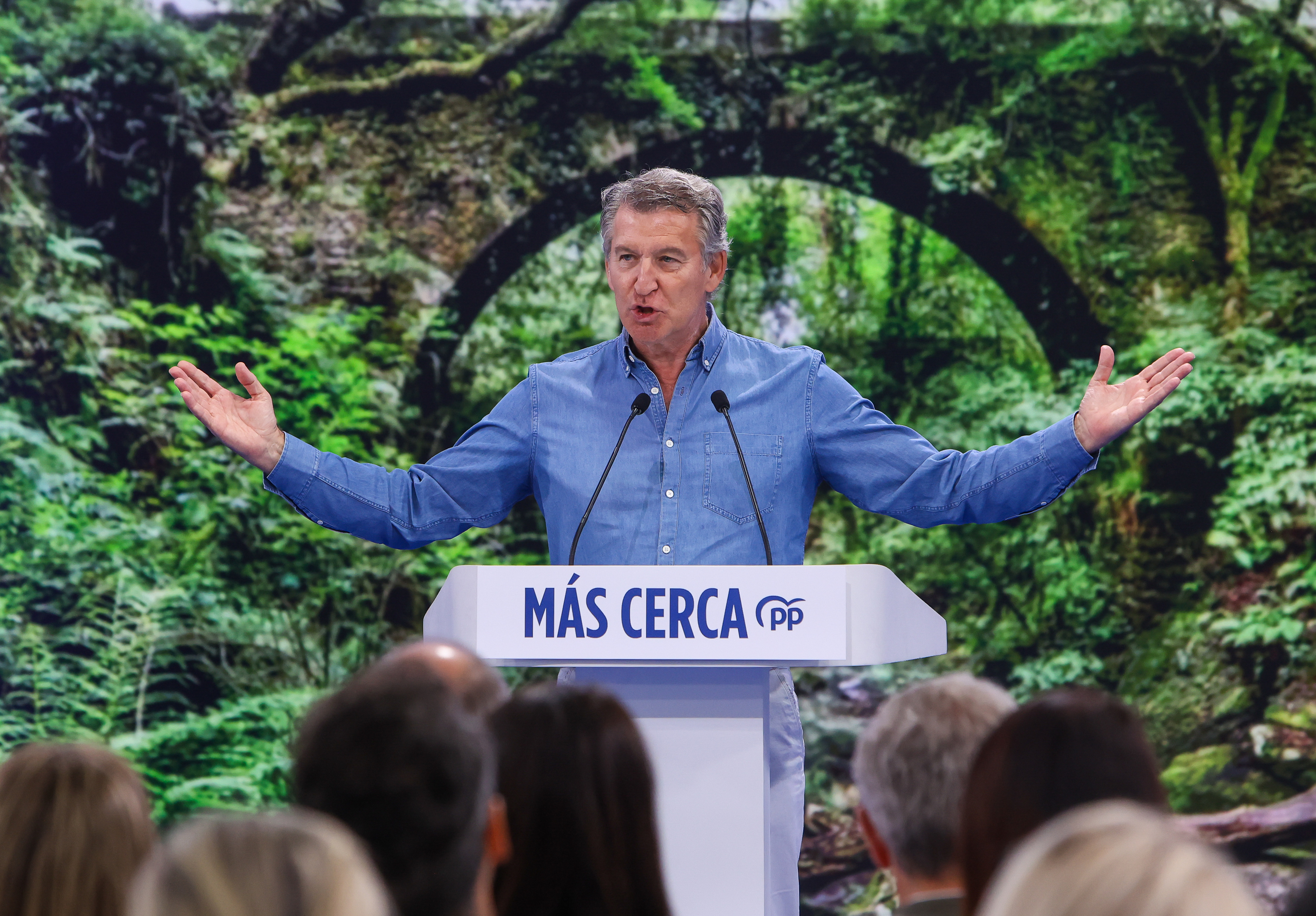
Feijóo invoca una España "que se parezca más a su selección" y moviliza a sus alcaldes contra "el saqueo del PSOE" El PP acelera su maquinaria electoral y anuncia sus candidatos en todas las capitales, 10 meses antes de las elecciones Leer
elmundo · 2 months ago

Six political headaches Andy Burnham must tackle in his first weeks as PM
bluesky_The Guardian · 2 months ago
Présidentielle 2027 : lété de la déraison, par Denis Pingaud Indignité de Le Pen, concurrence suicidaire entre Phillipe et Retailleau, palinodies sur la primaire à gauche, campagne commando de Mélenchon… Tout concourt à conforter lidée den finir avec un système politique à bout de souffle. Mais le pire, heureusement, nest jamais certain, expose le politiste.
liberation · 2 months ago
„Die Linke will alle Werte entkernen: FPÖ-Chefideologe Norbert Nemeth plant die blaue Konterrevolution [premium] Dem „immer linker werdenden Zeitgeist wolle er „etwas entgegenhalten, sagt der FPÖ-Klubdirektor und Kickl-Vertraute Norbert Nemeth. Der Auftakt zur „Presse-Sommerserie über die Ideengeber der Parlamentsparteien.
die presse · 2 months ago
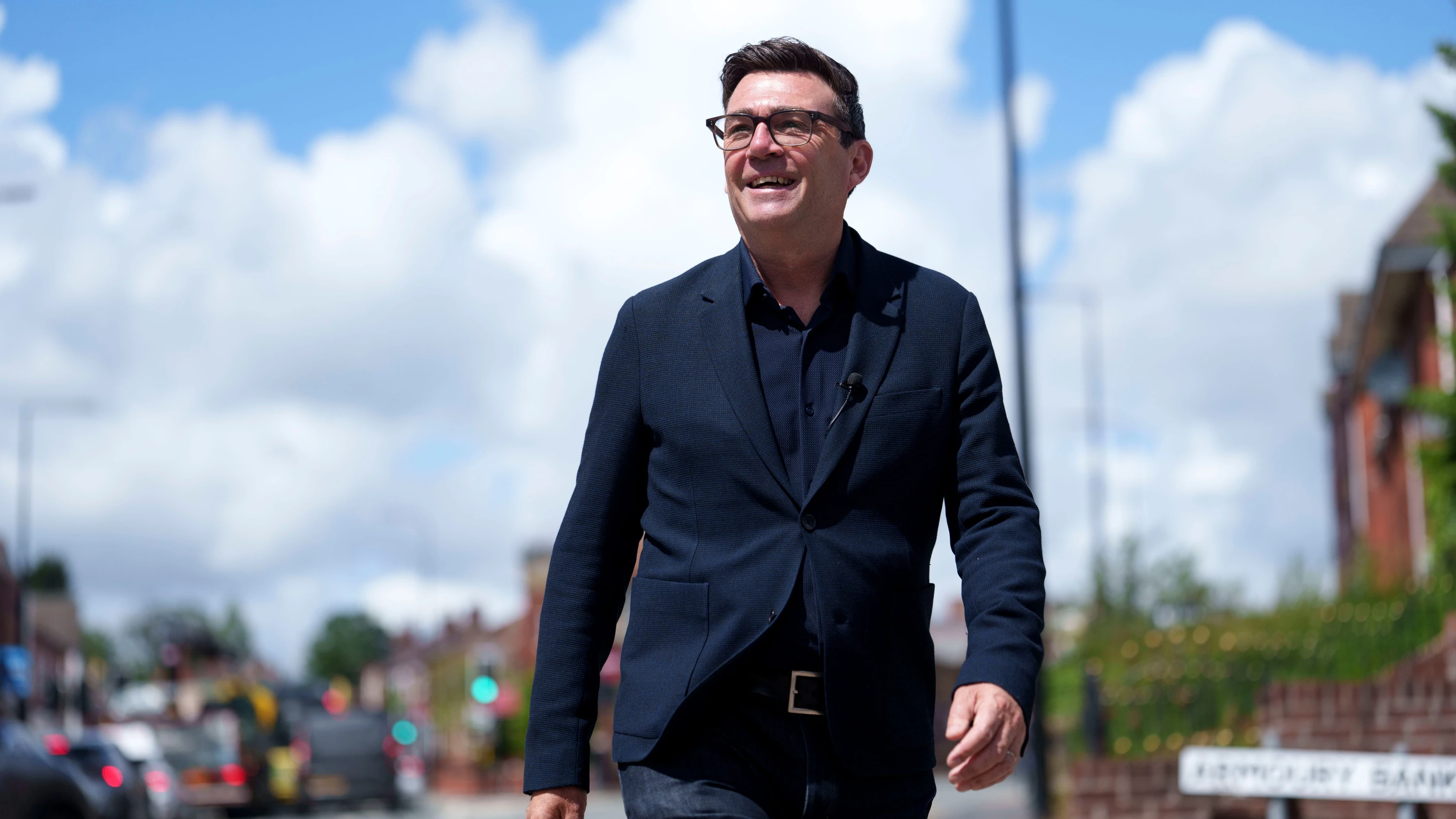
Andy Burnham: Der Prophet aus Manchester Der Norden Englands ist abgehängter als Ostdeutschland. Als Bürgermeister von Manchester hat Andy Burnham dagegen gekämpft. Jetzt setzt er den Kampf als britischer Premierminister fort.
faz · 2 months ago
UK by-election: Nigel Farage faces record number of rivals A fresh by-election has been called in the UK constituency of Clacton, after Nigel Farage, the leader of the right-wing Reform UK party, resigned his seat to seek re-election. Farage had won the seat in 2024, securing 46 of the vote share.
euronews · 2 months ago

Feijóo pide a sus alcaldables borrar al PSOE en los municipios: No renunciemos a dejarles a cero El líder del PP reúne a los 50 candidatos en las capitales de provincia en una cita en Santiago de Compostela y plantea superar las 30 alcaldías
la vanguardia · 2 months ago

Junts llama a sus alcaldes a dar la vuelta a los pronósticos maléficos por el auge de Aliança Turull reclama mantener la posición y los valores del partido en favor de la integración y la cohesión y no caer en el señalamiento, la estigmatización y el odio
la vanguardia · 2 months ago
Élesedett a pályázat a NAV-elnöki posztra, aktív angoltudás elvárt Július végéig lehet jelentkezni.
hvg.hu · 2 months ago

Michigan Senate candidate Abdul El-Sayed speaks with Astead Herndon about electability, the left-right dichotomy, and more. www.vox.com/podcasts/496...
bluesky_Vox · 2 months ago

Andy Burnhams plan to scrap technology department triggers backlash
bluesky_The Guardian · 2 months ago
Burnham vows Labour will win by being boldly, authentically us Andy Burnham pledged on Friday to steer Britains Labour Party in a distinctively left-wing direction, promising to unite the movement and devolve power from Westminster to local communities after being elected leader with a mandate to rebuild trust in politics and constitutional reform.
yenisafak · 2 months ago
Novo primeiro-ministro britânico deverá dar luz verde a explorações de petróleo e gás no mar do Norte Andy Burnham, o novo líder trabalhista, que será convidado pelo rei Carlos III a formar governo na segunda-feira, assumiu o compromisso de não conceder mais licenças, mas quer honrar as existentes.
publico · 2 months ago
:format(jpg)/f.elconfidencial.com%2Foriginal%2F1ce%2F22b%2F24c%2F1ce22b24c1b1b13b497bb6c1c1424566.jpg)
El PSOE elige candidata para la alcaldía de Madrid este domingo: Enma López desafía a Reyes Maroto Es la primera parada del calendario de primarias aprobado por el Comité Federal el pasado 27 de junio. El plan contempla tres ventanas para renovar candidaturas municipales y autonómicas de cara al 23 de mayo de 2027
el confidencial · 2 months ago

Nerudová to neustála . Gregor united kingdom ázal věc z hlasování v Bruselu | ParlamentniListy . cz – politika ze všech stran
gdelt bot · 2 months ago