European Council President António Costa's compromise proposal for the EU's 2028-2034 budget has drawn sharp criticism from both Germany and France as leaders prepare to meet in Brussels this week. [1] [2]
The revised plan cuts the seven-year spending framework by €204 billion from the European Commission's original €2 trillion proposal, bringing total commitments to roughly €1.78 trillion. [3] It also introduces a 3 percent digital services tax on major technology companies and raises member states' average contributions from 0.80 to 0.82 percent of gross domestic product. [3] Several member states have expressed concern that the levy could trigger retaliatory measures from the administration of US President Donald Trump. [3]
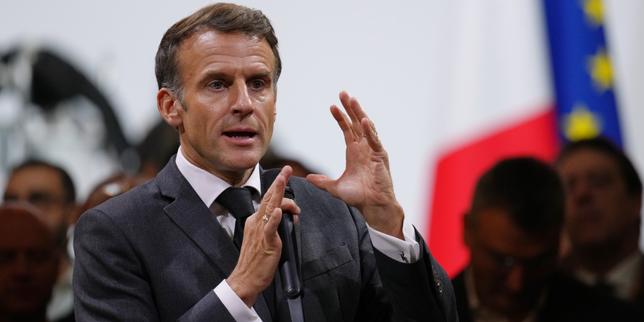
German Chancellor Friedrich Merz rejected the draft on Sunday, calling it a "first step" but arguing that overall spending remained unacceptably high. [4] Merz said a budget that grows 40 percent was not timely while member states struggle to balance their own budgets. [5] France also rejected the proposal, with the Elysée Palace describing it as "very disappointing" and saying it "does not constitute a basis for an agreement" because it failed to guarantee farmers' incomes. [3]
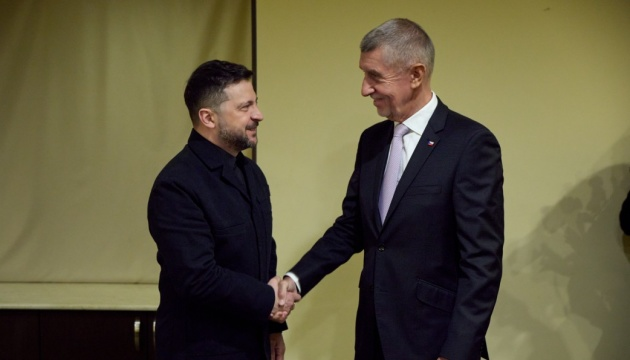
Czech Prime Minister Andrej Babiš called the budget "absolutely unacceptable" on Sunday, opposing the allocation of €100 billion to Ukraine through the EU budget and arguing that support should be financed separately. [6] He also protested a CZK 7.5 billion cut to Czech funding. [7]
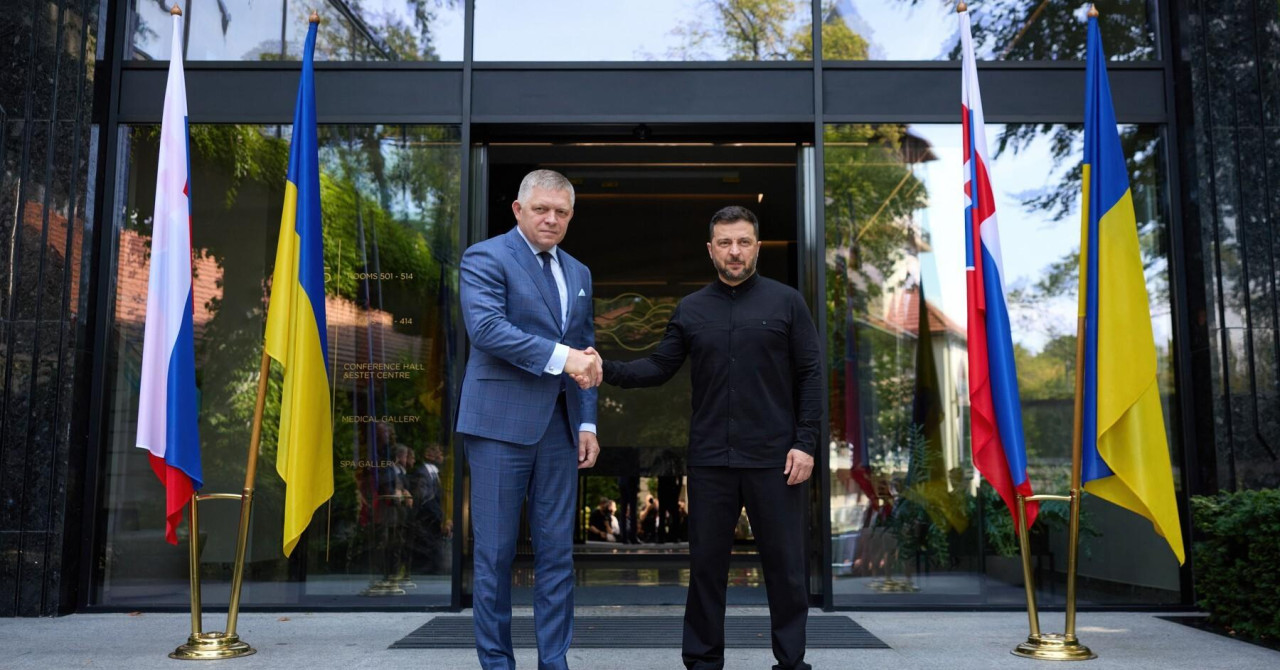
The clashes come as the 27 EU leaders gather in Brussels on Thursday and Friday to negotiate the framework. [2] Governments have privately signaled optimism about reaching a deal in December. [1] The talks are complicated by a dispute over a new €45 billion loan for Kyiv covering 2027. [2] Germany threatened to slow-walk cohesion funding if Bulgaria, the Czech Republic, Hungary and Slovakia did not drop their opt-outs to Ukraine assistance. [2] Slovak Prime Minister Robert Fico announced that Slovakia will not participate in the loan program but will continue humanitarian aid. [8]
Net contributors including Germany, the Netherlands, Sweden and Finland want greater emphasis on competitiveness, research, security and defence. [4] Southern and eastern European countries, which are net beneficiaries, defend cohesion and agricultural spending. [4] European firms have warned against cutting competitiveness funding. [9] Lithuania, which expects to receive about €6 billion more than it contributes, is pressing for an additional 10 percent of infrastructure funding for eastern flank projects. [10] Finance Minister Taurimas Valys said the chance of reaching an agreement by year-end was "50-50." [10]
The European Parliament, whose consent is required, warned that securing an absolute majority for approval is "harder than ever." [11] Danish Finance Minister Peter Humlegaard said the proposed cuts appeared unbalanced. [11] Dutch counterpart Eelco Heinen said the choice was simple: either reduce the EU budget or increase national rebates. [11]
Under Costa's draft, funding for migration management and border security would double. [3] Costa said he would explore the possibility of taxing crypto-assets. [3] The long-term budget requires unanimous approval from member states and the consent of the European Parliament. [3]