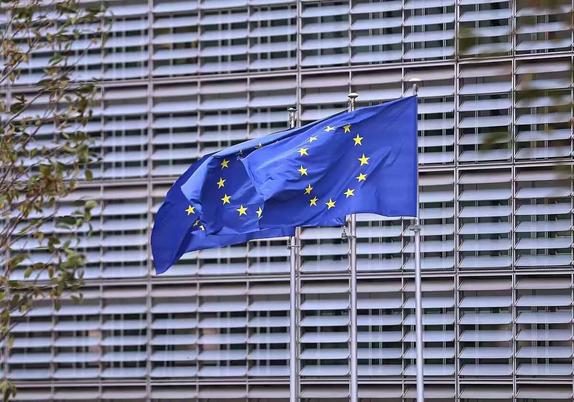
The European Union and Indonesia signed a comprehensive trade and investment agreement in Brussels on Saturday after nearly a decade of negotiations.
Commission President Ursula von der Leyen and Indonesian Coordinating Minister for Economic Affairs Airlangga Hartarto attended the signing ceremony, along with EU Trade Commissioner Maroš Šefčovič and Indonesian Trade Minister Budi Santoso. The pact removes tariffs on 98.5 percent of goods traded between the two sides and opens investment in strategic sectors including electric vehicles, electronics and pharmaceuticals. [1] [2]
According to the European Commission, EU exports to Indonesia could rise by almost 40 percent over 15 years, while Indonesian exports to the EU could grow by more than 14 percent. The agreement is projected to add €16 billion to the EU's GDP and €27 billion to Indonesia's by 2042, and save EU exporters approximately €600 million annually in tariffs. [2] [1]
Indonesian import tariffs on European cars, previously as high as 50 percent, will be eliminated within five years. The deal also secures access to critical raw materials. Indonesia, Southeast Asia's largest economy with roughly 290 million people, is a leading producer of nickel and cobalt for batteries. The agreement bans export monopolies on raw materials and discriminatory pricing. For Indonesia, roughly 90 percent of exports to the EU will become duty-free, benefiting palm oil, footwear, textiles and fisheries. [3] [1]
Von der Leyen called the pact "one of the most ambitious agreements the EU has concluded in Asia" and said, "In a time when others close their doors, we keep ours open." She noted that together the two economies represent a market of 730 million people and thanked Indonesian President Prabowo Subianto, who will visit Brussels on December 11. The agreement forms part of broader EU efforts to diversify trade, with challenges arising from the United States and China. Palm oil and deforestation had been sticking points in negotiations, so the agreement includes a specific palm oil protocol and sustainability mechanisms. [1] [3]
The agreement protects investments from "unjustified discrimination and expropriation" and allows European companies full ownership in computer and telecommunications services. It arrives just before Indonesia's current EU trade preferences expire on January 1. Hartarto described the deal as a "new chapter" in economic relations and said the benefits for Indonesian exporters are "concrete and measurable." [4] [2] [1]
For the pact to take provisional effect, it requires approval from the European Parliament and completion of ratification by Indonesian institutions, expected by early 2027. In 2025, goods trade between the EU and Indonesia reached €28.9 billion, with the EU running a trade deficit of approximately €8.5 billion, while services trade reached €9.3 billion in 2024. The EU is Indonesia's fourth-largest trading partner, while Indonesia ranks 30th for the EU. European direct investment in Indonesia stood at €24.7 billion in 2024, compared with €1.3 billion of Indonesian investment in the EU. This is the third free trade agreement the EU has concluded this year, after deals with the Mercosur bloc and Mexico. [5]