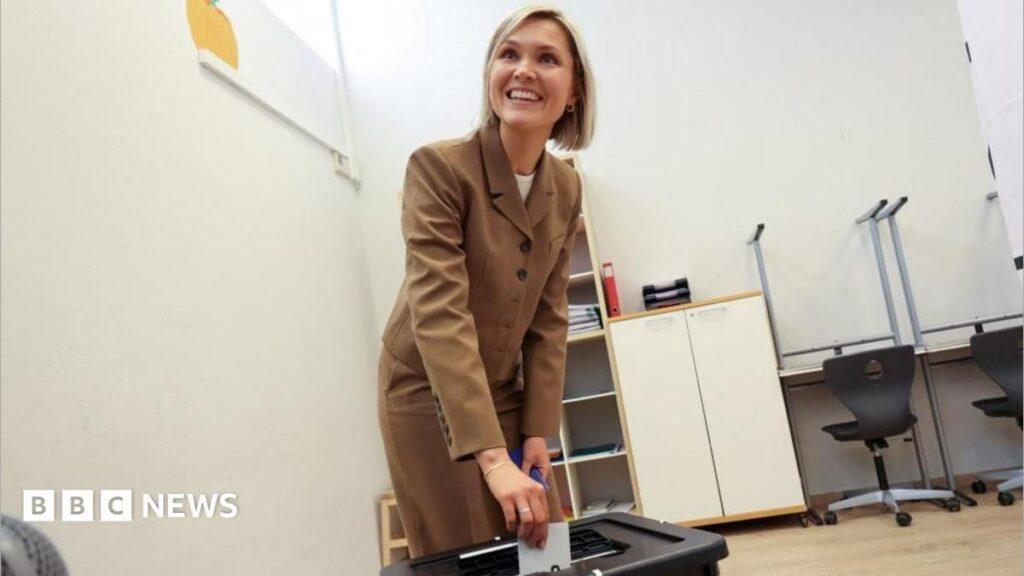
Icelandic voters rejected a proposal to restart negotiations to join the European Union in a referendum held Saturday, with 52.8% voting against and 47.2% in favor, according to final results reported by the national broadcaster RÚV on Sunday .
The capital, Reykjavik, was the only area where a majority supported the measure, while opposition was strongest in rural regions. Turnout reached 82.5%, with 225,031 ballots cast—the highest participation since the 2009 parliamentary elections .
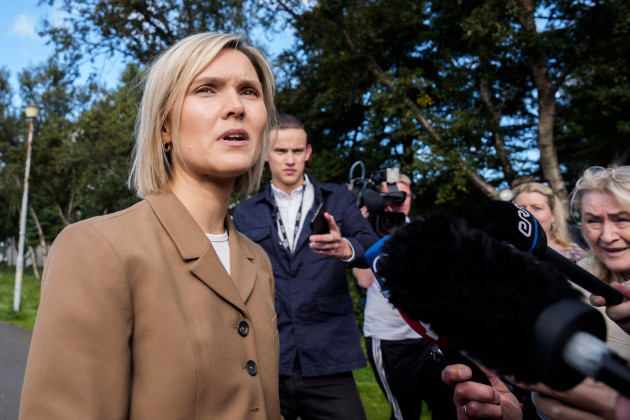
Prime Minister Kristrún Frostadóttir, who campaigned for the "Yes" side, said she hoped the result would not divide the nation. “I don’t feel that there is bitterness,” she told RÚV before the final tally. “I know tempers run high for some people, but I have now spent time with a large group of people from all over the country and people are quite open to different outcomes” .
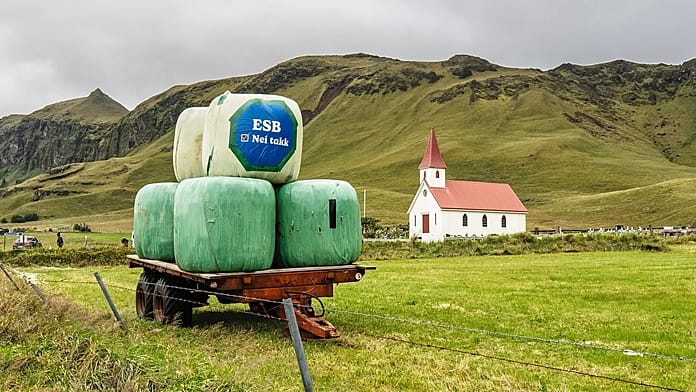
The referendum followed a divisive campaign centered on sovereignty and the fishing industry’s fears that EU membership would subject Iceland’s waters to the bloc’s Common Fisheries Policy. The sector, which accounts for about 8% of Iceland’s GDP and nearly 40% of its exports, strongly opposed the measure .
The government had framed the vote as a "now or never" moment, but Frostadóttir said her administration would continue its work regardless of the outcome. Brussels had viewed Iceland as a low-risk candidate for enlargement, but the result was met with disappointment by some EU officials .
Iceland first applied to join the EU in 2009 after a financial crisis, but a Eurosceptic government halted talks in 2013. The left-leaning coalition elected in 2024 moved up the referendum after U.S. President Donald Trump repeatedly threatened to control Greenland, raising concerns about Arctic security .
David McAllister, chair of the European Parliament’s Foreign Affairs Committee, said the decision was sovereign and democratic but would not alter existing ties. “Schon heute ist Island eng in die europäische Zusammenarbeit eingebunden,” he stated .