
Austria revives 100m farm diesel subsidy despite falling fuel prices
Story Timeline
3 months · 3 summary articles
Austrian minister unveils budget cuts to agriculture and environment while protecting farmers
Austria revives 100m farm diesel subsidy despite falling fuel prices
Tourism push sparks battle over Wrthersees ecological future
Despite falling fuel prices, Austria’s coalition government has revived agricultural diesel subsidies, allocating €100 million over two years in a move critics argue is disconnected from market realities. The renewed subsidy, announced on 18 June 2026, continues to provide financial relief to farmers regardless of diesel price fluctuations, according to reporting by *Der Standard* .
The decision comes as global oil markets have stabilised following the reported end of hostilities in Iran, a conflict that had previously driven up energy costs. Analysts note that with crude prices easing, the economic justification for maintaining the subsidy—originally framed as a buffer against energy shocks—has weakened. Commentators at *Der Standard* argue that the €100 million allocation, spread over 2026 and 2027, represents a direct transfer of public funds to an industry already benefiting from broader agricultural support structures .
Opposition voices have been swift to condemn the move. In an opinion piece published the same day, *Der Standard* editorial staff questioned the government’s rationale, stating that “if the war in Iran is truly over, there is no factual justification for extending diesel subsidies for farmers until 2027” . The critique underscores a broader debate over the efficiency and equity of fossil fuel subsidies in an era of climate transition.
The controversy echoes similar debates across Europe, where transport sectors face competing pressures to decarbonise while maintaining economic stability. In Austria, the agricultural sector remains a politically sensitive domain, with rural constituencies wielding significant influence in coalition negotiations. The government has defended the subsidy as essential to maintaining food production and rural livelihoods, though no detailed cost-benefit analysis has been made public.
Meanwhile, other sectors grappling with subsidy dependency are drawing attention. Austria’s state-owned rail freight operator, ÖBB Rail Cargo, continues to post deficits despite receiving millions in public support. Industry representatives point to structural challenges, including intense competition from road haulage, and warn that existing subsidies are insufficient to address systemic inefficiencies .
As the government navigates these competing demands, the diesel subsidy renewal raises broader questions about fiscal priorities in a time of fiscal constraint and climate urgency. With no clear timeline for phasing out fossil fuel supports, the policy risks entrenching dependency while delaying the transition to sustainable alternatives.
Follow us for live European news
- 1
- 1
- 1
Articles
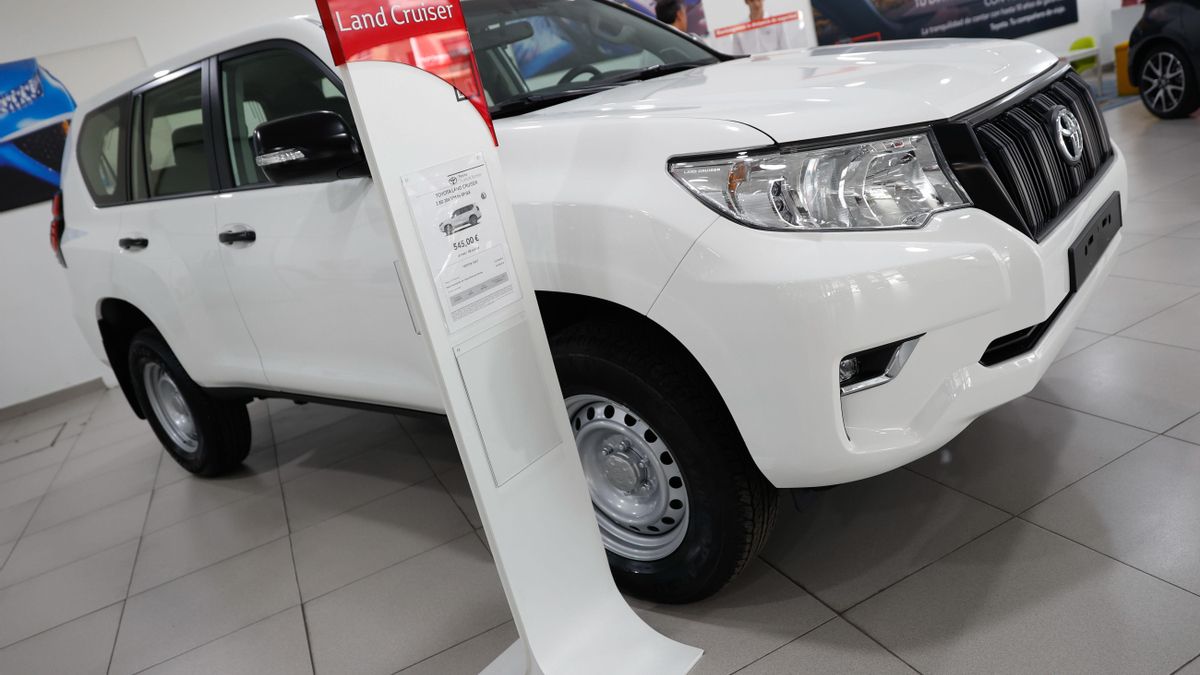
El Congreso exige al Gobierno que cumpla el Plan Renove para coches de combustión de bajas emisiones El sector del automóvil celebra la aprobación de una proposición, con los votos en contra de PSOE y Sumar, para poner en marcha las ayudas a la compra de vehículos de bajas emisiones, incluidos los de combustiónEl PP europeo maniobra de nuevo para que los coches puedan contaminar más y provoca un cisma en la UE El Congreso de los Diputados ha instado al Gobierno a poner en marcha de forma inmediata el Plan Nacional de Renovación del Parque Automovilístico previsto en la Ley de Movilidad Sostenible, una iniciativa largamente reclamada por el sector del automóvil y que acumula más de tres meses de retraso respecto al calendario fijado por la propia norma. Contesta el Barómetro de Movilidad y Automoción 2026 en este enlace La medida ha salido adelante este jueves en el Pleno de la Cámara Baja dentro de una proposición no de ley impulsada por el Partido Popular para exigir el cumplimiento de diversos compromisos pendientes de la Ley de Movilidad Sostenible. La iniciativa ha contado con 185 votos a favor, 152 en contra (PSOE y Sumar) y 10 abstenciones. La propuesta reclama la creación de un plan nacional destinado a sustituir los vehículos más antiguos por otros más modernos, seguros y eficientes que cumplan la normativa Euro 6d, incluyendo tanto vehículos nuevos como de ocasión. El objetivo es acelerar la retirada de los automóviles de mayor edad, responsables de una parte significativa de las emisiones contaminantes y con peores registros en materia de seguridad vial. La votación supone un respaldo parlamentario a una medida que ya figuraba en la Ley de Movilidad Sostenible. La disposición adicional vigesimoprimera de la norma fijó el pasado 5 de marzo de 2026 como fecha límite para aprobar este programa, un plazo que el Ejecutivo no ha cumplido. El sector celebra el respaldo parlamentario La aprobación de la iniciativa ha sido recibida con satisfacción por las principales organizaciones del sector. La Asociación Nacional de Vendedores y Reparadores de Vehículos (Ganvam) ha aplaudido la decisión del Congreso de exigir al Gobierno la activación del plan y ha recordado la necesidad de desplegar ayudas directas que permitan rejuvenecer uno de los parques automovilísticos más envejecidos de Europa con una media de más de 14 años en los turismos. La patronal considera prioritario incentivar el achatarramiento de los vehículos más antiguos, al tiempo que defiende un enfoque basado en la neutralidad tecnológica. En este sentido, apuesta por que las ayudas faciliten el acceso a vehículos eficientes de hasta cinco años de antigüedad, incluidos los usados, para hacer accesible la movilidad sostenible a todas las rentas. También Faconauto ha recordado que los concesionarios llevan tiempo reclamando un programa estable y previsible de renovación del parque, al considerar que constituye una herramienta esencial para la política industrial y de movilidad del país. Esas ayudas tienen el precedente de los planes que aplican varias comunidades autónomas con incentivos para vehículos de bajas emisiones sin excluir los de combustión. Ayudas también para vehículos de combustión eficientes La reivindicación del sector pasa por que el futuro plan no se limite exclusivamente a los vehículos eléctricos, sino que incluya todas las tecnologías capaces de reducir emisiones y consumo. El texto aprobado por el Congreso recoge precisamente la sustitución de vehículos antiguos por otros que cumplan la norma Euro 6d, lo que abre la puerta tanto a modelos eléctricos como híbridos, de gas o de combustión de última generación. Las patronales recuerdan que muchos hogares no pueden asumir el coste de un vehículo eléctrico nuevo y que la renovación por modelos más modernos, incluso de ocasión, ya genera importantes beneficios ambientales. Según sus estimaciones, un coche de más de diez años puede consumir entre un 20 y un 30 más combustible, con las emisiones que se derivan, que un modelo reciente equivalente. Una medida con impacto social, ambiental y de seguridad El sector defiende que la puesta en marcha del Plan Renove responde a tres objetivos principales. El primero es social, al reducir el impacto que tienen las subidas de los carburantes sobre las familias con menor capacidad económica, que suelen conservar los vehículos más antiguos. El segundo es ambiental, ya que la renovación del parque permitiría disminuir las emisiones contaminantes del transporte y contribuir al cumplimiento de los compromisos europeos de descarbonización y calidad del aire. Por último, las organizaciones del automóvil subrayan el beneficio en materia de seguridad vial. La antigüedad media del parque español se aproxima a los quince años, una cifra récord que refleja el retraso en la sustitución de vehículos y que limita la penetración de tecnologías de seguridad cada vez más avanzadas.
eldiario.es · 3 months ago
Defizitär trotz Subventionen in Millionenhöhe: Wie sehr die ÖBB-Gütersparte am Steuertropf hängt Güterzüge stehen im harten Wettbewerb mit dem Lkw. Doch bald läuft eine Förderschiene aus. Die großen Hebel orten Branchenvertreter aber ohnehin anderswo
der standard · 3 months ago
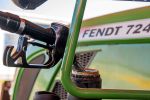
Den Agrardiesel für Landwirte sollte die Regierung wieder vergessen Wenn der Krieg im Iran tatsächlich zu Ende ist, gibt es keine sachliche Rechtfertigung, den Spritverbrauch der Landwirte bis 2027 zusätzlich zu subventionieren
der standard · 3 months ago

Wieso bekommen Landwirte trotz sinkender Spritpreise weiterhin Diesel subventioniert? Die Koalition führt eine Neuauflage der Agrardieselsubvention ein und lässt sich das 100 Millionen Euro über zwei Jahre kosten. Die Förderung gibt es offenbar unabhängig von der Preisentwicklung
der standard · 3 months ago

Rýchlostná cesta pri Košiciach zdražela o desiatky miliónov. Štát spustil tender na pokračovanie obchvatu Dostavba prvého úseku bude stáť 162,5 milióna eur. Tender má trvať osem mesiacov a výstavba štyri roky. Ďalšie pokračovanie v smere od Košíc do Rožňavy je v nedohľadne.
aktuality.sk · 3 months ago