
Tourism push sparks battle over Wrthersees ecological future
Story Timeline
4 months · 13 summary articles
The Wirtschaftskammer Kärnten has proposed reclassifying Lake Wörthersee as an "erheblich veränderter Wasserkörper" (significantly modified water body) to facilitate further tourism development, sparking sharp criticism from environmental groups. On 16 June 2026, the Umweltdachverband condemned the move, arguing it would undermine ecological protections for Austria’s most visited alpine lake .
The proposal, advanced by the regional hospitality sector, seeks to bypass stringent EU Water Framework Directive requirements that currently classify the Wörthersee as a natural body of water. Under the directive, significantly modified water bodies face less stringent ecological targets, allowing for greater commercial exploitation. Critics warn this would accelerate shoreline development, threaten biodiversity, and degrade water quality in a lake already under pressure from mass tourism. "This is a dangerous precedent that prioritises profit over environmental stewardship," said a spokesperson for the Umweltdachverband .
The dispute comes as the Wörthersee faces mounting ecological strain, with algal blooms and dwindling fish populations documented in recent years. Environmentalists argue that reclassification would legalise existing degradation rather than address its causes. Meanwhile, proponents claim the change is necessary to fund conservation efforts through sustainable tourism revenue. The debate is expected to intensify ahead of regional elections in autumn 2026, where environmental policy has emerged as a key campaign issue.
In Frankfurt, meanwhile, the newly approved coalition government between the CDU, Greens, and SPD is already facing scrutiny over its transport policies. On 16 June 2026, the Frankfurter CDU’s district executive committee approved the coalition agreement without dissent, though delegates expressed reservations over a contentious personnel decision . The agreement leaves significant leeway on transport policy, with critics and supporters of the Verkehrswende (transport transition) interpreting its provisions to justify both expanded cycling infrastructure and the retention of car lanes.
The coalition’s flexibility on transport has drawn mixed reactions. Advocates of sustainable mobility point to clauses enabling new cycle paths, while opponents warn that ambiguous wording could allow for the reversal of hard-won traffic calming measures. "The devil will be in the details of implementation," said a spokesperson for the local cycling association. The coalition has pledged to unveil its first concrete transport projects by the end of the year.
Across Austria, Graz’s mayor Elke Kahr of the KPÖ echoed similar tensions between social policy and environmental goals. In an interview published on 16 June 2026, Kahr defended her administration’s coalition with the Greens, emphasising the need to maintain a "social balance" despite high costs . "We cannot afford to lose sight of those who need support most," she stated, highlighting the trade-offs between progressive urban policies and fiscal constraints.
Follow us for live European news
- 2
- 2
Articles
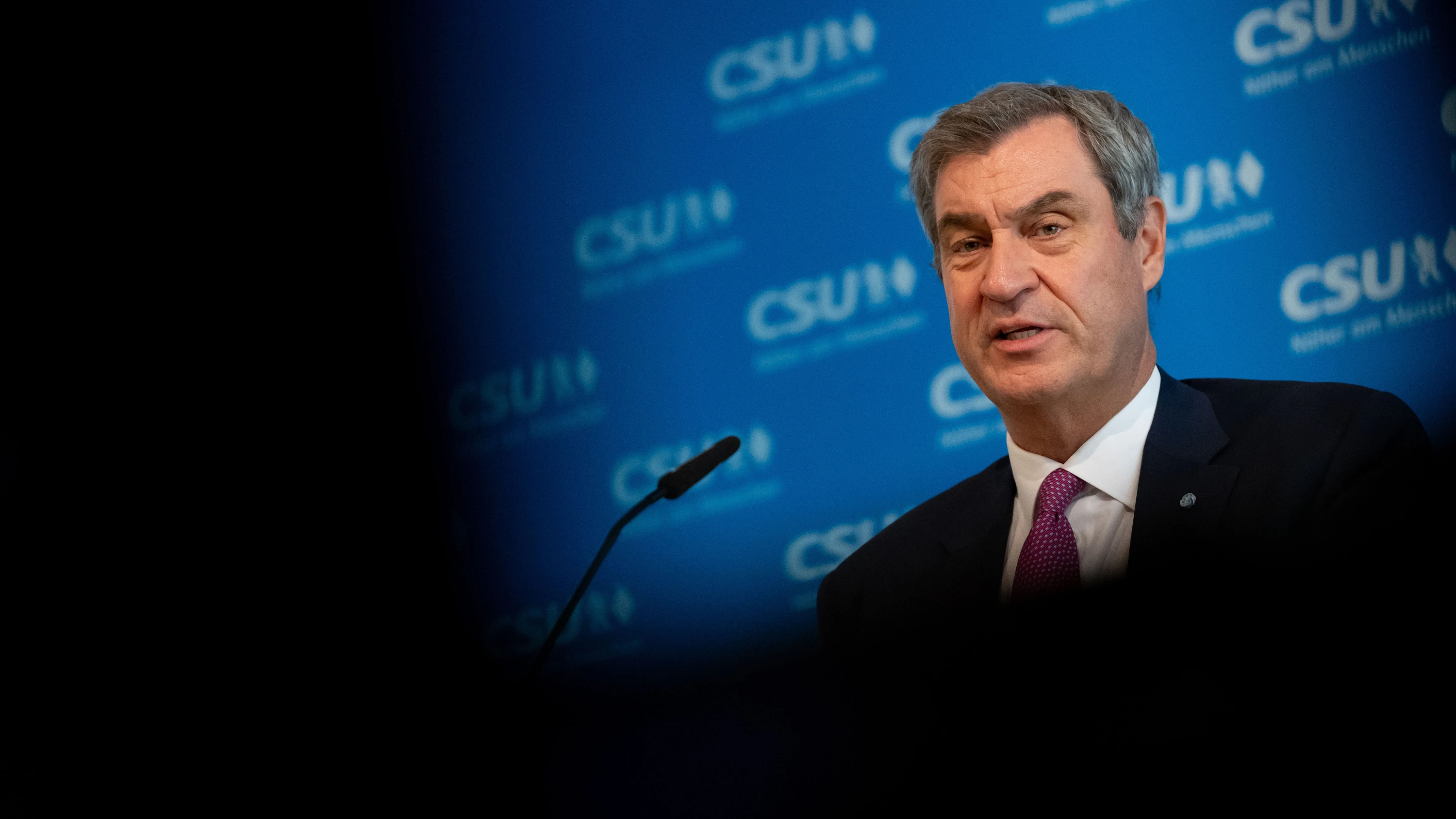
Nach dem Pfingstbrief: Die Irgendwie-Strategie der CSU Der „Pfingstbrief Manfred Webers hat nicht viel bewirkt. Die zehn Punkte Markus Söders sind keine strategische Neuausrichtung der CSU.
faz · 3 months ago

Wirtschaftskammer sieht Wörthersee nicht als „natürlich Geht es nach dem Sprecher der Wirte in Kärnten soll der Wörthersee als „erheblich veränderter Wasserkörper kategorisiert werden, um touristische Entwicklung zu ermöglichen. Der Umweltdachverband kritisiert den Vorstoß der Wirtschaftskammer scharf.
die presse · 3 months ago
Ist der Wörthersee noch natürlich? WKO und Umweltdachverband streiten Der Wörthersee soll als "erheblich veränderter Wasserkörper" kategorisiert werden, um touristische Entwicklung zu ermöglichen
der standard · 3 months ago

KPÖ-Spitzenkandidatin Elke Kahr: "Wir dürfen den Blick von unten nicht verlieren" Die Bürgermeisterin von Graz lobt die Koalition mit den Grünen und will an ihrem politischen Leitbild der "sozialen Balance" in der Stadt festhalten – auch wenn es "echt viel Geld" koste
der standard · 3 months ago
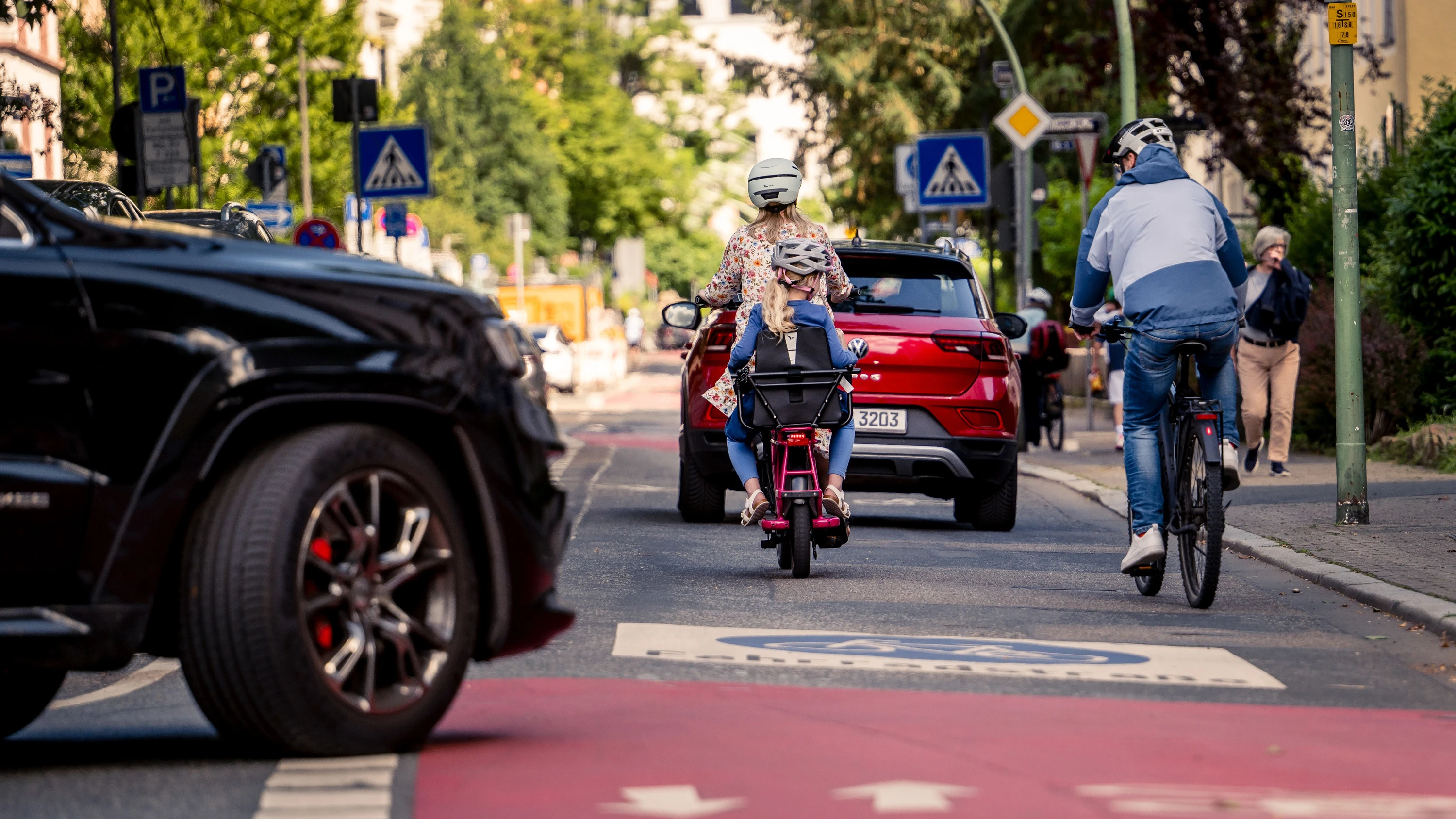
Frankfurter Bündnis: Beim Thema Verkehr lässt der Koalitionsvertrag Spielraum Werden in Frankfurt neue Radwege ausgewiesen, bekommen Autos Spuren zurück? Kritiker wie Befürworter der Verkehrswende finden für beides Hinweise.
faz · 3 months ago
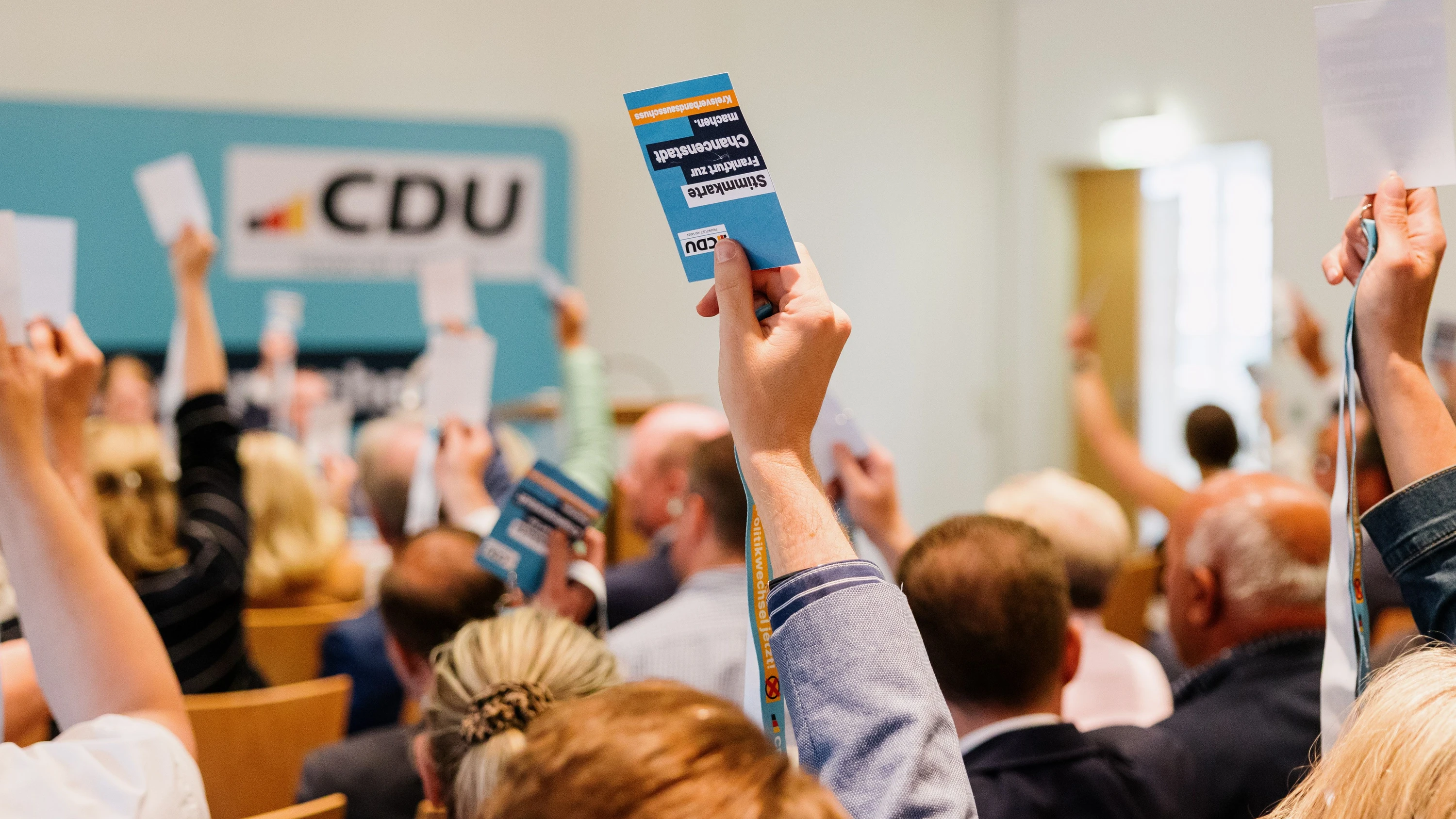
ohne gegenstimmen: Frankfurter CDU billigt Bündnis mit Grünen und SPD Ohne Gegenstimme hat der Kreisverbandsausschuss der Frankfurter CDU den Koalitionsvertrag mit Grünen und SPD gebilligt. Eine Personalie allerdings wird bei den Delegierten kritisch gesehen.
faz · 3 months ago
Union und Grüne: Esst mal wieder Pizza Schwarz-Grün? Davon wurde schon vor 30 Jahren geträumt, doch es klappte im Bund nie. Dabei hätte das was – wenn das Bündnis komplementär gedacht wird. mehr...
taz.de · 3 months ago