
Sophie Marceau stars as a "sexy grandmother" in LOL 2.0 sequel
Story Timeline
4 months · 13 summary articles
Sophie Marceau, the French screen icon famed for her teenage roles in the 1980s cult classic *LOL*, will step into middle age with a bold twist in *LOL 2.0*, where she plays a “sexy grandmother” navigating a new chapter of life. The sequel, announced on Thursday, 18 June 2026, sees Marceau’s character confronting the contradictions of aging in a world obsessed with youth, according to coverage in *Der Standard* . The film’s promotional tagline, “Dreams are my reality,” underscores its playful inversion of expectations, positioning Marceau’s star power as the bridge between nostalgia and reinvention.
Meanwhile, the art world is grappling with its own generational shifts. At Art Basel on Thursday, dealers described a “nervy, make-or-break mood” despite a buoyant auction market, as reported by *The New York Times* . The fair’s precarious undercurrent reflects broader anxieties about sustainability in the contemporary art sector, where digital art is increasingly touted as the medium for future generations. Reuters noted on Thursday that Art Basel is “betting on digital art” as a cornerstone for the next wave of collectors .
In Munich, a more intimate relic of history will go under the hammer on Friday: a lock of Empress Elisabeth of Austria’s hair, known as Sisi, alongside over 1,000 objects from the estate of the Dukes of Bavaria. The auction, slated for 19 June 2026, includes a strand of Sisi’s childhood hair, offering a poignant glimpse into the private life of one of Europe’s most mythologized figures, as detailed by *Der Standard* .
Across the Channel, London’s cultural institutions are reimagining their role in civic life. The city’s forthcoming London Museum, set to reopen in November 2026 after a decade-long renovation, will transform two restored market halls into a “democratic space” blending heritage with social vitality. Director Sharon Ament told *The Guardian* on Thursday that the museum will host afternoon teas, late-night DJ sets, and dinner clubs, ensuring artifacts share space with contemporary rhythms . The project signals a broader trend: museums as living venues, not just repositories.
From cinema to auctions to institutional reinvention, the cultural landscape on 18 June 2026 is defined by transitions—artists aging, art forms digitizing, and institutions adapting. Whether through Marceau’s comedic defiance of age, Basel’s digital gambles, or London’s sonic heritage, the arts are not merely reflecting change but actively shaping it.
Follow us for live European news
- 3
- 2
- 2
- 1
- 1
- 1
- 1
- 1
- 1
- 1
- 1
- 1
- 1
1 further source not geolocated
Articles

Viies «Lelulugu» – naasmine armastatud maailma või häbitu taaskäitlus? Mitu korda animatsioonilatti kergitanud «Leluloo» frantsiis on jõudnud viienda filmini, mis võlub endiselt sümpaatsete tegelastega, kuid pakub vaatamata näilisele nüüdisaegsusele vähe uut.
postimees · 3 months ago
Kaval nipp neile, kes tahavad kohtinguäpis endast head muljet jätta Raamatute lugemine paistab olevat muutumas üha atraktiivsemaks omaduseks, mida peetakse tähtsaks kaaslase valikul. Kohtinguäpi Tinder andmetel on viited raamatutele kasutajate profiilides aastaga kasvanud 29 protsenti, naiste puhul koguni 41 protsenti.
postimees · 3 months ago

Lino Brocka: retrospetiva no Doclisboa e na Cinemateca Central na programação do Doclisboa 2026, esta retrospetiva "oferece uma oportunidade rara para descobrir, em toda a sua amplitude, uma filmografia essencial para compreender não apenas a história do cinema asiático, mas também o papel do cinema enquanto forma de compromisso com a realidade"
observador · 3 months ago
Qual è lultimo film visto da Kubrick, Chaplin, JFK, Elvis e Kurt Cobain prima di morire? La risposta nelleccentrica controstoria del cinema Last Movies (e nel pezzo che leggerete) Qual è lultimo film visto da Elvis Presley o da Kurt Cobain prima di morire? E lultimo film visto da Charlie Chaplin e da Stanley Kubrick? E quello visionato da uno spettatore appassionato come JFK? Una possibile, bizzarra, perfino comica controstoria del cinema fatta di spezzoni di film, di dialoghi, di singulti sonori da grande […] Larticolo Qual è lultimo film visto da Kubrick, Chaplin, JFK, Elvis e Kurt Cobain prima di morire? La risposta nelleccentrica controstoria del cinema Last Movies (e nel pezzo che leggerete) proviene da Il Fatto Quotidiano.
il fatto quotidiano · 3 months ago
„Sind davon überzeugt, dass es eine Unterscheidung zwischen ehrbaren und ehrlosen Frauen gibt Ein BR-Beitrag über einen Scharia-konformen Modeladen in Nürnberg sorgt für Kritik. Islam-Expertin Susanne Schröter warnt vor der Verharmlosung patriarchaler Normen. „Diese absolut naive Folklore-Sicht, die da praktiziert wird, nicht nur in Teilen der Medien, sondern auch in Museen, habe ich schon häufiger bemerkt.
welt.de · 3 months ago
Berliner Ausstellung: Künstlerin Stötzer: „Dabei sein und nicht schweigen In der DDR musste sie ins Gefängnis, später besetzte sie ein Stasigebäude: Künstlerin Gabriele Stötzer ließ sich von ihrem Weg nicht abbringen. Nun erlebt sie ihr wohl größtes Jahr - mit 73.
tagesspiegel · 3 months ago
The Complex of Sultan Bayezid II Health Museum in Türkiye opens to visitors The Complex of Sultan Bayezid II Health Museum in Edirne opens again on 18th of June after last years success. The museum will be open for visitors on Thursday, Friday and Saturday until 10.30 pm.
yenisafak · 3 months ago

Emojikkal pakolja meg a lejátszási listákat a Spotify A jövőben a közös lejátszási listát szerkesztő felhasználók értékelhetik, hogy a másik szerkesztő milyen dalt adott hozzá a lejátszási listához.
hvg.hu · 3 months ago
A temporada em que House of the Dragon parece mais A Guerra dos Tronos Os Targaryen e companhia falam ao Ípsilon do salto de ambição na terceira temporada, que se estreia dia 22, numa altura em que aterram na televisão alguns (poucos) blockbusters.
publico · 3 months ago
Popmusiikki | Fanit käyttävät vaippoja voidakseen pysyä eturivissä, sanoo poptähti Olivia Rodrigo Aikuisvaippojen käyttöön on aiemmin kiinnitetty huomiota Taylor Swiftin Eras tour -kiertueen yhteydessä.
helsingin sanomat · 3 months ago
Punkers, gothics en Mods: in Londen opent het Museum of Youth Culture zijn deuren Voor het eerst is er een museum dat speciaal gaat over subculturen onder jongeren. Door de jaren heen hebben jongeren altijd eenzelfde soort uitstraling gehouden. Met één verschil: „Vroeger zag je amper mensen met overgewicht. Nu wel.
nrc · 3 months ago
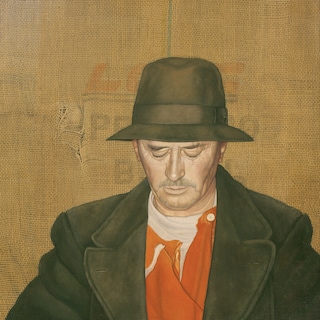
Jopie Huisman Museum wil graag weten: hangt er bij jou een Jopie aan de muur?
de volkskrant · 3 months ago
Clemens J. Setz, der Autor, den "unerwartete Wege" zum Staatspreis führen Der 43-jährige aus Graz gebürtige Star der heimischen Literatur und Verfasser von "Monde vor der Landung" bekommt die höchsten Kunstauszeichnung des Landes
der standard · 3 months ago

In München kommt eine Locke von Kaiserin Sisi unter den Hammer Mehr als 1000 Objekte aus dem Nachlass der Herzöge von Bayern werden versteigert. Auch Kinderhaar von Sisi ist dabei
der standard · 3 months ago

"Dreams are my reality": Sophie Marceau wird in "LOL 2.0" zur sexy Großmutter Die Königin des französischen Teeniefilms muss sich in der Fortsetzung der Erfolgskomödie "LOL" mit einem neuen Lebensabschnitt anfreunden
der standard · 3 months ago
Beim Lolita-Fetisch der Popkultur werden Frauen zu oft zum Sündenbock Für ihr "Babydoll"-Kleid erntete Sängerin Olivia Rodrigo Kritik, sie sexualisiere Kleinkinder. Das wahre Problem liegt wie immer tiefer
der standard · 3 months ago
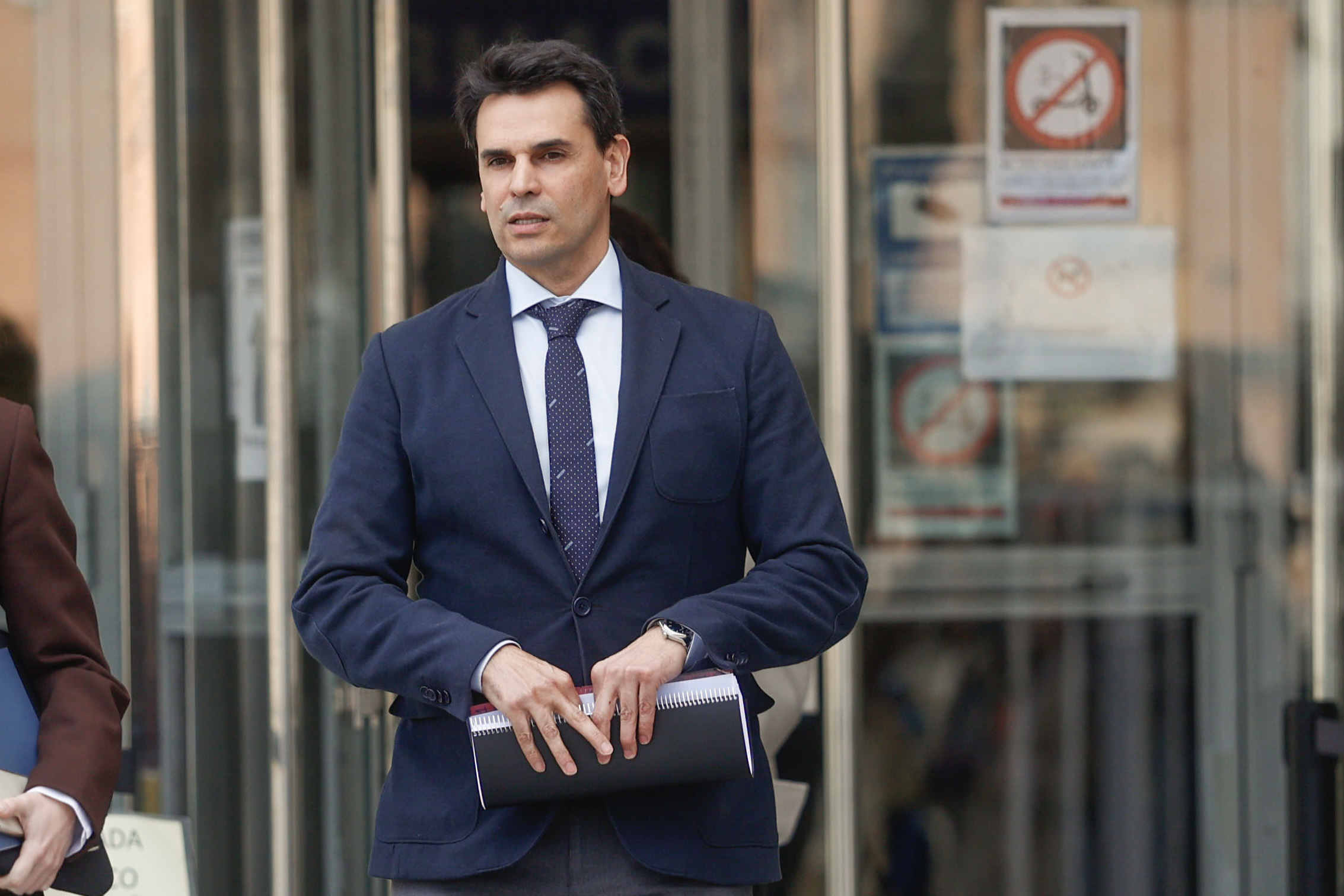
La empresa del novio de Ayuso no tenía medios para los servicios que cobraba a Quirón, según un informe de la UCO Los investigadores concretan cómo la mercantil Círculo de Belleza no tenía prácticamente actividad antes de su venta en 2020, y aumentó su cifra de negocio tras ser adquirida por González Amador Leer
elmundo · 3 months ago
Effi O Blaenau — a stark Welsh drama lit up by a revelatory new star Leisa Gwenllian nails all the moods asked of her in a story of hedonism and aggro set in a poverty-scarred ex-mining town
financial times · 3 months ago

Widows Bay is a mystery comedy worthy of all the buzz – no matter how you watch television | Rebecca Shaw In a remake-riddled TV landscape, its fresh combination of jokes and intrigue offers something for everyone – the casual and obsessive viewer alikeIn the last few weeks, you may have been seeing a lot of buzz around a show called Widows Bay. I am here to provide more buzz, like a loyal bee foot soldier to the queen (television).In this dire existing-IP-driven remake-riddled landscape, an offering this fresh is the best thing in the world. The tone of the show is what has grabbed me the most, striking the exact right balance (in my correct opinion) between scary mystery vibes, and hilarious comedy. At no point does it sacrifice comedy for the more serious parts, and I really appreciate that. For example, in the penultimate, thrilling, everythings-about-to-happen episode, they slow down for an eight-minute scene involving a side character named Rosemary, which moves the plot forward slightly but is mainly there to shine a light on the incredible comedy chops of actor Dale Dickey. Continue reading...
theguardian · 3 months ago

Dancing to artefacts: London Museum will be democratic space for all, says director A decade in the making, the museum will reopen in November in two restored market halls with displays and late-night DJ setsThe new London Museum will be a social space for the city, its director has said, hosting afternoon tea events, monthly dinner clubs and late-night DJ sets where visitors can mingle among the artefacts while dancing.Sharon Ament said that when it reopened later this year the museum would be a democratic space that engaged with all Londoners rather than merely a repository for its collections, which stretch from the citys neolithic prehistory to modern acquisitions. Continue reading...
theguardian · 3 months ago

Ordinary people are being erased: one directors audacious fightback against AI – featuring Frinton Marc Isaacs film Synthetic Sincerity may look like a documentary, but its fictional premise – a lab that scrapes movies to harvest human emotions – shines a hard light on just how far AI can goIn Marc Isaacs latest film, the subversive documentary maker reveals that an AI research laboratory recently licensed his entire body of work. Thats a quarter-century of droll, deadpan studies of ordinary life in Britain – from the poetic Lift, about the comings and goings in a London tower block, and The Curious World of Frinton-on-Sea, set in the sleepy retirement town dubbed Gods waiting room, to Philip and His Seven Wives, in which a secondhand furniture dealer declares himself to be a Hebrew king. Isaacs agreed to let data analysts at the University of Southern England feed these and other documentaries into their system to harvest authentic human emotions from which AI characters could then be created. His film about the experience takes its name from the universitys lab: Synthetic Sincerity.But how synthetic is the film itself? Well, we made up the University of Southern England, admits Isaacs, 59, over lunch at Etles, a Uyghur restaurant near his home in London. The choice of venue is no accident: its chef and owner, Ablikim Rahman, who flutters around us today bearing bowls of thick, glossy leghmen noodles, appears in Synthetic Sincerity being photographed by the AI boffins and turned into an avatar. This is Rahmans first film, though he hasnt seen it yet: Soon, he says with a sheepish smile. Continue reading...
theguardian · 3 months ago
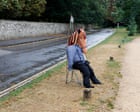
Wiltshire village exhibits Martin Parrs final photos of scarecrows and prize veg Pictures from photographers return to Lacock after 40 years were taken months before his death last DecemberThe images are colourful, characterful and thought-provoking. They capture a flower show, a Womens Institute meeting, a scarecrow festival. A local vicar features, resplendent in a union jack bowler hat, as does a band of bellringers and a bulldog called Billy.Four decades after chronicling life in the picture-postcard English village of Lacock in Wiltshire, the photographer Martin Parr returned to document what had changed – and what had not. Continue reading...
theguardian · 3 months ago
At Art Basel, a Nervy, Make-or-Break Mood The auction market is buoyant, but business feels precarious for dealers at the worlds premier contemporary art fair.
new york times · 3 months ago
Ben Stiller maakt documentaireserie over New York Knicks Ben Stiller maakt een documentaire over de New York Knicks. De Amerikaanse acteur kondigde het nieuws aan in de podcast Roommates. "Ik ben ontzettend blij om aan te kondigen dat we samen met A24 een documentaire over de New York Knicks maken voor HBO", zei Stiller, die zelf groot fan is van de club.
rtl nieuws · 3 months ago

The Lonely City by Olivia Laing audiobook review – solitude and creativity in Manhattan Tilda Swinton makes her audiobook debut with this landmark study of how New York artists from Edward Hopper to Andy Warhol have lived with lonelinessIt is a decade since Olivia Laing published The Lonely City, a blend of memoir and cultural analysis on the isolation of urban living. Laing – who is non-binary – had moved to Manhattan following a love affair that ended abruptly. Once there, they were taken aback at their feelings of isolation. Laing discovered you can be lonely anywhere, but there is a particular flavour to the loneliness that comes from living in a city, surrounded by millions of people.The authors attempts to navigate these difficult feelings are threaded through a series of artist portraits examining the connection between loneliness and creativity. There is Edward Hopper, famed for his paintings featuring lone figures seated in cafes and diners, and Henry Darger, the janitor and hospital worker who lived alone and achieved posthumous fame through his disturbing and hallucinatory paintings of misfits. Laing also ponders the work of Andy Warhol, who surrounded himself with people while still keeping them at arms length, and David Wojnarowicz, the American artist and photographer who documented the devastation caused by the Aids virus. His work, Laing notes, did more than anything to release me from the burden of feeling that in my solitude I was shamefully alone. Continue reading...
theguardian · 3 months ago
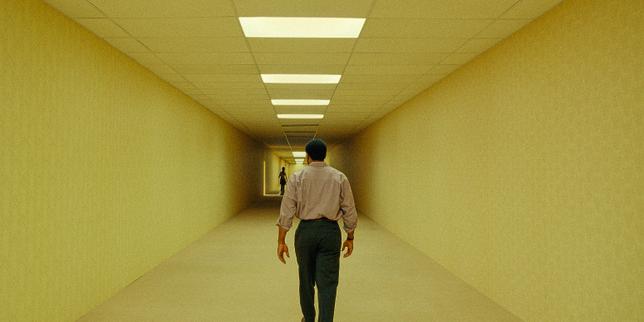
Quest-ce que les « backrooms », cette légende urbaine née dInternet qui a aujourdhui droit à un film tiré de son univers ? Le film réalisé par Kane Parsons, qui sest lui-même fait connaître en travaillant sur lunivers des « backrooms », est un succès au box-office américain.
le monde · 3 months ago